
Choosing the right solar outdoor lights for your garden in the Philippines requires balancing aesthetic appeal with the realities of a tropical climate. With intense year-round heat, heavy monsoon rains, and high humidity, standard lighting fixtures can quickly deteriorate if they are not built to withstand the elements. To find the ideal setup, you must evaluate the specific lighting needs of your yard’s different zones, verify weatherproofing specifications like Ingress Protection (IP) ratings, and select high-efficiency solar panels that can charge even on overcast days. By understanding how to read product labels and plan your layout, you can create a beautifully illuminated outdoor space that remains functional and safe throughout the year.
Identify the Right Solar Light Types for Your Garden Zones
Every garden has distinct zones that require different lighting approaches, ranging from functional safety to purely decorative accents. Matching the right type of solar light to each specific area ensures that your yard is both safely illuminated and visually appealing after dark.
Path and stake lights are designed specifically for illuminating walkways, driveways, and garden borders. These fixtures typically feature a pointed stake that inserts directly into the ground, casting a downward glow to guide foot traffic safely. When selecting path lights, consider the height of the fixture and the material of the stake, as durable metals or high-grade plastics resist tropical moisture better than thin, brittle alternatives.
Products mentioned in this guide
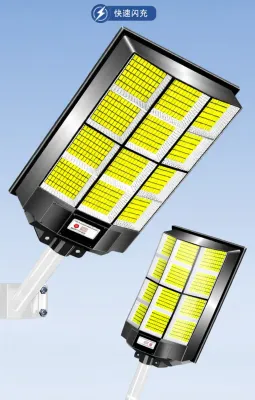
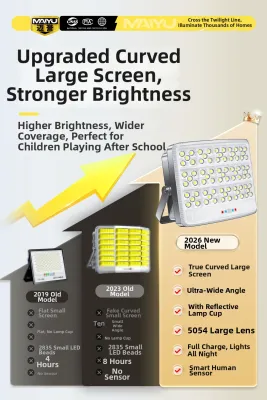
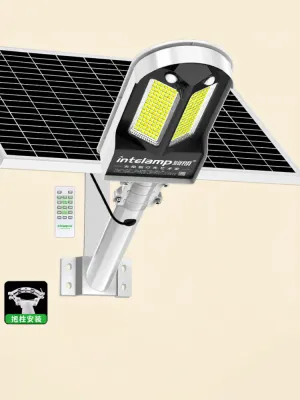
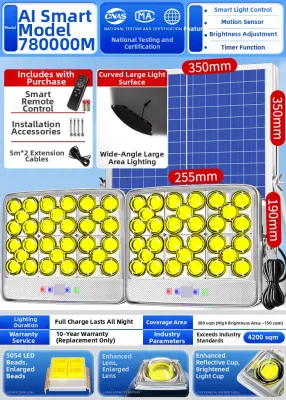
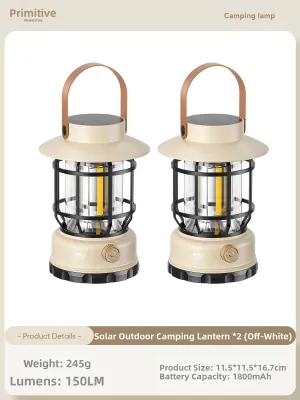
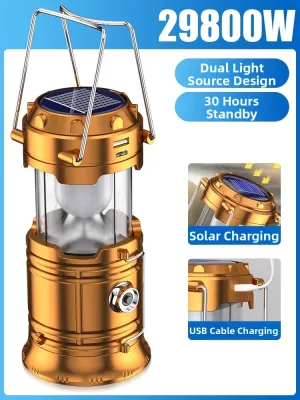
Prices are valid at publication and may change. Please refer to the product page for the latest price.
Spotlights and floodlights serve as functional security lighting or as a way to highlight specific landscape features like trees, palms, and statues. Spotlights produce a narrow, concentrated beam of light that you can aim at a specific focal point to create dramatic shadows and depth. Floodlights, on the other hand, cast a wide, high-intensity beam over larger areas such as gates, driveways, or dark corners, often incorporating motion sensors to deter unwanted visitors.
Decorative string lights, lanterns, and torches are ideal for adding warmth and character to patios, pergolas, and outdoor seating areas. Festoon or fairy string lights can be draped overhead to create an inviting atmosphere for evening gatherings and family dinners. Solar lanterns and flickering torches can be hung from hooks or placed on tables, offering a soft, ambient glow that mimics natural flame without the associated fire hazards.
Wall-mounted solar sconces provide vertical illumination along exterior walls, perimeter fences, gates, and entryways. These fixtures help define the boundaries of your property and illuminate transition zones between the indoors and outdoors. Because they are mounted directly to flat surfaces, they keep walkways clear of obstructions while casting light downward or upward to accentuate architectural textures.
Evaluate Key Performance and Weather Resistance Specifications
Before purchasing any solar lighting system, it is essential to verify its technical specifications on the packaging to ensure it can handle the local environment and deliver adequate light. Relying solely on product photos can lead to purchasing fixtures that are either too dim or highly susceptible to water damage.

Brightness is measured in lumens rather than watts, which only indicate power consumption. For subtle decorative accents along pathways, fixtures offering 10 to 100 lumens are generally sufficient. For task-oriented areas or security zones like driveways and gates, look for spotlights or floodlights that deliver 100 to over 1000 lumens to ensure clear visibility.
Battery capacity, measured in milliampere-hours (mAh), directly dictates how long the light can operate after a full day of charging. Check the product specifications to see if the fixture uses built-in, sealed battery packs or standard replaceable rechargeable batteries, such as AA or AAA Nickel-Metal Hydride (NiMH) or 18650 Lithium-ion (Li-ion) cells. Fixtures with accessible, replaceable battery compartments are highly preferable, as they allow you to swap out degraded batteries and extend the overall lifespan of the light.
Solar panel efficiency determines how quickly and effectively the system converts sunlight into electrical energy. Monocrystalline solar panels are highly efficient, typically converting 15% to 22% of sunlight, making them the preferred choice for areas with frequent cloud cover or partial shade. Polycrystalline panels are slightly less efficient but offer a cost-effective alternative for wide-open spaces that receive unobstructed, direct sunlight for most of the day.
Weather resistance is a critical factor in the tropical climate of the Philippines, where heavy downpours and high humidity are common. Always check the Ingress Protection (IP) rating on the product packaging. For general outdoor use in garden beds and along paths, look for a minimum rating of IP65, which indicates protection against dust and low-pressure water jets. For ground-level lights that may experience temporary pooling water during heavy rains, an IP67 rating is recommended to prevent water ingress and electrical failure.
Additionally, verify the electrical certifications, voltage compatibility, and physical dimensions of any integrated charging components. Ensure that any product you select lists clear safety certifications from recognized testing bodies on its label. If the system includes a separate plug-in charger or hybrid power backup, confirm that the voltage limits match local household standards before connecting them to any indoor outlets.
Plan Placement to Maximize Sunlight and Lighting Effect
Proper placement is the key to ensuring your solar lights charge fully during the day and perform beautifully at night. Even the highest-quality solar light will fail to illuminate if its panel is blocked from receiving adequate sunlight.
Begin by assessing the daily sunlight patterns in your yard, keeping in mind that the sun’s path changes throughout the year. Avoid placing solar panels directly under dense tree canopies, large shrubs, or deep roof overhangs that cast persistent shadows. To achieve a full charge, most solar panels require at least six to eight hours of direct, unobstructed sunlight daily.
If you must illuminate a permanently shaded area, such as a covered walkway or a dense garden corner, look for split-panel solar light systems. These configurations feature a separate solar panel that you can mount in a sunny, high-exposure spot, connected to the light fixture via a long, weatherproof extension cable. This allows you to place the light exactly where it is needed while keeping the charging panel in direct sunlight.
When installing path lights, careful spacing is necessary to avoid creating a harsh, runway-like glare or leaving dark, unsafe gaps along the walkway. A good rule of thumb is to space path lights approximately six to eight feet apart, alternating them on opposite sides of the path. This staggered layout creates a balanced, winding visual flow that guides the eye naturally without overwhelming the space with excessive brightness.
Selecting the right color temperature is a matter of personal preference and functional need, as different temperatures alter the spatial effect of your garden. Warm white light (2700K to 3000K) creates a soft, cozy, and relaxing ambiance, making it ideal for entertainment areas, patios, and decorative garden beds. Cool white light (5000K to 6500K) provides high-contrast, crisp visibility, which is highly suited for security floodlights, driveways, and perimeter walls where safety is the primary concern.
Follow Safe Installation and Routine Maintenance Practices
Installing solar garden lights is generally a straightforward task, but following safe practices and establishing a routine maintenance schedule will protect your investment and prevent damage to your property.
When installing ground-stake lights, never force the plastic or metal stakes directly into hard, dry soil, as this can easily bend or snap the components. Instead, moisten the ground thoroughly with water beforehand to soften the soil, or use a narrow tool to create a pilot hole first. Be extremely mindful of underground utilities, irrigation lines, or shallow root systems of nearby trees to avoid causing accidental damage during installation.
Routine cleaning is essential to maintain charging efficiency, especially in tropical environments where dust, pollen, bird droppings, and salt spray can quickly coat the solar panels. Wipe the panels down at least once a month using a soft, damp microfiber cloth and mild, soapy water. Avoid using abrasive scrubbers, harsh chemical cleaners, or dry cloths, as these can scratch the protective surface of the panel and permanently reduce its ability to absorb sunlight.
Battery care is another vital aspect of long-term maintenance, particularly during prolonged periods of heavy rain or typhoons. If the weather forecast predicts consecutive days of severe storms, it is wise to turn off the lights and store them indoors to prevent water damage from extreme wind-driven rain. If you store the fixtures for an extended period, remove the batteries to prevent corrosion and leakage, and check the manufacturer’s guidelines for proper storage conditions.
While most stake-mounted and decorative solar lights are perfect for DIY installation, certain scenarios require professional assistance. For high-mounted fixtures, heavy suspended chandeliers, structurally complex setups, or solar systems that integrate with your home’s fixed electrical wiring, always consult a qualified professional. Working at heights or handling fixed wiring presents significant safety risks, making power-isolation, strict adherence to installation instructions, and professional expertise absolutely necessary.
Frequently Asked Questions (FAQ)
Do solar lights work effectively during the rainy season?
Yes, solar lights can still function during the rainy season, but their performance will be noticeably reduced due to persistent cloud cover. Because clouds filter out a significant portion of direct sunlight, the solar panel will charge at a lower rate, resulting in shorter run-times and dimmer light output at night. To mitigate this seasonal drop in performance, choose high-quality fixtures equipped with efficient monocrystalline solar panels and higher-capacity batteries (measured in mAh) that can maximize energy absorption even on overcast days.
Can I replace the batteries in solar garden lights?
Whether you can replace the batteries depends entirely on the design of the specific fixture. Many budget-friendly solar lights feature sealed, integrated battery packs that cannot be removed without permanently damaging the housing. However, higher-quality models are designed with accessible battery compartments that allow you to replace the rechargeable cells once they reach the end of their lifespan. When replacing batteries, you must match the battery chemistry (such as NiMH or Li-ion), voltage, and physical size exactly as specified on the product label or in the manufacturer’s instruction manual, and always dispose of old batteries safely at local recycling centers.
Community discussion
Share your experience or ask a question. Comments are reviewed before publication.