
Choosing the right Apollo track light for a Filipino home depends on matching specific track head specifications—such as beam angle, color temperature, and glare control—to the functional demands of each room. Kitchens require high-intensity, high-CRI task lighting to facilitate safe food preparation, while living rooms benefit from a flexible mix of wide-angle ambient washes and narrow accent spots to highlight decor. Bedrooms demand warm, low-glare, or baffled fixtures to maintain a restful, calming atmosphere. Before purchasing any Apollo light fixtures, homeowners must verify their ceiling’s junction box capacity, structural support, and the specific track system standard to ensure a safe, compatible installation.
Essential Electrical and Physical Specifications to Verify
Before purchasing any Apollo track lighting components, you must verify the electrical compatibility of your home’s wiring system. In the Philippines, the standard residential electrical supply operates at 220V to 240V at 60Hz. Ensure that any track rails, connectors, and individual track heads you select are explicitly rated for this voltage range to prevent premature driver failure, overheating, or electrical hazards.
Track lighting systems are not universally interchangeable, as they rely on specific track standards. The most common configurations are H-type (three-contact), J-type, and L-type tracks, though some manufacturers utilize proprietary track designs. You must inspect the track profile and the connector on the Apollo track head to ensure they match perfectly; an incompatible head will either fail to lock mechanically or fail to make safe electrical contact with the internal copper busbars.
Products mentioned in this guide
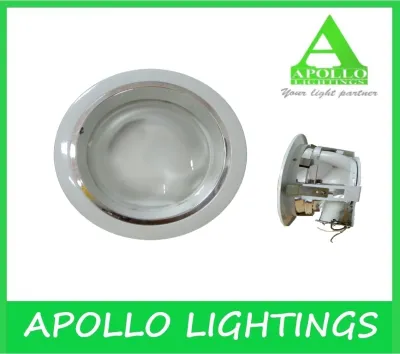
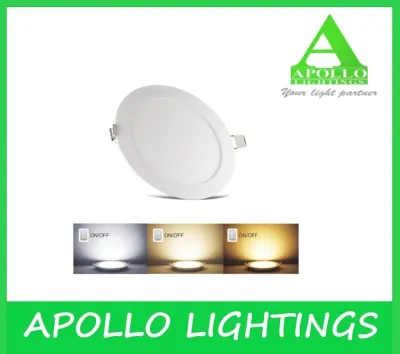
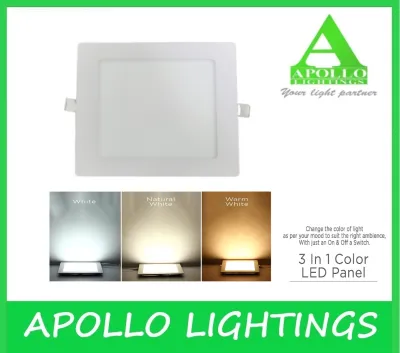
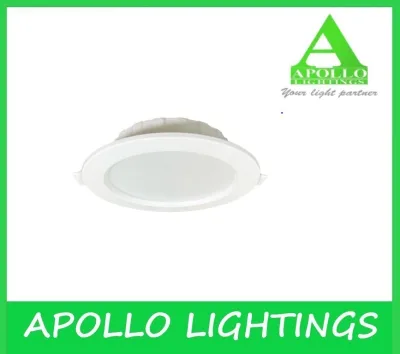
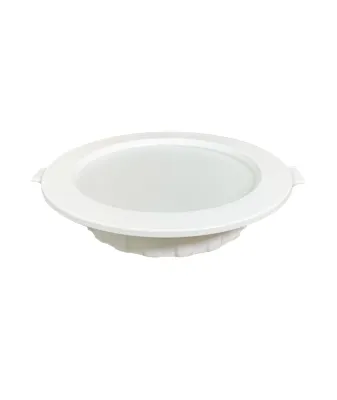
Prices are valid at publication and may change. Please refer to the product page for the latest price.
Calculating the total electrical load of your planned track system is critical for safety. Every track rail has a maximum wattage limit, which is determined by the gauge of its internal wiring and the rating of the feed connector. Add up the wattage of all the Apollo track heads you intend to install on a single rail, and verify that this total does not exceed 80 percent of the track’s rated capacity or the capacity of the branch circuit breaker protecting that line.
Physical mounting constraints vary significantly depending on the construction of your ceiling. Filipino homes commonly feature either solid concrete slab ceilings or suspended gypsum and Hardiflex ceilings. Concrete slabs require heavy-duty masonry anchors and precise drilling, while hollow suspended ceilings require toggle bolts or direct anchoring into the metal furring channels to support the physical weight of the track and multiple fixtures without sagging over time.
Kitchen Lighting: Prioritizing Task Illumination and Color Accuracy
Kitchens are high-activity zones that demand bright, focused illumination to ensure safety during food preparation, chopping, and cooking. To achieve this, select Apollo track heads with narrow to medium beam angles, typically ranging from 24 to 36 degrees. These tighter beams concentrate the light downward onto countertops, kitchen islands, and sink areas, providing the necessary visibility for detailed tasks.

Color accuracy is another critical factor when preparing meals. When evaluating Apollo light fixtures, check the product packaging or specifications for the Color Rendering Index (CRI). A high CRI rating, ideally CRI 90 or above, ensures that fresh ingredients, meats, and vegetables appear in their true, natural colors, which helps you assess food freshness and cooking progress accurately.
Strategic positioning of the track rail is essential to prevent frustrating shadows. If the track is installed directly behind where you normally stand at the counter, your body will block the light and cast a shadow over your workspace. To avoid this, mount the track rail slightly forward of the counter edge, or use adjustable track heads angled from the sides to illuminate the work surfaces cleanly without obstruction from overhead cabinets.
In tropical climates, kitchens can accumulate significant heat and humidity from cooking. Ensure the track heads you select feature robust aluminum heat sinks to dissipate heat efficiently. Proper thermal management prevents the LED chips and internal drivers from degrading prematurely under warm, humid conditions, ensuring the long-term reliability of your kitchen lighting.
Living Room Lighting: Layering Ambient and Accent Fixtures
The living room is a multi-functional space used for family gatherings, entertainment, and relaxation. To accommodate these diverse activities, you should design a layered lighting scheme using a combination of different Apollo track heads on a single rail. This flexibility allows you to adjust the lighting layout as your furniture arrangement or decorative preferences change.
For general ambient lighting, select track heads with wide beam angles of 60 degrees or more, or utilize linear track light modules that distribute light evenly across the room. To create visual interest and depth, pair these with narrow spot track heads (15 to 24 degrees) aimed at architectural features, family photos, indoor plants, or artwork displayed on the walls.
Integrating dimmable Apollo track heads allows you to transition the living room from a bright, active space to a cozy home theater environment. Before purchasing, verify whether the track heads support leading-edge (triac) or trailing-edge dimming, and ensure your wall-mounted dimmer switch is fully compatible with the LED drivers to prevent annoying flickering, buzzing, or strobing.
To maintain a comfortable environment, position and angle the track heads carefully to avoid direct glare. Avoid pointing fixtures directly at primary seating areas or toward television screens, where they can cause distracting reflections. Instead, direct the light toward vertical surfaces like walls or curtains, which bounces the light softly back into the room and creates a warm, inviting glow.
Bedroom Lighting: Maximizing Comfort and Glare Control
Bedrooms require a soft, glare-free lighting environment that promotes relaxation and supports natural sleep cycles. When selecting Apollo track lights for the bedroom, look for fixtures designed with deep-recessed light sources, honeycomb louvers, or baffled track heads. These design features physically shield the light source from your direct line of sight, preventing harsh glare when you are lying in bed.
Color temperature plays a vital role in preparing the body for rest. Opt for warm white light, specifically between 2700K and 3000K, for bedroom track fixtures. Warm light mimics the natural sunset, helping to signal to your brain that it is time to wind down, whereas cool white or daylight color temperatures can suppress melatonin production and disrupt your sleep patterns.
Avoid installing track rails directly over the bed. Instead, position the tracks along the perimeter of the room or near wardrobes and closets. Aim the adjustable track heads toward wardrobe doors to help you select clothing, or direct them toward reading nooks and perimeter walls to create a gentle, indirect ambient glow that fills the room without straining your eyes.
If you enjoy reading in bed, adjustable track heads can serve as excellent directional reading lights. Position a track head near the headboard and adjust it to a narrow beam angle, directing the light precisely onto your book. This localized task lighting allows you to read comfortably without illuminating the entire room or disturbing a sleeping partner.
Installation Boundaries and Electrical Safety Checks
While adjusting or clipping Apollo track heads onto an existing, active track is a simple task, installing the track system itself involves working with live electrical wiring. Before beginning any installation, modification, or maintenance, you must turn off the main power supply at your home’s circuit breaker panel. Use a reliable non-contact voltage tester on the wires to verify that the circuit is completely dead before proceeding.
Ensure that the existing electrical junction box in your ceiling is securely anchored to the structural framing of the house and is rated to support the physical weight of the track rail and all attached fixtures. A standard plastic junction box designed only for lightweight single-bulb fixtures may fail under the weight of a long metal track, leading to structural sagging or electrical failure.
Certain installation scenarios strictly require the expertise of a licensed electrician. If your project involves running new electrical conduits through solid concrete ceilings, upgrading your home’s main circuit breaker panel, or installing complex multi-circuit track systems, do not attempt a DIY installation. Hiring a qualified professional ensures compliance with the Philippine Electrical Code and guarantees a safe, long-lasting setup.
Always follow the manufacturer’s official installation manual for your specific Apollo track system. Pay close attention to grounding instructions, as proper grounding is essential to protect your family from electrical shocks in the event of a fixture malfunction. Ensure all mechanical joints, track connectors, and end caps are securely locked in place to maintain electrical continuity and structural integrity.
Frequently Asked Questions (FAQ)
Can I mix different Apollo track head styles on the same track?
Yes, you can mix different styles of Apollo track heads on the same rail, provided they are all designed for the same track system standard (such as H-type) and operate on the same voltage. Mixing adjustable spotlights, linear flood modules, and pendant adapters allows you to customize your lighting layout. However, you must verify that the combined wattage of all installed fixtures does not exceed the maximum rated electrical load of the track rail or the capacity of the branch circuit breaker.
How do I clean and maintain track light fixtures safely?
To clean your track light fixtures safely, first turn off the power at the wall switch and allow the track heads and LED modules to cool down completely to avoid burns. Use a dry or slightly damp microfiber cloth to gently wipe away dust and tropical humidity residue from the exterior of the fixtures and the track rail; never use harsh chemical solvents, abrasive pads, or spray water directly onto the track, as this can damage the finish and cause electrical short circuits. Periodically inspect the track system for any signs of sagging, loose mechanical connections, or flickering lights, which are indicators that you should stop using the system and consult a professional electrician.
Community discussion
Share your experience or ask a question. Comments are reviewed before publication.