
To create the ideal ambiance on a small condo balcony using Aimo Home lighting, you must select compact, weather-resistant fixtures that match your balcony’s physical dimensions, mounting options, and power access. Because space is limited, the most effective approach is to utilize vertical and perimeter surfaces—such as walls and railings—or compact hanging options that preserve valuable floor space while providing soft, glare-free illumination. By focusing on proper scale and safety specifications, you can transform a compact outdoor area into a cozy, inviting retreat.
Evaluating the physical constraints of your balcony and understanding how to verify product specifications are the most critical steps in this process. Rather than choosing fixtures based solely on aesthetics, a systematic approach to space-matching ensures your lighting is both functional and safe for long-term outdoor use.
Assessing Your Condo Balcony Space and Lighting Needs
Before purchasing any Aimo Home lighting fixtures, you must measure the physical boundaries of your balcony. Use a tape measure to record the exact floor area, the height of the walls, and the width and thickness of your balcony railings. These measurements prevent you from buying fixtures that project too far outward, which can restrict your physical movement or make the space feel cramped.
Products mentioned in this guide
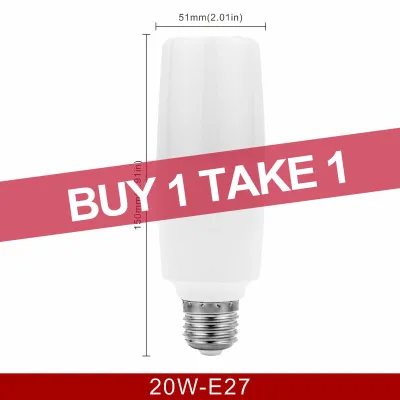
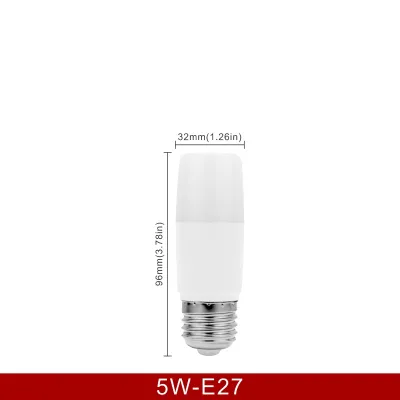
Prices are valid at publication and may change. Please refer to the product page for the latest price.
Next, locate your outdoor power sources and plan your cable routing. Many condo balconies in the Philippines feature a single weatherproof outlet, while others have no outdoor outlets at all, requiring power to be drawn from an indoor source. Note the distance from the outlet to your planned fixture locations to determine if the product’s integrated cord is long enough, or if you will need an outdoor-rated extension cord.
Finally, define your primary ambiance goal to determine the required light distribution and intensity. If you intend to use the balcony for quiet reading, you will need focused, downward-directed light. For a relaxing lounge atmosphere, soft, diffused accent lighting distributed along the perimeter or walls is more appropriate.
Evaluating Aimo Home Lighting Categories for Compact Spaces
Aimo Home offers various lighting categories, but not all form factors suit a compact balcony. To maximize your limited square footage, prioritize fixtures that mount to existing structures rather than occupying floor space. Comparing wall-mounted, railing-mounted, and hanging options allows you to layer light without cluttering your walking path.

When browsing Aimo Home products on your preferred ecommerce platform, carefully check the product descriptions for physical dimensions and visual weight. A fixture might look small in a stylized photo, but its actual depth or diameter could overwhelm a narrow balcony. Look for slim profiles that sit flush against walls or hug the railing closely to maintain an open feel.
You must also evaluate the light spread and brightness of each fixture relative to your balcony’s square footage. High-wattage bulbs or unshielded light sources can create harsh glare in tight spaces, reflecting intensely off glass sliding doors. Opt for low-wattage, warm-toned lights or fixtures with built-in diffusers to maintain a cozy, inviting atmosphere.
Wall-Mounted and Railing-Mounted Options
Wall-mounted sconces and railing-mounted lights from Aimo Home are excellent for preserving floor space. Before buying, verify the mounting hardware requirements to ensure they can be securely attached to your balcony’s specific wall material, whether it is concrete, brick, or siding. For railing lights, measure your railing’s thickness and profile to confirm the mounting brackets or straps will fit snugly without slipping.
Look for fixtures that feature adjustable heads or directional light paths. Directing the light downward or inward toward the balcony floor helps contain the illumination within your personal space. This directional control not only enhances the cozy ambiance but also prevents light pollution from disturbing your neighbors in adjacent condo units.
Freestanding and Hanging Compact Fixtures
If you prefer freestanding lanterns or hanging string lights, you must carefully assess their physical footprint and clearance. For tabletop or floor lanterns, choose models with a narrow base that can sit securely on a small side table or in a corner without blocking foot traffic. For hanging pendants or string lights, ensure there is sufficient vertical clearance so taller guests do not bump their heads.
Managing cords and verifying weather resistance are critical steps for these fixtures. Review the product label to confirm the cord length and check if the fixture is rated for outdoor exposure. Hanging lights must be securely anchored to withstand sudden wind gusts, which are common on higher condo floors during the tropical wet season.
Critical Space-Matching and Safety Checks
Electrical safety is paramount when installing lighting on an outdoor balcony, even if it is partially covered. You must verify the outdoor suitability of any Aimo Home fixture by checking its Ingress Protection (IP) rating. Look for an IP rating of at least IP44, which indicates protection against splashing water from all directions, and ensure the materials are corrosion-resistant to withstand high humidity.
When selecting your fixtures, verify the voltage, base or interface type, wattage limits, and physical dimensions. You must also confirm the dimming method if you plan to adjust brightness levels, and check for official electrical certifications to ensure the product meets local safety standards. Confirm that the electrical specifications match the standard residential voltage in the Philippines, which is typically 220V at 60Hz.
Always review the manufacturer’s installation instructions for weight limits and structural mounting requirements before beginning. If your chosen fixture requires drilling into concrete walls or ceiling slabs, check your condominium association’s guidelines first. For any installations involving fixed wiring, damp areas, work at height, or suspended loads, always prioritize safety by isolating the power supply, strictly following the manufacturer’s installation instructions, and hiring a qualified professional to complete the work.
Common Sizing and Placement Mistakes to Avoid
One of the most common mistakes is choosing oversized statement pieces that dominate the balcony’s limited footprint. A large, heavy lantern or a wide pendant light can make a small space feel even smaller and restrict your physical movement. Stick to scaled-down, minimalist designs that complement rather than crowd the area.
Poorly routed power cords present a significant hazard and can ruin the clean aesthetic of your balcony. Avoid running cords across high-traffic walkways or leaving them dangling loosely where they can catch on furniture or plants. Secure all cables along walls or railings using weather-safe, non-destructive fasteners.
Finally, avoid visual clutter by limiting the variety of light styles you install. Mixing too many different designs, such as combining modern industrial sconces with rustic fairy lights and colorful lanterns, creates a chaotic look. Stick to a cohesive design theme and a consistent color temperature, preferably warm white, to achieve a harmonious and relaxing ambiance.
Frequently Asked Questions (FAQ)
Can I use indoor Aimo Home lights on a covered condo balcony?
No, you should not use indoor-rated Aimo Home lights on a covered balcony. Even if the balcony is protected from direct rain, outdoor environments in the Philippines are subject to high humidity, temperature fluctuations, and wind-blown moisture. Indoor electrical components lack the necessary seals to prevent moisture ingress, which can lead to short circuits, corrosion, and electrical hazards. Always check the manufacturer’s explicit environmental ratings to ensure the product is certified for outdoor use.
How do I manage power cords for Aimo Home balcony lights without drilling?
If you are renting or your condo association prohibits drilling, you can manage power cords using non-permanent, weather-safe solutions. Look for outdoor-rated adhesive cable clips or heavy-duty hook-and-loop straps that can attach to your balcony railing or wall surfaces without causing damage. Before purchasing, check the product specifications for cord length to ensure you can route the cable neatly along the perimeter of your balcony to the nearest outlet.

Community discussion
Share your experience or ask a question. Comments are reviewed before publication.