
The best ambient lighting options for a small condo balcony are compact, weather-resistant fixtures that maximize vertical space without cluttering the floor. These typically include solar-powered railing lights, battery-operated LED lanterns, and low-wattage plug-in string lights. In the Philippines, where high humidity, heavy seasonal rains, and warm tropical breezes are constant, selecting the right outdoor lighting requires balancing aesthetic appeal with strict weatherproofing and safety standards. Choosing the ideal setup involves assessing your balcony’s layout, understanding your building’s electrical and structural rules, and verifying product specifications to ensure a safe, cozy outdoor retreat.
Assessing Your Balcony Space and Power Access
Condo balconies are premium real estate where every square inch counts. Before purchasing any outdoor lighting, measure the physical dimensions of your floor, railings, and ceiling. Walkways must remain completely clear of cords and bulky fixtures to prevent tripping hazards and maintain emergency egress.
Locate your nearest power source. Many high-rise units do not feature pre-installed outdoor electrical outlets. If you plan to run a cord from an indoor outlet, check your condominium association’s house rules. Many properties strictly prohibit visible wiring running along exterior walls or hanging over railings due to aesthetic guidelines and safety hazards.
Products mentioned in this guide
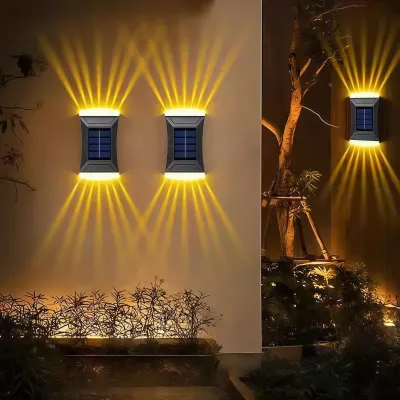
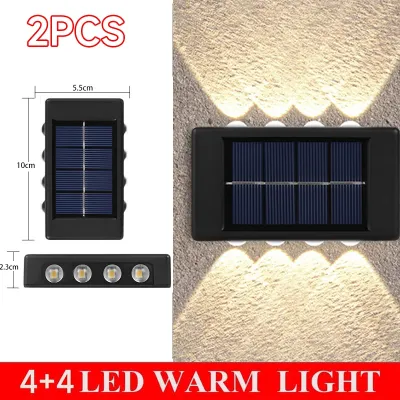
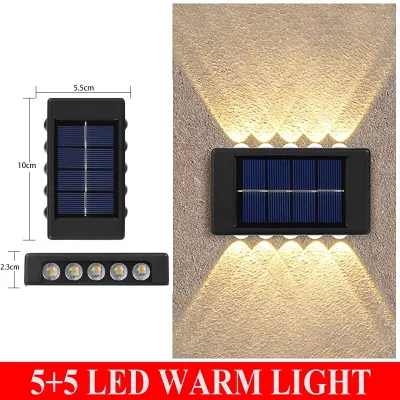
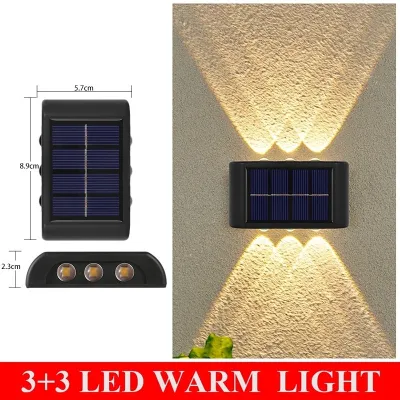
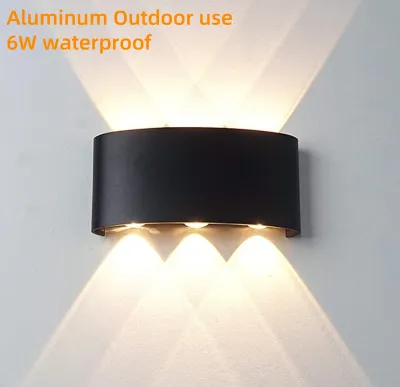
Prices are valid at publication and may change. Please refer to the product page for the latest price.
Observe how much direct sunlight your balcony receives throughout the day. High-rise buildings often cast deep shadows, meaning a north-facing or deeply recessed balcony might not receive enough direct sunlight to charge solar-powered fixtures. Additionally, consider exposure to wind and driving rain, especially during the monsoon season, which will dictate the level of weather protection your fixtures require.
Space-Saving Ambient Lighting Types for Compact Balconies
Selecting the right lighting type requires balancing convenience with reliability. Cordless options offer unmatched placement flexibility and eliminate unsightly cables, but they require regular battery changes or consistent sunlight. Wired options provide steady, uninterrupted illumination but demand close proximity to a safe power source and careful cable management.

To keep your limited floor space entirely free for seating or plants, focus on vertical and elevated mounting strategies. Utilizing railings, walls, and ceiling structures allows you to cast a warm glow downward or outward, creating an illusion of a larger space while keeping the ground clear.
Solar-Powered and Battery-Operated Fixtures
Solar-powered fixtures are highly convenient if your balcony receives several hours of direct, unobstructed sunlight daily. If your space is shaded by neighboring towers or a deep concrete overhang, battery-operated LED fixtures offer a reliable alternative. When choosing battery-powered models, look for energy-efficient LED bulbs to minimize the frequency of battery replacements and reduce long-term maintenance costs.
Because tropical weather in the Philippines brings intense downpours and high humidity, verifying the Ingress Protection (IP) rating on product packaging is essential. Look for fixtures rated at least IP44, which protects against water splashes from any direction, or IP65 for superior protection against heavy rain and dust. Avoid unrated fixtures, as moisture ingress can quickly cause short circuits or corrosion.
Maximize your vertical surfaces by selecting solar or battery fixtures designed for specific mounting styles. Railing clips allow you to secure small solar cap lights directly to the balustrade, while hanging hooks are perfect for suspending lightweight battery lanterns from overhead beams. Compact, weighted freestanding designs can also be tucked into corners where they will not interfere with foot traffic.
Plug-In String Lights and Compact Lanterns
If your balcony has a safe, outdoor-rated outlet, plug-in string lights can provide beautiful, continuous ambient illumination. Measure the distance from the outlet to your desired mounting points before purchasing to ensure the cord reaches comfortably without tension. Avoid daisy-chaining multiple extension cords across walkways, as this creates a severe tripping hazard and increases the risk of water exposure at connection points.
To create a relaxing, cozy atmosphere that mimics a high-end lounge, pay close attention to the color temperature specified on the product packaging. Look for warm white light, typically between 2200K and 2700K. Cooler temperatures above 4000K can feel clinical and harsh in a confined outdoor setting, while warm tones promote relaxation and blend beautifully with natural wood or plant decor.
Ensure that any plug-in fixture you select is explicitly labeled for outdoor use. Look for heavy-duty, weather-resistant rubberized cabling rather than thin plastic wires. Additionally, prioritize shatterproof plastic LED bulbs over traditional glass bulbs; high winds can cause string lights to sway against concrete walls or metal railings, and shatterproof materials prevent dangerous debris on your balcony floor.
Key Selection Criteria for Condo Outdoor Lighting
When purchasing outdoor lighting in the Philippines, always verify that the voltage rating matches the standard local utility supply of 220V at 60Hz. Importing fixtures from regions with different electrical standards can lead to immediate product failure or electrical hazards unless a compatible transformer is used. Check that the plug type matches your outlet configuration safely without loose connections.
In confined balcony spaces, heat buildup can become a safety concern, especially if lights are placed near synthetic plants, outdoor fabrics, or wooden privacy screens. Check the manufacturer’s label for the maximum wattage and heat output. Low-wattage LED fixtures are highly recommended, as they remain cool to the touch even after hours of operation, significantly reducing fire risks.
To maximize the versatility of your small space, look for lighting options with dimming capabilities or smart controls. Being able to adjust the brightness allows you to transition the balcony from a bright reading nook to a soft, low-lit evening retreat without needing to install multiple physical fixtures. Many modern smart plugs and bulbs allow you to control schedules and brightness levels directly from a smartphone app.
Before finalizing your lighting design, review your condominium association’s deed of restrictions. Many properties enforce strict rules regarding exterior light brightness, glare that might disturb neighbors, and visible fixtures that alter the building’s uniform facade. Choosing low-lumen, downward-directed lights helps ensure your setup remains compliant while respecting your neighbors’ privacy.
Installation and Safety Boundaries for Condo Residents
As a condo resident, protecting the building’s structural integrity and waterproofing layers is paramount. Never drill holes into structural concrete walls, columns, or exterior ceilings, as this can compromise waterproofing membranes and lead to water leaks during heavy rains. Modifying fixed building wiring or altering the exterior facade without explicit written permission from the property management is almost always prohibited.
Opt for non-damaging, removable mounting solutions that secure your lighting without leaving permanent marks. Tension rods can be wedged vertically or horizontally to hang string lights, while heavy-duty, UV-resistant zip ties are excellent for securing cables to metal railings. Weighted bases for small lanterns or freestanding poles can also provide stability against strong winds without requiring any drilling.
Know when to stop and call in a qualified professional. If your balcony lacks an outdoor outlet and you require a new, dedicated exterior power source, do not attempt to run permanent wiring yourself. Consult a licensed electrician to install a proper outdoor-rated outlet with a Ground Fault Circuit Interrupter (GFCI) and a weatherproof cover to ensure complete safety from moisture.
Carefully plan the routing of all electrical cords to keep them completely clear of high-traffic paths, sliding door tracks, and furniture movement zones. Ensure that no cords run through areas where water naturally drains or pools during heavy downpours. Securing cables tightly along the perimeter of the balcony using outdoor-rated adhesive clips or cable ties prevents physical damage to the wires and eliminates tripping hazards.
Frequently Asked Questions (FAQ)
Can I use indoor lights on a covered balcony?
No, you should never use indoor-rated lights on a balcony, even if the space is fully covered or recessed. Indoor fixtures lack the specialized seals, gaskets, and heavy-duty insulation required to withstand high humidity, ambient moisture, and temperature fluctuations. Over time, exposure to the elements can cause indoor wires to degrade, leading to short circuits, electrical shocks, or fire hazards. Always check the product packaging to confirm the light is certified for outdoor or damp-location use.
How do I clean and maintain outdoor balcony lights?
Regular maintenance helps extend the lifespan of your outdoor lighting and ensures safe operation. Before cleaning, always disconnect the power source or remove the batteries. Wipe solar panels, bulb covers, and fixture surfaces with a soft, damp microfiber cloth to remove dust, pollen, and salt residue. Avoid using harsh chemical cleaners or abrasive pads that could scratch the protective coatings. Periodically inspect all cords, plugs, and housings for signs of wear, cracking, or moisture accumulation, and replace any damaged components immediately.
Community discussion
Share your experience or ask a question. Comments are reviewed before publication.