
Ceramic figurines can beautifully elevate a tropical garden, but leaving them outdoors in the Philippines requires careful material selection. The short answer is yes—certain ceramic figurines can withstand the elements, but only if they are made from the right clay bodies and finished with weather-resistant glazes. Placing an unrated or highly porous ceramic piece in an open garden often leads to rapid cracking, fading, and structural decay.
Understanding the unique environmental stresses of the Philippine climate is the first step to protecting your investment. High humidity, sudden monsoon downpours, and intense solar heat will quickly expose any vulnerabilities in your garden decor. By learning how to identify outdoor-safe materials and applying proper maintenance techniques, you can enjoy these charming accents year-round without risking their destruction.
Understanding Ceramic Types and Weather Resistance
To determine if a ceramic figurine is fit for your garden, you must look beyond the generic “ceramic” label. Ceramics encompass a wide range of clay types, firing temperatures, and manufacturing processes, each resulting in vastly different levels of density and water absorption.
Products mentioned in this guide
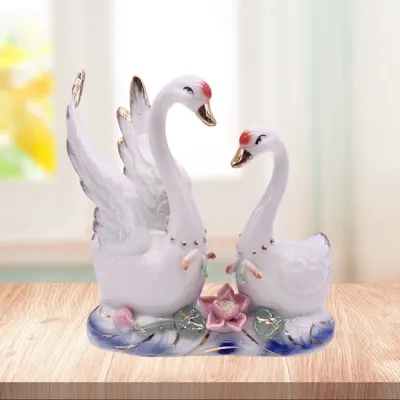
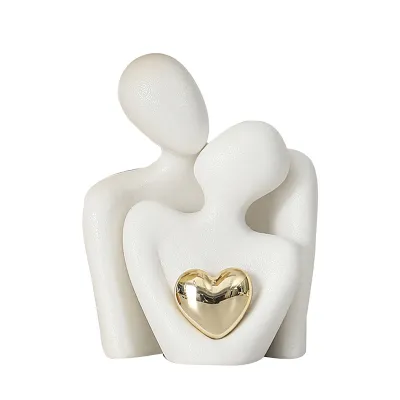
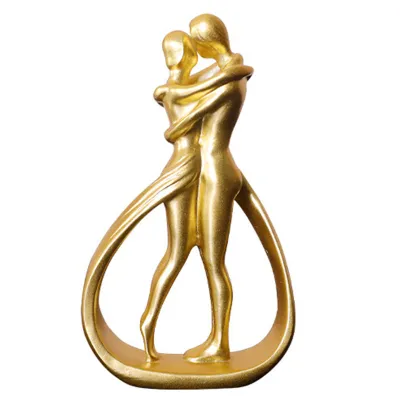
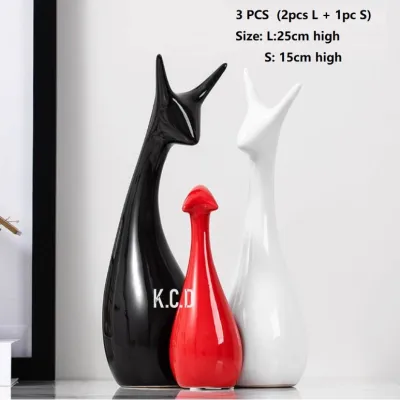
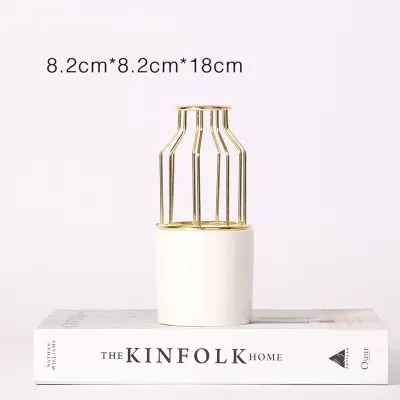
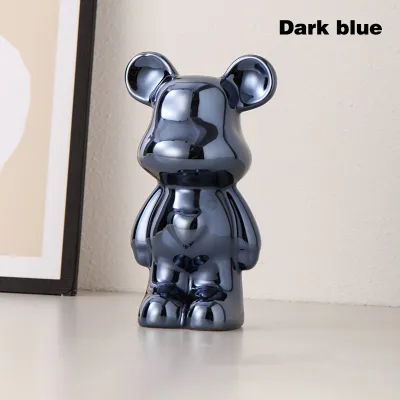
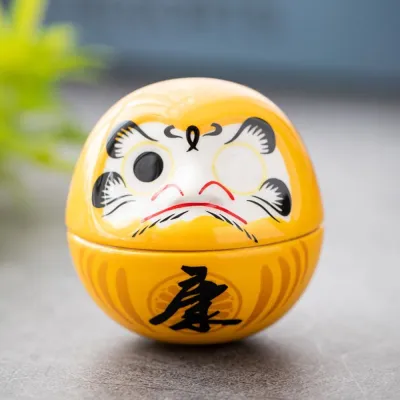
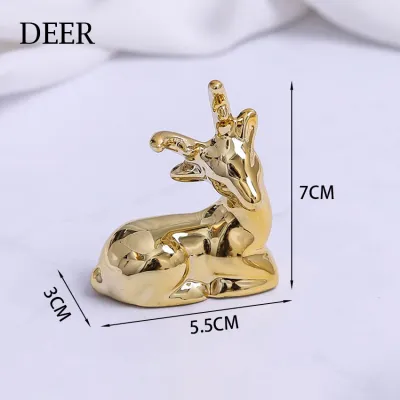
Prices are valid at publication and may change. Please refer to the product page for the latest price.
Earthenware, which includes classic red terracotta, is fired at relatively low temperatures. This process leaves the clay body highly porous, containing thousands of microscopic air pockets that easily absorb moisture. When left outdoors, unsealed earthenware acts like a sponge, drawing in water from the damp soil and surrounding air.
Stoneware is fired at much higher temperatures, causing the clay particles to fuse closely together. This vitrification process significantly reduces porosity, making stoneware dense, heavy, and highly resistant to water penetration. Stoneware figurines are naturally far more durable in outdoor environments because they do not readily absorb ambient moisture.
Porcelain represents the peak of vitrification, made from refined white clay fired at extreme temperatures. The resulting material is almost completely non-porous, glassy, and exceptionally hard. While porcelain figurines are highly weather-resistant, their delicate structures and glass-like brittleness mean they require secure placement to prevent physical breakage.
Relying solely on a generic product label is a common pitfall. Many decorative items sold in retail shops are low-fired earthenware disguised under glossy, superficial paints that eventually peel. To ensure longevity, prioritize figurines explicitly identified as high-fired stoneware or vitrified porcelain, or verify that porous earthenware has been treated with a specialized, multi-layer outdoor sealant.
How Tropical Heat, Heavy Rain, and Humidity Affect Ceramics
The Philippine climate presents a demanding environment for any outdoor decor, characterized by sudden weather shifts and high atmospheric moisture. While temperate regions face freeze-thaw risks, tropical zones introduce distinct physical and biological challenges.

Heavy rainfall is the primary driver of structural degradation in porous ceramics. When a figurine has unglazed sections, microscopic glaze cracks (known as crazing), or an open, unsealed base, rainwater seeps deep into the clay body. Although the Philippines does not experience freezing temperatures that cause ice expansion, trapped water still causes severe damage.
During intense midday heat, water trapped inside a porous figurine heats up rapidly, creating internal steam pressure and thermal expansion. This constant cycle of wetting and rapid drying weakens the internal bond of the clay over time, leading to hidden structural fractures and eventual crumbling.
Tropical heat and intense ultraviolet (UV) radiation also target the exterior finishes of ceramic figurines. Direct sunlight can trigger thermal shock, particularly when a sun-baked figurine measuring over 40°C is suddenly drenched by a cool, heavy afternoon rain shower. This rapid temperature drop causes the glaze and the clay body to contract at different rates, resulting in fine cracks that allow even more water to penetrate.
Furthermore, UV rays break down chemical bonds in non-kiln-fired paints and low-quality glazes, causing bright colors to fade into dull, dusty hues. This aesthetic decline is especially noticeable on budget-friendly mass-market figurines under ₱500, which often rely on simple air-dried acrylic finishes.
High relative humidity creates a perfect breeding ground for biological growth. In a shaded, damp garden, mold, mildew, and green algae quickly colonize porous ceramic surfaces and textured details. While these organisms primarily cause aesthetic discoloration, their root-like structures can slowly degrade unsealed paint layers and trap moisture against the ceramic surface, accelerating the weathering process.
How to Verify if a Ceramic Figurine is Outdoor-Rated
Before placing any ceramic figurine in your garden, a systematic inspection will help you determine whether it can survive the open elements or if it should remain on a sheltered patio.
First, examine the manufacturer’s labels, packaging, or official product documentation. Look for explicit designations such as “outdoor-safe,” “weather-resistant,” or “UV-protected.” Be cautious of vague marketing terms like “hand-painted” or “artisanal,” which frequently signal delicate indoor decorative pieces that lack the necessary industrial glazes or high-temperature firing.
Next, inspect the glaze and the base of the figurine. A truly outdoor-ready piece should feature a continuous, fully sealed glaze layer with no visible pinholes, deep crazing, or exposed raw clay on the main body. Turn the figurine over to check the foot or base; this area is usually unglazed to prevent it from sticking to the kiln shelf during firing. If this base is left completely raw and porous, it will wick moisture directly from the ground unless it is sealed or elevated.
You can also use physical and auditory cues to assess the ceramic type. High-fired stoneware and porcelain are notably heavy for their size and produce a clear, high-pitched ringing sound when gently tapped with a fingernail or a wooden spoon. Earthenware, by contrast, feels lighter, warmer to the touch, and emits a dull, flat thud when tapped, indicating a highly porous internal structure.
Establish a clear decision boundary for your collection. If a ceramic figurine has sentimental value, features intricate, non-kiln-fired surface paint, or displays existing hairline cracks, do not place it in an exposed garden area. Instead, restrict these delicate pieces to fully covered verandas, screened patios, or indoor shelves where they are protected from direct sun and heavy rain.
Best Practices for Placing and Maintaining Outdoor Ceramics
Proper placement and proactive maintenance are essential to extending the lifespan of your outdoor ceramic figurines in a tropical climate. Even highly durable stoneware benefits from strategic positioning that minimizes environmental stress.
Elevation and Drainage Never place ceramic figurines directly on damp soil, grass, or mulch. The unglazed base will continuously wick moisture from the earth, keeping the interior of the clay body perpetually wet. Instead, elevate your figurines by placing them on stone risers, concrete pavers, decorative saucers, or gravel beds. This simple adjustment ensures rapid drainage and prevents water from pooling around the bottom of the piece.
Strategic Shading Position delicate or brightly colored figurines in areas that receive dappled shade rather than harsh, direct midday sunlight. Placing them under the canopy of garden trees, near large leafy shrubs, or beneath the eaves of your home shields them from intense UV radiation and reduces the risk of thermal shock during sudden afternoon downpours.
Monsoon Season Adjustments The Philippine monsoon season brings weeks of relentless rain and high winds. During these periods of prolonged wet weather, temporarily relocate your borderline-suitable or highly valued ceramic figurines to a covered veranda, carport, or indoor storage area. Reducing their exposure during the wettest months of the year significantly extends their structural and aesthetic lifespan.
Safe Cleaning Protocols To maintain the beauty of your garden ceramics, clean them periodically to remove accumulated dirt, bird droppings, and biological growth. Always check the manufacturer’s care instructions before cleaning. If you apply any commercial cleaning product or protective sealer, read and follow the product label carefully.
Use a soft-bristled brush, a gentle sponge, mild dish soap, and warm water to clean the surfaces. Avoid harsh chemical bleach, wire scrubbers, or high-pressure washers, as these aggressive methods can permanently scratch glazes, strip protective sealants, or wash away hand-painted details. If cleaning instructions conflict with the physical state of a delicate or unidentified vintage figurine, stop immediately and consult a professional conservator.
Electrical and Solar Safety For ceramic figurines that feature integrated solar panels, LED lights, or water fountain pumps, extra precautions are mandatory. Always isolate the power source, turn off the switch, and remove any replaceable batteries before performing any cleaning or maintenance. Ensure that the battery compartment seals remain intact and clean to prevent water ingress, which can corrode the terminals and ruin the electronics. If the electrical components show signs of water damage or exposed wiring, discontinue outdoor use immediately and consult a qualified technician.
Suspended Load Safety If you plan to hang ceramic figurines, wind chimes, or hanging planters, ensure you use heavy-duty, weather-resistant nylon cords or rust-proof metal wire anchors. Periodically inspect these hanging mechanisms for wear and tear caused by humidity. For heavy or high-altitude installations, consult a qualified professional to ensure secure anchoring and prevent dangerous falls.
Frequently Asked Questions (FAQ)
Can I leave hand-painted ceramic figurines outside all year round?
Hand-painted ceramic figurines that rely on acrylic, enamel, or other air-dried paints are highly vulnerable to the intense UV rays and heavy rainfall of the Philippine climate. Over time, moisture will seep beneath the paint layer, causing it to bubble, peel, and flake off, while direct sunlight will quickly fade the vibrant pigments.
Unless the manufacturer explicitly states that the paint has been sealed with an outdoor-rated, UV-resistant clear coat, you should not leave hand-painted pieces in fully exposed garden areas year-round. To preserve their appearance, apply an outdoor-rated acrylic sealer according to the manufacturer’s instructions, or place these items in highly sheltered zones like a covered patio or veranda.
How do I safely remove mold or green algae from garden ceramics?
To remove mold, mildew, or green algae without damaging the ceramic glaze, use a gentle, non-abrasive cleaning method. Begin by wiping the surface with a soft cloth or sponge dipped in a mixture of warm water and mild dish soap. For stubborn patches of algae, you can use a mild, diluted white vinegar solution (one part vinegar to four parts water), testing it first on a small, inconspicuous area of the figurine.
After scrubbing gently with a soft-bristled brush, rinse the figurine thoroughly with clean water to remove all soap or vinegar residues. Allow the piece to dry completely in a sunny, well-ventilated spot before returning it to the garden, as placing a damp figurine back into a dark, humid corner will encourage immediate biological regrowth.
Community discussion
Share your experience or ask a question. Comments are reviewed before publication.