
LED branch vine lamps can be used outdoors in the Philippines, but their survival depends entirely on their specific weatherproofing specifications and how they are installed. The country’s tropical climate—characterized by intense heat, high humidity, and torrential rains—will quickly ruin standard indoor decorative lights. To ensure safety and longevity, you must select lights with the correct technical ratings and inspect their physical construction before installation.
Before hanging these decorative vines on a patio, balcony, or garden wall, you must understand how to evaluate their weather resistance. A simple “outdoor use” label on the packaging is rarely enough to guarantee safety during a sudden afternoon downpour or a prolonged wet season. By checking the technical specifications and physical construction of the lights, you can determine if they are truly built to survive the local climate.
Decoding Waterproof Ratings for Tropical Climates
When shopping for outdoor lighting, the most reliable indicator of water resistance is the Ingress Protection (IP) rating. This international standard consists of two numbers that define how well an electrical enclosure protects against solids and liquids. The first digit measures protection against dust and solid objects, while the second digit measures protection against water. Understanding these numbers is essential for choosing lights that can survive tropical weather.
Products mentioned in this guide
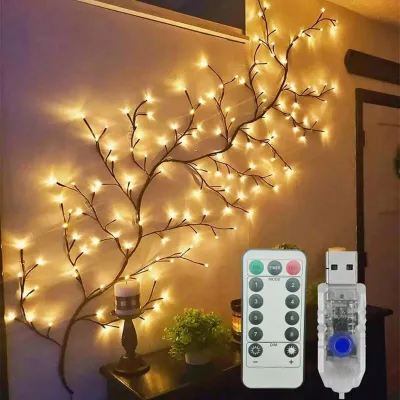
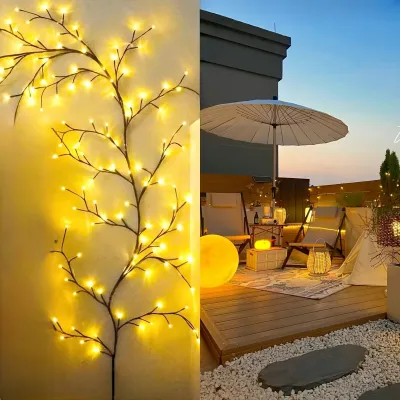

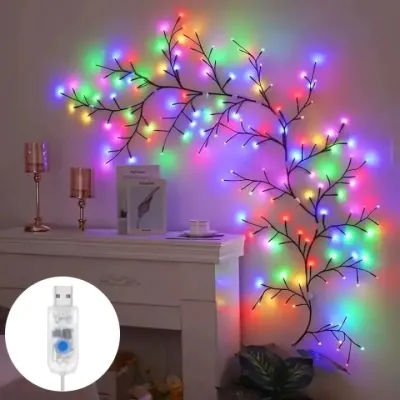
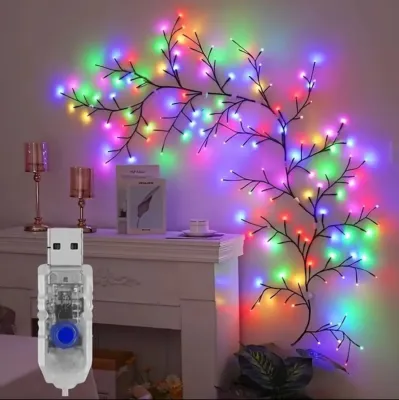
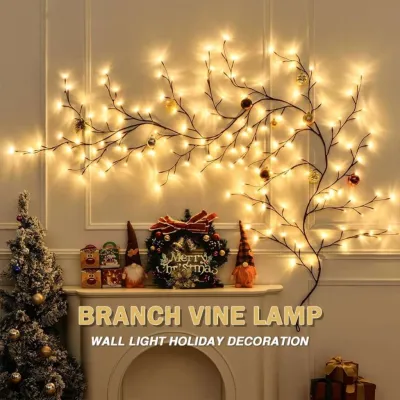
Prices are valid at publication and may change. Please refer to the product page for the latest price.
For outdoor decorative lights in a tropical environment, look for a minimum rating of IP44. An IP44 rating means the product is protected against solid objects larger than one millimeter and splashes of water from any direction. While IP44 lights can handle light rain, they are not designed to withstand heavy downpours or direct water jets. If you plan to install the vine lamps in fully exposed areas, such as an open garden or an unsheltered fence, aim for IP65 or IP67 ratings. An IP65 rating indicates protection against low-pressure water jets, making it much more suitable for heavy tropical storms, while IP67 means the unit can survive temporary immersion in water.
It is critical to remember that an LED branch vine lamp system is only as waterproof as its weakest component. Many products feature highly waterproof LED bulbs and wires but come with a low-rated power adapter or battery box. For example, if the vine itself is rated IP65 but the plug or battery compartment is only rated IP20, the entire system is vulnerable to water damage. Always verify the individual ratings of the light string, the controller box, and the power source before installation.
Physical Features to Inspect for Weather Resistance
Beyond reading the technical specifications on the packaging, a physical inspection of the LED branch vine lamp can reveal its true durability. The materials used in the construction of the vine must be robust enough to handle both high humidity and intense ultraviolet (UV) radiation from the sun. Cheap plastics and thin wires can degrade rapidly when exposed to the elements, leading to short circuits or physical breakage.

Start by examining the wire insulation. Outdoor-rated lights should have thick, flexible rubber or heavy-duty PVC coating rather than thin, brittle plastic. This insulation protects the internal copper wiring from moisture and prevents the sun from cracking the outer layer over time. Bend a small section of the vine gently; it should feel pliable but substantial. If the insulation feels paper-thin or stiff, it is highly likely to crack after a few months of exposure to tropical heat and rain.
Next, inspect all connection points and seals. Look closely at where the individual LED bulbs meet the branch or vine structure. These entry points should be tightly sealed with epoxy resin or fitted with snug rubber gaskets to prevent water from seeping into the electrical housing. If you are using a battery-operated model, check the battery compartment for a thick rubber seal along the lid’s edge. The latch should close tightly, compressing the gasket to form a watertight barrier. Any visible gaps, loose fittings, or missing gaskets are clear signs that the product is not suitable for unsheltered outdoor areas.
Finally, evaluate the structural integrity of the branch or vine framework. These decorative lights are designed to mimic natural climbing plants, which means they often have a wire core wrapped in a brown or green protective tape. Ensure this wrapping is tightly wound and completely covers the internal metal frame. If the wrapping is loose or peeling, water can collect inside, leading to rust and eventual structural failure. The internal wire must also be strong enough to withstand strong winds without snapping or exposing the electrical components.
Safe Installation Practices for Outdoor Spaces
Proper installation is just as important as choosing the right product when it comes to electrical safety outdoors. Even if you purchase high-quality, weather-rated LED branch vine lamps, poor installation can expose them to unnecessary risks. Taking a few precautionary steps during setup will protect your home’s electrical system and extend the lifespan of your decorative lights.
First, always prioritize the placement of the power source. Power adapters, timers, and plug connections should ideally be located in sheltered, elevated areas, such as under a roof eave, inside a weatherproof outdoor outlet box, or on a covered veranda. Never leave plugs or adapters lying on the ground where rainwater can pool. If you must connect the lights to an outdoor outlet, ensure the outlet is protected by a wet-location cover that remains weatherproof even when a plug is inserted.
When running extension cords, ensure they are specifically rated for outdoor use. These cords feature heavier insulation and molded plugs designed to resist moisture. Keep all connection points off the ground by using cable ties or mounting clips to secure them to walls or posts. You can also wrap connection points in specialized weatherproof safety covers designed for extension cords, which provide an extra layer of physical protection against driving rain.
When securing the vine branches to your outdoor structures, use UV-resistant nylon zip ties or insulated mounting clips. Avoid using metal staples or nails, which can easily pierce the wire insulation and create a dangerous shock hazard. Secure the branches firmly so they do not whip around in the wind, but avoid making sharp bends or kinks in the vine. Tight bends can stress the internal copper wiring, leading to broken connections or localized overheating.
For any installation involving fixed outdoor wiring, damp areas, work at height, or integration into your home’s main electrical panel, always isolate the power at the breaker before starting. If you are unsure about the safety of your outdoor outlets or need to install new dedicated circuits, stop the installation and consult a qualified electrician.
Routine Maintenance and Typhoon Season Storage
Maintaining your LED branch vine lamps is essential for keeping them safe and functional throughout the year. The combination of high humidity, dust, and salt air in coastal areas can create a film on the lights that traps moisture and accelerates degradation. A simple maintenance routine can prevent these issues from shortening the lifespan of your decor.
Every few months, disconnect the lights from the power source and wipe down the vines and bulb casings with a dry or slightly damp microfiber cloth. This removes accumulated dust, pollen, and humidity residue that can dull the light output and trap moisture against the seals. Never use harsh chemical cleaners, abrasive pads, or solvents, as these can degrade the protective plastic coatings and rubber gaskets, making them brittle and prone to leaking.
During your regular cleaning, perform a thorough visual inspection of the entire light string. Look for any signs of wear, such as fraying insulation, cracked bulb casings, rust on the metal framework, or exposed copper wire. If you detect any physical damage to the wires or sealed LED units, discard the entire set immediately. Attempting to patch damaged outdoor wiring with electrical tape is highly dangerous, as moisture can still penetrate the tape and cause a short circuit or fire.
The Philippines experiences severe weather, including heavy monsoon rains and typhoons. To protect your investment and ensure safety, always disconnect and store your LED branch vine lamps indoors when a severe weather warning or typhoon is active. Strong winds can easily tear the lights from their mountings, and extreme rainfall can overwhelm even high IP-rated seals. Once the storm passes, ensure the lights and their installation area are completely dry before reinstalling and plugging them back in.
When storing the lights for the season, make sure they are completely dry before coiling them. Any moisture trapped inside the storage container can lead to mold, mildew, and corrosion of the electrical contacts. Coil the vines gently to avoid kinking the internal wires, and store them in a cool, dry place away from direct sunlight.
Troubleshooting Moisture and Heat Damage
Despite your best efforts, outdoor exposure can sometimes lead to moisture or heat damage. Recognizing the early warning signs of electrical issues allows you to address them before they become hazardous.
Common symptoms of moisture ingress include flickering bulbs, dimming, or visible condensation trapped inside the LED casings. If you notice only a portion of the vine is lit, or if the lights behave erratically, water has likely bypassed a seal. If you observe any of these signs, disconnect the power immediately. Do not leave the lights plugged in, hoping they will dry out on their own, as this can lead to permanent damage or a short circuit.
More serious electrical hazards require immediate action. If your outdoor lights trip the residual current device (RCD) or circuit breaker, do not attempt to reset the breaker repeatedly. This is a clear indication of a ground fault, often caused by water bridging an electrical connection. Similarly, if you hear buzzing sounds coming from the adapter or smell burning plastic, unplug the system immediately from a safe distance.
Establish a strict stop-use policy for damaged equipment. Never attempt to open sealed LED bulb units, cut and splice outdoor wires, or repair a damaged power adapter yourself. These components are factory-sealed to maintain their waterproof integrity, and any DIY repairs will compromise their safety. If a section of the vine is damaged, replace the entire unit or consult the manufacturer for an approved replacement part.
Frequently Asked Questions (FAQ)
Can I leave LED branch vine lamps outside all year round?
Continuous year-round outdoor exposure is generally not recommended for decorative LED branch vine lamps unless they carry a high commercial-grade IP rating (such as IP65 or higher) and explicit UV-resistance certifications. Even high-quality lights will experience accelerated wear from constant exposure to intense tropical sun and heavy seasonal rains. To maximize their lifespan, check the manufacturer’s manual for maximum continuous outdoor exposure limits, and plan to take them down during the off-season or periods of extreme weather.
Do solar-powered vine lamps handle heavy rain better than plug-in ones?
Solar-powered models are not inherently more waterproof than plug-in models, as both rely on the quality of their physical seals and IP ratings. Solar-powered lights eliminate the risk of running high-voltage extension cords across wet ground, but their solar panels and battery boxes must still be rated for outdoor use and kept clean to function. Plug-in models offer consistent brightness without relying on sunlight, but they require careful management of outdoor electrical connections and adapters to prevent water ingress.
What should I do if water gets inside the battery box?
If water penetrates the battery compartment of your vine lamps, immediately turn off the device and remove the batteries to prevent short-circuiting and electrolysis. Thoroughly dry the inside of the compartment with a clean cloth and allow it to air-dry completely in a well-ventilated area. Inspect the metal contacts for any signs of rust or white powdery corrosion; if corrosion is present, clean it gently or discard the unit if the damage is severe. Consult the manufacturer’s guidelines before attempting to reuse the device with fresh batteries.
Community discussion
Share your experience or ask a question. Comments are reviewed before publication.