
LED meteor shower rain lights can be durable enough for the Philippine rainy season, but their survival depends heavily on selecting the correct ingress protection rating, verifying the quality of their physical construction, and employing safe installation practices. The local climate presents a demanding environment for outdoor electronics, characterized by sudden tropical downpours, high humidity, strong winds, and intense sunlight before the wet season begins. Without the right specifications and proper setup, standard decorative lights can quickly fail, posing safety hazards or requiring premature replacement.
Understanding how these lights are built to resist water and how to protect their electrical components is essential for any homeowner looking to enhance their outdoor spaces. By focusing on key durability indicators and following safe handling guidelines, you can enjoy the beautiful cascading light effects throughout the wet months without constant worry about weather damage.
Decoding IP Ratings for the Philippine Rainy Season
When shopping for outdoor lighting, the most reliable indicator of weather resistance is the Ingress Protection (IP) rating. This standard classification system consists of two digits that define the level of protection a device has against solids and liquids. The first digit, ranging from zero to six, indicates protection against solid objects like dust and debris. The second digit, ranging from zero to nine, is the critical number to look at for wet environments, as it measures protection against moisture and water ingress.
Products mentioned in this guide
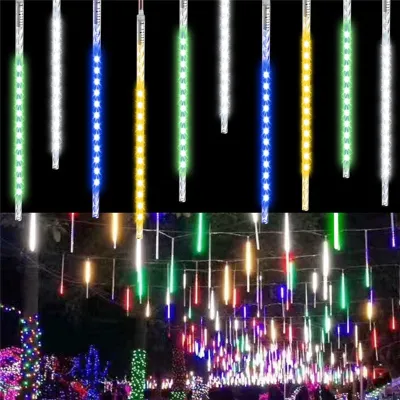
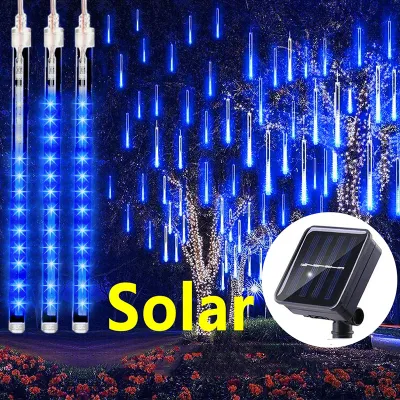
![[COD]Solar/Plug in Meteor Shower Rain Lights LED Outdoor Waterproof Icicle Fairy String Lights for Home Garden Christmas Raya Decoration](https://img.lazcdn.com/g/p/fd49d32f1a873f0ead753f71865dcfa9.jpg_400x400q80.jpg_.webp)
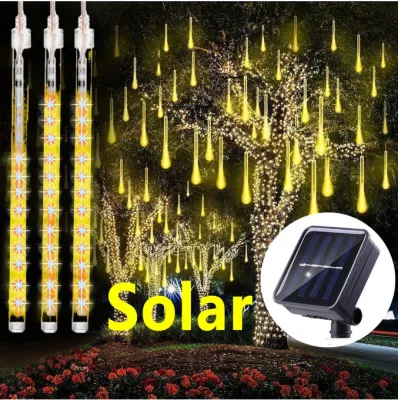
![LST-20cm/30cm/50cm [Plug type] Meteor Shower Rain LED Lights](https://img.lazcdn.com/g/p/a97eefad152e87716b7a60842df32e19.jpg_400x400q80.jpg_.webp)
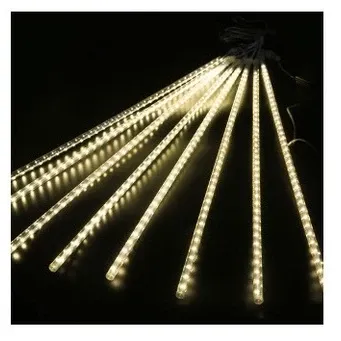
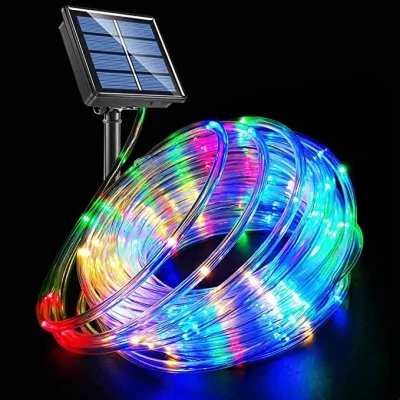
Prices are valid at publication and may change. Please refer to the product page for the latest price.
For the intense rainy season in the Philippines, where monsoons can bring heavy, wind-driven rain, standard indoor or light-duty outdoor lights are rarely sufficient. An IP44 rating, which is common for many basic decorative lights, only offers protection against splashing water from any direction. While this might survive a light drizzle, it is highly vulnerable during torrential downpours or when installed in fully exposed areas like tree branches, rooflines, or open gardens.
To ensure your meteor shower lights can withstand heavy tropical storms, look for a minimum rating of IP65. An IP65 rating means the product is completely dust-tight and protected against water jets projected by a nozzle from any direction. For highly exposed installations where water might pool or spray intensely, an IP67 rating provides even greater protection, certifying that the lights can withstand temporary submersion in water.
Always verify these ratings on the manufacturer’s official packaging, product labels, or specification sheets. Many products sold on online marketplaces use generic marketing terms like “waterproof” or “weather-resistant” in their titles, but these claims are often unsupported. Checking the actual IP rating is the only reliable way to confirm whether the lights are truly designed for sustained outdoor use in wet conditions.
Inspecting Waterproof Construction and Materials
Beyond the printed IP rating, a physical inspection of the lights can reveal a great deal about their actual build quality and long-term durability. High-quality LED meteor shower lights feature robust physical barriers to prevent water from reaching the delicate internal circuitry. One of the first areas to check is the sealing on the individual LED tubes. The end caps of each tube should be fully sealed, ideally using industrial-grade silicone or ultrasonic welding, rather than cheap glue that can degrade and peel away.

The connectors linking the individual tubes to the main power line are another common entry point for moisture. Durable light sets utilize threaded, waterproof connectors equipped with rubber O-rings. When these connectors are screwed together tightly, the O-ring compresses to form a watertight seal that prevents rain from seeping into the electrical contacts. Avoid light sets that rely on simple push-fit connections without any protective rubber gaskets, as these are highly prone to water ingress.
The material of the outer tubing also plays a significant role in how well the lights survive seasonal transitions. The intense tropical sun in the Philippines can be just as damaging to outdoor plastics as heavy rain. Cheap plastic tubing will quickly yellow, become brittle, and crack under prolonged UV exposure, which eventually allows rainwater to enter the tubes. Opt for meteor shower lights made with high-quality polycarbonate tubing, which offers excellent UV resistance, impact strength, and thermal stability.
Finally, inspect the power adapter and the controller box, which manages the cascading light effect. In many retail light sets, the LED tubes themselves may carry a high waterproof rating, but the plug, adapter, or controller is only rated for indoor use or light splashing. These components are the most common failure points in outdoor setups. If the adapter or controller is not explicitly rated for outdoor use, it must be housed inside a dedicated, weatherproof electrical enclosure to prevent short circuits and electrical hazards.
Safe Installation Practices for Wet Environments
Installing electrical fixtures outdoors during or in anticipation of the rainy season requires careful planning and strict adherence to safety protocols. Before beginning any installation work, always isolate the power supply by turning off the main circuit breaker. Working on outdoor lighting while the power is live increases the risk of electrical shock, especially in damp or humid conditions.
When planning the layout of your meteor shower lights, identify a sheltered, elevated location for the main plug, power adapter, and controller. Avoid placing these components near the ground, in low-lying garden beds, or close to drainage pathways where water is likely to pool during heavy downpours. Keeping the primary electrical connections elevated and shielded from direct rainfall significantly reduces the risk of water damage and short circuits.
A simple yet highly effective technique for preventing water ingress is the implementation of drip loops on all power cables. A drip loop is a downward-pointing curve or loop created in the wire just before it enters a connector, plug, or outlet. Because water follows the path of gravity, any rainwater running along the cable will flow down to the bottom of the loop and drip off harmlessly, rather than traveling directly into the electrical connection. Ensure that every connection point has a clear drip loop positioned below it.
Secure the light strings and tubes using UV-resistant zip ties or insulated mounting clips designed for outdoor use. Avoid using metal nails, staples, or screws directly against the wires, as these can easily pierce the protective insulation and expose live copper to moisture. If your installation requires extending outdoor wiring, mounting fixtures at significant heights, or connecting to permanent outdoor outlets, consult a qualified electrician to ensure the setup complies with local electrical safety standards and building codes. Always verify that the voltage of the lights matches your home’s electrical supply and that you do not exceed the maximum wattage limits of your outlets or extension cords.
Seasonal Maintenance and Storm Preparation
To maximize the lifespan of your LED meteor shower lights, establish a routine maintenance schedule and prepare a plan for severe weather. The high humidity and frequent rainfall in the Philippines create ideal conditions for the growth of dirt, moss, and algae on outdoor surfaces. Over time, this organic buildup can accumulate on the LED tubes, trapping moisture against the seals and accelerating the degradation of the plastic and rubber components.
Periodically clean the tubes by wiping them down with a soft, damp cloth. Always ensure the power is completely disconnected before performing any cleaning or maintenance. Avoid using harsh chemical cleaners or abrasive scrubbing pads, which can scratch the polycarbonate tubing and reduce the clarity of the light output.
Before the peak of the rainy season begins, conduct a thorough visual inspection of the entire light setup. Check the power cables for any signs of wear, such as cracking, brittleness, or fraying caused by sun exposure or pest damage. Inspect the connections to ensure the threaded caps remain tight and the rubber O-rings are intact. If you observe any moisture inside the LED tubes or damage to the wiring insulation, do not turn the lights on; instead, replace the compromised components immediately.
During severe weather events, such as typhoons or tropical storms, the safest and most practical course of action is to unplug the lights and store them indoors. Strong winds can easily tear the light strings from their mountings, causing physical damage to the tubes and potentially exposing live electrical wires to heavy rain. Taking the lights down and storing them safely during extreme weather not only protects your investment but also eliminates potential electrical hazards around your home.
Frequently Asked Questions (FAQ)
Can I leave meteor shower lights outside all year round?
While high-quality meteor shower lights are designed to be weather-resistant, leaving them outdoors permanently is not recommended. Continuous exposure to intense tropical sunlight, high humidity, and heavy seasonal rains will accelerate the degradation of the plastic tubing, rubber seals, and wire insulation. To extend the lifespan of your lights, it is best to use them seasonally or install them in sheltered outdoor areas, and store them indoors in a cool, dry place when they are not in use for extended periods.
What should I do if water gets inside the LED tubes?
If you notice moisture or water accumulation inside any of the LED tubes, immediately disconnect the power supply at the main outlet. Do not attempt to turn the lights back on while moisture is present, as this can cause a short circuit and permanently damage the LEDs. Allow the compromised tube to dry completely in a well-ventilated area. Inspect the seals and end caps for cracks or gaps; if the seals are damaged or if you see signs of corrosion on the internal components, the affected tube or light string should be replaced to ensure safety.
Do solar-powered meteor lights handle rain better than plug-in ones?
Solar-powered meteor shower lights do not inherently handle rain better than plug-in models, as both types rely on the same waterproofing principles for their LED tubes and connectors. While solar lights eliminate the need for high-voltage outdoor outlets and extension cords, their solar panels and battery compartments still require robust IP ratings to survive heavy rain. Additionally, solar-powered lights may experience reduced performance and shorter run times during the rainy season due to the frequent overcast skies and limited sunlight available to charge the batteries.
Community discussion
Share your experience or ask a question. Comments are reviewed before publication.