
Solar LED strip lights can indeed survive the intense rainy season in the Philippines, but their long-term durability is not guaranteed by default. The combination of heavy monsoon downpours, high relative humidity, and tropical heat creates a challenging environment for outdoor electronics. To ensure these decorative lights last through months of wet weather, homeowners must look beyond generic marketing claims and focus on verified technical specifications, robust material construction, and strategic installation practices.
While solar-powered lighting offers an energy-efficient way to illuminate gardens, patios, and pathways, water ingress remains the primary cause of premature failure. Understanding how to evaluate these products against the harsh Philippine climate is the key to making a lasting investment. By focusing on ingress protection ratings, material quality, and proper physical placement, you can enjoy reliable outdoor lighting even during the wettest months of the year.
Decoding IP Ratings for Heavy Rain and High Humidity
When shopping for a solar led strip light, the Ingress Protection (IP) rating is the most critical specification to verify. This standard rating system consists of two digits that define how well the light’s enclosure protects its internal electrical components from solid objects and liquids. Relying on vague product descriptions like “waterproof” or “weather-resistant” often leads to disappointment, as these terms are not regulated and do not guarantee protection against heavy tropical downpours.
Products mentioned in this guide
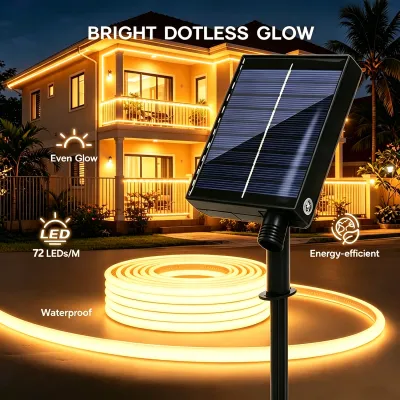
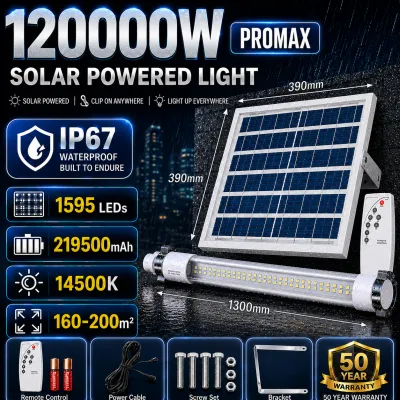
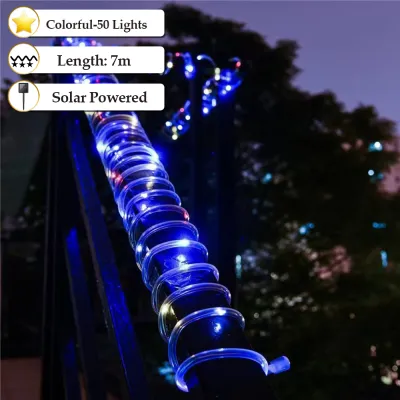
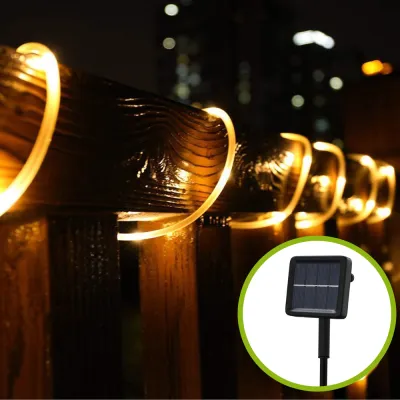
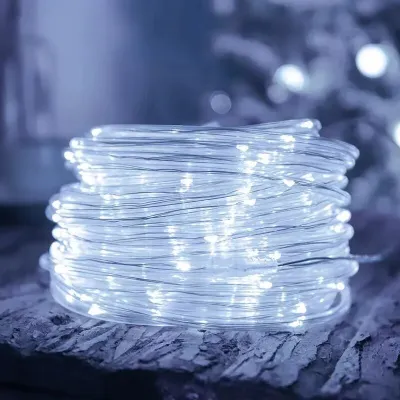
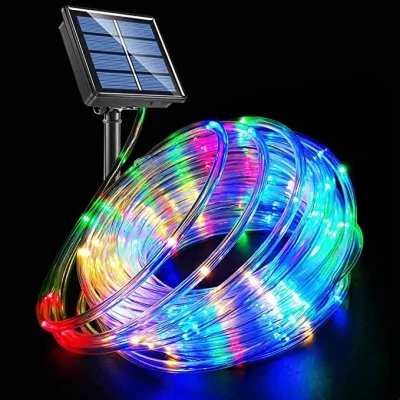
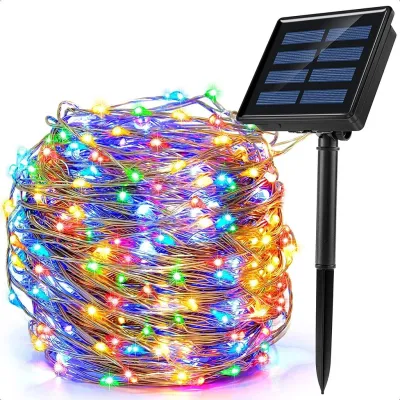
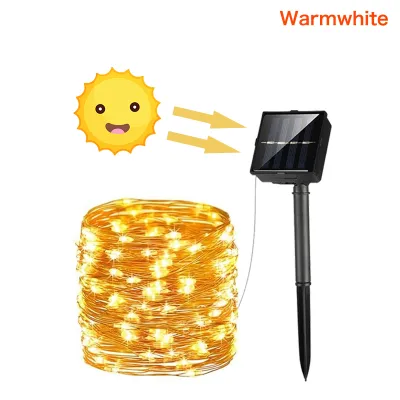
Prices are valid at publication and may change. Please refer to the product page for the latest price.
The first digit of the IP rating ranges from 0 to 6 and measures protection against solid particles, such as dust and dirt. For outdoor installations in the Philippines, a rating of 6 is highly recommended. A dust-tight seal (indicated by the number 6) prevents fine particles and humid, salt-laden air from entering the casing. In coastal areas, salt air can quickly penetrate unsealed enclosures, leading to rapid internal corrosion of the copper circuitry and solder joints.
The second digit, ranging from 0 to 9, indicates the level of protection against liquid ingress. For standard outdoor rain exposure, a liquid protection rating of at least 5 or 6 is necessary. An IPX5 rating means the product can withstand water projected by a nozzle from any direction, which is suitable for light rain. However, an IPX6 rating is much better suited for the Philippine monsoon season, as it certifies protection against powerful water jets, simulating the driving rain of a severe thunderstorm.
It is also important to differentiate between protection against driving rain and temporary water immersion. If your solar led strip light is installed near the ground, along garden pathways, or on flat surfaces where water tends to pool, you should look for an IPX7 rating. This rating indicates that the strip can survive temporary submersion in water up to one meter deep for a limited time. Always locate the official IP rating on the product packaging or the manufacturer’s technical specification sheet before purchasing.
Essential Build Features for Tropical Climates
The physical materials used to encase the LED strip and protect the solar components play a massive role in resisting degradation. Outdoor lighting in the Philippines must endure intense ultraviolet (UV) radiation during the dry season, followed by relentless moisture during the wet season. This extreme cycle can cause low-quality materials to degrade, crack, and fail prematurely.

Common casing materials for flexible strip lights include silicone, PVC, and epoxy resin. Epoxy resin is often the least expensive option, but it tends to yellow, stiffen, and crack when exposed to constant tropical sunlight. Once the casing cracks, rainwater easily seeps inside, causing immediate short circuits. PVC is more durable but can still become brittle over time. High-quality silicone sleeves or casings are generally the most resilient choice, as they maintain their flexibility, resist UV yellowing, and provide a superior moisture barrier over years of exposure.
Beyond the LED strip itself, you must carefully evaluate the solar panel housing and its mounting hardware. Look for solar panels framed in durable, weather-resistant materials such as anodized aluminum or high-impact ABS plastic. The mounting brackets and screws should be made of rust-proof materials like stainless steel or powder-coated metal to prevent structural failure caused by constant exposure to high humidity.
The battery compartment and integrated control box are the most vulnerable parts of any solar lighting system. Ensure that these components feature a robust sealing mechanism, such as a thick rubber gasket or a silicone seal around the battery door. If moisture enters the battery compartment, it can cause rapid terminal corrosion, battery capacity loss, or permanent electrical failure. Always cross-reference these material claims with the manufacturer’s care instructions and stated environmental limits.
Strategic Installation to Minimize Water Exposure
Proper installation is just as important as choosing the right specifications when it comes to extending the lifespan of your solar lighting. Even the most durable IP67-rated lights will benefit from strategic placement that minimizes direct, unnecessary exposure to the elements. By taking a few precautions during setup, you can significantly reduce the risk of water damage.
First, consider the placement of the solar panel. The panel must be positioned to receive maximum direct sunlight during the day to charge the battery fully. However, you must avoid mounting the panel in low-lying areas, near gutter downspouts, or in spots where water naturally pools or splashes heavy mud. Keep the panel elevated and angled slightly so that rainwater can naturally run off the surface rather than pooling on top of the glass.
Next, plan the routing of the LED strip lights. Whenever possible, install the strips under protective architectural features such as roof eaves, pergolas, soffits, or covered patios. This placement shields the physical LEDs from the direct impact of heavy monsoon downpours while still allowing the ambient light to beautifully illuminate your outdoor living spaces. Avoid laying the strips directly on the ground or wrapping them tightly around tree branches where water can collect in the bark crevices.
Proper cable management is another simple yet highly effective way to prevent water damage. Always implement a “drip loop” in the wiring just before it enters the solar panel housing or the battery control box. A drip loop is a simple downward curve in the cable that forces water traveling along the wire to pool at the lowest point of the loop and drip harmlessly onto the ground, rather than running directly into the connection port. If your installation requires fixed wiring, structural modifications, or working at heights, always isolate the power source and consult a qualified professional.
Rainy Season Maintenance and Troubleshooting
Regular maintenance during the wet months is essential to keep your solar lighting system functioning safely and efficiently. Because solar panels rely on sunlight to generate power, any obstruction on the panel’s surface will drastically reduce its charging capability, especially on overcast days when light levels are already low.
During the rainy season, rain splatter often carries dirt, mud, and organic debris that dries onto the solar panel once the sun comes out. Wipe the panel surface regularly with a soft, damp microfiber cloth to remove this buildup. Avoid using abrasive scrubbing pads, harsh chemical cleaners, or detergents, as these can scratch or cloud the protective glass, permanently reducing the panel’s energy efficiency.
After severe storms or typhoons, perform a quick visual inspection of the entire system. Check the wire connections, silicone seals, and the control box for any visible signs of cracking, peeling, or moisture ingress. If you notice water droplets trapped inside the LED strip casing or the battery compartment, turn off the system immediately to prevent further damage.
If you suspect that water has entered the battery housing or control box, follow safe, manufacturer-approved drying procedures. Disconnect the components, open the compartment if it is designed to be opened, and place them in a dry, well-ventilated indoor area. Allow the parts to dry completely for at least 24 to 48 hours before reassembling them. Never use high-heat sources like hair dryers or ovens, as extreme heat can warp plastic housings and damage sensitive electronic circuits. If you observe sparking, a burning smell, or severe physical damage, immediately cease all use and safely discard the unit.
Recognizing When to Repair or Replace
Despite your best efforts, outdoor electronics exposed to extreme tropical weather will eventually wear out. Knowing when a system can be safely salvaged and when it needs to be replaced is crucial for maintaining a safe outdoor environment.
There are several signs of irreversible failure that indicate a solar led strip light has reached the end of its useful life. Persistent internal condensation that does not clear up after several dry days, severe and uncontrollable flickering, or heavily corroded battery contacts are clear indicators of structural compromise. If the copper circuitry inside the silicone sleeve has turned green or black from oxidation, the strip is no longer safe or reliable to use.
While it may be tempting to attempt a DIY repair by applying silicone caulk over a cracked casing, this is rarely a permanent or safe solution for outdoor electronics. Once moisture has penetrated the internal circuitry, micro-corrosion has already begun, and the system’s electrical integrity is compromised. For low-voltage solar units, attempting to patch and reseal a severely damaged strip is often impractical and can lead to recurring electrical failures.
When disposing of water-damaged solar lighting systems, pay special attention to the rechargeable batteries. Rechargeable batteries, such as lithium-ion or nickel-metal hydride (NiMH) cells, should never be thrown into regular household trash. Take them to a designated electronic waste (e-waste) collection point or a local recycling center to ensure they are processed safely and in accordance with local environmental guidelines.
To help you decide whether to repair, replace, or upgrade your current setup, consider the following evaluation checklist:
- Frequency of Failure: If you find yourself replacing cheap, low-rated lights every single rainy season, upgrading to a higher IP-rated system (such as IP67 or IP68) will be more cost-effective over time.
- Extent of Corrosion: Minor rust on an external mounting bracket can be cleaned and painted, but internal corrosion on the circuit board or battery terminals requires complete replacement.
- Safety Risks: Any sign of physical swelling in the battery housing, melting plastic, or exposed wiring warrants immediate disposal rather than repair.
- Cost of Parts: Replacement batteries or mounting hardware are worth purchasing if the main LED strip and solar panel are still in excellent, watertight condition.
Frequently Asked Questions (FAQ)
Can I leave solar LED strip lights outside during a typhoon?
No, it is highly recommended to temporarily remove or secure your solar LED strip lights and panels when a typhoon warning is issued. While high-quality lights with an IP66 or IP67 rating can withstand heavy rain, they are not designed to resist the extreme wind speeds, flying debris, and falling branches associated with typhoons. Taking a few minutes to unplug the solar panel and store the components indoors will protect your investment and prevent the system from becoming a safety hazard.
Do solar strip lights work on cloudy, rainy days?
Yes, solar strip lights can still charge on cloudy and rainy days, but their performance will be significantly reduced. Solar panels generate electricity from solar radiation, which can still penetrate cloud cover, though at a fraction of the intensity of direct sunlight. During consecutive overcast days, the battery will not receive a full charge, resulting in shorter run-times at night and potentially dimmer light output. Check the manufacturer’s specifications to understand the estimated run-time under low-charge conditions.
Is it safe to cut and reconnect waterproof solar strip lights?
Cutting a waterproof solar LED strip breaks the continuous factory-sealed protective casing, exposing the internal copper contacts and circuits directly to the high humidity and rain of the tropical climate. If you must cut the strip to fit a specific space, ensure the product is explicitly labeled as cuttable by the manufacturer. You must strictly follow the manufacturer’s instructions for resealing the cut ends, which typically requires using specialized waterproof end caps and outdoor-grade silicone adhesive to restore the watertight seal.

Community discussion
Share your experience or ask a question. Comments are reviewed before publication.