
Track lights can be an exceptional ceiling lights solution for your home, but their suitability depends entirely on your room’s structural layout, ceiling height, and specific lighting goals. Unlike traditional fixed fixtures, track systems allow you to position, slide, and angle individual light heads along a continuous track, offering unparalleled control over where light falls. This makes them highly effective for task lighting and highlighting architectural features, though they may not be the ideal choice for every space. Deciding whether to install track lighting involves weighing their exceptional layout flexibility against structural constraints, aesthetic preferences, and installation complexity.
Assess Your Ceiling Structure and Room Layout First
Before purchasing any track lighting system, you must evaluate the physical dimensions and structural materials of your ceiling. The overall height of your room is the first critical factor. Track systems, which consist of a surface-mounted rail and protruding light heads, naturally extend downward. In rooms with low ceilings—typically under 2.4 meters—these fixtures can create visual clutter, make the room feel cramped, or present a physical head-clearance hazard. Measuring your vertical clearance ensures the track heads hang safely above high-traffic zones.
The structural composition of your ceiling determines both how the track is mounted and how easily wiring is concealed. In the Philippines, residential construction heavily features solid concrete slab ceilings, particularly in modern condominiums and townhouses. Mounting a track directly onto solid concrete requires masonry drilling, heavy-duty anchors, and surface-mounted conduits (such as PVC moldings or metal pipes) to route the wiring. Conversely, suspended or drop ceilings made of gypsum board, fiber cement board, or PVC panels allow you to hide all electrical connections behind the ceiling plane. Because drop ceilings cannot support heavy loads on their own, you must secure the track to the underlying metal furring or wooden joists to prevent sagging.
Products mentioned in this guide
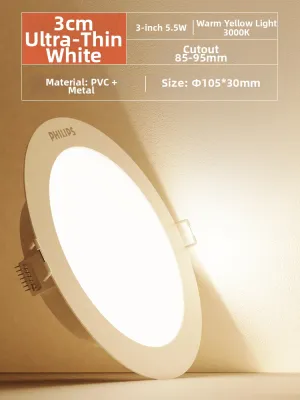
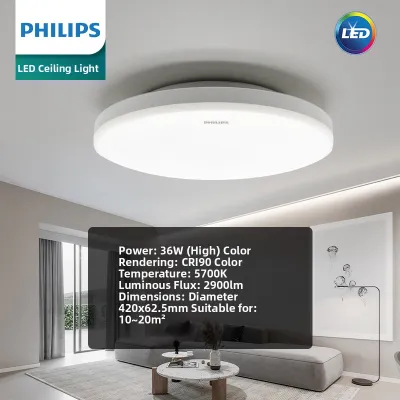
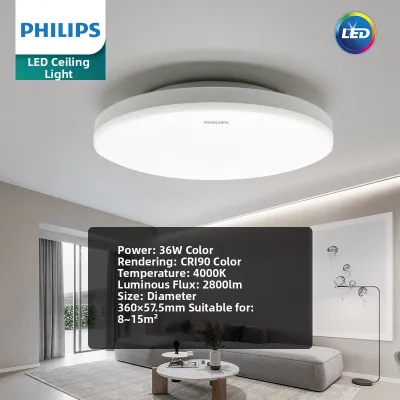
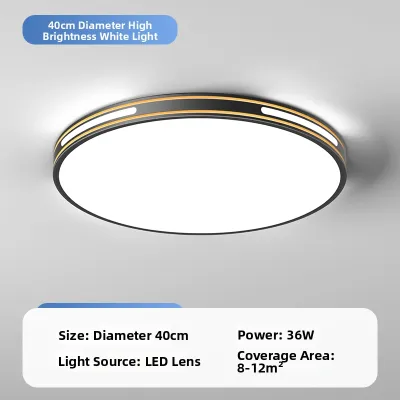
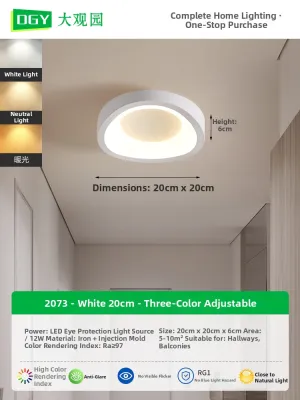
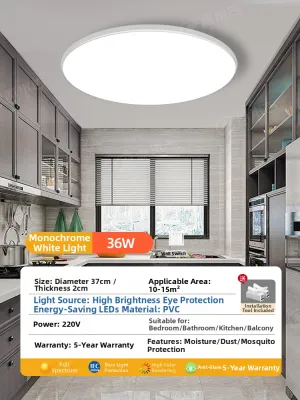
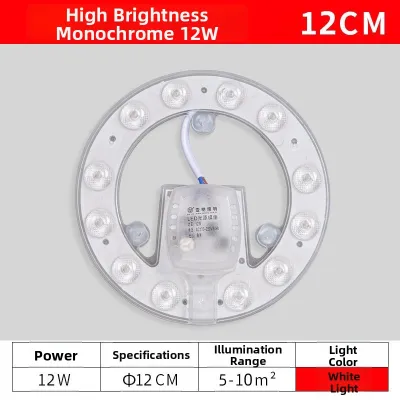
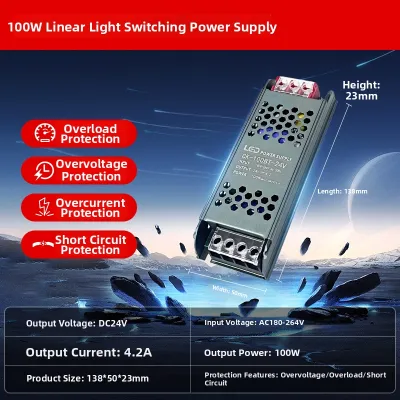
Prices are valid at publication and may change. Please refer to the product page for the latest price.
Finally, locate your existing electrical junction boxes. A standard track lighting system is powered from a single feed point, allowing you to illuminate an entire run of multiple light heads using just one existing ceiling junction box. However, if your current box is positioned in an awkward corner or if you want to run a complex L-shaped or T-shaped track, you must determine if your current wiring can handle the load. Track rails typically come in standard lengths of one or two meters and can be joined using specialized I, L, T, or X-shaped connectors. This modularity lets you design a layout that traces your room’s perimeter, but each joint requires precise alignment to maintain electrical continuity.
Track Lights vs. Spot Lights: Choosing the Right Ceiling Lights for Your Goals
Achieving balanced illumination requires understanding the functional differences between track lights and recessed spot lights. While both fixtures utilize directional bulbs to focus light, their physical structures, visual profiles, and installation requirements serve completely different design objectives. Choosing between them depends on whether you value dynamic adaptability or a clean, flush-mounted aesthetic.

When Track Lights Offer the Best Flexibility
Track lights excel in spaces where versatility is paramount. Because the individual light heads can be slid along the track rail and rotated 360 degrees, they allow you to adjust your illumination dynamically without changing your permanent ceiling lights layout. This directional control is highly advantageous for highlighting specific focal points, such as local artwork, open shelving, or a kitchen island where meal preparation requires high-visibility task lighting.
Furthermore, track systems are ideal for multi-functional rooms where furniture arrangements change frequently. If you decide to rearrange your living room layout, shift your dining table, or convert a home office corner, you can simply slide and re-aim the track heads. This adaptability eliminates the need to patch, drill, or re-wire your ceiling every time your interior design evolves. The choice of bulb or integrated LED head also introduces technical variables. A narrow beam angle of 15 to 24 degrees creates a sharp, dramatic spotlight effect, ideal for highlighting art. Conversely, a wider flood beam angle of 36 to 60 degrees diffuses the light over a larger area, making it more suitable for general illumination. While warm light (around 2700K to 3000K) is often preferred for cozy living areas, color temperature and decorative style remain highly subjective choices.
When Recessed Spot Lights Provide a Cleaner Look
Recessed spot lights, often referred to as downlights, offer a streamlined alternative by sitting flush with the ceiling surface. This design is highly beneficial for minimalist interiors or spaces with low ceilings, where visible hardware would disrupt the clean lines of the room. By concealing the fixture body within the ceiling cavity, recessed spots provide focused illumination without adding visual weight or physical clutter to the overhead plane.
While track lights are inherently directional and localized, recessed spot lights can be spaced evenly across a ceiling to deliver uniform, widespread ambient lighting. They are particularly well-suited for hallways, bathrooms, and bedrooms where you want a bright, open feel without the industrial look of exposed tracks. However, this clean aesthetic comes with a trade-off: once recessed spot lights are cut and installed into a drop ceiling, their positions are permanent, leaving no room for layout adjustments later on.
Key Signs Track Lights Are the Right Ceiling Lights for Your Space
To determine if track lighting is the most practical choice for your home, look for these specific indicators in your lifestyle, interior design, and room layout:
- You require precise zonal highlighting: If you want to illuminate distinct areas within a single room—such as focusing light simultaneously on a reading chair, a gallery wall, and a display cabinet—track lighting allows you to do so from a single fixture run. This targeted approach creates visual depth and contrast, which is much harder to achieve with a single central ceiling dome light.
- Your room layout is highly adaptable: If you live in a studio apartment or an open-plan home where spaces serve dual purposes, adjustable track heads can easily pivot to illuminate a workspace during the day and a dining area at night. This flexibility ensures your lighting remains functional regardless of how you use the space.
- Your interior style aligns with visible hardware: Track systems naturally complement industrial, modern, loft, or contemporary aesthetics. If your home features exposed concrete, wooden beams, brick accents, or minimalist metal fixtures, the visible rails and technical look of track lighting will enhance your decor rather than detract from it.
- You face junction box limitations: When you only have one electrical outlet box in the center of your ceiling but need to spread light across a wide room, a track system is the most efficient solution. It allows you to feed power from that single point and distribute multiple light heads across several meters of track, avoiding the mess and expense of cutting open your ceiling to run new electrical conduits.
When to Skip Track Lights and Choose Alternatives
While track systems are highly versatile, they are not a universal solution for every room. Recognizing when to opt for alternative ceiling lights will save you from poor lighting performance and aesthetic mismatches.
If your room has strict spatial constraints, such as very low ceilings or narrow corridors, track lights can feel physically overbearing and visually heavy. In these environments, the protruding fixtures can make the ceiling feel lower than it actually is, creating a claustrophobic atmosphere. Standard flush-mount ceiling panels or slim recessed downlights are far better suited for preserving vertical space and maintaining an open, airy feel.
You should also avoid track lights if your primary goal is soft, uniform, and shadow-free ambient lighting. Because track heads emit concentrated, directional beams, they naturally create high-contrast shadows and bright hot spots. In spaces dedicated to relaxation, such as bedrooms or nursery rooms, this directional glare can be uncomfortable. For these zones, choose fixtures that diffuse light evenly, such as central pendant lights with fabric shades, flush-mount dome lights, or indirect LED cove lighting.
Finally, track lights are unsuitable for strict, seamless minimalist designs that reject any visible hardware. The tracks, mounting brackets, connectors, and exposed power feeds can disrupt clean plaster ceilings. If your design philosophy relies on hidden details and unbroken surfaces, recessed trimless downlights or linear plaster-in LED profiles will deliver the clean, integrated appearance you desire.
Essential Electrical and Safety Checks Before Installation
Installing new ceiling lights requires careful attention to electrical specifications, structural load capacities, and safety protocols to ensure long-term reliability.
First, you must verify all electrical compatibility parameters. In the Philippines, the standard residential voltage is 220V at 60Hz. Ensure that any track system, driver, or LED bulb you purchase is rated for this voltage to prevent premature component failure or fire hazards. Additionally, check the maximum wattage and current load limit of the track rail itself. While modern LED track heads consume very little power, adding too many high-wattage fixtures to a single track run can overload the system. Always verify that the total wattage of your installed bulbs remains well below the manufacturer’s specified limit, and look for products carrying local safety certifications, such as the Philippine Standard (PS) mark or Import Commodity Clearance (ICC) sticker. Furthermore, if you plan to dim your track lights, you must verify the dimming method of your fixtures and bulbs. Many LED track lights use Triac dimming, which is compatible with standard wall dimmers, while others require 0-10V or electronic low-voltage (ELV) systems. Mixing incompatible dimmers and LED drivers can lead to flickering, buzzing, or permanent component damage.
Second, assess the structural integrity of your mounting surface. Track lights, especially longer configurations or those with multiple heavy metal heads, exert continuous downward tension. When mounting on a concrete ceiling, ensure you use high-quality masonry wall plugs and screws that can handle the weight. If you are installing on a plasterboard or gypsum drop ceiling, never rely on the board alone to support the fixture. You must locate the metal furring channels or wooden joists behind the ceiling board and anchor the track directly to these structural elements using appropriate toggle bolts or heavy-duty drywall anchors.
Finally, establish clear safety and professional boundaries. Before starting any electrical work, always isolate the power supply by switching off the corresponding circuit breaker at your home’s main panel; never rely solely on a wall switch. If your installation requires running new electrical lines behind walls, modifying existing junction boxes, installing heavy suspended tracks over high stairwells, or working at significant heights, do not attempt a DIY installation. Hire a licensed professional electrician to complete the wiring and mounting. This ensures compliance with the Philippine Electrical Code, guarantees proper grounding, and protects your home from electrical faults.
Frequently Asked Questions (FAQ)
Can I install track lights on a concrete ceiling without a drop ceiling?
Yes, you can install track lights directly onto a solid concrete ceiling. Since you cannot hide wires inside a solid concrete slab, the track rail is surface-mounted using masonry anchors and screws. To supply power, you can run the electrical wiring from your existing junction box to the track’s live-end connector using neat, paintable surface-mounted PVC conduit moldings or decorative metal pipes. This approach is highly popular in industrial-style interiors and loft apartments where exposed structural elements are part of the design aesthetic.
Do track lights provide enough ambient light for a living room?
Track lights can provide sufficient ambient light for a living room, but they must be planned carefully to avoid harsh shadows. Because track heads naturally project focused, directional beams, relying solely on narrow-angle spotlights will create high-contrast pools of light and dark corners. To achieve balanced ambient illumination, use track heads with wide beam angles (greater than 40 degrees), aim some of the light heads toward walls or light-colored ceilings to bounce and diffuse the light, and choose high-lumen LED bulbs. Combining your track system with other light sources, such as floor lamps or warm LED strip lights, will create a more comfortable, layered lighting environment.
Community discussion
Share your experience or ask a question. Comments are reviewed before publication.