
Choosing the right nightstand lighting is a matter of matching your light’s design to your actual nighttime behavior. When selecting a baseus light for your bedroom, the decision hinges on whether you need targeted illumination for focused tasks or a soft, ambient glow to wash over your space. For those who share a bed or live in compact spaces—such as a studio condominium in Metro Manila—the directional beam of a reading light prevents light spill from disturbing a sleeping partner. Conversely, if your priority is winding down after a long day, navigating your room safely in the dark, or creating a relaxing atmosphere, a bedside light provides the diffuse, warm illumination required.
Quick Answer: Which Baseus Light Is Best for Your Nightstand?
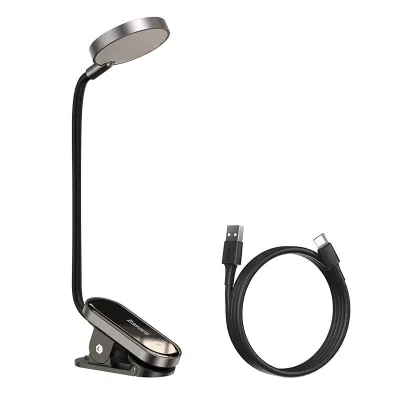
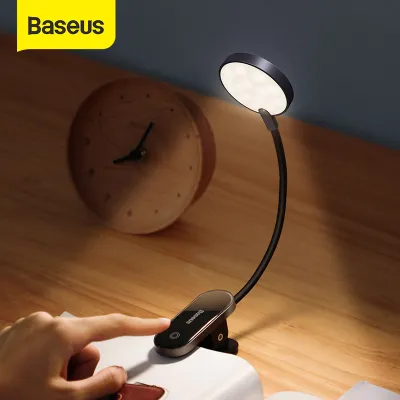
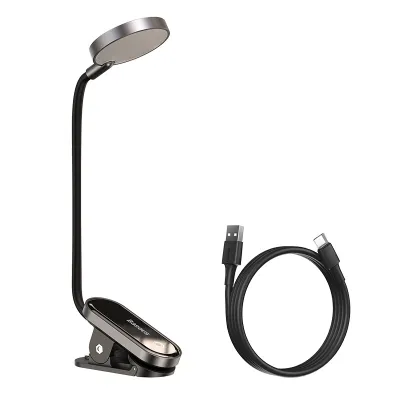
The choice between these two lighting types depends entirely on your primary nighttime activities and your physical bedroom layout. If your evening routine revolves around focused tasks like reading physical books, studying, or working in bed, a Baseus reading light is the superior choice. These lights feature directional beams, clip-on or magnetic mounts, and space-saving designs that keep the light focused exactly where you need it without disturbing anyone else in the room.
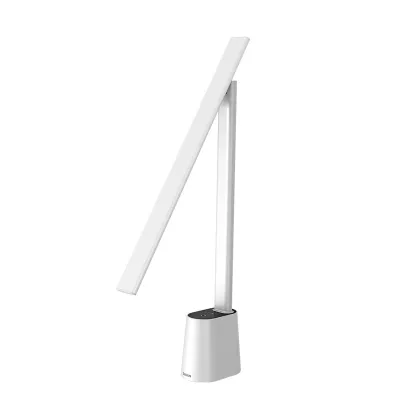
If you primarily use your bedroom to wind down, watch television, or relax, a Baseus bedside light is much better suited to your needs. Bedside lights provide a wide, diffuse glow that illuminates the immediate nightstand area and surrounding space softly, making nighttime navigation safe and comfortable. Rather than looking for a single winner, evaluate your typical nightly habits to determine which light style aligns with your routine.
Products mentioned in this guide
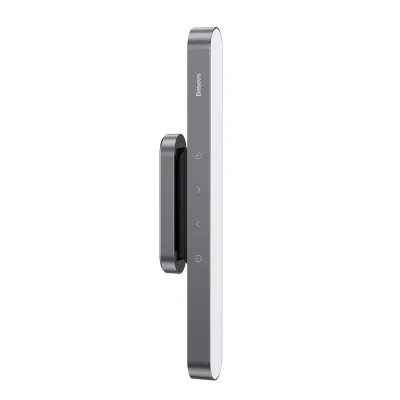
![Baseus Eye-Care PC Monitor Screen Hanging Light LED Desk Lamp For Computer Brightness Adjustable Reading Lamp [3 Color Temperatures]](https://img.lazcdn.com/g/p/2c5a030a8607e56505983b61a30e3558.jpg_400x400q80.jpg_.webp)
Prices are valid at publication and may change. Please refer to the product page for the latest price.
Core Differences: How Reading and Bedside Lights Function
Understanding the fundamental engineering differences between reading and bedside lights is essential before adding any new fixture to your sleeping space. These two categories of light sources are designed with entirely different optical goals, affecting how light is distributed across your room and how it impacts your eyes.

Light Distribution and Beam Angle
A reading light is engineered with a narrow, highly concentrated beam angle designed to cast light directly onto a specific surface, such as a book page or an e-reader screen. This focused beam is typically achieved through specialized optical lenses or deep reflectors that restrict light spill. By keeping the light tightly channeled, these devices ensure that the surrounding environment remains dark, allowing you to read comfortably without illuminating the entire bedroom.
Conversely, a bedside light is designed to provide wide, diffuse, and soft omnidirectional illumination. Instead of projecting a sharp beam, it uses frosted diffusers, shaded covers, or upward-firing LEDs to scatter light gently across your nightstand and the immediate walls. This wide distribution eliminates harsh shadows and high-contrast boundaries, creating a visually relaxing environment that is easy on the eyes when you are not performing highly focused tasks.
Brightness and Color Temperature
Brightness and color temperature are critical factors that directly influence your visual clarity and your body’s natural sleep cycle. Reading lights generally deliver higher luminous intensity concentrated in a small area, making text sharp and easy to read. They often offer adjustable color temperatures ranging from a neutral white (around 4000K) to a cool white (up to 5000K or higher), which enhances contrast and reduces eye strain during prolonged reading sessions.
Bedside lights prioritize relaxation and sleep preparation, typically operating at lower maximum brightness levels and warmer color temperatures, usually between 2700K and 3000K. This warm, golden-amber glow mimics natural sunset, signaling to your brain that it is time to wind down and promote melatonin production. Because individual product specifications vary widely, always verify the exact lumen and Kelvin ratings on the product packaging or manufacturer listing rather than assuming all models share identical outputs.
Key Comparison Dimensions for Your Nightstand Setup
To choose the optimal fixture, you must evaluate how each light fits into your physical environment, power infrastructure, and daily habits.
Space, Form Factor, and Mounting
The physical footprint of your light can dictate the layout of your entire nightstand. Baseus reading lights are highly regarded for their space-saving form factors, featuring sturdy clip-on mechanisms, magnetic bases, or slim, foldable profiles. These options allow you to mount the light directly onto your headboard, a shelf, or even the book itself, freeing up valuable nightstand real estate for essentials like a glass of water, phone, or eyeglasses.
Bedside lights usually adopt a more traditional table lamp form factor with a wider, weighted base designed to sit securely on a flat surface. Some modern designs also offer wall-mounting options using adhesive pads or brackets. Before making a purchase, measure your nightstand’s available surface area and inspect your headboard. If your headboard is thick, padded, or made of delicate fabric, a clip-on reading light might not attach securely, whereas a flat-surfaced headboard or a metal frame is ideal for magnetic or clamp-based mounts.
Power Supply and Cord Management
Electricity infrastructure and cable management are major considerations for home decor. Baseus frequently designs its reading lights with built-in rechargeable lithium-ion batteries, often utilizing a USB-C charging port. This wireless capability is incredibly practical in the Philippines, where seasonal typhoons and grid maintenance can cause sudden power fluctuations or brownouts. A fully charged, battery-operated reading light doubles as an emergency light source, ensuring you are not left in complete darkness.
Bedside lights may be strictly plug-in devices requiring a constant AC power source, or they may feature larger internal rechargeable batteries. When setting up your light, always verify the input voltage requirements (typically 5V for USB-powered devices) and ensure you use a compatible, high-quality wall adapter. Using an incorrect wattage or voltage adapter can lead to excessive heat buildup and accelerate battery degradation, particularly in warm, humid tropical climates where heat dissipation is already compromised.
Adjustability and Smart Features
The level of physical and functional adjustability can make or break your nighttime routine. Reading lights excel in physical flexibility, often incorporating flexible silicone goosenecks or multi-jointed aluminum arms. This allows you to position the light source at the precise angle needed to avoid glare on your book or screen. Many models also feature stepless dimming, allowing you to fine-tune the brightness by holding down a touch-sensitive button.
Bedside lights tend to have fixed structures, focusing instead on control convenience and ambient features. They may offer touch-sensitive bases for quick activation in the dark, multiple preset brightness levels, or color-changing RGB modes to set a specific mood. Some models also include memory functions that remember your last brightness and color temperature settings when turned back on. Always review the product specifications to confirm the exact control interfaces, as touch controls can vary from physical click buttons to highly sensitive capacitive panels.
Side-by-Side Feature Comparison
To help you quickly evaluate the primary differences, the following table summarizes the typical characteristics of both lighting types. Keep in mind that specific features, battery life, and materials can vary by model, so you should always verify these parameters on the product box or official listing before purchasing.
| Comparison Dimension | Baseus Reading Light | Baseus Bedside Light |
|---|---|---|
| Primary Use | Focused reading, studying, or working in bed | Ambient lighting, winding down, room navigation |
| Beam Type | Concentrated, directional beam with minimal spill | Wide, diffuse, and soft omnidirectional glow |
| Typical Color Temp. | Adjustable (often 3000K to 5000K+) | Warm to warm-white (typically 2700K to 3000K) |
| Form Factor | Clip-on, magnetic mount, or slim foldable design | Table lamp with stable base, or wall-mounted |
| Power Source | Built-in rechargeable battery (USB-C) | Plug-in AC power or rechargeable battery |
| Space Required | Minimal; can be mounted on headboard or book | Moderate; requires flat surface or wall space |
Decision Framework: Matching the Light to Your Routine
Selecting the perfect light comes down to analyzing your personal habits, bedroom layout, and household dynamics.
Choose a Baseus Reading Light If…
A reading light is your best option if your primary nighttime activity involves reading physical books, studying documents, or working on a laptop or tablet. If you share a bed with a partner who is sensitive to light or sleeps on a different schedule, the highly focused beam of a reading light will keep your workspace illuminated while leaving the rest of the bed in darkness. It is also the ideal choice for those with exceptionally small nightstands, as a clip-on or magnetic light requires zero tabletop space. Furthermore, if you live in an area prone to frequent power interruptions, having a portable, rechargeable reading light on hand provides reliable, localized backup lighting.
Choose a Baseus Bedside Light If…
A bedside light is the superior choice if you view your bedroom primarily as a sanctuary for relaxation and sleep. If your pre-sleep routine consists of meditation, listening to audiobooks, or simply chatting with a partner, the warm, ambient glow of a bedside lamp helps ease your mind and body into a restful state. It is also highly functional for households with infants or young children, where a soft, low-intensity light is needed for middle-of-the-night check-ins or diaper changes without waking the baby. If you have a spacious nightstand and prefer a classic, decorative home aesthetic, a dedicated bedside lamp serves as both a functional tool and a stylish decor piece.
When to Consider Both or Alternatives
For some users, a single light source may not cover all scenarios. If you enjoy reading intensely but also want a warm, relaxing atmosphere before turning off the lights, utilizing both options is highly practical. You can use a bedside lamp with a warm, low-lumen bulb for general room ambiance, and clip a compact reading light onto your book when you are ready to focus on reading. Alternatively, look for hybrid models that feature adjustable heads and multiple diffusion layers, allowing you to switch between a focused beam and a softer, wider glow depending on your immediate needs.
What to Verify Before Buying and Installing
Before finalizing your purchase and setting up your new light, there are several technical, physical, and safety aspects you must verify to ensure compatibility and longevity.
First, pay close attention to electrical specifications. For USB-powered or rechargeable Baseus devices, check the recommended input voltage and current (usually printed on the device or in the manual, such as 5V/1A or 5V/2A). Always use a certified, high-quality wall adapter that matches these specifications. In the Philippines, where high humidity and warm temperatures are common, using substandard or mismatched chargers can lead to overheating, which degrades the internal lithium-ion battery over time or poses a safety risk. Look for local electrical safety marks or recognized international certifications (such as CE, RoHS, or FCC) on the packaging.
Second, evaluate the physical installation environment. If you are choosing a clip-on or magnetic reading light, measure the thickness of your headboard or shelf. Clip-on mechanisms have a maximum opening width, and trying to force them onto a thick, padded headboard can damage either the light’s clamp or your furniture’s upholstery. Magnetic mounts require a flat, compatible metal surface; if your headboard is made of wood, glass, or plastic, you will need to use the adhesive metal plates often provided in the package. Ensure the mounting surface is thoroughly cleaned and dried before applying any adhesive, as tropical humidity can weaken the bond of double-sided tapes over time.
Finally, remember that functional lighting needs should always take precedence over purely aesthetic preferences. While a sleek, minimalist light might look beautiful on your nightstand, it must provide the correct brightness and color adjustability to protect your eyes from strain. If you plan to perform any fixed electrical wiring or install heavy wall-mounted fixtures, always isolate the power at the circuit breaker beforehand, follow the manufacturer’s step-by-step instructions, or consult a qualified professional to ensure a safe and secure installation.
Frequently Asked Questions (FAQ)
Can I use a Baseus reading light as my only bedside lamp?
While you can use a reading light as your sole nightstand light source, it is not ideal for general room illumination. The focused, narrow beam of a reading light is designed to illuminate a small, specific area, which means it will not provide enough ambient light to safely navigate your bedroom in the dark or create a warm, relaxing atmosphere for winding down.
Are rechargeable Baseus lights safe to leave plugged in overnight?
Modern Baseus rechargeable lights are equipped with built-in safety circuits that prevent overcharging once the battery reaches 100%. However, to maximize the overall lifespan of the lithium-ion battery, it is a recommended best practice to unplug the charging cable once the device is fully charged, rather than leaving it connected to a power outlet continuously overnight.
Do Baseus lights come with a warranty in the Philippines?
Warranty coverage for Baseus products in the Philippines depends entirely on the authorized retailer, official brand store, or local distributor from whom you purchase the item. To protect your purchase, always buy from official channels, retain your original proof of purchase or receipt, and carefully review the seller’s specific return, replacement, and warranty policies before completing your transaction.
Community discussion
Share your experience or ask a question. Comments are reviewed before publication.