
Choosing the right bathroom wall light in the Philippines requires matching the fixture’s Ingress Protection (IP) rating to the specific zone of your bathroom. In a tropical climate characterized by high humidity and frequent temperature shifts, selecting an appropriate IP rating—typically at least IP44 for damp areas and higher for direct splash zones—is essential to ensure electrical safety and fixture longevity.
Bathrooms are unique environments where water and electricity exist in close proximity. A standard indoor light fixture will quickly fail or pose a safety hazard when exposed to steam, splashes, and persistent moisture. By dividing your bathroom into distinct safety zones based on water exposure, you can make an informed decision that balances safety, style, and cost.
Understanding IP Ratings for Bathroom Wall Lights
The Ingress Protection (IP) rating system is an international standard used to define levels of sealing effectiveness of electrical enclosures against intrusion from foreign bodies and moisture. This rating is expressed as “IP” followed by two digits, each representing a specific type of protection.
Products mentioned in this guide
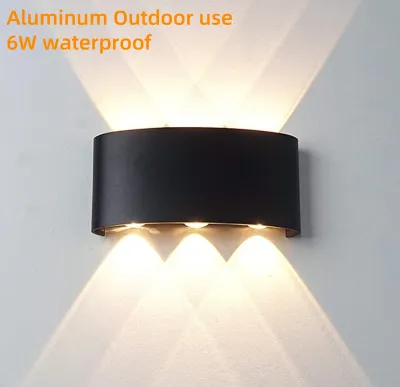
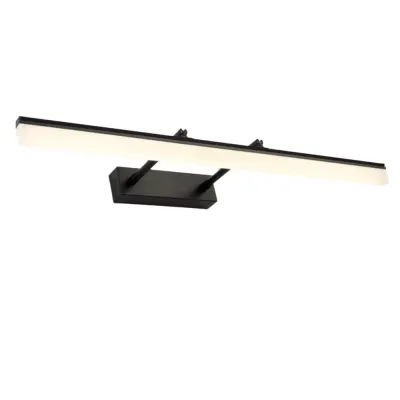
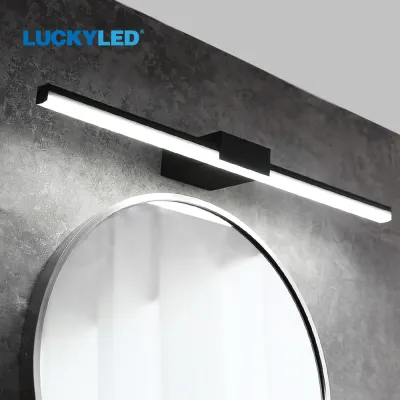
![AceDeal [Support Lalamove Bulk Orders] Mirror Light Wall Light Mirror Wall Light Hanging Wall Lamp 18W Indoor Bathroom Bedroom Living Room Decoration](https://img.lazcdn.com/g/p/f380de3179872d655fb33ac820353667.jpg_400x400q80.jpg_.webp)
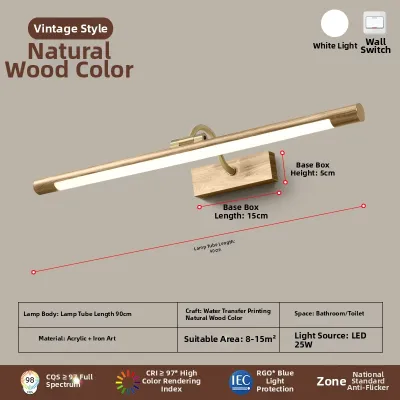
Prices are valid at publication and may change. Please refer to the product page for the latest price.
The first digit, ranging from 0 to 6, indicates protection against solid objects, such as dust, accidental contact, and debris. In a bathroom, while dust protection is useful, it is rarely the primary concern for electrical safety.
The second digit, ranging from 0 to 9, represents protection against liquids, specifically water ingress. This digit is the critical metric to evaluate for a bathroom wall light. A higher second digit means the fixture can withstand greater water exposure, from light condensation to direct high-pressure water jets.
Manufacturers often use terms like “waterproof” or “water-resistant” loosely in marketing materials. These terms lack technical precision and can be misleading. A fixture labeled “waterproof” might only be splash-resistant under specific conditions. Relying on the official IP rating provides a standardized, verifiable measure of how much moisture the fixture can actually handle.
You can typically locate this rating printed on the product packaging, the fixture’s specification sheet, or stamped directly onto the housing. If a fixture lacks an explicit IP rating, it should generally be treated as having no moisture protection (IP20 or lower) and kept entirely out of damp areas.
Matching IP Ratings to Bathroom Zones
Bathroom electrical zones are defined by international and local electrical standards to categorize areas based on the level of water exposure risk. Understanding these zones helps you select the correct IP rating for your wall sconces.

Zone 0 is the interior of the bath or shower basin itself. Any light fixture installed here must be low voltage and have a high IP rating, such as IP67, which protects against temporary immersion. Wall lights are rarely installed in Zone 0, but understanding this zone helps establish the safety spectrum.
Zone 1 is the area directly above the bath or shower, up to a height of 2.25 meters from the floor. Fixtures in this zone are highly likely to experience direct water sprays or splashes. If you plan to install a bathroom wall light in this zone, it must have a minimum rating of IP65, which protects against water jets.
Zone 2 extends 0.6 meters outward from the boundary of Zone 1 and up to 2.25 meters high. It also includes the area around the washbasin or sink, typically within a 60-centimeter radius of the tap. This is the most common location for a bathroom wall light, such as vanity sconces flanking a mirror. The recommended minimum rating for Zone 2 is IP44, which protects against splashes of water from any direction.
Outside Zones refer to any area of the bathroom that falls outside Zones 0, 1, and 2, where direct water splashes are highly unlikely. While standard indoor fixtures are technically permissible here under some guidelines, the high ambient humidity of tropical climates makes a minimum of IP44 highly advisable even in these drier areas.
To map your own bathroom layout, measure the distance from your shower head, bathtub edge, or sink faucet to the intended mounting point of your wall sconce. If the mounting point is within arm’s reach of a water source, treat it as Zone 2 or Zone 1. Always consult local electrical codes and specific manufacturer instructions, as they may impose stricter requirements than general guidelines.
Adapting to the Tropical Climate in the Philippines
The Philippines experiences high year-round temperatures and relative humidity levels that often exceed 80 percent. This constant moisture in the air creates a challenging environment for electrical fixtures, even in well-ventilated homes.
Persistent moisture accelerates the oxidation of metals, leading to rust, corrosion, and the peeling of decorative finishes. Standard steel or low-grade alloys can degrade rapidly, compromising both the aesthetic appeal and the structural integrity of the wall light.
When shopping for a bathroom wall light, look for fixtures constructed from corrosion-resistant materials. Solid brass, copper, high-grade stainless steel, or heavy-duty polycarbonate are excellent choices. Verify if the fixture has a protective powder-coated finish or an anodized layer designed to withstand damp environments.
Decorative style, perceived color temperature, and spatial effects are conditional preferences that depend on your personal taste and bathroom design. However, regardless of whether you prefer warm or cool light, the physical durability of the fixture remains paramount in a humid climate.
Installing an exhaust fan of appropriate capacity helps draw moist air out of the bathroom, reducing condensation on the fixture’s surface. This active moisture control complements the physical protection offered by the IP rating and extends the lifespan of your lighting.
Periodically inspect your bathroom wall lights for signs of condensation inside the glass diffuser or lens. Check the rubber gaskets and silicone seals for cracking, hardening, or mold growth. In tropical climates, seals can degrade faster due to the combination of heat and moisture, so early detection of wear is key to preventing electrical faults.
Safety and Installation Requirements
Before conducting any inspection, cleaning, or installation of a bathroom wall light, always turn off the main power supply at the circuit breaker. Never rely solely on the wall switch to isolate the electrical current, as wiring configurations can sometimes leave live wires active.
When selecting a fixture, verify its voltage compatibility, base or interface type, wattage limit, physical dimensions, and dimming method. Ensure the fixture carries a recognized electrical safety certification valid for your region. Additionally, verify that the fixture is properly grounded, which is a critical safety requirement for any electrical device installed in a damp environment.
While replacing a light bulb or cleaning a fixture can be done safely by a homeowner, installing new fixed wiring, modifying circuits, or mounting fixtures in wet zones should be handled by a licensed electrician. Working with electricity in wet environments carries a high risk of shock or short circuits if not executed perfectly.
Always read and follow the manufacturer’s specific installation manual. These documents contain critical details regarding mounting orientation, seal placement, and wire routing. Furthermore, ensure the installation complies with local building and electrical codes to maintain safety standards.
Frequently Asked Questions (FAQ)
Can I use a standard indoor wall sconce in a bathroom if it is far from the shower?
While standard indoor lights rated IP20 may technically be allowed in Outside Zones far from direct water sources, it is generally not recommended in the Philippines. The high ambient humidity and steam generated by hot showers can easily migrate to the furthest corners of the room. Over time, this airborne moisture can penetrate non-rated fixtures, causing internal corrosion, short circuits, or premature bulb failure. If you choose to use a standard fixture, ensure the bathroom has exceptional ventilation, a large floor area, and that the fixture is completely shielded from steam accumulation.
How do I clean a bathroom wall light without damaging its water-resistant seals?
First, ensure the light is switched off, isolated at the breaker, and completely cool to the touch. Use a soft, dry microfiber cloth to remove dust and surface grime. For deeper cleaning, slightly dampen the cloth with a mild, non-abrasive soapy water solution. Avoid using harsh chemical sprays, abrasive scrubbing pads, high-pressure water, or steam cleaners, as these can degrade the rubber gaskets, silicone seals, or protective metal coatings that maintain the fixture’s IP rating. Gently wipe down the exterior, and ensure the fixture is completely dry before restoring power.
Community discussion
Share your experience or ask a question. Comments are reviewed before publication.