
The best battery-powered desk lamp for your WFH or study setup depends entirely on your primary workspace constraint—whether you are dealing with a cramped desk, preparing for sudden power outages, or needing a portable light to move between rooms. Instead of looking for a one-size-fits-all solution, you must evaluate specific features like mounting style, battery capacity (mAh), and charging compatibility to find the right fit. In the Philippines, where tropical humidity, seasonal typhoons, and sudden power fluctuations are part of daily life, a reliable cordless light source is more than just a decorative accessory; it is a critical productivity tool that keeps your work or study session going when the main power grid fails.
Identify Your Primary Workspace Constraint
Before browsing online marketplaces, you must pinpoint the single most critical limitation of your current setup. Many users make the mistake of prioritizing aesthetic designs or secondary features, such as adjustable color temperatures, only to find that the lamp does not fit their physical desk space or dies within an hour of a power outage. Decorative style and perceived color temperature are conditional preferences, not universal performance facts, and should not override your primary functional needs.
To avoid this, categorize your workspace needs into one of three primary decision profiles. The Space-Constrained Profile applies to those working on small study desks or bedroom corners where every square centimeter of surface area is precious. The Power-Resilient Profile is for users who experience frequent brownouts and require a lamp that can run for several hours on a single charge. The Mobile Profile fits individuals who constantly move their workspace from the bedroom to the living room or dining table.
Products mentioned in this guide
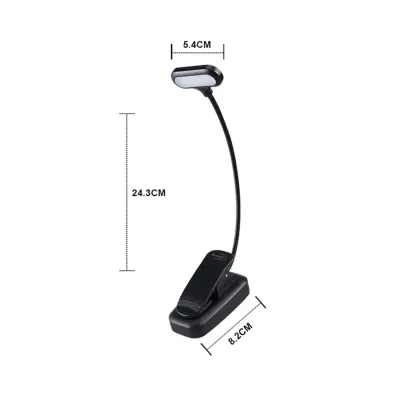
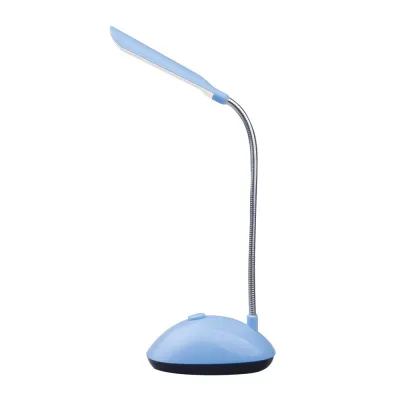
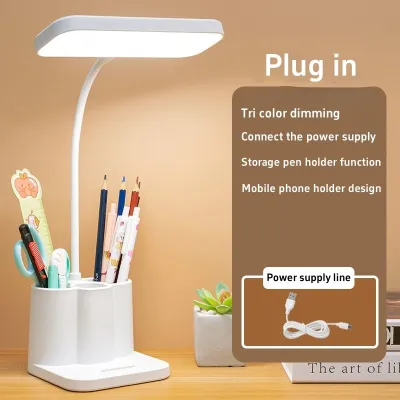
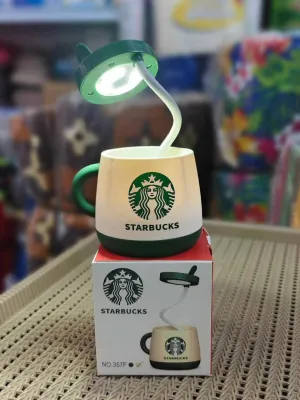
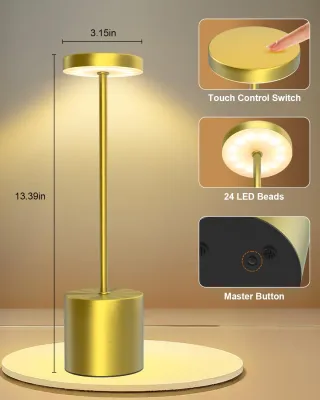
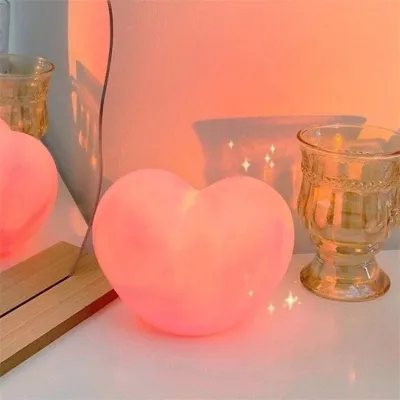
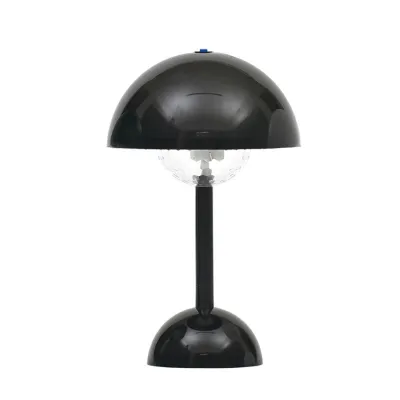
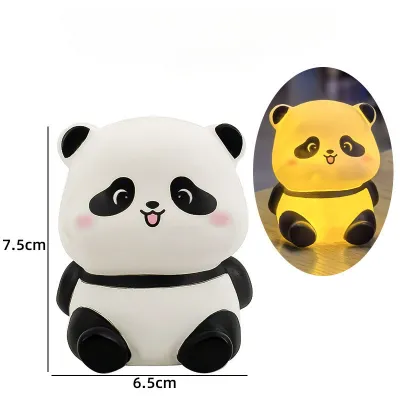
Prices are valid at publication and may change. Please refer to the product page for the latest price.
By establishing your primary constraint first, you can filter out unsuitable models immediately. A beautiful, heavy lamp with a wide base is useless if your desk is already cluttered with a laptop and notebooks. Similarly, a highly portable but low-capacity lamp will fail you during an extended power interruption.
Maximizing Light in Limited Desk Spaces
When desk space is at a premium, a traditional desk lamp with a heavy, wide base can severely restrict your productivity. For these tight setups, alternative mounting styles offer a practical solution. Clamp-on battery-powered lamps can be secured directly to the edge of your desk or a nearby shelf, completely freeing up your main working surface.

Another space-saving option is a wall-mounted magnetic lamp. These models often feature a base that adheres to the wall, while the lamp body attaches magnetically, allowing you to detach it easily for charging. If you prefer a freestanding lamp, look for models with ultra-slim profiles, foldable arms, or telescopic poles. These designs can be folded flat or collapsed when not in use, making them easy to slide into a drawer or place beside your laptop stand.
However, a smaller physical footprint should not mean compromising on light coverage. When evaluating compact lamps, check the manufacturer’s specifications for light spread and beam angle. A lamp with an adjustable head allows you to direct the light precisely where you need it, preventing glare on your computer screen while ensuring your physical documents are fully illuminated. Look for wide, rectangular lamp heads rather than single-point bulbs, as they distribute light more evenly across your workspace.
Ensuring Reliable Light During Power Interruptions
For WFH professionals and students, power interruptions are a common disruptor, especially during the rainy season. When the grid goes down, your desk lamp becomes your primary light source. To ensure your lamp can withstand a long brownout, you must look past vague marketing claims like “long-lasting battery” and inspect the technical specifications.
Start by checking the battery capacity, which is measured in milliampere-hours (mAh). Generally, a higher mAh rating indicates a larger energy storage capacity, but the actual runtime depends on the lamp’s power consumption and your chosen brightness level. Check the manufacturer’s label for estimated runtimes at low, medium, and high brightness settings. A reliable lamp should provide clear, distinct runtime estimates for each level rather than a single, inflated number.
Charging convenience is equally important. Verify the charging port type; modern USB-C ports generally offer faster and more reliable power delivery than older micro-USB connections. Crucially, check if the model supports pass-through charging, which allows you to use the lamp at full brightness while it is plugged into a wall outlet or a power bank. This feature ensures that the battery remains fully charged and ready for unexpected outages. Additionally, look for models with visible low-battery indicators, such as a color-changing LED, so you are never caught off guard by sudden darkness.
Choosing Lamps for Portability and Flexible Placement
If your daily routine involves moving between different rooms, a highly portable desk lamp is essential. Portability is not just about being cordless; it requires a thoughtful physical design. Evaluate the overall weight of the lamp and check if it features a built-in handle or a textured grip that makes it easy to carry with one hand while holding your laptop or books in the other.
A well-designed portable lamp must also have a balanced center of gravity. Lightweight plastic lamps can easily tip over if the head is extended too far or if they are placed on an uneven surface, such as a bed or a sofa cushion. Look for models with a weighted but compact base that keeps the unit stable during transit and adjustment. The build quality should be durable enough to withstand frequent handling, with sturdy hinges that do not loosen over time.
Multi-functional designs are highly beneficial for flexible lifestyles. Some battery-powered lamps can transition smoothly from a focused, downward-facing task light for writing to an upward-facing ambient light for your room. Others feature detachable light bars that can be used as handheld flashlights or emergency lanterns. This versatility ensures that your investment serves multiple purposes throughout your home.
Verifying Safety and Electrical Compatibility
Because battery-powered desk lamps contain lithium-ion or lithium-polymer batteries, safety must be a primary consideration. When purchasing a lamp, always verify its electrical compatibility with the local grid. In the Philippines, the standard voltage is 220V. If the lamp comes with a dedicated wall adapter, ensure the adapter is rated for this voltage range to prevent overheating, short circuits, or permanent damage to the battery.
Look for visible safety certification marks on the product packaging, the lamp body, or the charging adapter. These certifications indicate that the product has undergone rigorous testing for electrical safety, overcharge protection, and materials quality. Avoid unbranded, extremely cheap models that lack these markings, as they often use substandard battery cells that pose a fire hazard.
Thermal management is another critical safety aspect to monitor. During extended use or while charging, the lamp base, battery compartment, and charging adapter should remain cool or only slightly warm to the touch. If you notice excessive heat, a burning smell, or swelling in the battery compartment, disconnect the power immediately and stop using the device. Always place the lamp on a hard, flat surface while charging to allow proper heat dissipation.
Building Your Scenario-Based Shortlist
To make your final decision on an ecommerce platform, create a structured filtering framework based on your primary constraint. If your main issue is space, filter your search for “clamp-on rechargeable LED” or “magnetic wall-mounted lamp” and set a strict limit on the base dimensions. If power reliability is your main concern, prioritize models with a battery capacity of at least 2000mAh to 4000mAh, and verify that they support pass-through charging. For portability, look for lightweight, foldable designs with integrated handles.
When comparing options, do not rely solely on the product images or the seller’s description. Read user reviews carefully, paying close attention to feedback from buyers who have used the lamp for several months. Look for comments regarding long-term battery degradation, actual runtime compared to the manufacturer’s claims, and the durability of the hinges and charging port.
Be alert to red flags that indicate a low-quality product. Avoid listings that omit crucial technical specifications, such as the exact battery capacity, lumen output, or voltage requirements. Missing warranty information or vague return policies are also significant warning signs. Investing a bit more in a well-documented, certified lamp will save you money and frustration in the long run, ensuring a safe and reliable light source for your WFH or study setup.
Frequently Asked Questions (FAQ)
Can I leave my battery-powered desk lamp plugged in all the time?
Whether you can leave your lamp plugged in continuously depends entirely on the manufacturer’s design and battery management system. You must check the specific user manual to see if the model features overcharge protection. For lamps without this protection, constant charging can degrade the lithium battery over time, reducing its overall lifespan and capacity. If the manual permits continuous plug-in use, it is still good practice to occasionally run the lamp on battery power to keep the battery cells active.
How do I know if the light is bright enough for studying?
To determine if a lamp provides adequate illumination, check the product specifications sheet for the lumen output or lux rating rather than relying on subjective marketing terms. For focused studying or reading, a light output of 300 to 500 lumens is generally recommended. Additionally, look for lamps that offer adjustable brightness levels and color temperatures. This adjustability allows you to customize the light to suit different times of day and match the ambient lighting in your room, reducing eye strain.
What should I do if the built-in battery stops holding a charge?
If your lamp’s battery stops holding a charge, first rule out external power delivery issues by testing a different charging cable, power adapter, and wall outlet. If the issue persists and the battery is integrated, do not attempt to open the lamp casing yourself to replace the battery. Doing so can damage the internal circuitry and poses a severe risk of electrical shock or fire. Instead, check if the product is still covered under the manufacturer’s warranty for a replacement, or consult a qualified professional for repair.
Community discussion
Share your experience or ask a question. Comments are reviewed before publication.