
To find the right dim lights for your bedroom, you need to look beyond aesthetics and focus on adjustable brightness, warm color temperatures, compatible control methods, and physical safety specifications. Selecting a light that can drop to very low light levels ensures a restful environment, while verifying electrical compatibility prevents safety hazards. By evaluating these technical details before making a purchase, you can create a relaxing sanctuary that supports your sleep cycle and fits seamlessly into your daily routine.
Decoding Brightness and Color Temperature for Sleep
When shopping for bedroom lighting, wattage is a misleading indicator of brightness. Wattage measures power consumption, while lumens measure actual light output. For a relaxing bedroom, check the product label for lumens rather than watts. A light that is too bright can disrupt your sleep cycle, so look for fixtures with a low starting lumen output or a highly adjustable range.
The light’s color tone, measured on the Kelvin (K) scale, is also crucial for winding down. Lower Kelvin numbers represent warmer, amber light, while higher numbers indicate cooler, bluish-white light. For a bedroom, look for a warm white range between 2200K and 2700K. This warm glow mimics sunset, signaling your brain to rest. Check the manufacturer’s specifications on the packaging to confirm this rating.
Products mentioned in this guide
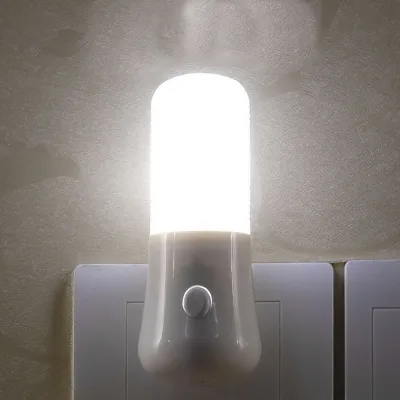
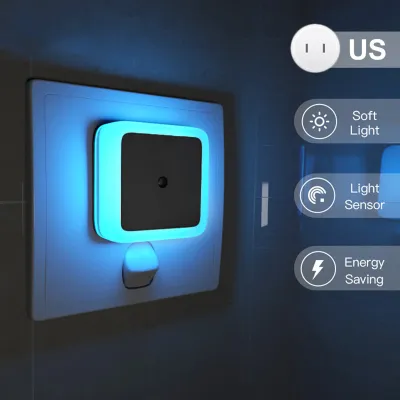
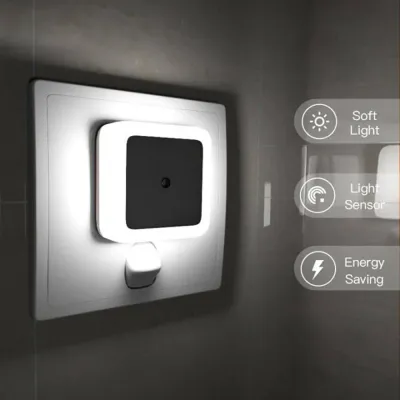
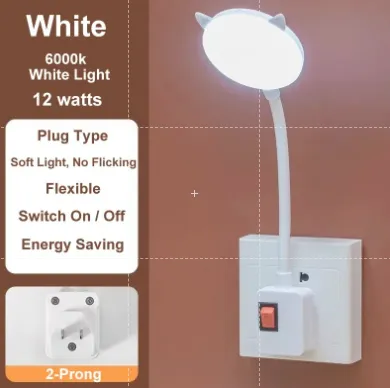
Prices are valid at publication and may change. Please refer to the product page for the latest price.
Verify the fixture’s dimming range before buying. Some dimmable lights only dim down to 10% or 20% of their maximum brightness, which can still feel too intense in a dark room. Look for lights that explicitly state a wide dimming range, ideally down to 1% or 5%. This ensures the light can fade to a soft, barely-there glow that will not disturb your eyes during the night.
Choosing the Right Control Method for Bedside Convenience
Operating your bedroom light should not require getting out of bed. Manual controls like rotary dials, inline cord switches, or touch-sensitive bases are highly reliable but require the fixture to be within arm’s reach. If your layout places the light further away, a physical remote control offers a practical alternative, allowing you to adjust brightness and power from across the room without needing a smartphone.

For smart home integration, check the product packaging for compatibility before purchasing. Many smart dim lights require a stable 2.4 GHz Wi-Fi connection, while others need a dedicated hub or specific Bluetooth protocol. Verify which mobile application is required and ensure it is compatible with your smartphone. If you plan to use voice commands, look for certified compatibility labels for your preferred smart assistant.
Timer and scheduling functions are valuable additions to a bedtime routine. Many modern dim lights, especially smart models, allow you to program automatic shut-off times or gradual fade-outs. This helps you drift off to sleep without leaving the light on all night, conserving energy and preserving the light source. Check the product description or app features to confirm if these scheduling options are supported.
Checking Physical Dimensions and Electrical Safety
Before purchasing, verify the fixture’s electrical compatibility with your home’s power supply. In the Philippines, the standard residential voltage is 220V at 60Hz. Using a light rated solely for 110V without a proper transformer can damage the device or pose an electrical hazard. Always inspect the product label for local safety certifications, such as the Philippine Standard (PS) mark or the Import Commodity Clearance (ICC) sticker.
Physical dimensions require careful planning to avoid overcrowding your bedside table. Measure your nightstand and compare it to the base dimensions of the lamp to ensure a stable, secure fit. A top-heavy lamp can easily be knocked over in the dark. If you are considering a floor-standing ambient light or a projection lamp, ensure you have a clear, unobstructed path to prevent tripping hazards.
Heat dissipation is another crucial safety factor, particularly in warm, humid tropical climates. Even energy-efficient LED lights generate heat, and poor ventilation can shorten their lifespan or create a fire hazard. Check the manufacturer’s instructions for safe clearance requirements around fabrics, bedding, curtains, or mosquito nets. Opt for fixtures constructed with heat-resistant materials like aluminum or robust polycarbonate, and avoid placing them in tightly enclosed spaces.
Specs You Can Safely Ignore for Ambient Lighting
When evaluating options on an online marketplace, it is easy to get overwhelmed by technical specifications that do not impact your bedroom experience. One such specification is a high Color Rendering Index (CRI). While a CRI of 90 or higher is critical for task-oriented spaces like vanity mirrors or kitchens, it is unnecessary for ambient bedroom lighting. A lower CRI is perfectly acceptable for a light designed purely to help you relax.
Extreme peak brightness is another specification you can safely overlook. Manufacturers often highlight high maximum lumen outputs, such as 1,000 lumens or more, as a selling point. However, for dedicated bedroom mood lighting, you will rarely need this level of intensity. Unless the lamp doubles as a primary room light, focus your attention entirely on how low and warm the light can go.
Finally, complex color-changing modes are features you can skip if your primary goal is a restful sleep environment. While multi-colored RGB effects can be entertaining, they often add unnecessary cost and complexity. If you simply want a steady, relaxing glow to help you wind down, a single-color warm white or amber light is often more reliable, easier to operate, and more budget-friendly.
Frequently Asked Questions (FAQ)
Can I use a smart bulb in a lamp with a physical dimmer switch?
Using a smart bulb in a fixture controlled by a traditional physical dimmer switch is not recommended. Physical dimmers reduce power by chopping the electrical current, which starves the smart bulb’s internal electronics of the constant voltage they need. This mismatch can lead to rapid flickering, buzzing, connectivity drops, or permanent damage to the bulb. To use a smart bulb safely, install it in a standard non-dimmable fixture, keep the physical switch turned fully on, and perform all dimming adjustments through the bulb’s app or a compatible smart remote.
Do sunset projection lamps provide enough light for reading?
Sunset projection lamps are designed to project a soft, colorful wash of ambient light onto walls or ceilings to create a relaxing atmosphere, rather than to illuminate a specific task. Because their light is highly diffused and projected away from your immediate space, they do not provide the focused, glare-free illumination required for reading. Reading under ambient projection lighting can cause eye strain. For comfortable reading, pair your ambient sunset lamp with a dedicated bedside reading light that directs focused light directly onto your book.
Community discussion
Share your experience or ask a question. Comments are reviewed before publication.