
Positioning LED curtain lights successfully depends on matching their vertical drop and light density to the distinct daily functions of each room. In the bedroom, the goal is low-glare, diffused relaxation, which is best achieved by placing lights behind the headboard or layering them behind sheer window curtains. In the living room, the goal shifts to dynamic, social, and zoned illumination, which is best achieved by framing media walls or hanging them as glowing, translucent room dividers.
Achieving these atmospheric effects requires more than simply hanging the strands where they fit. In modern Philippine condos, where compact spaces and concrete walls are the norm, lighting must work double duty to enhance the room’s depth without creating visual clutter. By understanding how vertical light trails interact with your furniture and layout, you can transform standard vertical strings into sophisticated design elements.
Defining the Ambient Goals: Rest vs. Socializing
Every room in a home serves a distinct psychological and functional purpose, and the lighting must reflect these differences. The bedroom is a sanctuary designed for winding down, escaping the stresses of the day, and preparing the body for restorative sleep. Consequently, bedroom lighting requires low-glare, low-intensity, and highly intimate configurations that do not overstimulate the eyes or disrupt your natural circadian rhythm.
Products mentioned in this guide
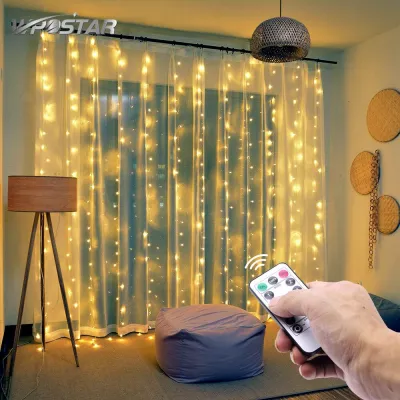
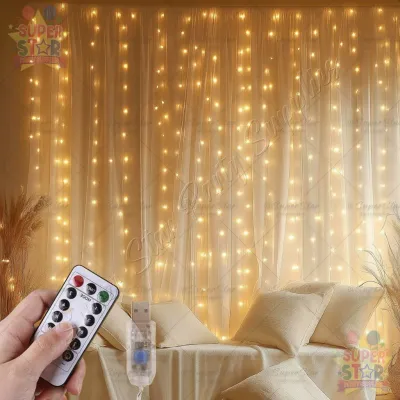
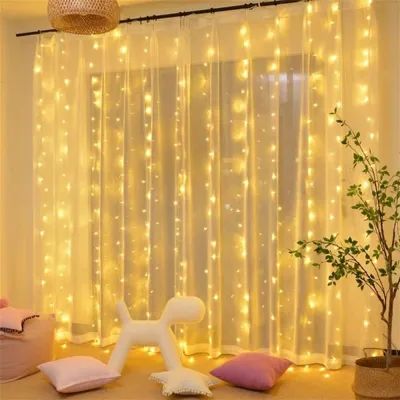
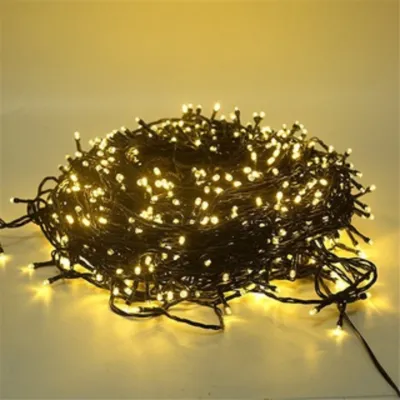

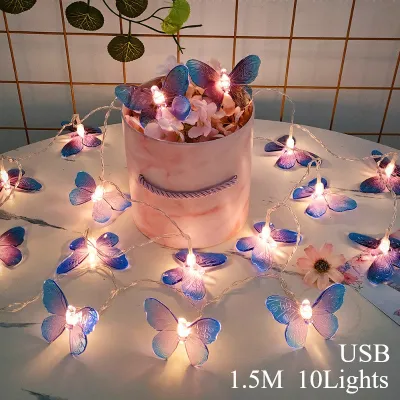
Prices are valid at publication and may change. Please refer to the product page for the latest price.
In contrast, the living room is a multi-use, communal hub where family members gather, guests are entertained, and various activities occur simultaneously. This dynamic environment demands versatile, social, and focal-point illumination that can transition from bright and energetic during the day to warm and cozy in the evening. Living room lighting must support face-to-face conversation, media viewing, and general navigation without leaving dark, uninviting corners.
The vertical drop and density of LED curtain lights—often referred to as waterfall or cascade lights—interact uniquely with the geometry of these spaces. In a private bedroom, the long, parallel lines of light can be used to soften rigid architectural lines and create a sense of cocoon-like enclosure. In a spacious or open-plan living room, those same vertical lines draw the eye upward, emphasizing ceiling height and serving as a visual anchor that defines specific functional zones.
Successful placement is not merely about finding an empty wall; it is about layering these vertical light sources with your existing furniture, decor, and natural light patterns. When positioned thoughtfully, curtain lights do not compete with your primary fixtures. Instead, they provide a soft, mid-level glow that bridges the gap between bright overhead ceiling lights and low-level floor lamps, shaping a balanced and visually rich environment.
Bedroom Placement Strategies for Restful Ambiance
To establish a serene atmosphere in the bedroom, placement must prioritize indirect illumination. Direct exposure to bare LED bulbs can cause eye strain and unwanted glare, especially when you are lying down. By utilizing strategic architectural features and soft fabrics, you can diffuse the light output to create a gentle, calming glow.

Behind the Headboard or Bed Canopy
Using LED curtain lights as a soft backlight behind your bed frame turns the sleeping area into a cozy visual focal point. To execute this setup, mount the main horizontal support string securely on the wall directly behind your headboard, allowing the individual vertical drops to cascade down behind the bed. If your bed features a wooden or upholstered headboard, the structure acts as a natural shield, blocking the direct line of sight to the light sources while casting a soft halo of light upward and outward along the wall.
For beds with a four-poster frame or a canopy setup, you can drape the vertical drops directly over the frame or weave them through lightweight fabric. This creates a starry, canopy-like effect overhead. When designing this layout, ensure the lights are positioned well away from your direct field of vision when your head is on the pillow. The goal is to frame the sleeping space with a gentle, ambient border that promotes relaxation rather than keeping you awake with bright, direct pinpoints of light.
Layering with Window Sheers
Integrating LED curtain lights with your existing window treatments is an excellent way to soften their output. The most effective technique involves sandwiching the light strands between a solid blackout curtain facing the window and a translucent sheer curtain facing the room. When the lights are turned on, the sheer fabric acts as a large diffuser, scattering the light rays to create a soft, ethereal glow that closely mimics natural moonlight.
Practical execution requires careful attention to the physical operation of your windows and drapes. Mount the main horizontal cord of the curtain lights on a separate track or dedicated adhesive hooks placed between the two curtain rods. This ensures that when you open or close your blackout curtains, the light strands remain undisturbed and do not get tangled in the curtain rings or tracks. During the day, this layering method keeps the wiring completely hidden behind the sheers, preserving a clean, uncluttered bedroom aesthetic.
Living Room Placement Strategies for Dynamic Spaces
Living rooms require a more active and visually engaging lighting plan to accommodate socializing and entertainment. Rather than focusing solely on soft concealment, living room placement can be bolder, using the vertical drops of the LED curtain to define spaces, highlight architectural features, and complement your media center.
Framing the Media Wall or TV Area
Integrating vertical light strands into your entertainment zone can significantly enhance your viewing experience, provided you avoid screen glare. Instead of hanging the lights on the wall directly opposite your television—which creates distracting reflections on the screen—position them on the wall behind the television console or on adjacent side walls. This setup acts as a form of bias lighting, reducing the harsh contrast between a bright TV screen and a dark room, which helps alleviate eye strain during long movie sessions.
To maintain a truly cinematic atmosphere, keep the light strands slightly offset from the immediate borders of the television frame. Hanging them a few feet to the left and right of the console adds visual depth and makes the room feel wider. Always utilize the dimming function or select a lower brightness level during movie nights so the ambient display remains a subtle background accent rather than competing with the visual action on the screen.
Creating Soft Room Dividers and Shelf Backlighting
In open-plan condo layouts, defining separate functional zones without blocking natural light or consuming valuable floor space can be a challenge. LED curtain lights offer an elegant solution when hung from tension rods or ceiling-mounted tracks to serve as a translucent, glowing partition between the living and dining areas. The vertical drops create a soft visual boundary that clearly demarcates the two spaces while maintaining an airy, open feel throughout the home.
Another sophisticated approach is draping the curtain lights behind open shelving units, display cabinets, or bookcases. By positioning the vertical strands along the back of the shelves, you create a layered backdrop that beautifully highlights books, plants, and decorative objects. This technique adds immediate three-dimensional depth to the room, transforming a flat wall into an active design feature without requiring any bulky furniture modifications.
Choosing the Right Light Specs and Modes for Each Room
Selecting the correct technical specifications is just as important as physical placement. The color temperature, brightness, and operational modes of your LED curtain lights should be chosen based on the specific psychological and physical demands of each room.
For the bedroom, warm white tones ranging from 2700K to 3000K are highly recommended. These warmer wavelengths do not interfere with melatonin production, helping your body transition naturally into sleep mode. In contrast, the living room benefits from slightly cooler or adjustable color temperatures, such as a neutral white (around 3000K to 4000K), which helps maintain alertness and energy during social gatherings. Many modern LED curtains offer dual-color or adjustable white settings, allowing you to transition from a bright, active setting during the day to a warmer, relaxing tone at night.
Lighting modes also play a critical role in setting the scene. In a sleep environment, static or steady-on modes are essential, as flashing, chasing, or rapid fading patterns can be highly disruptive to relaxation. For the living room, dynamic modes like gentle fading, slow twinkling, or pulsing can add a festive, celebratory energy during parties or holiday gatherings.
| Room | Recommended Color Temp (K) | Recommended Brightness | Preferred Modes | Mounting Method |
|---|---|---|---|---|
| Bedroom | Warm White (2700K – 3000K) | Low to Medium (10% – 50%) | Static / Steady Glow | Behind headboard or between curtain layers |
| Living Room | Warm to Neutral White (3000K – 4000K) | Medium to High (50% – 100%) | Steady, Twinkle, or Slow Fade | Tension rods, ceiling tracks, or shelf backings |
Before purchasing your LED curtain lights, always check the product packaging, instruction manual, and manufacturer specifications. Verify that the product explicitly supports dimming if you plan to adjust the brightness, and ensure the controller offers a dedicated memory function so the lights turn on with your preferred mode and brightness level every time.
Condo-Friendly Installation and Electrical Safety
Living in a rented condo or concrete-walled apartment requires installation methods that do not cause permanent damage or violate building association rules. Fortunately, lightweight LED curtain lights can be easily installed using damage-free, removable solutions.
To mount your lights without drilling, utilize clear self-adhesive cable clips, tension rods, or lightweight curtain rings. Before applying adhesive clips to painted concrete walls or window frames, clean the surface thoroughly with rubbing alcohol to remove dust and oils, ensuring a strong bond. In humid tropical climates, standard adhesives can degrade over time; look for moisture-resistant adhesive strips designed specifically for high-humidity environments to prevent the lights from falling unexpectedly.
Proper cord management is essential for safety and aesthetics, especially in high-traffic living areas. Use clear cable ties or low-profile cord channels to route the power cables neatly along baseboards, door frames, or the corners of walls. This prevents tripping hazards and keeps the installation looking polished and professional. Avoid running power cords under rugs or heavy furniture, as this can compress the wires, damage the insulation, and create a hidden fire hazard.
Electrical safety must always be a priority when installing decorative lighting. Before plugging in your LED curtain lights, verify that the power adapter’s voltage rating matches your local household supply (typically 220V AC, 60Hz in the Philippines). Ensure that any USB adapters or wall plugs you use are certified by relevant local or international safety standards, such as carrying a Philippine Standard (PS) mark, Import Commodity Clearance (ICC) sticker, or CE/UL certification. Avoid overloading extension cords or power strips by daisy-chaining multiple high-wattage appliances alongside your decorative lights.
Additionally, pay close attention to thermal safety. While quality LEDs run remarkably cool, they still generate a small amount of heat. Avoid tightly bunching the light strands together or placing them in direct contact with highly flammable, heavy, or non-breathable fabrics that might trap heat over long periods of operation. Keep the power adapter in a well-ventilated area, away from direct water sources, humidifiers, or open windows where rain might splash during monsoon storms. If you are considering a hardwired setup, modifying your existing wall switches, or hanging heavy suspended loads from high ceilings, always isolate the main power at the circuit breaker first and consult a qualified professional or registered electrician.
Frequently Asked Questions (FAQ)
Can I use the same LED curtain lights for both the bedroom and living room?
Yes, you can use the same set of LED curtain lights for both spaces, provided you select a highly versatile model. To transition seamlessly between a restful bedroom and an active living room, choose lights that feature adjustable brightness levels, multiple color temperature settings (ranging from warm white to neutral white), and a remote control. By altering the hanging method—such as using a soft, diffused sheer curtain setup in the bedroom versus an open, dynamic room divider layout in the living room—and adjusting the controller settings, you can easily shift the product’s visual impact to match the room’s specific ambient goals.
How do I prevent LED curtain lights from looking tangled or messy?
To prevent your LED curtain lights from becoming a tangled mess, keep the individual vertical drops tied up in their original factory twist-ties during the initial installation. First, mount the main horizontal support cord securely along your wall, window, or rod. Once the main horizontal line is perfectly straight, level, and anchored, untie the individual vertical strands one by one, letting them drop naturally. When taking the lights down, reverse this process: wind up and secure each vertical drop individually with a twist-tie or hair clip before unmounting the main horizontal cord. Keeping the main line taut and using small, clear weights at the bottom of each strand can also help maintain a clean, uniform, waterfall-like appearance.
Community discussion
Share your experience or ask a question. Comments are reviewed before publication.