
Choosing the right table lamp depends on balancing focused, low-glare task lighting for your bedside with expansive, ambient illumination for your living room. While a bedside lamp must support close-up activities like reading without straining your eyes, a living room lamp serves to soften dark corners and create a warm, welcoming atmosphere. By evaluating physical dimensions, brightness levels, and control mechanisms, you can select fixtures that elevate both the functionality and aesthetic of your home.
Identifying Core Lighting Needs for Each Space
To choose the perfect lamp, start by analyzing how you interact with each room throughout the day. In the bedroom, your routine typically transitions from active preparation to wind-down relaxation. A bedside lamp primarily functions as a task light, casting focused illumination downward onto a book, tablet, or nightstand surface. Because this light is positioned close to where you rest, it requires a design that shields your eyes from direct bulb glare while offering enough clarity for reading.
In contrast, the living room is a multi-functional, high-traffic communal area where activities range from hosting guests to watching television. A living room lamp usually serves as ambient or accent lighting rather than a direct task light. Instead of focusing light on a spot, it should diffuse illumination outward to soften shadows in corners and complement the room’s primary ceiling fixtures.
Products mentioned in this guide

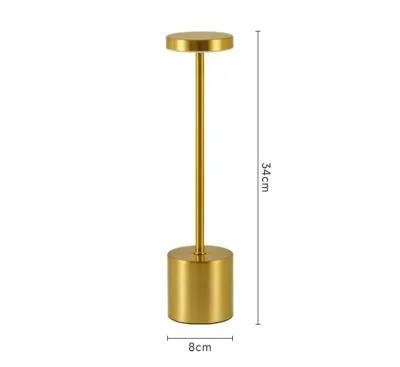
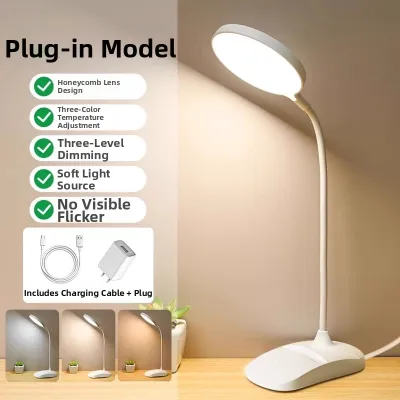
Prices are valid at publication and may change. Please refer to the product page for the latest price.
Your daily habits will dictate whether you need adjustable brightness or a fixed light output. If you use your bedroom for both working and sleeping, a lamp with adjustable levels is highly beneficial. For a living room corner that only needs a steady, warm glow in the evening, a simple, single-output fixture may be entirely sufficient.
Comparing Brightness, Color, and Controls
Selecting the right technical specifications ensures your lamp performs safely and comfortably. When shopping, always check the manufacturer’s label on the lamp socket or base to verify the maximum wattage limit and compatible bulb base type, such as E27 or E14. Exceeding the recommended wattage can cause excessive heat buildup, posing a safety hazard.

Brightness is measured in lumens, and the ideal output varies significantly between spaces. For bedside reading, a lower lumen output is generally preferred to prevent eye strain in a dark room, whereas a living room lamp may require higher lumens to contribute effectively to the overall ambient light. Always verify the bulb packaging to ensure the lumen output matches your comfort level.
Color temperature, measured in Kelvin (K), determines the warmth or coolness of the light. For both bedrooms and living rooms, warmer tones—typically between 2700K and 3000K—are highly recommended to promote relaxation. If you prefer a clearer, more neutral light for reading, look for bulbs closer to 4000K, but keep in mind that cooler temperatures can feel clinical in a cozy bedroom setting.
The physical switch mechanism is another critical factor for daily convenience. For a bedside table, touch-sensitive bases or pull chains are highly practical because they are easy to locate and operate from a lying position in the dark. For living room side tables, standard rotary switches, rocker switches, or inline cord switches work well, especially if the lamp is plugged into a wall outlet controlled by a main wall switch.
Dimmability adds immense versatility to any space. If you want the option to adjust light levels, verify that both the lamp fixture and the bulb are explicitly rated as dimmable. Using a non-dimmable LED bulb on a dimming circuit can lead to annoying flickering, buzzing, or premature bulb failure.
Sizing the Lamp to Fit Your Furniture
A lamp must scale proportionally with the furniture it sits on to look visually balanced and function correctly. To determine the ideal height for a bedside lamp, sit on your mattress and measure the height from the tabletop to your eye level. Ideally, the bottom of the lamp shade should align roughly with your chin or eye level when you are sitting up. This placement ensures the shade shields your eyes from the bare bulb while directing light downward onto your lap.
For a living room, the height of the lamp should coordinate with your seating. When sitting on your sofa or armchair, the bottom of the shade should ideally be at eye level to prevent glare while you converse or watch television. A lamp that is too tall will expose the hot bulb to anyone sitting nearby, while one that is too short will fail to cast light effectively across the seating area.
Consider the footprint of the lamp base relative to the tabletop surface. A bedside table often holds essentials like a phone, a glass of water, and a book, meaning a compact base is essential to avoid clutter. In the living room, a larger console or end table can accommodate a wider, more substantial base, allowing the lamp to serve as a bold decorative statement.
Finally, evaluate the shade’s width and depth. The shade should not extend past the edges of the table, as this increases the risk of the lamp being bumped and knocked over in high-traffic areas. Ensure there is a clear clearance space around the lamp to maintain visual balance and physical safety.
Coordinating Styles and Materials
The materials and finishes of your lamp should harmonize with the existing decor of each room. In a bedroom, which serves as a personal sanctuary, you might prefer softer, tactile materials. Ceramic bases with matte glazes, natural wood, or frosted glass can create a calming, organic feel. Fabric shades, such as linen or cotton, are excellent for bedrooms because they gently diffuse light, creating a soft, glare-free glow.
For communal living spaces, you can experiment with bolder materials that match your home’s hardware and architectural details. Polished metals, textured stone, or tinted glass bases can add sophistication and complement elements like coffee table legs or cabinet pulls. If you want to highlight a specific corner, a dark or opaque shade can direct light strictly upward and downward, creating dramatic pools of light.
Do not forget to evaluate how the lamp looks when it is turned off. A well-chosen lamp acts as a sculptural decorative object during the day. Consider the visual weight of the piece; a heavy, solid ceramic lamp grounds a light-colored living room corner, while a slender metal swing-arm lamp keeps a small bedside space looking open and airy.
Evaluating Cross-Scenario Compatibility
If you like to rearrange your home layout periodically, choosing a versatile lamp design can save you money and effort. Neutral colors like cream, gray, or soft metallic finishes transition easily between bedroom and living room aesthetics. Classic shapes, such as a simple gourd ceramic base or a minimalist metal cylinder, adapt well to changing decor trends.
Before moving a lamp to a new room, verify that the cord length and plug type are compatible with the outlet placements in the new location. In the Philippines, where tropical humidity can affect electrical components, ensure the cord is in excellent condition and long enough to reach the outlet without being stretched taut. Avoid using daisy-chained extension cords, which can look untidy and present safety risks.
Adjustable features greatly enhance a lamp’s cross-scenario utility. A lamp with a swing arm or an adjustable shade can serve as a focused reading light next to your bed, and later transition into a task light next to a living room armchair or a desk. This adaptability makes the fixture a long-term investment for your home.
Ensuring Safe Placement and Cord Management
Electrical safety is paramount when positioning lamps in any room. Before plugging in any fixture, inspect the cord, plug, and socket for physical damage, fraying, or loose connections. Ensure the lamp carries recognized electrical safety certification marks, indicating it has been tested to meet local safety standards.
Route cords carefully to eliminate tripping hazards. In high-traffic living room walkways or beside the bed where you might step in the dark, secure cords along baseboards or under furniture. Never run cords under rugs or carpets, as walking over them can wear down the insulation and create a hidden fire hazard.
Always place your lamp on a stable, level surface away from table edges. In a tropical climate, ceiling fans are common; ensure the lamp is heavy enough or positioned securely so that strong drafts do not cause it to wobble. Additionally, keep flammable materials such as lightweight curtains, mosquito nets, or loose bedding at a safe distance from both the bulb and the shade to prevent heat buildup.
Frequently Asked Questions (FAQ)
Can I use a living room table lamp on my bedside table?
Yes, you can, provided the lamp’s physical dimensions and brightness are appropriate for a bedroom setting. Many living room lamps are taller and have wider shades, which might cause glare if the bulb sits above your eye level when you are lying down. Additionally, ensure the switch is easily reachable from your bed so you do not have to stand up to turn it off.
Do I need a smart table lamp for my bedroom?
A smart lamp or a smart bulb is not strictly necessary, but it offers significant convenience. It allows you to dim the light, change color temperatures, or turn the lamp off using a smartphone app or voice commands without leaving the comfort of your bed. To use these features, you will need a stable home Wi-Fi connection and a compatible smart home setup.
Community discussion
Share your experience or ask a question. Comments are reviewed before publication.