
Selecting the perfect lamp for your home involves more than finding a design that matches your aesthetic. The bulb you pair with your fixture directly influences how you experience a space, affecting everything from your sleep quality to your visual comfort. To achieve the ideal balance, you must select different specifications for different rooms. A bedside reading lamp requires focused task lighting, which is best achieved with 300 to 450 lumens and a warm color temperature of 2700K to 3000K to protect your eyes and support natural sleep cycles. Conversely, a living room table lamp serves primarily as ambient or accent lighting, calling for a broader output of 400 to 800 lumens and a color temperature of 2700K to 4000K to create an inviting, cohesive atmosphere.
Task vs. Ambient: Why Purpose Dictates Your Lamp Specs
Understanding the fundamental difference between task and ambient lighting is the first step toward optimizing your home’s lighting scheme. Task lighting is highly focused, directional illumination designed to help you perform specific activities—such as reading, writing, or studying—without straining your eyes. Because the human eye requires clear contrast to distinguish text on a page, a task lamp must project light directly onto your reading material. This concentrated beam minimizes shadows and allows you to focus for longer periods without fatigue.
Ambient lighting, on the other hand, acts as a substitute for natural daylight, filling a room with a soft, overall glow. A living room table lamp typically functions as an ambient or accent light source, helping to soften harsh shadows in the corners of the room, highlight architectural features, and make the space feel warm and welcoming. Rather than focusing light on a single spot, an ambient lamp disperses illumination across a wider area, facilitating casual conversation, television viewing, or general navigation. Applying a single lighting standard to both of these distinct scenarios often leads to discomfort, resulting in either a bedroom that feels too bright and clinical or a living room that feels dim and uninviting.
Products mentioned in this guide
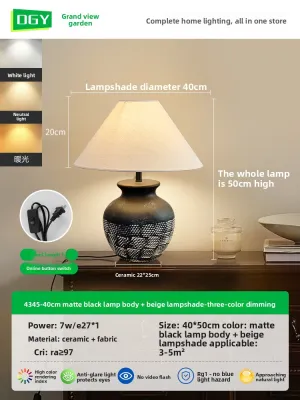
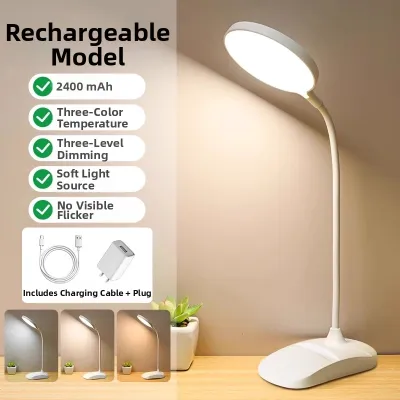
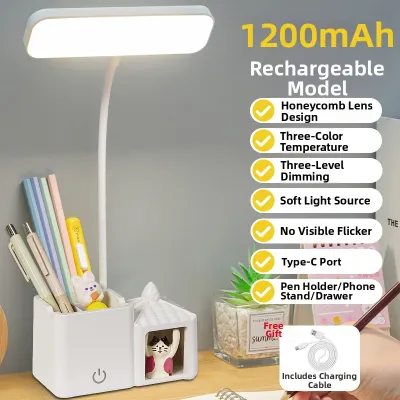
Prices are valid at publication and may change. Please refer to the product page for the latest price.
Decoding Lumens: Finding the Right Brightness for Each Room
To select the correct brightness for each lamp, you must understand lumens rather than relying solely on wattage. Historically, consumers used wattage to gauge a bulb’s brightness, but wattage actually measures electrical power consumption, not light output. Lumens measure the total amount of visible light emitted by a bulb. With energy-efficient LED technology dominating the market, a low-wattage bulb can easily produce a high lumen output, making it essential to read the lumen rating on the packaging before making a purchase.

For a bedside reading lamp, comfort and localized control are paramount. A range of 300 to 450 lumens is generally ideal for reading printed books or e-readers without causing excessive glare or waking a sleeping partner. However, the exact brightness you need can vary based on individual factors. Older readers often require higher light levels—closer to 500 lumens—due to natural age-related changes in visual acuity. Additionally, if your book features high-gloss paper, a highly directional lamp with a slightly lower lumen output can help prevent harsh reflections.
A living room table lamp requires a different approach, with a recommended range of 400 to 800 lumens. If the lamp is your primary light source for evening relaxation, aiming for the higher end of this range (around 600 to 800 lumens) ensures the room is sufficiently illuminated. If the lamp is positioned next to a television or serves purely as a decorative accent to complement recessed ceiling lights, a softer output of 400 to 500 lumens is more appropriate.
To bridge the gap between these varying daily needs, look for lamps with built-in dimming capabilities or pair your fixtures with smart LED bulbs. Dimmable systems allow you to transition your living room lamp from a bright 800 lumens for family board games to a low 200 lumens for movie nights. Similarly, a dimmable bedside lamp can be set to maximum brightness for reading and then dialed down to a faint glow when you are winding down for sleep.
Color Temperature (Kelvin): Balancing Eye Comfort and Mood
Color temperature, measured on the Kelvin scale, describes the warmth or coolness of a light source. Lower Kelvin ratings (2000K to 3000K) produce a warm, yellowish light reminiscent of candlelight, while mid-range ratings (3500K to 4500K) offer a clean, neutral white. Higher Kelvin ratings (5000K to 6500K) emit a cool, bluish-white light that mimics bright midday sun. Understanding these distinctions is crucial for aligning your lighting with your body’s circadian rhythm and the aesthetic goals of your home.
In the bedroom, supporting healthy sleep hygiene should be your primary concern. Exposure to cool, blue-toned light in the evening suppresses the body’s production of melatonin, a hormone essential for regulating sleep cycles. To prevent sleep disruption, equip your bedside reading lamp with a warm bulb rated between 2700K and 3000K. This warm light signals to your brain that the day is ending, helping you transition into a restful state while still providing sufficient contrast for reading.
For your living room table lamp, the goal is to match the color temperature with the room’s overall design and functional requirements. A warm temperature of 2700K to 3000K is highly recommended for creating a cozy, relaxing environment, particularly during quiet evenings in tropical climates where soft, warm indoor lighting offers a soothing contrast to the intense daytime sun. However, if your living room doubles as a home office or study space during the day, a neutral white light of 3500K to 4000K can help maintain focus and alertness.
If your living room serves multiple purposes throughout the day, adjustable color temperature lamps or smart bulbs offer an excellent, flexible solution. These products allow you to shift from a crisp 4000K neutral light during daytime remote work to a comforting 2700K warm glow as evening approaches, all controlled via a smartphone app or a simple switch.
Beyond the Basics: CRI, Glare, and Electrical Compatibility
Beyond lumens and Kelvin ratings, several practical specifications dictate how a lamp performs in your home. The Color Rendering Index (CRI) measures how accurately a light source reveals the true colors of objects compared to natural sunlight. A CRI of 80 or above is standard for home use, but opting for a bulb with a CRI of 90 or higher is highly beneficial for living room lamps. High-CRI lighting ensures that your furniture fabrics, artwork, indoor plants, and decorative textiles look vibrant and true to life rather than washed out or gray.
Glare control is another critical factor in maintaining visual comfort. Even a bulb with perfect lumens and color temperature can cause eye strain if the light shines directly into your eyes. Ensure your lamp features an appropriate shade—such as a dense fabric, frosted glass, or paper diffuser—that completely conceals the bare bulb from your direct line of sight when you are seated or lying down. For bedside reading, adjustable neck designs or opaque metal shades that direct light downward onto your book are highly effective at preventing glare.
Finally, always verify electrical compatibility and safety standards before purchasing a new fixture or bulb. In the Philippines, the standard electrical supply is 220V at 60Hz. If you are purchasing imported lamps or smart lighting systems online, verify that the product is rated for 220V to prevent short circuits, overheating, or premature bulb failure. Check the lamp’s socket type—most standard fixtures in the local market use E27 screw bases, while smaller accent lamps may require E14 bases. Always consult the manufacturer’s instructions for maximum wattage limits to ensure you do not overload the fixture, and make sure the product carries local safety certifications to guarantee safe operation in your home.
Frequently Asked Questions (FAQ)
Can I use the same bulb for both my bedside and living room lamp?
While you can physically use the same bulb if both fixtures share the same socket type (such as the common E27 screw base), doing so is rarely ideal due to their differing functional requirements. A bright, cool-white bulb designed to illuminate a large living room will be far too harsh for a bedside table, likely causing glare and disrupting your sleep patterns. Conversely, a low-lumen, ultra-warm bulb suited for bedtime reading will leave your living room feeling dark and under-illuminated. If you want to use identical bulbs, invest in smart LED bulbs that allow you to customize the brightness and color temperature of each fixture individually through an app.
Does a higher wattage always mean a brighter lamp?
No, wattage measures the amount of electrical energy a bulb consumes, whereas lumens measure the actual brightness or light output. In the past, when inefficient incandescent bulbs were the standard, wattage was a reliable shorthand for brightness. Today, modern LED bulbs can produce the same light output as an old 60-watt incandescent bulb while consuming only 8 to 10 watts of power. To ensure your lamp provides the correct level of brightness, always compare the lumen ratings rather than the wattage listed on the packaging.
Community discussion
Share your experience or ask a question. Comments are reviewed before publication.