
Deciding where to place an oversized table lamp—often referred to locally as a mega lampara—comes down to balancing your daily functional needs with the physical proportions of your room. While a large, dramatic lamp can serve as a stunning focal point, its ultimate success depends on whether its light output, height, and footprint serve your lifestyle better in the quiet sanctuary of your bedroom or the active, social environment of your living room. By evaluating how you interact with your space, you can determine the ideal home for this substantial decor piece.
Assessing Your Functional Lighting Needs
Focusing on how you use each room helps clarify where a large lamp will perform best. In a bedroom, lighting must support wind-down routines and quiet evening activities. You need a lamp that provides comfortable, glare-free illumination for reading in bed, with a switch that is easily reachable without having to stand up. If the lamp is too tall or the shade sits too high, the bulb might shine directly into your eyes while you are lying down, disrupting your rest.
In contrast, a living room demands a more versatile lighting scheme. Here, a large lamp contributes to the overall ambient glow, softening shadows and layering light alongside ceiling fixtures or recessed spotlights. It can illuminate a dark corner, highlight a favorite armchair, or provide a warm, welcoming atmosphere for evening gatherings.
Products mentioned in this guide
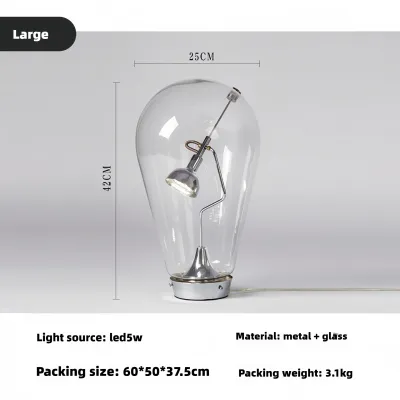
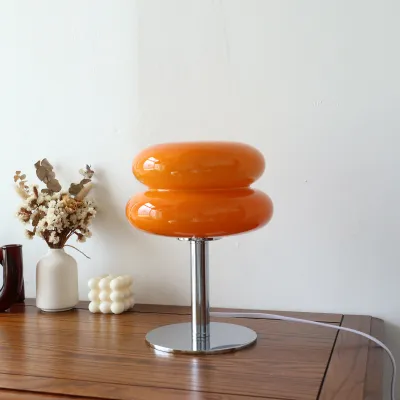
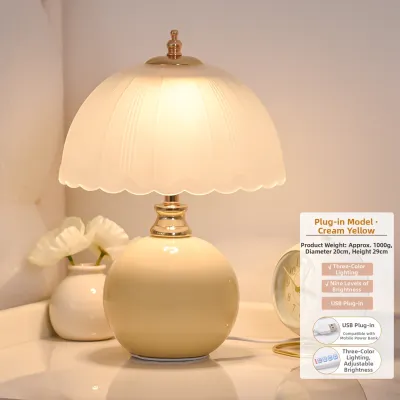
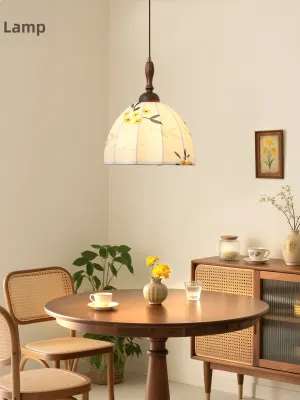
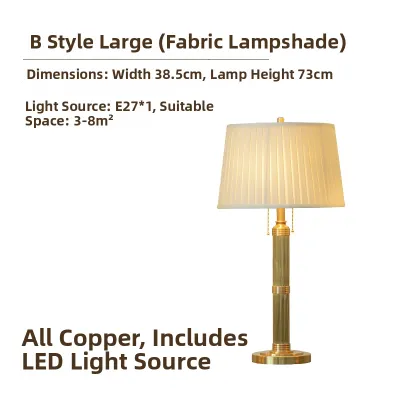

Prices are valid at publication and may change. Please refer to the product page for the latest price.
Before committing to either space, check the manufacturer’s label on the lamp socket to verify its maximum wattage limit and compatible base type, such as E27 or E14. In tropical climates like the Philippines, where homes often transition from bright daylight to warm, cozy evenings, choosing a bulb with the right color temperature and brightness is essential. Ensure the fixture supports the specific bulb type you intend to use, whether you prefer a low-wattage warm LED for the bedroom or a brighter, dimmable option for the living room.
Evaluating Space, Scale, and Proportions
An oversized table lamp requires careful spatial planning to avoid making a room feel cramped or cluttered. When considering the bedside, measure the surface area of your nightstand. A massive base can quickly consume the entire tabletop, leaving no room for daily essentials such as your phone, a glass of water, eyeglasses, or a book. If you must squeeze these items around the base, the setup will feel chaotic rather than relaxing.

Height is another critical factor that dictates comfort. Compare the total height of the lamp to your mattress height and your seating position. Ideally, when you are sitting up in bed or relaxing on a living room sofa, the bottom of the lampshade should align near your eye level. This positioning ensures the shade shields your eyes from the raw glare of the bulb while still casting a wide, useful pool of light downward.
If the bedside table proves too restrictive, the living room offers a wider variety of spacious surfaces. Large console tables, expansive credenzas, or wide side tables positioned next to a sofa are excellent candidates. These larger furniture pieces easily support both the physical footprint and the visual weight of an oversized piece, allowing the lamp to stand out as a deliberate design choice rather than an awkward, oversized obstruction.
Aligning With Your Aesthetic Goals
Your choice of placement significantly influences the visual narrative of your home. In the bedroom, the goal is typically to create a serene, cohesive sanctuary. An oversized lamp can add a touch of luxury, but its material and color should harmonize with your bedding and wall colors. Opting for soft, matte finishes or neutral ceramic bases helps maintain a calming atmosphere, preventing the room from feeling visually overwhelmed.
In the living room, however, you have more freedom to make a bold design statement. A large lamp can act as a striking conversation starter, drawing the eye and anchoring a seating arrangement. Whether it features a sculptural ceramic base, a sleek metallic finish, or a textured fabric shade, the living room allows these design details to be fully appreciated by guests and family members alike.
Consider how the lamp’s textures interact with the existing decor in each room. For instance, in humid tropical environments, dust and moisture can accumulate differently on various materials. Check the manufacturer’s care instructions for the base and shade. Smooth ceramic or glass bases are generally easier to wipe down in dusty or humid conditions, whereas intricate woven or fabric shades may require more delicate, frequent maintenance to keep them looking pristine.
Safety and Practical Placement Checks
Safety should always guide your final placement decision, especially with larger, heavier lighting fixtures. Begin by checking the length of the lamp’s power cord against the distance to the nearest wall outlet. Avoid stretching cords across walkways, as this creates serious tripping hazards. Relying on temporary extension cords is not recommended for permanent fixtures; instead, position the lamp close enough to a dedicated outlet to keep the cord neatly tucked away behind furniture.
Base stability is another paramount concern, particularly in active households. An oversized lamp has a higher center of gravity, making it more susceptible to tipping if bumped. Assess the weight of the base and ensure the supporting table is sturdy and level. If you have young children or active pets running through the living room, placing the lamp on a heavy console table against a wall provides much better security than placing it on a lightweight side table in a high-traffic zone.
Finally, review the manufacturer’s safety guidelines regarding heat dissipation and clearance. Even energy-efficient LED bulbs generate some heat, and traditional incandescent or halogen bulbs can become very hot. Ensure the lampshade and bulb maintain a safe distance from flammable materials such as curtains, bedding, or decorative paper hangings. Proper ventilation around the lamp shade is crucial to prevent heat buildup, ensuring your beautiful new light source remains safe and functional.
Frequently Asked Questions (FAQ)
Can I use a dimmable bulb for both bedside and living room placements?
Yes, provided the lamp itself is compatible. You must check the product label or manufacturer specifications to confirm if the fixture’s built-in switch mechanism supports dimming. Some touch-sensitive lamps or standard on/off switches may not work correctly with dimmable LED bulbs, leading to flickering. If compatible, a dimmable bulb is highly beneficial: it allows you to lower the brightness for a relaxing bedtime routine in the bedroom, or dial up the light for reading and social gatherings in the living room.
How do I measure the right lamp height for a bedside table?
To find the ideal height, sit comfortably on your mattress as you would when reading. Measure the distance from the floor to the top of your mattress, and then from the mattress surface up to your eye level. When shopping for a lamp, look for a combination of table and lamp height where the bottom of the lampshade sits at or slightly below your eye level. This measurement ensures the shade blocks direct glare from the bulb while directing the light downward onto your reading material.
What if the lamp base is too large for my current side table?
If your preferred side table cannot safely accommodate the lamp’s footprint, look for alternative sturdy surfaces in the room. In a bedroom, a low dresser or a wide chest of drawers can serve as an excellent alternative base. In a living room, you might consider a dedicated pedestal, a wide credenza, or even a sturdy floating shelf designed for heavy loads. Always verify the weight capacity and structural stability of the alternative surface before placement to prevent tipping or damage.
Community discussion
Share your experience or ask a question. Comments are reviewed before publication.