
Transforming your garden into a serene, illuminated sanctuary after dark is one of the most rewarding home improvement projects. In the Philippines, where warm evenings invite outdoor lounging on the patio or lanai, finding the right aesthetic solar lights outdoor fixtures requires balancing visual appeal with the realities of a tropical climate. The best aesthetic solar lights are those that not only complement your landscaping—whether you are highlighting lush monstera leaves, pocket lawns, or winding stone pathways—but also withstand intense humidity, heavy monsoon rains, and prolonged exposure to UV rays. By selecting fixtures engineered with high-quality materials and efficient photovoltaic cells, you can enjoy a beautifully lit garden night after night without adding a single peso to your monthly electricity bill.
Key Features to Look for in Tropical Garden Solar Lights
To ensure your outdoor lighting survives the Philippine climate, aesthetic appeal must be matched with durable construction. The combination of intense tropical sun and heavy seasonal downpours presents a unique challenge for outdoor electronics. When shopping for fixtures, the first specification to verify is the Ingress Protection (IP) rating. This rating indicates how effectively the light’s housing seals out dust and water. For general garden use, look for products with an IP rating of IP44 or higher, while ground-level path lights and spotlights that may experience pooling water or heavy splashes during typhoons should ideally feature an IP65 or IP67 rating. Always check the product packaging or manufacturer specifications to confirm these weatherproofing claims.
Material selection is equally critical for long-term durability. Cheap plastics quickly degrade, turn brittle, and discolor under the harsh tropical sun. Instead, opt for fixtures constructed from rust-proof metals such as stainless steel, anodized or powder-coated aluminum, or high-grade, UV-resistant ABS resins. These materials resist the corrosive effects of high humidity and coastal salt air, ensuring your landscape maintains its premium look for years.
Products mentioned in this guide
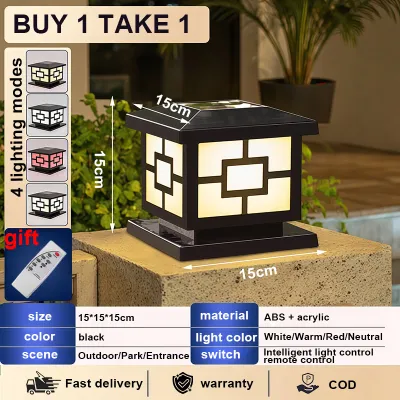
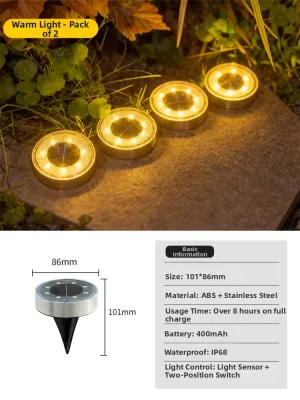
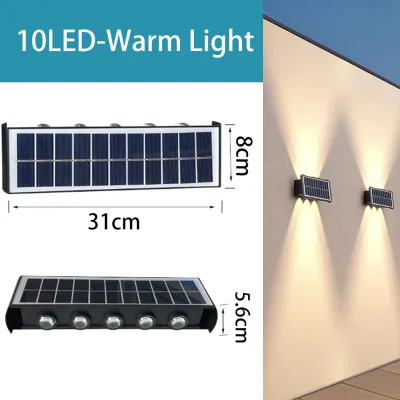
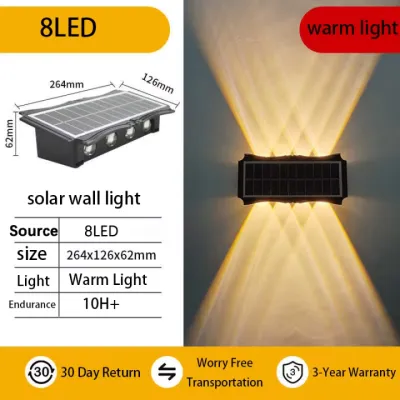
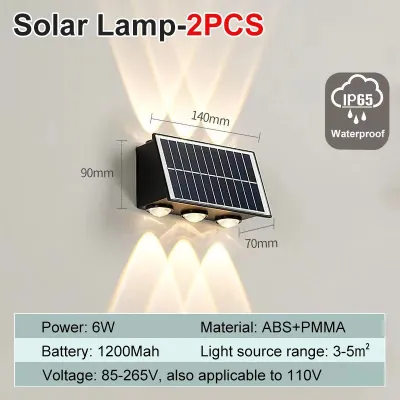
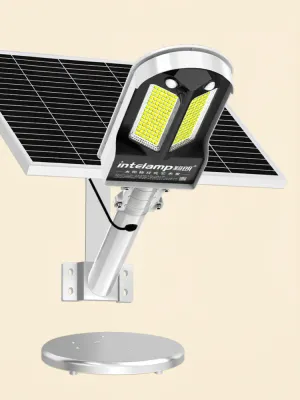
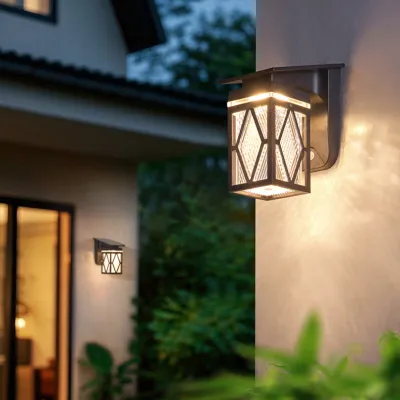
Prices are valid at publication and may change. Please refer to the product page for the latest price.
The efficiency of the solar panel itself determines how long your lights will shine each night. Monocrystalline solar panels are highly recommended for Philippine households because they offer superior energy conversion rates, allowing them to charge more effectively on overcast, rainy days compared to cheaper polycrystalline or amorphous silicon panels. Additionally, verify the battery capacity—typically measured in milliampere-hours (mAh)—and the battery chemistry, such as Lithium Iron Phosphate (LiFePO4) or Lithium-ion (Li-ion), which offer longer lifespans and better heat tolerance than older Nickel-Metal Hydride (Ni-MH) cells.
Finally, consider the color temperature of the LEDs, which is measured in Kelvins (K). This choice is a matter of personal preference and spatial effect rather than performance, but it dramatically shapes your garden’s mood:
- Warm White (2700K – 3000K): Creates a cozy, inviting, and intimate atmosphere. It is ideal for dining areas, pergolas, and highlighting warm architectural elements or rustic stone.
- Cool White (4000K – 5000K): Offers a clean, modern, and crisp look. It is highly effective for security lighting, modern minimalist pathways, and making green foliage pop with vibrant contrast.
Top Aesthetic Solar Lights Outdoor Categories for Your Landscape
Designing a balanced landscape lighting scheme involves layering different types of light. By combining pathway markers, overhead ambient strings, and dramatic accent spotlights, you can eliminate dark spots and create depth. Here is a breakdown of the top aesthetic solar light categories tailored for Philippine gardens.

Pathway and Walkway Lights
Pathway lights serve the dual purpose of guiding steps safely along garden paths and defining the borders of your landscape. To achieve a sophisticated look, avoid the common mistake of placing lights in a straight, closely packed line, which can create a harsh “airport runway” effect. Instead, stagger the fixtures on alternating sides of the path, spacing them roughly 1.5 to 2.5 meters apart depending on their brightness. This layout softens the transition between light and shadow while minimizing glare.
For a modern aesthetic, minimalist solar bollards with downward-facing LEDs are highly effective. These fixtures direct light precisely onto the ground where it is needed, preventing light pollution and keeping the glare out of your eyes. If your home features a more traditional or rustic design, classic solar lanterns mounted on shepherd’s hooks or stakes add a charming, vintage touch.
When selecting pathway lights, verify the lumen output; a range of 10 to 80 lumens per fixture is generally sufficient for ambient path marking. For example, high-quality stainless steel solar path lights with integrated monocrystalline panels and 1.2V Ni-MH or 3.2V LiFePO4 batteries are widely available through local home improvement centers and specialty online lighting retailers. These fixtures typically retail in price bands of ₱400 to ₱1,200 per pack or individual unit, depending on the material quality and brightness. Keep in mind that during the peak of the rainy season, these lights may experience a reduced runtime of 3 to 5 hours compared to their standard 8 to 10 hours during sunny summer months.
String and Fairy Lights for Canopies and Pergolas
Overhead lighting is essential for creating an inviting atmosphere in outdoor dining areas, patios, and under garden pergolas. For a classic, warm, and inviting look, heavy-duty solar string lights featuring Edison-style S14 or G40 LED filament bulbs are an outstanding choice. These bulbs mimic the nostalgic glow of traditional incandescent filaments while consuming a fraction of the energy. Alternatively, micro-LED solar fairy lights feature thin, flexible copper or silver wires that can be wrapped delicately around tree trunks, branches, or railings for a magical, starlit effect.
When installing string lights, wire durability and UV resistance are paramount. Look for commercial-grade, heavy-duty rubberized cabling (such as SJTW-rated wires) that can withstand constant exposure to rain and intense sunlight. When wrapping lights around living trees, use loose, non-invasive hanging methods—such as insulated garden ties or S-hooks—to avoid damaging the tree bark or restricting growth.
A key consideration for solar string lights is the configuration of the solar panel. Because dining areas and pergolas are often shaded by canopies or roofs, select models that feature a separate, detachable solar panel connected by a long lead wire (typically 3 to 5 meters). This design allows you to mount the panel on a roofline or sunny fence where it can receive maximum sunlight, while the bulbs remain elegantly draped in the shade. Premium solar string light sets with shatterproof plastic LED bulbs, adjustable mounting brackets, and high-capacity 3.7V Lithium-ion batteries generally fall into the ₱1,500 to ₱3,500 price range.
Spotlights and Uplighting for Focal Points
Accent lighting allows you to showcase the architectural highlights of your home or the natural beauty of your garden’s focal points, such as mature palms, textured stone walls, or water features. Uplighting—placing a spotlight at the base of an object and pointing it upward—creates a dramatic, high-contrast effect that adds height and depth to the landscape.
To achieve professional-grade landscaping results, look for solar spotlights with adjustable heads and variable beam angles. An adjustable beam allows you to narrow the light to highlight a slender tree trunk or widen it to wash a broad wall with soft light, minimizing light spill into neighbor’s windows or bedroom areas. The choice of color temperature here is highly impactful: warm white spotlights highlight the rich textures of brick, wood, and autumn-colored foliage, while cool white spotlights make the deep greens of tropical palms and ferns appear exceptionally lush and vibrant.
Most high-quality solar spotlights offer dual mounting options, allowing you to stake them directly into the soil or mount them to a concrete wall or wooden fence using included screws. For fixed wall installations or work at heights, always prioritize safety by isolating any nearby power sources and carefully following the manufacturer’s mounting instructions. If you are unsure of structural load limits or require complex installations, consult a qualified professional. Premium adjustable solar spotlights, featuring high-lumen outputs (150 to 400 lumens), multiple brightness settings, and durable IP65 ABS or aluminum housings, are typically priced between ₱800 and ₱2,000 per unit.
Comparing Solar Light Styles at a Glance
To help you select the ideal fixtures for your garden zones, the table below summarizes the key characteristics, aesthetic styles, and weather considerations for each primary solar light category.
| Light Category | Best Application | Aesthetic Vibe | Key Weather Consideration |
|---|---|---|---|
| Pathway & Walkway Lights | Edging driveways, garden paths, and stone walkways | Modern minimalist or classic vintage charm | Require high-quality ground stakes to resist soil shifting during heavy rains |
| String & Fairy Lights | Patios, pergolas, balconies, and tree canopies | Warm, festive, and cozy ambient glow | Require UV-resistant, heavy-duty rubber cables to prevent cracking in tropical heat |
| Spotlights & Uplighting | Highlighting trees, architectural walls, and water features | Dramatic, high-contrast focal points | Require IP65 or higher waterproof housing to survive heavy downpours and soil pooling |
Installation and Care in Humid, Rainy Conditions
Maintaining your solar lights properly is essential for maximizing their lifespan in the humid, wet conditions characteristic of the Philippines. Because solar lights rely entirely on sunlight to charge, any obstruction on the photovoltaic panel will directly reduce their nighttime performance. Over time, dust, pollen, bird droppings, and mineral deposits from rain can form a cloudy film over the panel. To prevent this, wipe the solar panels clean at least once a month using a soft, damp microfiber cloth. Avoid using abrasive sponges or harsh chemical cleaners, which can scratch the protective coating and permanently degrade solar absorption.
High humidity and frequent rain also increase the risk of moisture ingress. Periodically inspect your fixtures for signs of internal condensation, such as fogging on the protective lens. If you notice moisture buildup, turn off the fixture, gently open it according to the manufacturer’s care instructions, and allow it to dry completely in a well-ventilated indoor space. Check that the rubber seals and gaskets are properly seated before reassembling the unit. If the manufacturer’s instructions indicate that the unit is permanently sealed, do not attempt to force it open, as this will void the warranty; instead, contact the manufacturer’s customer service or a qualified professional.
Finally, extreme weather events require proactive care. During severe tropical storms or typhoons, high winds can easily dislodge or damage loosely mounted solar lights, while flying debris can shatter solar panels. Before a storm makes landfall, temporarily uninstall and store all stake-mounted path lights, hanging lanterns, and loose string lights in a safe, indoor location. For permanently mounted spotlights or heavy fixtures, ensure all mounting brackets are tightly secured to prevent them from becoming hazards.
Frequently Asked Questions (FAQ)
Do aesthetic solar lights work well during the Philippine rainy season?
Yes, high-quality solar lights can still operate during the rainy season, though their performance will vary. Solar panels do not require direct sunlight to charge and can generate electricity from indirect, diffused light on overcast days. However, because the total solar energy received is significantly lower, the battery will not reach a full charge. This results in a shorter nighttime runtime, often reducing standard 8-to-10-hour operation down to 3 to 5 hours. To optimize performance during the monsoon months, choose fixtures with highly efficient monocrystalline panels, or select models with separate, adjustable panels that can be positioned to capture maximum daylight.
Can I replace the batteries in decorative solar lights?
Whether you can replace the batteries depends entirely on the design of the fixture. Many mid-range and premium solar lights feature user-replaceable rechargeable batteries (typically standard AA or AAA size Ni-MH, or specific 18650/32700 Li-ion cells) accessible via a simple battery compartment secured by screws. Replacing these batteries every 1 to 2 years can restore the light’s original runtime. Conversely, some ultra-thin or highly stylized decorative lights are completely sealed units to ensure maximum waterproofing. Once the integrated battery in a sealed unit degrades, the entire fixture must be replaced. Always consult the product manual or manufacturer specifications before purchasing to verify if the battery is user-replaceable.
Community discussion
Share your experience or ask a question. Comments are reviewed before publication.