
Selecting the right outdoor lighting for a small courtyard garden in the Philippines requires balancing aesthetic appeal with structural resilience. In a compact tropical space, the best landscape lighting setup uses a combination of low-profile path lights, adjustable spotlights, space-saving wall sconces, and overhead string lights. Because these fixtures must endure intense tropical heat, high humidity, and torrential monsoon rains, choosing products with high weatherproof ratings and durable materials is essential. Before purchasing any landscape lighting, always verify the specific ingress protection (IP) ratings, voltage requirements, and material specifications on the manufacturer’s label to ensure compatibility with your outdoor environment.
To create a balanced and safe outdoor lighting scheme, home decorators must look beyond aesthetics. A successful layout highlights the natural beauty of tropical foliage while maintaining clear walkways and avoiding light pollution. By understanding the technical specifications of outdoor fixtures, you can design a garden retreat that is both visually stunning and structurally safe for year-round use.
What to Verify Before Buying Aimo Home Landscape Lights
Weather and Moisture Resistance
When shopping for outdoor lighting in a tropical climate, the Ingress Protection (IP) rating is the most critical technical specification to check. An IP rating consists of two digits: the first represents protection against solid objects like dust, and the second indicates protection against liquids. For fully exposed garden areas that experience heavy downpours during the monsoon season, look for fixtures rated at least IP65. An IP65 rating ensures the light is completely dust-tight and protected against water jets from any direction. For ground-level uplights or well lights that may experience temporary pooling or standing water, select fixtures with an IP67 rating, which certifies protection against temporary immersion in water. Sheltered areas, such as covered patios or deep wall recesses, may safely use IP44 fixtures, but fully exposed perimeters demand higher protection.
Products mentioned in this guide
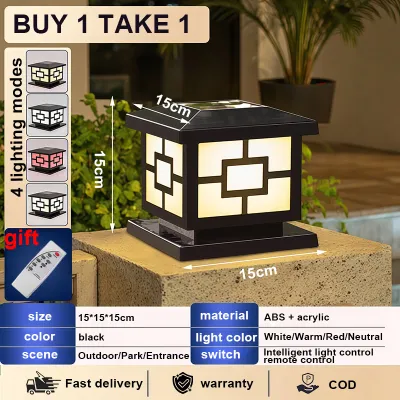
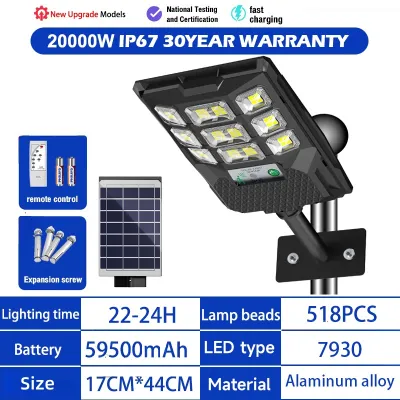
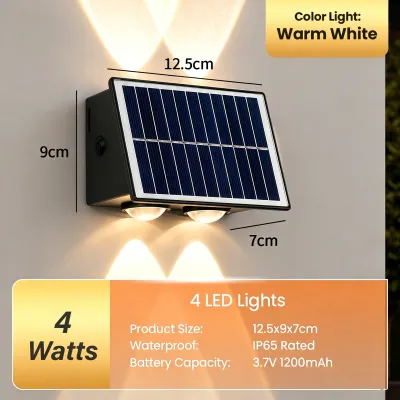
Prices are valid at publication and may change. Please refer to the product page for the latest price.
Material and Corrosion Checks
The combination of high relative humidity, intense solar exposure, and potential salt air in coastal regions can rapidly degrade low-quality outdoor fixtures. When evaluating landscape lights, inspect the product specifications for corrosion-resistant materials. Anodized aluminum, marine-grade stainless steel (such as 304 or 316 stainless steel), solid brass, and UV-stabilized polymers are highly durable options that resist rust and degradation. Avoid fixtures made from untreated ferrous metals or thin, painted sheet steels, as these materials can rust and fail within a single rainy season. UV stabilization is equally important for plastic components; untreated plastics will become brittle, discolor, and crack under the intense tropical sun.
Power and Wiring Constraints
Landscape lighting systems generally operate on one of three power sources: solar, low-voltage (12V or 24V), or mains-voltage (220V to 240V AC in the Philippines). Solar-powered lights are highly convenient and easy to position, but their performance depends entirely on daily sun exposure. In narrow courtyards shaded by tall firewalls, neighboring buildings, or dense tree canopies, solar panels may not receive the four to six hours of direct sunlight required for a full nightly charge. Low-voltage systems utilize a transformer to step down the standard 220V household current to a safe 12V or 24V, making them an excellent choice for DIY enthusiasts since the cables do not require deep burial. Mains-voltage systems provide consistent, high-output illumination but require professional installation, rigid conduits, and deep trenching to meet local safety codes.
Scale and Beam Angle
In a compact courtyard, over-illuminating the space is a common mistake that can lead to harsh glare and a washed-out appearance. To maintain an intimate, inviting atmosphere, choose low-wattage fixtures with targeted beam angles. Spotlights with narrow beam angles (15 to 30 degrees) are ideal for highlighting individual focal points, such as a potted palm or a small water feature, without spilling light into neighboring properties. For general ambient lighting, wider beam angles (60 degrees or more) work well but should be positioned carefully to avoid shining directly into seating areas or bedroom windows. Selecting fixtures with adjustable shrouds or glare shields helps direct the light exactly where it is needed, keeping the overall environment comfortable and visually balanced.
Best Aimo Home Fixture Types for Compact Garden Layouts
Path and Bollard Lights for Walkways
Path and bollard lights are essential for defining the boundaries of walkways, stepping stones, and garden borders in a small courtyard. To prevent glare in a confined space, choose fixtures that feature downward-facing or fully shielded light sources. These designs direct illumination precisely onto the walking surface, enhancing safety without blinding guests who are seated nearby.

When planning the placement of path lights, measure both the physical height of the fixture and its base footprint. In narrow walkways, tall or wide bollards can easily become tripping hazards or obstruct foot traffic. Opt for low-profile designs, typically between 30 and 45 centimeters in height, which nestle neatly into garden borders. Ensure the mounting stakes or bases are secured firmly into stable soil or concrete footings so they remain upright during heavy rains and high winds.
Spotlights and Uplights for Focal Points
Directional spotlights and uplights are powerful tools for creating visual depth in a small courtyard. By placing a spotlight at the base of a textured wall, a sculptural plant, or a water feature, you can cast dramatic shadows and highlight unique textures. This technique, known as uplighting, draws the eye upward and makes a compact garden feel taller and more spacious.
When choosing spotlights, prioritize fixtures with adjustable knuckles that allow you to fine-tune the angle of the light beam after installation. Look for low-lumen options (typically between 100 and 300 lumens) to ensure the accent lighting remains subtle rather than overwhelming. If the product supports dimming, verify that your dimming switch and wiring system are fully compatible with the fixture’s driver to prevent flickering or premature LED failure.
Wall Sconces and Fence Lights for Perimeters
Wall-mounted fixtures are highly effective space-savers for compact courtyards because they leave valuable ground area completely free for plants and seating. Installing wall sconces along boundary walls or fences provides essential ambient lighting while defining the physical limits of the property. For a modern, sophisticated look, consider up-and-down sconces that cast elegant cones of light both upward and downward along the wall face.
Before purchasing wall-mounted fixtures, verify that the included mounting hardware is compatible with your wall structure. In the Philippines, courtyard perimeters are commonly constructed from concrete hollow blocks (CHB) finished with plaster. Mounting fixtures to these surfaces requires appropriate masonry wall plugs or sleeve anchors and weatherproof junction boxes to prevent moisture from entering the electrical connections behind the wall. Additionally, check the fixture’s outward projection; select slim profiles that extend no more than 10 to 15 centimeters from the wall to keep narrow side paths clear.
Overhead String and Festoon Lights for Canopy Effects
Overhead string and festoon lights are excellent for creating a warm, festive, and intimate atmosphere without consuming any ground or wall space. Suspending these lights above a seating area or across the courtyard creates a “canopy of stars” effect that visually expands the outdoor room upward. This style of lighting is highly adaptable and works beautifully in both modern and rustic garden designs.
To ensure safety and longevity, verify that the string light cable is specifically rated for permanent outdoor use and features UV-resistant rubber insulation (such as SJTW or HO5RN-F cabling). Check the manufacturer’s specifications for the maximum wattage limit and the maximum number of strings that can be safely connected in a single run. When hanging string lights across wide spans, always use a stainless steel guide wire (tension wire) to support the weight of the cable. This prevents excessive tension on the electrical sockets and connections, particularly during stormy weather when wind loads increase significantly.
Installation Safety and When to Call an Electrician
DIY-Safe Tasks
Homeowners can safely complete several low-risk landscape lighting tasks without professional electrical training. Placing standalone, solar-powered stake lights along garden beds or walkways requires no wiring and carries zero risk of electrical shock. Similarly, setting up low-voltage (12V) plug-and-play systems is generally safe for DIY installation, as the low voltage is safe to handle even in damp soil. You can also mount lightweight, battery-operated accent lights or hang pre-assembled, plug-in outdoor string lights, provided they are connected to an existing, professionally installed outdoor outlet that is fully rated for wet locations.
Professional Requirements
Any task involving mains-voltage (220V-240V) electrical wiring must be handled by a licensed professional electrician. This includes running new electrical lines from your home’s main distribution board, installing outdoor-rated junction boxes in damp or exposed areas, mounting heavy permanent fixtures at height, and burying cables underground. In the Philippines, outdoor electrical installations must comply strictly with the Philippine Electrical Code (PEC). This code mandates that all underground mains-voltage cables must be run through approved, thick-walled electrical conduits (such as schedule 40 PVC) buried at specified depths to prevent accidental damage during future gardening or excavation work.
Pre-Installation Checks
Before beginning any electrical installation or maintenance work, always isolate the power supply by turning off the corresponding circuit breaker at the main panel. Use a reliable voltage tester to verify that the lines are completely de-energized before touching any wires. Ensure that the outdoor circuit you plan to use is protected by a functioning Residual Current Device (RCD) or Ground Fault Circuit Interrupter (GFCI) with a rated tripping current of 30mA or less. This safety device is critical in outdoor environments, as it instantly cuts off power if it detects a current leak, preventing severe electrical shocks in wet conditions. Always cross-reference your product’s installation manual with your home’s electrical specifications; if any instructions conflict, stop immediately and consult a qualified professional.
Maintaining Outdoor Lights in Humid and Rainy Conditions
Cleaning
Regular cleaning is essential to maintain the light output and efficiency of your landscape fixtures, especially in tropical climates where dust, pollen, and hard water spots accumulate quickly. To clean your fixtures safely, turn off the power and allow the lights to cool completely. Gently wipe the lenses and solar panels using a soft, damp microfiber cloth. Avoid using abrasive scrubbing pads, steel wool, or harsh chemical cleaners, as these can scratch protective coatings, cloud plastic lenses, or strip away anti-corrosion treatments. For stubborn dirt or salt residue, a mild solution of water and biodegradable dish soap is sufficient.
Inspection
Conduct a routine inspection of your outdoor lighting system at least twice a year, ideally before the onset of the rainy season and immediately after it ends. Check the seals, gaskets, and silicone boots of each fixture for signs of cracking, dry rot, or misalignment, as compromised seals are the primary cause of water ingress. Look closely inside the lenses for any visible condensation or water droplets; if moisture is present, open the fixture (after disconnecting the power), dry it completely, and replace or re-seat the gasket according to the manufacturer’s instructions. Inspect all visible cables for signs of wear, insect damage, or accidental cuts from garden tools.
Seasonal Adjustments
Tropical foliage grows rapidly, particularly during the warm, wet months of the rainy season. Overgrown plants can quickly block solar panels, drape over hot light fixtures, or completely block light beams, rendering your carefully planned layout ineffective. Regularly trim back branches, vines, and large leaves to keep a clear path for light distribution and to prevent heavy foliage from physically shifting adjustable fixtures. Additionally, ensure that low-lying ground lights remain clear of fallen leaves and organic debris, which can trap moisture against the fixture body, accelerate corrosion, and create localized hot spots on the lens.
Frequently Asked Questions (FAQ)
Can I mix solar and wired landscape lights in the same garden?
Yes, you can successfully combine solar and wired landscape lights in a single garden layout, provided you coordinate their technical specifications. To ensure a cohesive visual design, match the color temperature of both light sources, aiming for a warm white range between 2700K and 3000K. Keep in mind that solar lights rely on daily sun exposure and will naturally dim or experience shorter runtimes during the heavily overcast days of the rainy season, whereas wired lights will maintain consistent brightness and performance year-round regardless of the weather.
How do I prevent water pooling around ground lights during the rainy season?
To prevent water from pooling around ground-level lights during heavy tropical downpours, proper site preparation and drainage are essential. Before burying any fixtures, excavate a slightly deeper hole and create a drainage base using 10 to 15 centimeters of coarse gravel or crushed stone beneath the soil to help rainwater drain away quickly. Position the top edge of ground-level fixtures slightly above the surrounding soil grade rather than flush with it, directing surface runoff away from the lens. Finally, always verify that any ground-recessed lights carry a minimum rating of IP67 to ensure they can withstand temporary submersion if localized pooling does occur.
Community discussion
Share your experience or ask a question. Comments are reviewed before publication.