
Selecting the right outdoor solar lighting requires matching the specific light output, coverage area, and physical design of each fixture to the unique demands of your garden zones. Aimo Home solar lights offer a variety of configurations, but a single style cannot serve every area effectively. To achieve a balanced, safe, and visually appealing outdoor space, you must install high-lumen, motion-activated fixtures along your driveway, low-glare warm-toned stake lights along your garden paths, and low-profile, surface-mounted deck lights along your patio borders and steps.
By understanding the technical specifications of these fixtures—such as battery capacity, solar panel efficiency, and ingress protection—you can design an outdoor lighting system that performs reliably year-round. This guide breaks down how to evaluate these technical elements and place the correct Aimo Home models across your property to withstand the local climate while delivering optimal illumination.
How to Match Aimo Home Solar Lights to Your Outdoor Spaces
To choose the best solar lights for your property, you must first understand three core technical metrics: lumens, beam angle, and Ingress Protection (IP) ratings. Lumens measure the total amount of visible light emitted by a source. For decorative garden borders, a soft glow of 10 to 50 lumens is usually sufficient. In contrast, active walking paths require 50 to 150 lumens for safe navigation, while driveways and security zones demand 200 to 800+ lumens to expose potential hazards.
Products mentioned in this guide
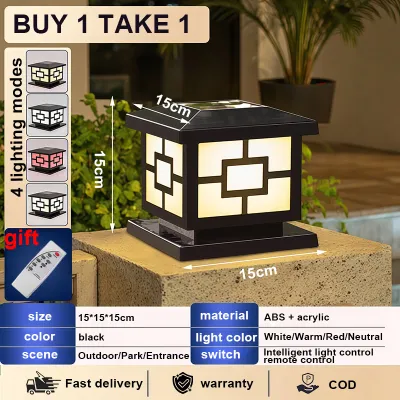
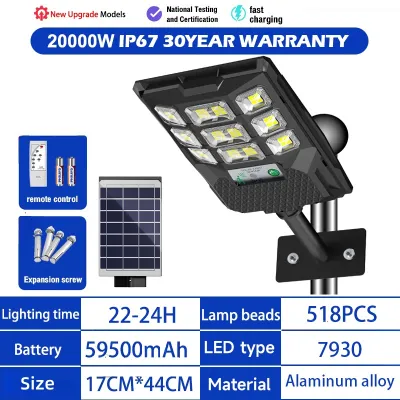
Prices are valid at publication and may change. Please refer to the product page for the latest price.
Beam angle determines how wide the light spreads from the fixture. A narrow beam angle of 15 to 30 degrees creates a concentrated spotlight effect, ideal for highlighting architectural features or specific plants. A wide beam angle of 90 to 120 degrees distributes light across a broad surface, which is necessary for floodlighting flat ground or wide driveways. Matching the beam angle to the spatial layout prevents dark patches and ensures uniform coverage across different garden zones.
The IP rating indicates how well the fixture’s housing seals internal electrical components against solids and liquids. The first digit ranges from 0 to 6 and measures protection against dust and solid objects. The second digit ranges from 0 to 9 and measures protection against water. For outdoor installations in tropical environments, a minimum rating of IP65 is required, meaning the light is completely dust-tight and protected against water jets from any angle. For areas prone to temporary pooling or intense downpours, looking for IP67-rated fixtures ensures the light can survive brief submersion.
Different garden zones require distinct lighting strategies. Driveways and entryways need high-intensity, wide-angle illumination focused on safety, visibility, and motion detection. Garden paths require low-glare, downward-directed light spaced evenly to guide foot traffic without blinding walkers. Patio borders, decks, and stairs require low-profile, surface-mounted accent lights that clearly define structural transitions and eliminate trip hazards.
Aimo Home positions itself in the outdoor consumer market by offering accessible, user-installable solar fixtures. Their product lines generally feature integrated monocrystalline solar panels, durable ABS plastic or stainless steel housings, and built-in lithium-ion or nickel-metal hydride batteries. In the local market, these fixtures typically range from ₱400 for basic accent stakes to ₱2,500 for multi-pack pathway sets or high-output security models, providing a cost-effective alternative to high-voltage trenching and professional electrical installations.
Best Aimo Home Solar Light Types for Driveways
Driveways demand high-visibility lighting that supports vehicle navigation and deters intruders. Because driveways are active transit zones, the lighting must cover wide ground areas and activate instantly when motion is detected. Standard low-lumen decorative stakes are ineffective here; instead, you should install high-output solar floodlights, dual-head security motion-sensor wall lights, or heavy-duty tall bollard lights. These fixtures deliver the necessary 300 to 800 lumens to illuminate concrete surfaces, gates, and parking areas clearly.

When choosing specific fixtures, look for Aimo Home models equipped with passive infrared (PIR) motion sensors. These sensors detect heat signatures moving across their field of view, automatically switching the light from a low-power standby mode (typically 20 to 50 lumens) to full brightness (500+ lumens) for 15 to 30 seconds. This preservation mechanism ensures the battery does not drain rapidly during long nights, while still providing high-intensity illumination exactly when a vehicle or pedestrian enters the driveway.
Placement is critical to ensure safety without causing glare. Mount wall-mounted solar security lights at a height of 2.0 to 2.5 meters on garage walls, fence posts, or entry pillars. Angle the light heads downward at approximately 45 degrees. This angle directs the beam onto the driveway surface and vehicle paths rather than directly into the eyes of approaching drivers. If you use tall stake lights or ground bollards along the driveway edge, space them 1.5 to 2.0 meters apart and set them back at least 30 centimeters from the pavement to prevent tires from striking the housings.
Many driveways are partially shaded by carports, roof overhangs, or mature trees, which can block the sunlight needed to charge integrated solar panels. To solve this, select split-type solar fixtures. These models feature a separate solar panel connected to the light fixture by a 3- to 5-meter weatherproof cable. This design allows you to mount the light fixture under a dark carport or shaded entryway while positioning the solar panel high on a roofline or sunny wall where it can receive uninterrupted, direct sunlight throughout the day.
Ideal Aimo Home Options for Garden Paths and Walkways
Garden paths and walkways require a lighting design that balances safe navigation with visual appeal. The primary objective is to guide foot traffic smoothly along the path while preserving the natural nighttime beauty of the surrounding landscape. To achieve this, avoid high-intensity floodlights that wash out the area. Instead, select Aimo Home stainless steel pathway stake lights, low-level bollard lights, or decorative solar lanterns that cast light downward and outward in a controlled pattern.
To prevent your walkway from looking like an airport runway, avoid placing lights in straight, parallel lines directly opposite one another. Instead, use a staggered placement technique. Position one light on the left side of the path, move down the path 2 to 3 meters, and place the next light on the right side. This alternating pattern creates a balanced, organic flow of light that guides the eye naturally through the garden. Spacing the fixtures 2 to 3 meters apart ensures that the light pools overlap slightly, providing continuous illumination without over-lighting the space.
Color temperature plays a significant role in how your garden is perceived at night. Color temperature is measured in Kelvin (K). Warm white light (2700K to 3000K) produces a soft, yellowish glow that mimics traditional incandescent bulbs. This temperature is ideal for creating a cozy, relaxing, and high-end resort aesthetic in residential gardens. Cool white light (5000K to 6500K) produces a bright, bluish-white light that enhances contrast and visibility. While cool white is excellent for security, it can look harsh and clinical along garden paths. Before purchasing, verify the color temperature listed on the Aimo Home product packaging or online specifications sheet to ensure it matches your design goals.
When installing pathway stakes, always assess the soil conditions first. If the ground is dry and compacted, do not force the plastic ground stakes directly into the earth, as this can crack or bend the mounting hardware. Instead, use a garden trowel or a large screwdriver to loosen the soil, pour water over the area to soften the ground, and then gently insert the stake. Ensure the stake is driven deep enough to keep the fixture perfectly vertical, preventing it from leaning over time due to wind, rain, or accidental contact from garden tools.
Recommended Aimo Home Lighting for Patio Borders and Steps
Patio borders, decks, and steps present unique lighting challenges because they transition between different levels and materials. Traditional tall stake lights are often impractical here because they cannot be driven into wood, tile, or concrete surfaces. For these areas, you must use low-profile, surface-mounted fixtures, such as Aimo Home solar deck lights, step-tread lights, or recessed ground disk lights. These fixtures sit flush or nearly flush with the surface, providing targeted downward illumination that highlights edges and steps without creating trip hazards.
Installing solar lights on hard patio surfaces requires different tools and techniques than soft garden soil. To mount surface lights on wooden decks, use stainless steel wood screws to secure the mounting brackets directly to the deck boards. For concrete, tile, or stone patios, you must use a rotary hammer drill equipped with a masonry drill bit to create pilot holes. Insert plastic wall plugs (anchors) into the holes, apply a bead of outdoor-grade silicone sealant around the screw holes to prevent water from seeping underneath, and then secure the fixture tightly with mounting screws. Always wear protective eyewear when drilling into masonry.
Because patios are often located adjacent to residential structures, they are highly susceptible to shading. Roof overhangs, pergolas, balconies, and tall retaining walls can block direct sunlight for large portions of the day. Before mounting any solar fixture, observe the area for a full day to identify zones that receive at least 4 to 6 hours of unshaded sunlight. If a step or border sits in permanent shadow, do not mount an integrated solar light there. Instead, place the light in a sunny spot nearby, or use a model with a remote solar panel that can be positioned away from the patio’s shadow.
Battery capacity is another critical factor for patio lights that may experience partial shading. Look for Aimo Home models that specify a battery capacity of at least 1200mAh to 2000mAh. A larger battery reservoir allows the light to run consistently through the night, even if the solar panel only received a partial charge during a cloudy afternoon. This ensures that critical step-tread and border lights remain illuminated during late-night hours when safety is paramount.
What to Check Before Buying Aimo Home Solar Lights in the Philippines
Operating solar lights in the Philippines presents specific environmental challenges due to the tropical climate, characterized by high temperatures, intense humidity, salt air in coastal regions, and severe monsoon seasons. Before purchasing any solar lighting product, run through this practical checklist to ensure long-term durability and performance:
- Verify the Ingress Protection (IP) Rating: Do not buy outdoor solar lights rated below IP65. The heavy rainfall and high humidity of the monsoon season (typically June to November) will quickly penetrate poorly sealed housings, causing internal corrosion, short circuits, and premature battery failure. Look for fixtures with integrated rubber gaskets around the battery compartment and lens covers.
- Evaluate Solar Panel Type and Efficiency: Solar panels are generally classified as monocrystalline or polycrystalline. Monocrystalline panels are made from a single pure silicon crystal, giving them a dark, uniform appearance and a high energy conversion efficiency of 19% to 22%. Polycrystalline panels are made from multiple silicon fragments melted together, resulting in a blue speckled look and a lower efficiency of 15% to 17%. In the Philippines, where cloudy and rainy days are common for several months of the year, monocrystalline panels are highly recommended because they harvest solar energy more effectively under overcast skies.
- Check Battery Chemistry and Heat Tolerance: Outdoor solar lights typically use either Lithium-ion (Li-ion), Lithium Iron Phosphate (LiFePO4), or Nickel-Metal Hydride (Ni-MH) batteries. Li-ion and LiFePO4 batteries are superior for tropical climates; they offer higher energy density, tolerate deeper discharge cycles, and perform reliably in ambient temperatures exceeding 35°C. Cheap Ni-MH batteries degrade rapidly in high heat, losing their charge capacity within a few months of summer exposure. Ensure the product specifications explicitly state the battery chemistry.
- Buy from Authorized Channels: To avoid counterfeit products and ensure you receive a valid manufacturer warranty, purchase your Aimo Home solar lights directly from official brand stores or authorized online marketplaces. Check that the seller offers a clear return policy and at least a 6-month to 1-year warranty against manufacturing defects. Avoid buying unbranded or extremely cheap look-alikes that lack proper electrical certifications and weatherproofing.
Frequently Asked Questions (FAQ)
How long do Aimo Home solar pathway lights last on a full charge?
Under optimal conditions with 6 to 8 hours of direct tropical sunlight, Aimo Home solar pathway lights typically run for 8 to 10 hours on a full charge. However, actual runtime varies significantly based on battery capacity, solar panel exposure, and the selected operating mode. During the cloudy monsoon season, reduced solar exposure may limit the charge, resulting in a shorter runtime of 4 to 6 hours. Selecting models with energy-saving modes, such as motion-activated sensors or low-power dimming, helps extend the runtime through overcast periods.
Can I replace the batteries in Aimo Home solar lights?
Whether you can replace the batteries depends entirely on the design of the specific Aimo Home model. Many pathway stake lights feature a user-accessible battery compartment secured by screws and sealed with a rubber gasket, allowing you to swap out degraded batteries easily. However, some compact or flush-mounted deck lights are permanently ultrasonic-welded or sealed at the factory to maintain a high IP67 waterproof rating. Attempting to force these sealed units open will ruin the waterproof seal, void the warranty, and permanently damage the fixture. Always consult the product manual or manufacturer listing before attempting to replace the internal battery, and ensure the replacement battery matches the exact voltage, capacity, and chemistry of the original cell.
Community discussion
Share your experience or ask a question. Comments are reviewed before publication.