
Understanding Ambient Light Needs for Different Condo Activities
Condominium units in metropolitan centers often feature compact, open-plan layouts where a single room serves multiple purposes. In these multi-functional spaces, relying solely on a harsh overhead ceiling fixture can make transitioning from a productive workday to a relaxing evening difficult. This is where strategic ambient light becomes essential. Unlike task lighting, which focuses a bright beam on a specific work surface, ambient illumination fills the room with a soft, indirect glow that softens shadows, minimizes eye strain, and defines the overall mood of the living space.
Managing contrast is particularly important in smaller layouts. A stark contrast between a bright computer screen and a pitch-black room can lead to visual fatigue. By introducing diffused background light, you create a visual bridge that makes the environment feel more spacious and comfortable.
However, a single lighting setup cannot satisfy every daily routine. Winding down after a long commute requires warm, low-intensity tones that signal the body to rest. Conversely, presenting a professional image on a video call demands balanced, neutral tones that do not distort natural skin color. For content creators, dynamic, highly saturated hues are needed to separate the subject from the background and add visual interest. Understanding these distinct requirements allows you to select fixtures that serve your specific daily activities.
Products mentioned in this guide
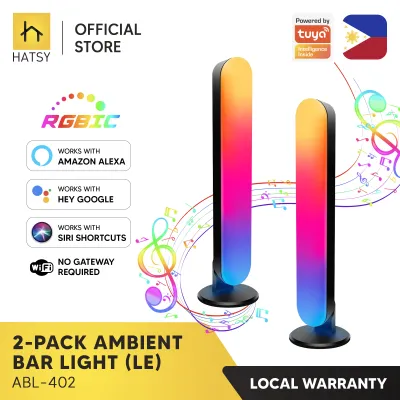
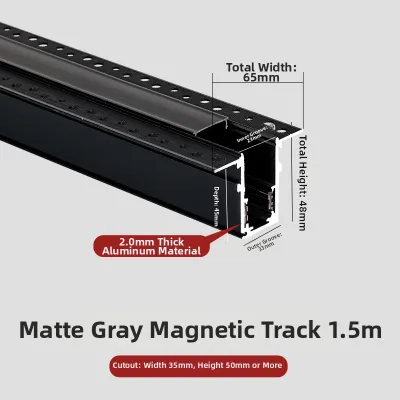
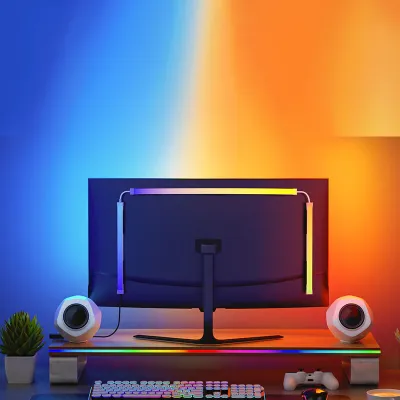
Prices are valid at publication and may change. Please refer to the product page for the latest price.
Choosing Ambient Lights for Relaxation and Unwinding
After a demanding day, transitioning your condo into a sanctuary of rest depends heavily on color temperature and light distribution. For relaxation, prioritize light sources that emit warm, golden tones, typically ranging between 2000K and 3000K. These lower color temperatures mimic the natural hues of sunset, encouraging a transition into a restful state. High-temperature cool white light, by contrast, can suppress melatonin production and keep your mind alert when you should be winding down.

Sunset lamps and projection mood lights have become popular solutions for adding visual depth to compact spaces. By projecting soft gradients of orange, amber, or deep red onto plain white or neutral-colored condo walls, these devices create a sense of architectural interest without taking up physical floor space. The resulting gradient acts as a gentle, indirect light source that bounces off the wall, filling the room with a warm, non-glaring glow.
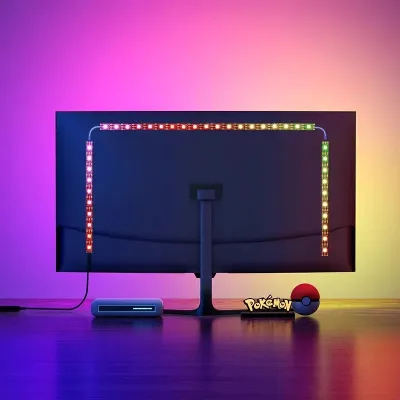
Strategic placement is key to maximizing the calming effect of your ambient fixtures. Positioning floor lamps in corners allows the light to reflect off two walls simultaneously, maximizing the diffusion of light while hiding the bulb from direct view. Alternatively, placing low-profile LED bars or puck lights behind a television console, headboard, or sofa creates a soft halo effect. This indirect positioning prevents direct glare, protecting your eyes from harsh hot spots of light.
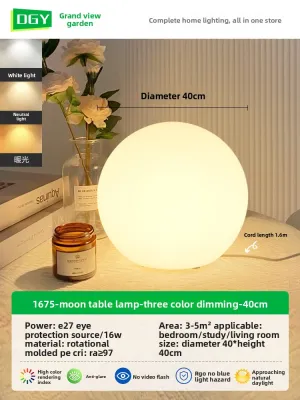
When purchasing these fixtures, always check the product specifications or packaging labels to confirm dimmability. The ability to lower the brightness as the evening progresses is crucial for gradual relaxation. A lamp that is too bright, even if it emits a warm color temperature, can still feel overstimulating in a small room. Look for models with step-less dimming or multiple pre-set brightness levels to give you maximum control over the evening atmosphere.
Optimizing Ambient Light for Professional Video Calls
Working from home in a condo requires a distinct approach to illumination, especially when your living room or bedroom doubles as a professional backdrop. For video conferencing, you must balance your primary key light—the main light source illuminating your face—with your ambient fill light. Facing a bright window can cause severe backlighting, while relying solely on a ceiling light can cast deep shadows under your eyes. While the key light ensures you are visible, the ambient light ensures the background behind you is not a dark, cavernous void, which can make your camera struggle to find the right exposure.
To achieve a polished look, position soft, diffused ambient light sources behind your camera or slightly to the sides. This technique gently illuminates the background walls and furniture, creating a balanced scene. Using a translucent shade or bouncing the light off a nearby white wall can help scatter the light rays, preventing harsh, distracting shadows from casting across your background.
Avoid using highly saturated, colored ambient lights directly behind your seat during professional meetings. While deep blues, purples, or reds might look appealing in creative contexts, they often confuse your webcam’s automatic white balance and exposure algorithms. When a camera detects a highly saturated background, it frequently overcompensates by darkening the foreground, leaving your face underexposed, silhouetted, or tinted with unnatural hues. Keep background ambient light neutral, ideally between 3500K and 4500K, to maintain a clean, professional appearance.
If your ambient light source is positioned close enough to spill onto your face or immediate surroundings, pay close attention to its Color Rendering Index (CRI). A low CRI light source can make skin tones appear gray, washed out, or green on camera. For the most natural representation, select ambient fixtures with a CRI rating of 90 or higher. This specification ensures that the light accurately renders colors, helping you look healthy and professional during virtual meetings.
Designing Ambient Lighting for Content Creation
For content creators producing videos, live streams, or photography within a condo, ambient lighting serves as a powerful tool for visual storytelling. Utilizing RGB or adjustable smart mood lamps allows you to style your background to match the theme of your content. By casting a contrasting color onto the wall behind you, you create a clear sense of depth and separation, making you stand out as the primary subject rather than blending into a flat background.
Achieving this separation requires a careful balance between your background ambient light and your main subject lighting. If your ambient background lights are too bright, they will wash out your primary key light, making the entire frame look flat and overexposed. Conversely, if the ambient light is too dim, the background details will be lost in darkness. Aim to set your ambient background lights to a lower intensity than your key light, using them as subtle accents that complement, rather than compete with, your main lighting setup.
A critical technical specification for any content creator is flicker-free operation. Many low-cost LED ambient lights use pulse-width modulation (PWM) to dim the light, which can create a rapid flickering effect invisible to the human eye but highly noticeable on camera. This flickering manifests as distracting horizontal bands or strobing effects across your recorded video. Prioritize high-quality LED fixtures that specify flicker-free technology or constant-current dimming to ensure smooth, professional-grade video capture.
Additionally, look for ambient lamps that offer app-based color and brightness control. When producing diverse content, manually adjusting multiple physical dials or switches can be incredibly tedious. An intuitive mobile application allows you to save custom lighting presets, swap color schemes instantly, and fine-tune brightness levels directly from your smartphone or tablet, streamlining your creative workflow.
Cross-Scenario Compatibility: Finding One Versatile Lamp
Purchasing separate specialized fixtures for every activity is not always practical, especially when managing limited floor space or a specific budget in a condo. Fortunately, selecting a single, highly versatile ambient lamp can successfully bridge the gap between relaxation, work, and content creation. To achieve this cross-scenario compatibility, you must look for specific features that allow the light to adapt to different tasks throughout the day.
To find a highly adaptable fixture, evaluate options based on the following key features:
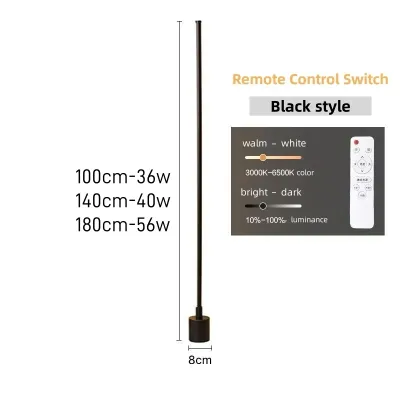
- Tunable White Range: Look for a lamp that can transition smoothly from a warm 2000K (ideal for evening relaxation) to a crisp 6000K (helpful for daytime productivity).
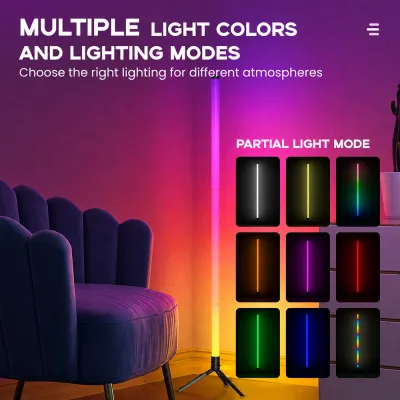
- Full RGB Spectrum: Ensure the light offers millions of color options to provide vibrant backdrops for content creation or specialized mood lighting.
- Wide Dimming Range: A dimming capability spanning from 1% to 100% allows you to transition from a subtle nightlight to a bright background fill.
- Smart Connectivity: App or voice control integration enables quick adjustments without requiring you to get up or manually adjust the physical fixture.
When choosing between a smart sunset lamp and a smart corner floor lamp, consider your primary layout. A sunset lamp is excellent if you have a large, empty wall section to project gradients onto, making it ideal for creative backgrounds and dramatic relaxation zones. A smart corner floor lamp, such as a vertical LED pole, is often better suited for general ambient fill, as it tucks neatly into tight corners and distributes light evenly along the vertical plane of the room.
However, choosing a multi-purpose lamp does involve certain trade-offs. Versatile smart fixtures typically carry a higher initial cost than basic, single-purpose on-off lamps. They also require a more complex initial setup, often involving stable Wi-Fi connections, mobile apps, or smart home hubs. If you prefer simple, plug-and-play operation without digital troubleshooting, a highly specialized, manual-control lamp may still be the more reliable choice for your space.
Electrical Safety and Condo Installation Constraints
Before finalizing your ambient lighting purchase, you must verify that the fixtures are physically and electrically compatible with your condo’s infrastructure. In the Philippines, the standard electrical supply is 220V at 60Hz. Purchasing imported lamps designed solely for 110V systems without a compatible transformer can damage the device or pose a serious fire hazard. Always inspect the product label to ensure the voltage rating matches the local supply, and verify that the plug type matches your wall outlets.
Proper heat dissipation is another critical safety consideration, particularly in warm, humid tropical environments. Although LED ambient lights and projection lamps are highly energy-efficient, they still generate heat, especially around their internal drivers and projection lenses. Keep these fixtures at a safe distance from lightweight fabrics, curtains, bedsheets, or tightly enclosed wooden shelves. Ensuring adequate airflow around the lamp prevents heat buildup, prolongs the lifespan of the LEDs, and minimizes fire risks.
Condo rental agreements often impose strict limitations on structural modifications. To avoid losing your security deposit, prioritize plug-in, freestanding, or lightweight adhesive-based lighting options. Avoid fixtures that require drilling into concrete walls, running permanent wiring behind drywall, or altering the unit’s fixed electrical system. Freestanding floor lamps and adhesive LED strips offer excellent ambient illumination while remaining completely reversible and easy to pack when you move.
Finally, always look for recognized electrical safety certifications printed on the product label or packaging, such as the Philippine Standard (PS) mark or the Import Commodity Clearance (ICC) sticker. These marks indicate that the product has undergone rigorous safety testing. If your lighting plan involves any complex installations, such as ceiling-mounted tracks or hardwired wall sconces, always isolate the power at the main circuit breaker first, follow the manufacturer’s detailed instructions, and consult a qualified professional electrician to handle the installation safely.
Frequently Asked Questions (FAQ)
Can a sunset projection lamp replace my main ceiling light?
No, sunset projection lamps and similar decorative ambient lights are not designed to replace your primary ceiling lights. These fixtures are engineered specifically for aesthetic enhancement, localized mood creation, and supplementary indirect lighting. They do not provide the broad, even, and high-intensity illumination required for general room visibility, reading, cooking, or performing detailed tasks safely.
Do smart ambient lights consume a lot of electricity?
Modern LED-based smart ambient lights are highly energy-efficient and generally consume very little electricity. Most of these fixtures operate on low wattages, typically ranging from 5W to 24W, which has a minimal impact on your monthly electric bill even when used for several hours a day. To calculate your exact energy consumption, always check the specific power rating printed on the manufacturer’s label or product manual.
Community discussion
Share your experience or ask a question. Comments are reviewed before publication.