
Finding the right battery-powered desk lamp for your work-from-home (WFH) or study space in the Philippines requires balancing portability, illumination quality, and power resilience. With the occasional rotational brownouts and the need to transition between a dedicated home office, a dining table, or a quiet bedroom corner, a cordless desk lamp offers unparalleled flexibility. However, selecting the ideal model involves more than picking the first option you see on an online marketplace. You must evaluate how long the battery actually lasts under real-world conditions, whether the light output protects your eyes during extended screen time, and how the device holds up against local environmental factors like high humidity and tropical heat.
By understanding the technical specifications and structural designs available, you can choose a lamp that not only brightens your workspace but also remains a durable, safe companion throughout your daily routine.
Key Features to Check Before Buying a Cordless Desk Lamp
To find a reliable cordless desk lamp, you must look past basic marketing claims and focus on technical specifications that directly impact daily performance, safety, and longevity.
Products mentioned in this guide
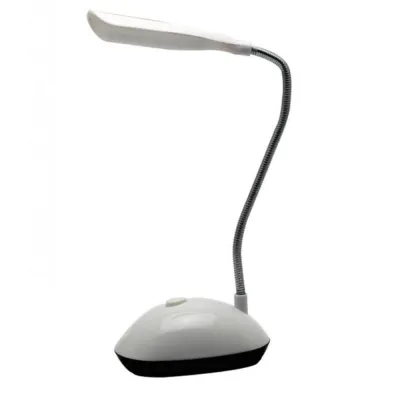
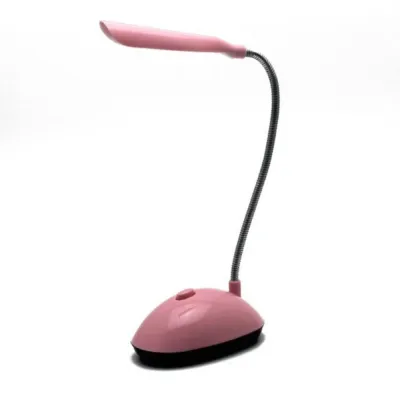
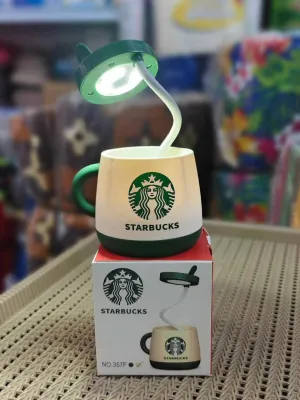
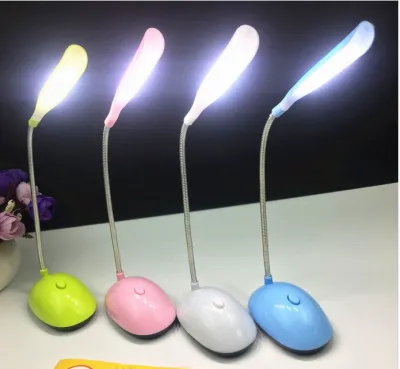
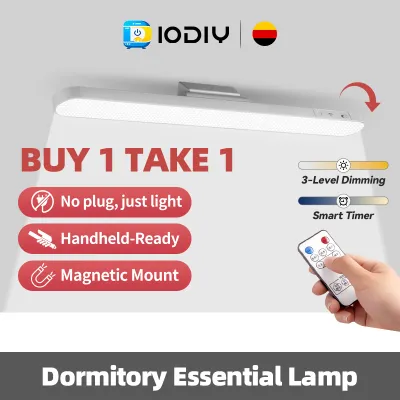
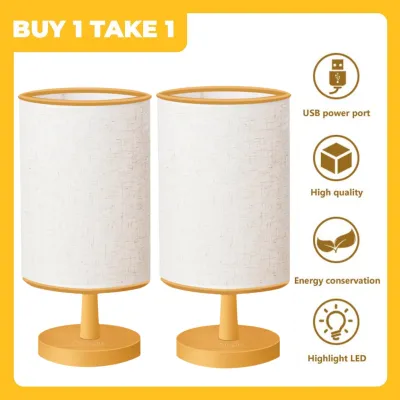
Prices are valid at publication and may change. Please refer to the product page for the latest price.
Battery Capacity and Real-World Runtime The battery capacity of a cordless desk lamp is typically measured in milliampere-hours (mAh). While a higher mAh rating generally indicates a larger energy reservoir, it does not automatically guarantee a longer runtime. Actual battery drain depends heavily on the lamp’s LED efficiency, the wattage of the light source, and the selected brightness level. For example, a lamp with a 4000mAh battery might run for dozens of hours on its lowest, dimmest setting, but deplete in under four hours when set to maximum brightness for detailed reading. When evaluating a desk lamp battery, always check the manufacturer’s product label for a breakdown of estimated runtimes at multiple brightness levels rather than relying on a single, generalized maximum runtime figure.
Brightness, Dimming, and Color Temperature Adequate illumination is vital to prevent eye strain during long study or work sessions. Look for the lumen (lm) rating on the product packaging, which measures the total amount of visible light emitted. A suitable task lamp should ideally offer adjustable brightness settings, either through stepped levels or stepless touch dimming, allowing you to adapt the light to your surrounding environment.
Color temperature, measured in Kelvin (K), is another critical factor. Adjustable color temperatures—ranging from warm white (around 2700K to 3000K) to cool daylight (5000K to 6500K)—allow you to customize your setup. While some users find cool white light helps them focus during intense analytical work, others prefer warm light to reduce evening eye strain; these are subjective, conditional preferences rather than absolute performance metrics. Additionally, check the Color Rendering Index (CRI) rating; a higher CRI (typically Ra 80 or above) ensures that colors appear natural and vivid under the light, which is particularly important if you are reviewing physical documents or textbooks.
Charging Interfaces, Voltage, and Electrical Certification Modern battery-powered lamps should feature a reliable charging interface. USB-C ports are highly recommended over older Micro-USB connections due to their faster charging capabilities, physical durability, and compatibility with standard modern cables. Before purchasing, verify the required input voltage and current (typically 5V/1A or 5V/2A) to ensure the lamp can safely charge using your existing mobile phone adapters, power banks, or laptop ports. It is also essential to check for recognized electrical safety certifications, such as CE, RoHS, or local quality marks. These certifications verify that the internal circuitry, battery protection systems, and charging components have been tested to prevent short circuits, overcharging, and thermal runaway.
Build Quality and Climate Considerations The tropical climate of the Philippines introduces specific challenges for electronic devices. High relative humidity and elevated ambient temperatures can accelerate the degradation of plastic components and internal lithium-ion batteries. When selecting a lamp, pay close attention to the build materials. Lamps featuring aluminum components or integrated metal heat sinks generally offer superior heat dissipation, preserving both LED lifespan and battery health. Inspect the structural joints and hinges; high-quality mechanical joints are less likely to become loose or sticky over time compared to cheap plastic friction hinges, which can degrade rapidly in humid conditions.
Recommended Desk Lamp Types for Different Study and WFH Needs
Matching a lamp’s physical design and battery configuration to your specific workspace layout is far more effective than simply choosing the model with the largest battery. Different tasks and desk sizes demand distinct form factors to maximize productivity and comfort.

High-Capacity Task Lamps for Full-Day Sessions
High-capacity task lamps are engineered for heavy-duty, stationary use. These models are designed to provide consistent, high-quality illumination over extended periods without requiring a constant connection to a wall outlet.
- Ideal For: Professionals working standard eight-hour shifts from home, board exam candidates undergoing rigorous daily review sessions, or anyone with a dedicated, permanent home office desk where the lamp rarely needs to be relocated.
- Key Characteristics: These lamps feature large battery banks, typically rated at 4000mAh or higher, housed within a heavy, weighted base that prevents tipping. They generally offer wider light heads or elongated LED bars that cast a broad, uniform pool of light across a large desk surface, reducing contrast glare from computer screens.
- Limitations: Because of their large batteries and robust construction, these lamps are bulky, heavy, and highly non-portable. They also require significantly longer charging times—often taking four to six hours to reach a full charge—and are poorly suited for small, cluttered desks or mobile study setups.
Compact Clip-On and Foldable Lamps for Small Desks
For those who operate in shared spaces or have limited desk real estate, compact clip-on and foldable lamps offer an excellent balance of portability and space-saving utility.
- Ideal For: Students living in shared dormitories, digital nomads working from cafes or co-working spaces, and individuals who use their dining tables as temporary workspaces and must pack away their equipment at the end of the day.
- Key Characteristics: These models emphasize lightweight construction, flexible silicone goosenecks, or multi-folding arms that allow the lamp to fold flat for easy storage in a backpack. Clip-on variants feature sturdy, rubber-padded clamps that can secure the lamp to bed headboards, shelf edges, or the sides of thin tables, freeing up valuable flat desk space.
- Limitations: To maintain their lightweight profile, these lamps utilize smaller battery capacities, typically ranging from 1000mAh to 2000mAh. This smaller physical size results in a narrower light beam and shorter runtimes on high brightness settings, requiring more frequent recharging cycles and precise positioning to cover your work area.
Adjustable Architect-Style Lamps for Detailed Work
Architect-style cordless lamps feature articulated, multi-jointed arms that provide exceptional directional control, allowing you to position the light source precisely where it is needed.
- Ideal For: Architecture and design students, fine artists, hobbyists engaged in detailed crafting or soldering, and anyone whose work requires close-up, shadow-free illumination from various angles.
- Key Characteristics: These lamps utilize a series of spring-tensioned or mechanical joints along a dual-strut arm, allowing the light head to hover close to the desk surface or extend high above it. The battery is almost always positioned in the heavy base to act as a counterweight, ensuring the lamp remains stable even when the arm is fully extended.
- Limitations: The extended reach of these arms requires careful balancing; extending the light head too far horizontally without adjusting the base position can cause the lamp to tip over. Additionally, the mechanical joints are subject to wear and may require occasional manual tightening with a screwdriver to maintain their tension over years of use.
Quick Comparison: Estimating Runtime Across Brightness Levels
To help you select the right balance of battery size and performance, the table below outlines general estimates for runtime based on battery capacity and brightness settings.
| Battery Capacity Range | Low Brightness (approx. 50-100 lm) | Medium Brightness (approx. 150-250 lm) | High Brightness (approx. 300-400+ lm) | Best Use Case |
|---|---|---|---|---|
| 1000–2000 mAh | 12 to 24 hours | 4 to 8 hours | 1.5 to 3 hours | Short study sessions, highly portable travel, clip-on reading |
| 2000–4000 mAh | 24 to 48 hours | 8 to 16 hours | 3 to 6 hours | Balanced daily WFH use, moderate study sessions, backup emergency light |
| 4000 mAh and above | 48 to 100+ hours | 16 to 30 hours | 6 to 12 hours | Extended professional shifts, heavy task work, multi-day brownout resilience |
Variables Affecting Runtime The runtimes listed above are generalized estimates and can vary based on several real-world factors. The primary variable is the overall power consumption (wattage) of the LED chips; a lamp utilizing high-power LEDs will drain a battery much faster than an energy-efficient model at the same lumen output.
Furthermore, ambient temperature plays a significant role. High ambient heat, common during the dry season in the Philippines, can temporarily reduce battery efficiency and accelerate the self-discharge rate of lithium-ion cells. Finally, as lithium-ion batteries age over years of use, their maximum charge capacity naturally degrades, leading to shorter runtimes.
Verification Advice When shopping for a desk lamp battery, always treat marketing phrases like “up to 100 hours of light” with caution. These claims almost always refer to the lowest, dimmest setting, which is often insufficient for active reading or typing. Always check the manufacturer’s specific product manual, specification sheet, or back-panel label to verify the exact discharge curves and estimated runtimes at your intended operational brightness level.
How to Maximize Battery Life and Maintain Your Cordless Lamp
Proper maintenance and mindful charging habits are essential to extend the lifespan of your lamp’s internal lithium-ion battery and ensure safe operation.
Charging Best Practices To preserve battery health, avoid letting the battery drain completely to 0% before recharging. Lithium-ion batteries experience less stress when kept partially charged; plugging the lamp in when it drops to around 20% is ideal. Conversely, avoid leaving the lamp plugged into a charger continuously if the manufacturer does not explicitly state that the device includes built-in overcharge protection. Continuous charging on a cheap circuit can cause micro-cycling, which degrades the battery’s capacity over time. Always use a high-quality charging adapter that matches the voltage and amperage specified on the lamp’s regulatory label.
Managing Heat and Humidity Lithium-ion batteries are highly sensitive to temperature extremes. In the Philippines, indoor temperatures can rise significantly, especially in unventilated rooms during the summer months. Avoid placing your cordless lamp in direct sunlight, near hot windows, or adjacent to heat-emitting appliances like desktop computer towers. If you are charging the lamp, ensure it is placed in a well-ventilated area to allow heat to dissipate naturally from the base.
Cleaning and Care Dust and grime accumulating on the LED diffuser can reduce the perceived brightness of your lamp, tempting you to increase the brightness setting and drain the battery faster. To maintain optimal light output, clean the lamp regularly using these simple, reversible steps:
- Power Isolation: Ensure the lamp is completely powered off and disconnected from any charging cable or power source.
- Wiping: Wipe the outer casing and the light diffuser gently using a dry or slightly damp microfiber cloth.
- Avoid Chemicals: Avoid using harsh chemical solvents, alcohol, or abrasive cleaning pads, as these can cloud the plastic diffuser or damage the protective coatings on the lamp body.
- Drying: Allow the lamp to dry completely before turning it back on or plugging it in to charge.
Safety Boundaries While battery-powered lamps are generally safe, you must recognize the signs of a failing battery. Stop using the lamp immediately, disconnect it from the power source, and seek professional assistance or a replacement if you observe any of the following:
- The base of the lamp or the battery compartment becomes excessively hot to the touch during charging or operation.
- The plastic or metal casing around the battery area appears swollen, warped, or cracked.
- The device emits a sweet, chemical, or burning smell.
- The lamp fails to hold a charge or shuts off immediately after being disconnected from the charger.
Note: If you are attempting to install fixed wall-mounted charging brackets or dealing with any complex wiring for home office lighting integration, always isolate the main power supply and consult a qualified professional to ensure compliance with local electrical safety standards.
Frequently Asked Questions (FAQ)
Can I use a power bank to keep my desk lamp running while studying?
Yes, most battery-powered desk lamps can run or charge using a portable power bank, which is highly convenient during power outages. However, you must verify that the power bank’s output voltage (typically 5V) and current match the lamp’s input specifications. Avoid using high-wattage fast-charging ports or power banks that lack automatic power negotiation, as delivering excessive current to a lamp without built-in voltage regulation can cause the internal charging circuit to overheat. Always use reputable, certified USB cables and monitor the lamp’s base for any unusual heat buildup during pass-through charging.
Is a battery-powered desk lamp bright enough for reading at night?
A high-quality battery-powered desk lamp is fully capable of providing sufficient light for night reading, provided it can output at least 300 to 400 lumens at its highest setting. However, reading in a pitch-black room with only a single, concentrated beam of light can cause eye strain due to the intense contrast between the bright page and the dark surroundings. To ensure comfortable reading, it is recommended to pair your desk lamp with low-level ambient room lighting (bias lighting) to soften the contrast, and always verify the lumen output on the product specifications rather than assuming all cordless models offer equal brightness.
Community discussion
Share your experience or ask a question. Comments are reviewed before publication.