
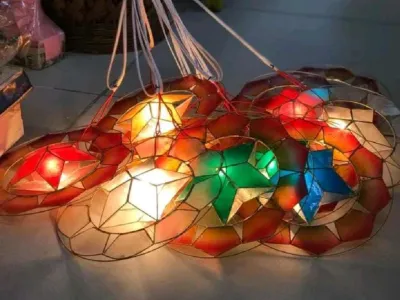
Capiz solar lanterns are an exceptional way to combine traditional Filipino craftsmanship with modern, eco-friendly outdoor lighting. To select the best options for garden pathways and patios in the Philippines, you must prioritize fixtures that pair authentic, UV-protected windowpane oyster shells with high-efficiency solar panels, durable weatherproofing, and sturdy mounting systems capable of handling tropical weather.
Because these decorative lights rely entirely on the sun for power and are exposed to the elements year-round, making an informed choice requires looking beyond aesthetics. Balancing the delicate nature of the organic shells with the harsh realities of heavy monsoon rains, high humidity, and intense tropical heat ensures your outdoor spaces remain beautifully illuminated for years to come.
Key Features to Check Before Buying Capiz Solar Lanterns
Weather Resistance and IP Ratings
When installing any electrical fixture outdoors in the Philippines, verifying the Ingress Protection (IP) rating is the first step toward ensuring safety and longevity. The IP rating consists of two digits: the first measures protection against solid particles like dust, and the second measures protection against liquids. For outdoor garden use, look for a minimum rating of IP44, which indicates the lantern can withstand splashing water from any direction.
Products mentioned in this guide
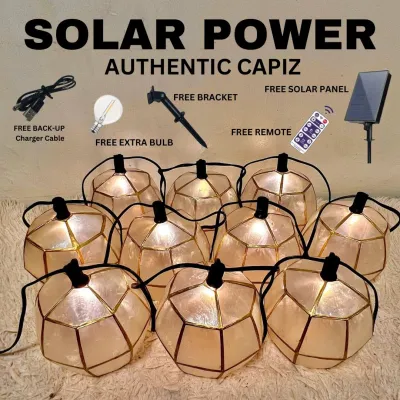
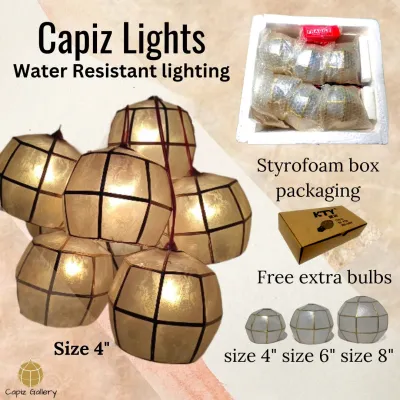
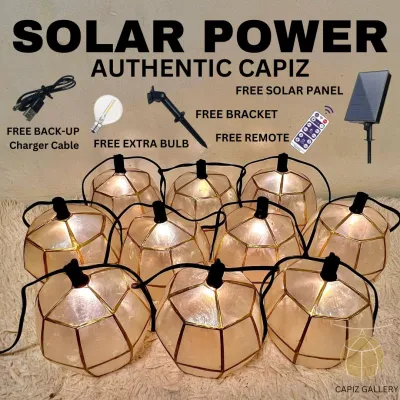
Prices are valid at publication and may change. Please refer to the product page for the latest price.
For pathways and open patio areas that receive direct, heavy rainfall during the monsoon season, upgrading to an IP65-rated fixture is highly recommended. An IP65 rating signifies that the lantern is completely dust-tight and can resist low-pressure water jets. This higher level of protection prevents moisture from penetrating the delicate internal wiring, LED housing, and battery compartments, thereby reducing the risk of premature electrical failure.
Capiz Authenticity and Quality
Genuine capiz shells are harvested from the Placuna placenta (windowpane oyster), a mollusk native to the shallow coastal waters of the Philippines. Authentic capiz possesses a distinct, natural pearlescent luster that softly diffuses light, creating a warm, organic glow that synthetic materials cannot truly replicate. When evaluating lanterns, you can distinguish real capiz from plastic, resin, or glass imitations through a few simple sensory checks.
Real capiz shells have a slightly uneven, textured surface with subtle natural growth lines, and they feel cool to the touch. When gently tapped against one another, they produce a soft, delicate, hollow clinking sound. Plastic and resin imitations often feel warm, have a perfectly smooth or uniform surface, and emit a dull, flat thud when tapped. Glass, while translucent, is significantly heavier, colder, and produces a sharper, high-pitched ringing sound.
Solar Panel Efficiency
The performance of your capiz solar lantern depends heavily on the type of solar panel integrated into the design. Outdoor solar fixtures generally use either monocrystalline or polycrystalline solar panels. Monocrystalline panels are made from a single pure silicon crystal structure, giving them a uniform dark appearance and a high energy conversion efficiency, typically between 15% and 22%.
Polycrystalline panels, made from multiple silicon fragments melted together, have a speckled blue appearance and a lower efficiency rating, usually around 13% to 16%. In the Philippines, where afternoon cloud cover, tropical trees, and garden foliage can create partial shade, monocrystalline panels are the superior choice. They generate more electricity in limited space and perform significantly better under overcast skies or in filtered sunlight.
Battery Replaceability and Chemistry
Solar lanterns store energy collected during the day in internal rechargeable batteries, typically Nickel-Metal Hydride (NiMH) or Lithium-ion (Li-ion) cells. Over time, all rechargeable batteries lose their capacity to hold a charge due to chemical degradation. When shopping for capiz solar lanterns, check the manufacturer’s product specifications to confirm if the battery compartment is user-accessible and if the battery can be replaced.
Lanterns with sealed, non-replaceable batteries must be discarded entirely once the battery dies, which is both environmentally wasteful and costly. A user-replaceable battery compartment, usually secured by a few small screws, allows you to easily swap out the old cell for a fresh one. This simple maintenance step can extend the overall lifespan of your decorative lantern by several years.
Recommended Capiz Lantern Styles for Garden Pathways
Stake-Mounted and Low-Profile Designs
Pathway lighting should guide steps safely without casting blinding glare into the eyes of those walking by. For garden walkways, low-profile capiz lanterns mounted on ground stakes are highly effective. These designs position the light source close to the ground, focusing the illumination downward onto the path surface while keeping the glowing capiz shells below eye level.

Low-profile styles also blend seamlessly with low-growing garden borders, such as dwarf pandan or ornamental grasses. By keeping the fixtures close to the ground, you minimize the visual clutter in your garden during the day, allowing the natural beauty of the landscaping and the delicate texture of the shells to take center stage.
Light Distribution and Diffusion
The arrangement of the capiz shells within the lantern frame dictates how light is distributed across your pathway. To achieve a balanced, inviting glow, select lanterns that feature overlapping layers of capiz shells or those equipped with an internal frosted diffuser tube. Overlapping shells break up the direct light from the LED, casting a soft, dappled pattern of light and shadow onto the walking surface.
If the lantern uses clear, single-layer shells without a diffuser, the light can appear harsh and uneven, creating bright hot spots and deep shadows that make navigating the path difficult. A frosted inner lining or a multi-layered shell design ensures that the light is scattered evenly, providing sufficient visibility for safety while maintaining a magical, ambient aesthetic.
Stability and Wind Resistance
Garden pathways are often exposed to strong winds, especially in open lawn areas or coastal properties. To prevent your pathway lanterns from tipping over or shifting out of alignment, pay close attention to the construction of the ground stakes and the overall structural stability of the fixture.
Look for stakes made from durable, corrosion-resistant materials such as powder-coated aluminum, stainless steel, or thick, high-grade ABS plastic. The stake should feature a deep, multi-pronged or ribbed anchor design that penetrates at least 15 to 20 centimeters into the soil. This deep anchorage provides the necessary resistance against soil shifting during heavy rains and prevents the lanterns from being dislodged by strong wind gusts.
Recommended Capiz Lantern Styles for Patios and Lounging Areas
Hanging and Pendant Styles
Suspending capiz solar lanterns from pergolas, porch eaves, or sturdy tree branches adds a dramatic, vertical element to outdoor living spaces. Hanging styles allow the breeze to gently rustle the shells, creating a soothing, musical sound that enhances the relaxing atmosphere of a patio or outdoor lounge. However, hanging installations require careful attention to safety and structural integrity.
Before hanging any fixture, verify the weight limit of the supporting structure and ensure you use weather-resistant hardware, such as marine-grade stainless steel chains, heavy-duty S-hooks, or UV-resistant nylon cords. Ensure the hanging area is completely clear of overhead power lines and branches that could swing violently during storms. For hybrid solar-mains systems or any installation requiring fixed wiring in damp outdoor areas, always isolate the power source and consult a qualified professional to ensure compliance with local electrical safety standards.
Tabletop and Centerpiece Options
For outdoor dining tables, coffee tables, and side benches, tabletop capiz solar lanterns offer a flexible and intimate lighting solution. These portable fixtures can be easily rearranged to suit different seating layouts or stored indoors when not in use. When selecting a tabletop lantern, stability is the most critical factor to consider.
Choose models that feature a wide, flat, and weighted base, preferably made from powder-coated metal or heavy ceramic. A low center of gravity prevents the lantern from being easily knocked over by accidental bumps, passing pets, or sudden gusts of wind. Additionally, ensure the bottom of the base has non-slip rubber pads to protect your outdoor furniture from scratches and prevent the lantern from sliding on wet surfaces.
Color Temperature Selection
The color temperature of the integrated LED light source plays a pivotal role in how the capiz shells appear at night. Color temperature is measured in Kelvin (K), with lower numbers representing warmer, yellow light and higher numbers representing cooler, blue-white light. For capiz shells, warm white LEDs ranging from 2700K to 3000K are highly recommended.
Warm white light complements the natural, creamy, and amber tones of the organic oyster shells, enhancing their translucent qualities and creating a cozy, welcoming ambiance. Conversely, cool white LEDs (5000K and above) tend to make the natural shells look stark, cold, and synthetic, stripping away the organic warmth that makes capiz so desirable. While light color is ultimately a matter of personal preference, warm white light is widely favored for relaxing social spaces.
Caring for Capiz Shells in Tropical and Humid Climates
Routine Cleaning Methods
In the humid, tropical climate of the Philippines, outdoor fixtures quickly accumulate dust, pollen, and salt residue, particularly in coastal regions. This build-up can dull the natural luster of the capiz shells and reduce the amount of light that filters through. Regular, gentle cleaning is essential to preserve the shells’ appearance and translucency.
To clean the shells, start by using a soft-bristled brush or a dry microfiber cloth to remove loose dust and debris. For stubborn dirt, wipe the shells gently with a microfiber cloth dampened with a very mild solution of warm water and a few drops of pH-neutral dish soap. Never use harsh chemical cleaners, bleach, ammonia, vinegar, or abrasive scrubbing pads, as these acidic and abrasive substances can dissolve the calcium carbonate structure of the shells and strip away protective factory coatings.
Moisture and Drainage Management
Prolonged exposure to trapped moisture can lead to the growth of mold, mildew, and algae on the organic shells, which can permanently stain the material and rot the binding wires. When installing your lanterns, ensure there is adequate airflow around the fixtures to allow them to dry quickly after a rainstorm. Avoid placing hanging lanterns flush against solid walls or dense foliage where moisture can linger.
Additionally, inspect the bottom of the lantern frame to ensure that any built-in drainage holes are free of dirt, leaves, or insect nests. Proper drainage prevents water from pooling inside the frame, protecting both the delicate shells and the internal electronic components from water damage. If you notice water collecting inside the housing, gently tilt the fixture to drain it and clear the blockages.
Severe Weather Protection and Storage
The Philippines experiences frequent tropical storms and typhoons that bring devastating winds and torrential rains. Capiz shells are inherently fragile and can easily shatter, crack, or be torn from their frames when subjected to extreme weather conditions. Protecting your investment requires a proactive approach to storm preparation.
Before a typhoon or severe storm makes landfall, safely turn off the solar lanterns (if equipped with an on/off switch) to prevent battery drainage during extended periods of darkness. Carefully detach hanging and stake-mounted lanterns, wrap them in soft cloth or bubble wrap to prevent the shells from clashing, and store them indoors in a dry, secure location. Once the storm passes and the outdoor areas have dried, you can safely reinstall the fixtures.
Frequently Asked Questions (FAQ)
Do real capiz shells yellow or become brittle outdoors?
Yes, real capiz shells can naturally yellow and become more brittle over time when exposed to prolonged, intense tropical UV rays and constant moisture. Because capiz is an organic marine material composed primarily of calcium carbonate and proteins, UV radiation gradually breaks down the organic binders within the shell structure. To mitigate this aging process, reputable manufacturers apply a clear, UV-resistant protective lacquer or resin coating to the shells during production. Checking the product details for a UV-resistant finish before purchasing will help preserve the shells’ structural integrity and pearlescent shine.
How long do solar lantern batteries typically last before needing replacement?
Standard rechargeable batteries (typically NiMH or Li-ion) used in outdoor solar lanterns generally last between 1 and 2 years, which equates to roughly 300 to 500 charge-and-discharge cycles. The high ambient temperatures common in the Philippines can accelerate battery degradation, shortening this lifespan slightly. Common warning signs that your lantern’s battery needs to be replaced include a significantly reduced nightly runtime—such as the light turning off after only one or two hours instead of the typical six to eight hours—or the lantern failing to illuminate at all after a full day of direct sunlight. Always consult the manufacturer’s care instructions for the correct battery specifications and safe replacement procedures.
Community discussion
Share your experience or ask a question. Comments are reviewed before publication.