
Decorating your home and garden with charming animal sculptures is a timeless way to add personality, warmth, and a touch of rustic whimsy to your living spaces. Among the most popular choices for both indoor and outdoor decor are chicken figurines. Whether you want to evoke the cozy feel of a traditional country farmhouse or simply add a playful element to your pocket garden, a well-placed chicken figurine display can instantly transform an ordinary corner into an eye-catching focal point.
In the Philippines, choosing the right decorative pieces requires careful consideration of local environmental factors. The ideal chicken figurines for Philippine homes must not only match your personal aesthetic preferences but also possess the structural integrity to withstand a tropical climate characterized by intense sunlight, high humidity, and heavy seasonal rainfall. By focusing on durable materials, stable designs, and proper placement, you can curate a beautiful display that remains vibrant and intact for years to come.
What to Look for When Buying Chicken Figurines
Selecting the perfect figurine involves more than just picking the first cute design you see. To ensure your investment brings long-term satisfaction, you need to evaluate several practical and aesthetic dimensions before making a purchase.
Products mentioned in this guide
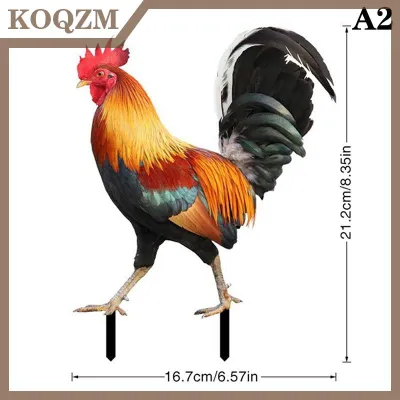
![[COD] SAjeNH SPORT Garden Rooster Statue Chicken Sculpture For Yard Decor Weatherproof Hen Figurine For Patio Backyard Home Outdoor Decoration](https://img.lazcdn.com/g/p/8e60a1aa54b429c91c05d162b2a07ab0.jpg_400x400q80.jpg_.webp)
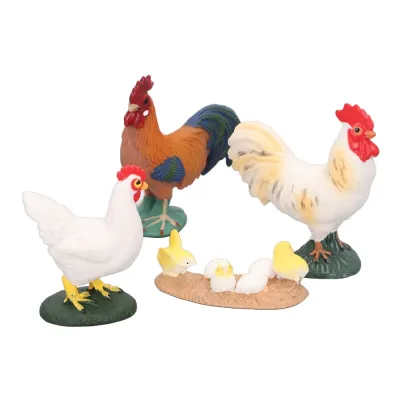
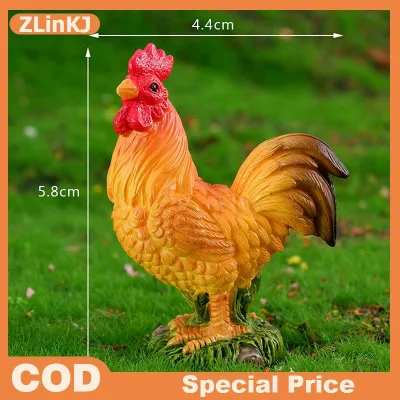
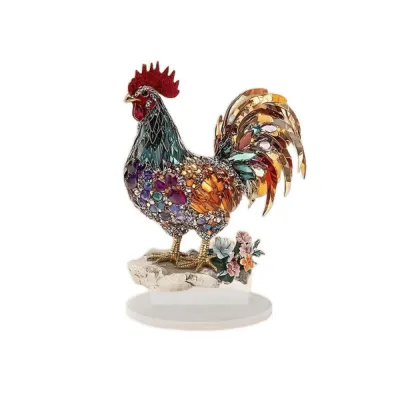
Prices are valid at publication and may change. Please refer to the product page for the latest price.
Intended Placement
Before browsing designs, decide exactly where your chicken figurine will live. Indoor environments offer complete protection from the elements, allowing you to choose delicate materials, intricate paintwork, and lighter structures that would quickly deteriorate outdoors. Conversely, outdoor placements in garden beds, open lawns, or exposed patios demand heavy-duty construction, weather-resistant finishes, and robust anchoring capabilities to survive the changing tropical seasons.
Scale and Proportion
Achieving visual balance requires matching the scale of your figurine to its surrounding environment. A tiny, 10-centimeter resin chick will easily get lost among lush garden foliage like large-leafed ferns or Sansevieria plants, making it look like an accidental afterthought. For outdoor landscapes, look for life-sized or slightly oversized roosters standing 30 to 50 centimeters tall to establish a clear focal point. Save smaller, delicate figurines for narrow windowsills, kitchen countertops, or crowded display cabinets where they can be appreciated up close.
Design and Aesthetic
Decorative style is a matter of personal preference, and different designs will create distinct visual dynamics in your home. Rustic, hand-painted roosters with distressed finishes harmonize beautifully with traditional Filipino wooden furniture, capiz shell accents, or bahay kubo-inspired verandas. If your home features a clean, contemporary design, sleek metal silhouettes or minimalist ceramic chicken sculptures in solid neutral tones can provide a sophisticated, modern country touch without cluttering your space.
Base and Stability
In areas prone to sudden wind gusts, such as open gardens, balconies, or rooftop terraces, stability is paramount. A top-heavy figurine with a narrow base will easily tip over during a sudden afternoon thunderstorm, risking damage to itself or surrounding plants. Look for pieces with wide, flat, and weighted bases that sit flush against the ground. If you are placing a lightweight or hollow figurine outdoors, verify whether it can be filled with sand or gravel, or if it features built-in loops for securing it to the soil with metal garden stakes.
Choosing the Right Material for Tropical Climates
The tropical climate of the Philippines—marked by high humidity, intense UV exposure, and torrential monsoon rains—poses unique challenges for outdoor decor. Understanding how different materials behave under these conditions will help you select a figurine that stands the test of time.

Resin and Polyresin
Polyresin is a highly popular material for decorative figurines because it can be molded into incredibly intricate shapes, capturing realistic feather textures and expressive facial details. It is lightweight, relatively shatter-resistant, and highly versatile. However, prolonged exposure to direct, intense sunlight can cause standard resin to fade, yellow, or become brittle. When choosing resin pieces for outdoor display, look for products explicitly labeled with UV-resistant coatings, or plan to apply a protective clear coat yourself.
Ceramic and Terracotta
Glazed ceramic figurines offer a classic, elegant appeal with a glossy finish that naturally resists water absorption and sun fading. They carry substantial weight, making them highly stable in moderate winds. However, unglazed terracotta and low-fire ceramics are highly porous. In humid tropical environments, moisture can easily seep into these unglazed pores, leading to the rapid growth of unsightly black mold, green algae, or structural cracking. Ensure any ceramic piece destined for the garden is fully glazed or thoroughly sealed.
Metal (Cast Iron, Aluminum, and Steel)
Metal figurines provide exceptional structural strength, weight, and a timeless rustic or industrial look. Cast iron is incredibly stable and heavy, but it is highly susceptible to rust when exposed to persistent moisture and humidity. Aluminum is a fantastic alternative because it is naturally rust-resistant, though it is lighter and may require extra anchoring. If you opt for steel or iron pieces, ensure they are hot-dip galvanized, powder-coated, or treated with a rust-inhibiting primer to prevent corrosion.
Wood and Bamboo
Hand-carved wooden or bamboo chicken figurines bring an organic, warm, and distinctly artisanal feel to interior spaces. However, placing untreated wood outdoors in the Philippines is highly risky due to the abundance of subterranean termites (anay), wood-boring beetles, and fungal rot fostered by high humidity. Keep wooden pieces indoors, or restrict them to fully covered, dry outdoor areas like a well-ventilated veranda, and treat them regularly with protective wood preservatives.
| Figurine Material | Best Placement | Climate Resilience | Weight & Stability | Maintenance Level |
|---|---|---|---|---|
| Polyresin | Indoor & Outdoor | Moderate (Requires UV protection) | Light to Medium | Low to Moderate |
| Glazed Ceramic | Indoor & Outdoor | High (Resists water & sun) | Heavy & Stable | Low |
| Unglazed Terracotta | Indoor Only | Low (Absorbs moisture easily) | Medium | High (If kept outdoors) |
| Powder-Coated Metal | Indoor & Outdoor | High (Rust-resistant coating needed) | Heavy & Very Stable | Low to Moderate |
| Untreated Wood | Indoor Only | Low (Prone to rot and termites) | Light to Medium | High |
Creative Display Ideas for Gardens and Indoor Spaces
Once you have selected a durable and stylish figurine, the next step is integrating it into your living spaces. Thoughtful placement can turn a simple decorative object into a compelling visual narrative.
Garden Integration
To make your outdoor chicken figurines look natural, avoid placing them in isolation on a bare lawn. Instead, nestle them slightly inside low-lying garden beds, positioning them among potted ornamental plants like ferns, pocket gardens, or colorful pocket-sized flowering shrubs. Placing a small family of hens and chicks along the edge of a winding stone walkway creates a charming pathway guide. If you have a garden pond or a small water feature, placing a proud rooster nearby adds life and movement to the scene.
Indoor Arrangements
Indoors, chicken figurines can add warmth to kitchens, dining rooms, and entryways. Try placing a rustic wooden or ceramic chicken on open kitchen shelving alongside your favorite ceramic dishware or spice jars. A larger, detailed rooster can serve as an excellent centerpiece on a console table in your entryway. To maintain a clean, sophisticated look, avoid overcrowding the area; leave plenty of negative space around the figurine so its design details can stand out.
Grouping Techniques
When displaying multiple figurines, apply the “rule of odds” by grouping items in threes or fives. This layout is naturally more pleasing to the human eye than even-numbered groupings. To create a dynamic and visually interesting vignette, vary the heights and postures of the pieces. For example, pair a tall, upright metal rooster with a shorter, nesting ceramic hen and a tiny resin chick. Arrange them in a loose triangular formation rather than a straight line to give the display depth.
Thematic Pairings
Enhance the overall impact of your figurines by pairing them with complementary decorative elements. For an outdoor display, place your chicken figurines next to weathered clay pots (paso), vintage metal watering cans, or rustic wooden crates. Indoors, you can place a ceramic chicken on a woven buri or rattan placemat, or pair it with natural linen table runners and warm accent lighting to emphasize a cozy, country-inspired atmosphere.
How to Clean and Weatherproof Your Figurines
Regular maintenance is key to preserving the beauty and extending the lifespan of your decorative figurines, especially when they are exposed to the harsh elements of the Philippine wet season.
Routine Cleaning
For indoor figurines, a weekly dusting with a dry microfiber cloth or a soft-bristled brush is usually sufficient to keep them looking pristine. For outdoor pieces that accumulate dirt, bird droppings, and wild algae, a gentle wash is necessary. Use a soft-bristled brush, warm water, and a few drops of mild, biodegradable dish soap to scrub away grime. Avoid using abrasive scrubbing pads, steel wool, or harsh chemical cleaners like bleach, as these can easily strip away paint and protective clear coats.
Weatherproofing and Sealing
Before the heavy monsoon rains begin, take proactive steps to protect your outdoor pieces. For resin and painted metal figurines, applying a thin, even coat of a clear, UV-resistant acrylic spray sealant can prevent sun fading and water damage. For porous materials like unglazed ceramic or wood, apply an outdoor-grade clear polyurethane sealer to block moisture absorption.
Seasonal Protection
During severe weather events, such as typhoons or prolonged heavy downpours, even the most durable outdoor figurines can be damaged by flying debris, falling branches, or localized flooding. Make it a habit to bring lightweight, delicate, or highly painted pieces indoors during storm warnings. Alternatively, temporarily relocate them to a covered area, such as a veranda, carport, or dirty kitchen, until the weather clears.
Safety and Verification Boundary
Always check the manufacturer’s care instructions and product labels before applying any chemical sealants, paints, or harsh cleaners to your figurines. Certain chemical solvents can react negatively with specific plastics, resins, or factory paint finishes, causing them to bubble, peel, or dissolve. If the instructions are unclear or unavailable, test the sealant on a tiny, inconspicuous area on the bottom of the figurine’s base first to ensure compatibility.
Frequently Asked Questions (FAQ)
How do I prevent metal chicken figurines from rusting outdoors?
To prevent rust, start by checking if your metal figurine has a factory-applied, rust-resistant protective coating. When placing the piece in your garden, avoid putting it directly on damp soil or in low-lying areas where water tends to pool after heavy rains; instead, elevate it slightly by placing it on a flat stone, concrete paver, or gravel bed. If permitted by the manufacturer’s care guidelines, you can also apply a thin, even layer of a clear, rust-inhibiting spray sealant annually to provide an extra barrier against the high humidity of the tropical climate.
Can I leave ceramic figurines outside during the rainy season?
Whether you can leave a ceramic figurine outside depends entirely on how it was made and finished. Fully glazed, high-fired ceramic figurines are highly water-resistant and can safely remain outdoors during the rainy season, provided they are heavy enough to withstand strong winds. However, unglazed terracotta or low-fire ceramics will absorb water from the surrounding damp air and soil. Over time, this absorbed moisture can lead to mold growth, structural weakness, or cracking. If your ceramic figurine is unsealed, fragile, or labeled for indoor use only, always move it to a dry, covered area before the heavy rains begin.
Community discussion
Share your experience or ask a question. Comments are reviewed before publication.