
Choosing the right Christmas lights for wall decor depends entirely on the visual effect you want to achieve. There is no single best option; instead, different light structures interact uniquely with wall textures and room sizes. Fairy lights offer a delicate, sprawling glow, LED strips provide clean and modern lines, flex neon creates bold custom shapes, and novelty motifs serve as instant thematic centerpieces. This guide breaks down how each style transforms your space and what to check before mounting them.
In tropical climates like the Philippines, where high humidity can affect adhesive backings and indoor temperatures can fluctuate, selecting the appropriate light type and mounting strategy is essential for a display that lasts throughout the festive season. By understanding the technical specifications and installation requirements of each style, you can create a stunning visual display without damaging your walls or compromising electrical safety.
Matching Light Styles to Your Wall Decor Vision
Every lighting style brings a distinct personality to your living space. The density of the bulbs, the flexibility of the wiring, and the overall light output influence how large or cozy a room feels. High-density lights draw the eye to specific focal points, while sprawling, low-density strings can make a small room feel deeper and more atmospheric.
Products mentioned in this guide
Prices are valid at publication and may change. Please refer to the product page for the latest price.
Fairy Lights for a Soft, Magical Ambiance
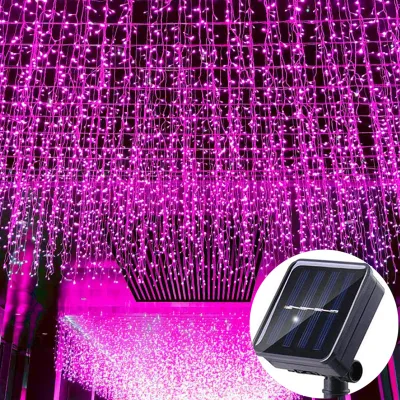
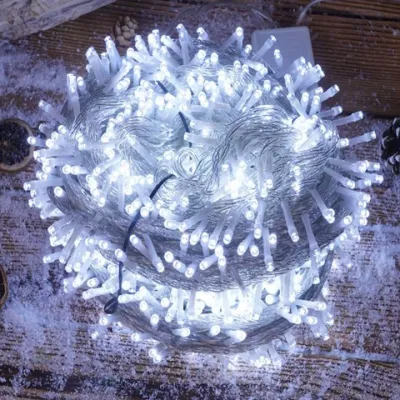
Fairy lights, particularly those on thin copper or silver wires, are celebrated for their delicate, organic appearance. They emit a soft, starry glow that works beautifully when draped over headboards, woven through wall-mounted tapestries, or arranged in cascading vertical curtains. Because the wire itself is nearly invisible, the tiny bulbs appear to float against the wall, making them ideal for bedrooms, reading nooks, and cozy living spaces where a relaxed, intimate mood is desired.
When selecting fairy lights, pay close attention to wire thickness and bulb spacing. Ultra-thin copper wires are highly malleable, allowing you to shape them around wall fixtures or pin them into intricate patterns, but they can tangle easily. Traditional insulated string lights are more durable and easier to untangle, though the thicker green or white wire is much more visible against a plain wall. You must also weigh the trade-offs between battery-operated portability and plug-in reliability. Battery packs offer the freedom to decorate walls far from electrical outlets, but they require frequent battery replacements; plug-in or USB-powered models provide consistent brightness for long-term displays.
While fairy lights excel at creating a whimsical atmosphere, they have distinct limitations. They are less effective for creating sharp, geometric outlines or illuminating large, flat wall areas evenly. If you attempt to outline a large room with thin fairy lights, the effect can look sparse and unstructured rather than intentional.
LED Strip Lights for Clean Lines and Color Changes
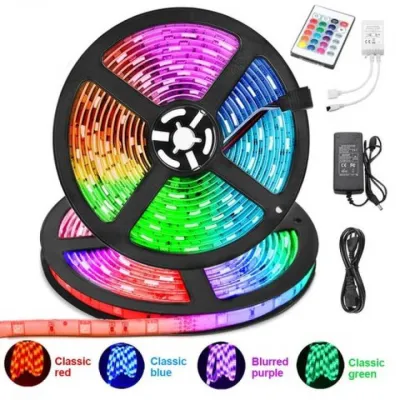
Flexible LED strip lights offer a modern, architectural aesthetic characterized by clean, continuous lines of light. Instead of individual scattered points of glow, strip lights provide a uniform wash of light that is perfect for framing accent walls, highlighting headboards, or outlining floating shelves. They are highly valued for their versatility, often featuring color-changing RGB capabilities that allow you to transition from a warm holiday glow to vibrant festive colors with a remote control or smartphone app.
Before purchasing LED strips, assess the quality of the adhesive backing and the configuration of the light diodes. In humid environments, standard adhesive backings can degrade quickly, causing the strip to sag or peel away from the wall. To prevent this, look for high-quality backing tapes or plan to use mounting clips. Additionally, consider whether you need diffuser channels. Raw LED strips can produce a harsh “dotting” effect where individual light points are visible; placing the strips inside a semi-translucent silicone or plastic diffuser channel softens the output into a seamless, neon-like glow.
The primary limitation of LED strip lights is their surface requirement. They demand a relatively smooth, clean, and non-porous surface for proper long-term adhesion. Textured plaster, matte paint, and certain wallpapers can prevent the adhesive from bonding securely, requiring alternative mounting hardware.
Neon and Flex Neon for Bold, Custom Shapes
Flex neon lights, made from flexible silicone tubing packed with dense LEDs, deliver a vibrant, retro-modern focal point. This style allows you to create striking, customizable wall art, typography, or classic holiday symbols like Christmas trees and stars. Unlike traditional glass neon, flex neon is shatterproof, runs cool to the touch, and is highly energy-efficient, making it a safe and eye-catching addition to high-traffic areas of the home.
When shopping for flex neon, check the manufacturer’s specified minimum bending radius to ensure the tubing can handle the tight curves of your desired design. Many flex neon kits come with pre-cut acrylic backings or rigid mounting channels that help hold the shape against the wall. You must also plan for power supply placement, as flex neon typically requires a heavier power adapter and a thicker cord than standard fairy lights, which can be challenging to conceal on an open wall.
Because flex neon is heavier and more rigid than other light styles, it requires more robust and precise mounting solutions. Simple adhesive putty or light-duty tape will not suffice; you will need to use screw-in mounting clips or heavy-duty damage-free hanging strips to secure the display safely.
Novelty and Motif Lights for Themed Focal Points
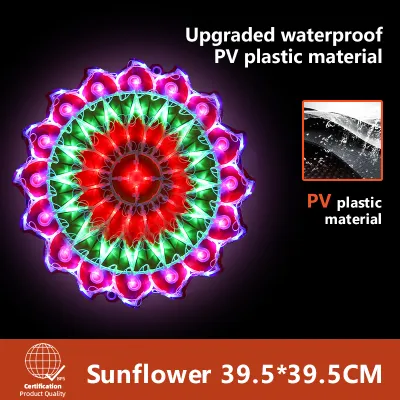
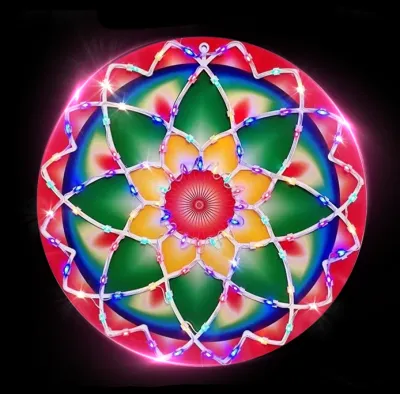
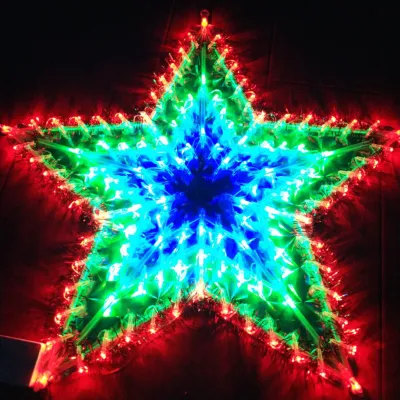
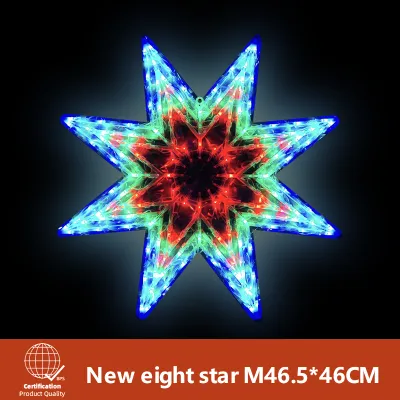
Novelty and motif lights are pre-shaped holiday displays, such as glowing stars, snowflakes, reindeer, or miniature Christmas trees. These lights serve as instant, ready-made wall centerpieces that require no complex manual arrangement or shaping. They are excellent for busy decorators who want a high-impact holiday theme with minimal setup time.
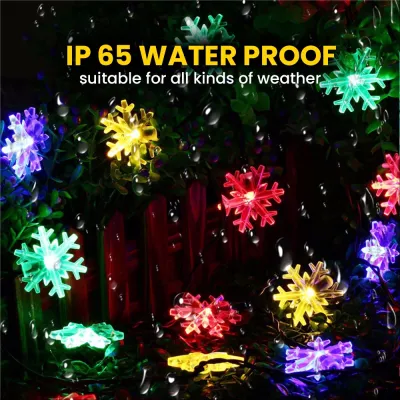
When selecting motif lights, verify the stability of the internal frame and the overall dimensions relative to your wall space. A motif that is too small will look lost on a large wall, while an oversized piece can overwhelm a compact room. It is also crucial to check the indoor versus outdoor rating of the product. While outdoor-rated motifs can safely be used indoors, indoor-only models lack the weatherproofing necessary to withstand moisture, making them unsuitable for walls near open windows or covered patios where humidity levels are high.
The main limitation of novelty motifs is their fixed design. Unlike string lights or LED strips, which can be repurposed for different holidays or room layouts, a Christmas-themed motif is highly seasonal and offers limited creative flexibility. They also require adequate clear wall space to avoid looking cluttered alongside existing wall art.
Key Specifications to Check Before Buying
To ensure your chosen Christmas lights fit your space, power setup, and safety requirements, you must evaluate several technical specifications before making a purchase. First, consider the power source. Battery-operated lights offer unmatched placement flexibility but can become costly and inconvenient if used daily. USB-powered lights can run off power banks or standard phone chargers, while plug-in models offer maximum brightness but require proximity to an outlet. Always verify that plug-in models are compatible with the standard 220-volt electrical grid in the Philippines and check the wattage limits of any extension cords you plan to use. Look for recognized safety certifications, such as the Philippine Standard (PS) mark or the Import Commodity Clearance (ICC) sticker, to ensure the product has undergone rigorous safety testing.

Next, calculate the required length and bulb density. Measure the path you want the lights to follow, keeping in mind that string lights draped in swags will require more length than a straight line. Check the bulb spacing on the product packaging; closely spaced bulbs create a dense, vibrant line of light, while wider spacing offers a more subtle, twinkling effect. For instance, while basic fairy lights might only cost around ₱150 to ₱300, high-quality smart LED strips or custom flex neon setups can range from ₱800 to over ₱3,000, so matching your measurements to your budget is key.
Environmental ratings are equally critical. If you plan to mount lights near open windows, exterior doors, or in high-humidity areas, look for an Ingress Protection (IP) rating. An IP44 rating indicates resistance to splashing water, making it suitable for damp indoor environments, while IP65 or higher is recommended for true outdoor exposure. Finally, assess the control features. Built-in timers, dimming capabilities, and smart app integrations can significantly enhance daily convenience, allowing you to automate your holiday display and adjust the brightness to suit different times of day.
Safe Installation and Wall Protection Strategies
Mounting holiday lights should not come at the cost of damaged paint, torn wallpaper, or electrical hazards. To protect your walls, choose your adhesives carefully. Removable adhesive hooks and specialized light clips are excellent for lightweight string lights and LED strips, as they are designed to release cleanly without pulling off paint. Avoid using standard heavy-duty duct tapes or packaging tapes, which leave stubborn, sticky residues and can easily tear drywall paper or plaster when removed.
Proper surface preparation is the key to ensuring adhesives hold securely, especially in warm, humid tropical climates. Before applying any adhesive, clean the wall surface with a dry microfiber cloth or a light wipe of rubbing alcohol to remove dust, oils, and moisture. Allow the surface to dry completely before pressing the adhesive firmly into place. For heavy installations, such as large flex neon designs or heavy motifs, standard adhesives may not be sufficient. If you must work at height, mount suspended loads, or install fixed wiring, always isolate the power at the breaker, follow the manufacturer’s installation instructions carefully, and consult a qualified professional to ensure a secure and code-compliant setup.
Electrical safety must remain a top priority throughout your installation. Avoid overloading wall sockets by daisy-chaining too many light strings together; instead, use a high-quality surge protector with a built-in circuit breaker. Ensure that power cords are not pinched behind heavy furniture, which can damage the insulation and create a fire hazard. Keep all heat-generating components, such as power adapters and transformers, well-ventilated and away from flammable decorations like paper ornaments or dry tinsel.
When the holiday season ends, take your time removing the lights to prevent wall damage. For stubborn adhesive hooks, use a hairdryer on a low-heat setting to gently warm and soften the adhesive backing before pulling the release tab. Alternatively, you can slide a piece of dental floss behind the adhesive pad to saw through the foam tape cleanly, leaving the wall surface completely intact.
Frequently Asked Questions (FAQ)
Can I leave LED wall lights on all night?
While LEDs are highly energy-efficient and produce very little heat compared to traditional incandescent bulbs, leaving them on unattended all night is generally not recommended. If you choose to do so, ensure the lights are powered by a certified, undamaged adapter and that the wiring is completely intact. For peace of mind, energy savings, and to prolong the lifespan of your lights, utilize a built-in timer or a smart plug to automatically turn the display off during late-night hours.
How do I hide the wires on my wall decor?
Achieving a clean, professional look requires a bit of strategic wire management. You can route power cords along baseboards, door frames, or window trim using small, clear cable clips to keep them flush and unobtrusive. For vertical drops down the middle of a wall, paintable cord covers can be mounted and painted to match your wall color exactly. Alternatively, you can intentionally incorporate the wire into your design, using green or copper wires to mimic climbing vines or draping them symmetrically to look like an intentional part of the display.
Community discussion
Share your experience or ask a question. Comments are reviewed before publication.