
In the Philippines, the Christmas season is a grand, months-long celebration that begins as early as September. Lighting plays a pivotal role in transforming Filipino homes into festive sanctuaries, and incorporating sound-synchronized lighting elevates this experience to a new level. Adding xmas lights with music to your holiday setup creates a dynamic, engaging atmosphere that delights family members and guests alike. To choose the best option for your home, it is essential to understand the different synchronization technologies, evaluate critical technical specifications for safety, and select the right light type for your specific indoor or outdoor decorating needs.
How Music-Synced Christmas Lights Work and What to Look For
Understanding the underlying technology of musical holiday lights is the first step toward making an informed purchase. These systems rely on different methods to translate audio signals into visual light patterns, and each method comes with distinct operational characteristics.
Audio Synchronization Methods
There are three primary synchronization methods used in modern musical Christmas lights:
Products mentioned in this guide
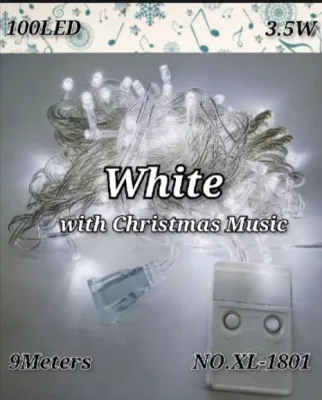
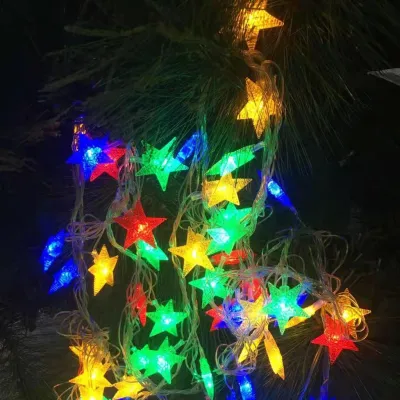
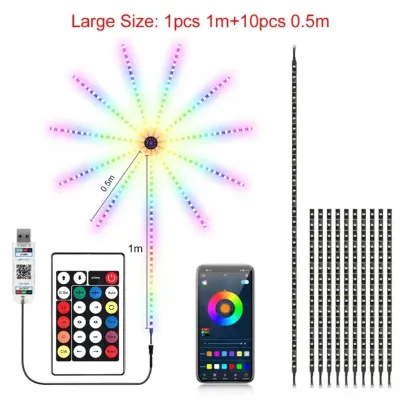
Prices are valid at publication and may change. Please refer to the product page for the latest price.
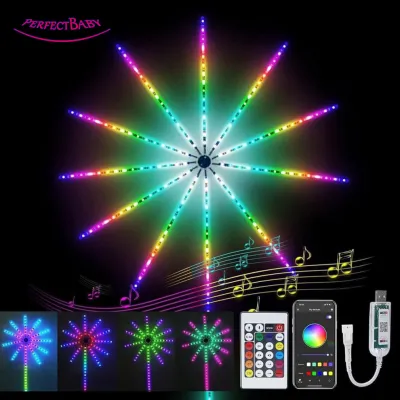
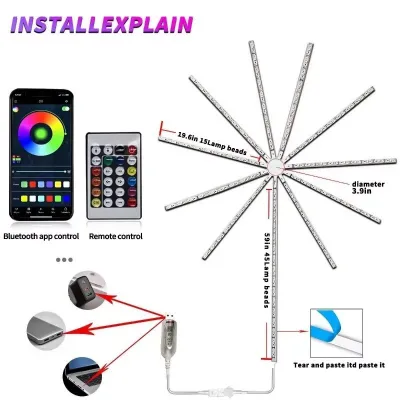
- App-Controlled and Bluetooth Audio Sync: These systems connect directly to a smartphone or tablet via a proprietary application. The app processes the audio file playing on the device—or uses the device's built-in microphone—and transmits real-time color, brightness, and timing signals to the light controller via Bluetooth or local Wi-Fi. This method offers high synchronization accuracy and minimal latency, though it requires the controlling device to remain within wireless range.
- Built-In Microphone Rhythm Detection: These lights feature a physical microphone integrated directly into the inline control box. The microphone detects ambient sound waves and converts them into electrical signals, which an internal processor translates into lighting effects. This plug-and-play method works with any external audio source, such as a home karaoke system or a living room speaker, but it is highly sensitive to background noise like talking, wind, or passing traffic.
- Pre-Programmed Internal Chips: This is the traditional approach, featuring a small physical music box wired directly into the light strand. The controller contains a microchip pre-loaded with a fixed library of classic Christmas carols (usually in MIDI or 8-bit formats). The lights flash in a pre-programmed, hard-coded sequence that matches the tempo of these built-in songs. While highly reliable and simple to use, these systems offer zero customization and cannot sync to external music playlists.
Core Decision-Making Criteria
When evaluating different musical light sets, buyers should focus on three critical technical factors:
- Synchronization Accuracy: High-quality smart lights offer true beat-matching, where advanced algorithms analyze the frequency spectrum of the music to trigger specific colors or patterns (such as red for bass notes and blue for high-pitched melodies). Cheaper models often rely on simple ambient sound reaction, where any noise causes the lights to flicker or pulse randomly without matching the actual rhythm.
- LED Density: The spacing and number of light-emitting diodes (LEDs) per meter directly impact the visual richness of the display. Higher LED density results in smoother color transitions, more vibrant patterns, and a more seamless visual flow during fast-tempo songs.
- Power Requirements: Musical light controllers require a stable power supply to run both the LEDs and the audio-processing chips. Depending on the length of the display, you will need to choose between low-voltage USB-powered options (typically 5V) or mains-powered AC options (220V in the Philippines). Keep in mind that longer runs of high-density LEDs require robust power delivery to avoid voltage drops, which can cause the lights at the end of the strand to appear dim or flicker erratically.
Best Types of Musical Christmas Lights for Every Decor Style
Selecting the right type of musical Christmas lights depends on your personal decorating style, technical comfort level, and where you plan to install the display. By matching the technology to the specific environment, you can create a stunning holiday showcase.

App-Controlled Smart Lights (Best for Custom Playlists)
App-controlled smart lights represent the premium tier of holiday decorating, offering unparalleled customization for tech-savvy homeowners. These systems utilize addressable RGB (often referred to as RGBIC) technology, allowing each individual LED bulb on the strand to display a different color simultaneously.
To set up these lights, you install the manufacturer’s dedicated app on your smartphone, pair the light controller via Bluetooth, and connect it to your home’s 2.4GHz Wi-Fi network (note that many smart controllers do not support 5GHz bands). Some advanced apps even use your smartphone camera to map the precise 3D position of each bulb on your Christmas tree, enabling incredibly detailed, localized light animations that dance in perfect harmony with your music.
These lights are ideal for living room centerpieces, highly detailed indoor displays, or elaborate outdoor installations where you want to choreograph specific light shows to your favorite holiday playlists. However, they do come with limitations. Their performance relies heavily on local wireless signal strength and app stability. If your phone moves out of Bluetooth range or your Wi-Fi connection drops, the music synchronization may lag or disconnect entirely. Additionally, running these complex apps can drain your smartphone’s battery quickly if the device is not kept on a charger.
Microphone-Activated Rhythm Lights (Best for Plug-and-Play Parties)
For festive gatherings, family reunions, and lively videoke sessions, microphone-activated rhythm lights offer a highly convenient, plug-and-play solution. Because these lights do not require a smartphone app, local Wi-Fi, or complex pairing procedures, they can be set up in a matter of minutes.
These systems feature an inline control box with an integrated microphone that listens to the ambient sound in the room. When you play music from your home theater, a portable Bluetooth speaker, or a karaoke machine, the lights automatically pulse, flash, and change colors in response to the sound pressure levels. This makes them exceptionally well-suited for active party environments where different guests might want to play music from various devices.
To get the best performance, optimal placement of the control box is crucial. The box should be positioned relatively close to your main audio speaker—ideally within one to two meters—to ensure the microphone captures clean sound waves. A common limitation of this style is its high sensitivity to non-musical ambient noise. Loud conversations, laughing, clapping, or even the direct breeze from an electric fan can trigger the microphone, causing the lights to flash chaotically rather than in time with the music. Choosing a model with an adjustable sensitivity dial on the control box can help mitigate this issue by allowing you to filter out minor background noises.
Pre-Programmed Musical Strings (Best for Traditional and Kid-Friendly Displays)
If you prefer a nostalgic, low-maintenance holiday display, traditional pre-programmed musical Christmas lights are an excellent choice. These classic light sets feature a small, physical plastic control box wired directly into the string, which plays a selection of beloved holiday tunes through a built-in piezo speaker while flashing the lights in sync with the melody.
These systems are highly valued for their simplicity and reliability. Because they operate entirely offline, they are immune to wireless interference, app crashes, or smartphone battery issues. They are an ideal ‘set it and forget it’ option for children’s bedrooms, cozy reading nooks, or covered front porches where a gentle, repetitive holiday tune adds a welcoming, old-school charm. They are also highly accessible for elderly family members who may find smartphone apps difficult to navigate.
However, these traditional systems have notable limitations. The song library is fixed and cannot be updated, meaning you are limited to the pre-installed MIDI tracks. The physical control box is often bulky and is rarely waterproof, requiring careful placement to protect it from moisture. Furthermore, because cheaper models lack volume controls or headphone jacks, the repetitive nature of the built-in music can eventually become tedious, making it important to look for models that feature a dedicated ‘silent’ switch to run the light patterns without the accompanying audio.
Key Specifications to Compare Before Buying
To ensure your musical Christmas lights are compatible with your home setup and will perform reliably throughout the holiday season, it is important to carefully compare their technical specifications.
Weatherproofing, Power, and Expandability
- IP Waterproof Ratings: The Ingress Protection (IP) rating indicates how well the light set is protected against dust and water. For indoor displays, an IP20 rating is standard. For covered outdoor areas like porches or carports, look for at least an IP44 rating, which protects against splashes of water. For fully exposed outdoor installations, such as garden trees, rooflines, or fences, an IP65 or IP67 rating is essential to withstand heavy tropical downpours.
- Power Sources: Low-voltage USB-powered lights (5V) are highly portable and safe to handle, making them excellent for smaller indoor decorations, as they can even run off a portable power bank. However, they are limited in brightness and maximum length. AC-powered lights (220V) deliver much higher brightness and are suitable for large-scale displays, but they require strict safety precautions and proximity to outdoor outlets.
- Maximum Connectable Strands: Many light sets allow you to connect multiple strands end-to-end to cover larger areas. Always check the manufacturer's specifications for the maximum number of connectable strands (or maximum wattage limit) to avoid overloading the starter controller or the power adapter, which can lead to overheating or fire hazards.
Feature Comparison Matrix
The following table outlines the key differences between the three main categories of musical Christmas lights to help you choose the best fit for your home:
| Feature | App-Controlled | Microphone-Activated | Pre-Programmed |
|---|---|---|---|
| Audio Source | Smartphone app or local audio stream | Ambient sound and external speakers | Internal microchip with fixed music library |
| Setup Complexity | Moderate to High (requires app pairing) | Low (simple plug-and-play) | Low (simple plug-and-play) |
| Outdoor Suitability | Variable (depends on controller IP rating) | Limited (microphones are sensitive to wind) | Indoor or covered outdoor use only |
| Customization Level | High (color mapping and custom patterns) | Low (pre-set sound-reactive modes) | None (fixed sequences and songs) |
Voltage and Local Compatibility
In the Philippines, the standard residential electrical supply is 220V AC at 60Hz. When purchasing musical Christmas lights, especially those imported from overseas, always verify that the power adapter is rated for 220V compatibility. Connecting a 110V-only adapter directly to a local outlet will permanently damage the controller and poses a severe electrical fire hazard.
Additionally, check the plug type; most local outlets accommodate Type A (two flat parallel prongs) or Type B (two flat prongs with a round grounding pin) plugs. To ensure safety and quality, look for products that carry the Philippine Standard (PS) quality mark or the Import Commodity Clearance (ICC) safety sticker on the packaging.
Calculating the Required Light Length
Before purchasing, measure the dimensions of the area you plan to decorate to ensure you buy the correct length of light strands.
- For Christmas Trees: A helpful rule of thumb is to use approximately 10 to 15 meters of light string (or roughly 100 to 150 LED bulbs) for every foot of tree height. For example, a standard 6-foot Christmas tree will require between 60 and 90 meters of lights for a dense, vibrant display.
- For Rooflines and Windows: Measure the linear distance of the frame or roofline using a measuring tape. Add a 10% buffer to your final measurement to account for natural sagging, corner turns, and the run down to the power outlet.
Installation and Safety Tips for the Philippine Climate
The holiday season in the Philippines coincides with the high-humidity ‘Ber’ months, which can bring sudden tropical downpours, strong winds, and occasional typhoons. Installing electrical decorations in this climate requires careful preparation and strict adherence to safety guidelines.
Weatherproofing and Moisture Protection
Water and electricity are a dangerous combination. When installing musical lights outdoors, ensure the light strings themselves are rated IP65 or higher. However, keep in mind that even if the light strand is waterproof, the inline control box, built-in microphone, and power adapter are often not.
- Enclose Sensitive Components: Always place non-waterproof control boxes, plugs, and adapters inside a dedicated, IP-rated weatherproof junction box or a sheltered electrical enclosure.
- Seal Connection Points: Wrap all male-to-female connection points between connected strands tightly with outdoor-rated rubber self-amalgamating tape or heavy-duty electrical tape.
- Use Drip Loops: When routing cables from the outdoors to an outlet, always create a 'drip loop'—a simple downward curve in the wire right before it enters the outlet or junction box. This ensures that rainwater running along the cable will drip off the bottom of the loop rather than flowing directly into the electrical connection.
Electrical Safety and Circuit Management
Overloading electrical circuits is a leading cause of residential fires during the holiday season. To keep your home safe:
- Avoid Overloading Outlets: Do not daisy-chain multiple extension cords or plug too many high-wattage appliances into a single wall outlet. Calculate the total wattage of your light display and ensure it does not exceed the rated capacity of your extension cords or home circuit breakers (typically 15A or 20A in Philippine residential wiring).
- Use Surge Protectors: The local power grid can experience fluctuations, voltage spikes, or sudden brownouts during holiday storms. Plug your musical light controllers into high-quality surge protectors to safeguard their sensitive internal microchips from electrical damage.
- Inspect Before Hanging: Before installing any light set—especially those stored from previous years—conduct a thorough visual inspection. Check the entire length of the wire for brittle insulation, cracks, exposed copper, or heat damage. Inspect the bulb sockets for rust or corrosion, and discard any sets showing signs of degradation.
- Unplug When Unattended: Always unplug all holiday lights and decorations before leaving the house or going to bed.
Managing Humidity and Environmental Factors
High relative humidity can cause condensation to build up inside non-sealed control boxes, which can lead to short circuits, erratic flashing, or permanent microphone failure. To prevent this, suggest placing sound-reactive controllers in sheltered zones, such as under deep roof eaves, inside covered carports, or within open-sided gazebos where they are protected from direct moisture while still being close enough to pick up ambient music.
For complex setups, permanent architectural lighting, high-altitude installations requiring tall ladders or scaffolding, or any custom wiring modifications, always isolate the main power supply at the circuit breaker first, read all manufacturer documentation, and consult a qualified professional or licensed electrician to ensure a safe and successful installation.
Frequently Asked Questions (FAQ)
Can I use my own Spotify or YouTube playlists with these lights?
Yes, but the compatibility depends entirely on the type of musical Christmas lights you choose. If you are using app-controlled smart lights, the companion mobile application typically syncs to the music playing directly from your smartphone’s default media player, or it may integrate with popular streaming platforms like Spotify within the app itself.
If you are using microphone-activated lights, the system does not connect to your phone or music player directly. Instead, the built-in microphone in the light controller reacts to the physical sound waves in the room. This means you can play any playlist from Spotify, YouTube, or a karaoke machine through your home speakers, and the lights will automatically pulse and flash in response to the ambient audio.
Are musical Christmas lights safe for outdoor use during the rainy season?
Musical Christmas lights can be safe for outdoor use, but only if they carry the appropriate weatherproofing specifications. You must verify that the light strands have an IP65 or IP67 waterproof rating before exposing them to open rain.
Crucially, you must remember that while the LED light strings themselves may be waterproof, the accompanying power adapter, plug, and inline music control box (which houses the microphone or wireless receiver) are rarely waterproof. These sensitive electronic components must remain indoors, under a fully covered shelter, or sealed inside an IP-rated weatherproof electrical junction box to prevent short circuits, electrical shocks, or permanent damage during heavy downpours.
Do I need a smart home hub to use app-controlled music lights?
No, you generally do not need a dedicated smart home hub (such as Apple HomePod, Amazon Echo, or Google Nest) to use the music-synchronization features of app-controlled lights. Most modern smart holiday lights establish a direct connection to your mobile device via Bluetooth or utilize your local home Wi-Fi network to communicate directly with the manufacturer’s proprietary smartphone app.
While a smart home hub is not required for the basic music-sync features, having one can offer added convenience. Many premium smart light brands allow you to link their proprietary apps with smart assistants like Google Home or Amazon Alexa, enabling you to turn the lights on or off, adjust brightness, or change lighting scenes using simple voice commands.
Community discussion
Share your experience or ask a question. Comments are reviewed before publication.