
Transforming a compact condominium bedroom into a serene, restful sanctuary requires deliberate lighting choices. In small urban living spaces, traditional bulky lamps can crowd floor plans and bedside tables, making vertical and accent lighting solutions highly desirable. Integrating a warm, well-chosen christmas light setup is one of the most effective ways to achieve a cozy, intimate ambiance without sacrificing valuable surface area.
Unlike bright, functional overhead lighting, low-intensity accent lights create a soft glow that helps transition the mind and body into a state of relaxation. By utilizing vertical surfaces and architectural features, string lights can visually expand a small room while adding character. However, selecting the right string lights for a bedroom is not just about choosing the first sparkling set you find. Achieving the perfect balance between festive charm and year-round comfort involves evaluating safety standards, wire aesthetics, power sources, and color temperatures.
This guide covers how to select, style, and safely install the best string lights to elevate your condo bedroom’s atmosphere. By understanding the technical specifications and design principles of modern accent lighting, you can create a personalized retreat that is both beautiful and safe.
Products mentioned in this guide
Prices are valid at publication and may change. Please refer to the product page for the latest price.
What to Look for When Buying a Bedroom Christmas Light Setup
Selecting the perfect lighting for a small bedroom requires a balance of technical compatibility and aesthetic appeal. Because these lights will be used in an intimate, daily living space rather than just as a temporary holiday display, several key specifications must be verified before purchasing.
Color Temperature and Light Quality The color temperature of your lights plays a critical role in setting the mood and supporting your body’s natural sleep cycle. For a cozy, relaxing bedroom environment, look for lights with a warm white color temperature, typically rated between 2700K and 3000K. This range mimics the soft, amber glow of candlelight, which helps signal to your brain that it is time to wind down. Avoid cool white lights (5000K to 6500K) or intense, high-contrast multicolor options for daily bedroom use. Cool white light contains a high concentration of blue-spectrum light, which suppresses the production of melatonin, the hormone responsible for regulating sleep.
Power Source Options Understanding how your lights are powered will determine where they can be placed and how convenient they are to operate daily.
- Plug-In Lights: These connect directly to a standard wall outlet. They provide a consistent, bright light output and are ideal for permanent installations that you plan to use every night. However, they require proximity to an outlet, which can limit placement options in poorly configured condo layouts.
- USB-Powered Lights: These offer exceptional flexibility. They can be plugged into a standard 5V mobile phone wall charger, a USB port on a laptop, or even a portable power bank. This low-voltage option is highly safe, easy to route, and perfect for areas far from a wall outlet.
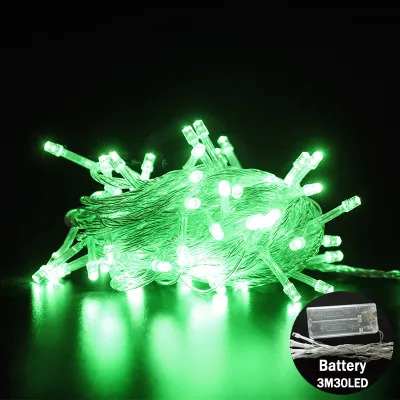
- Battery-Operated Lights: Powered by AA or AAA batteries, these lights are completely independent of wall outlets, allowing you to place them anywhere. However, because they rely on battery power, they tend to dim as the batteries drain. They are best reserved for small, localized decorative accents rather than primary ambient light sources.
Wire Type and Aesthetics The physical wire holding the lights together significantly impacts how the installation looks during the day when the lights are turned off. Thin copper or silver wires are incredibly thin, lightweight, and flexible. They practically disappear against walls and furniture, making the light bulbs appear as if they are floating. This clean look is highly recommended for minimalist condo interiors where visual clutter must be kept to a minimum. Standard string lights often feature thick green, white, or black plastic-jacketed PVC cords. While highly durable and suitable for outdoor use, these cords are visually heavy and can look messy when draped against light-colored bedroom walls.
Voltage and Plug Compatibility Electrical safety is the most critical factor when introducing new lighting into your home. In the Philippines, the standard household electrical supply is 220V at 60Hz, utilizing Type A (two-prong flat) or Type B (three-prong) plugs. Many string lights sold online are imported from regions that use 110V standards. Before plugging any light set into your wall, carefully inspect the manufacturer’s product label and the power adapter. If the lights are rated strictly for 110V, plugging them directly into a Philippine 220V outlet will cause immediate, irreversible damage to the product and poses a severe risk of electrical fire or short circuits. Ensure the product is explicitly rated as dual-voltage (100V-240V) or native 220V. Additionally, look for local safety certifications, such as the Philippine Standard (PS) mark or the Import Commodity Clearance (ICC) sticker, which verify that the product has undergone rigorous safety testing.
Dimming and Smart Features Because a bedroom serves multiple purposes—from reading and relaxing to sleeping—having adjustable lighting is highly beneficial. Many modern LED string lights come equipped with inline controllers or wireless remotes that allow you to adjust the brightness levels. Choosing a dimmable set allows you to lower the light output to 10% or 20% to serve as a gentle nightlight. Alternatively, you can plug your lights into a smart plug or a mechanical timer. This allows you to automate your lighting schedule, ensuring the lights turn on automatically at sunset and shut off after you fall asleep, promoting better sleep hygiene.
Top String Light Styles for Small Condo Bedrooms
Different styles of string lights offer unique visual effects and installation requirements. Choosing the right style depends on your bedroom’s layout, your existing furniture, and the specific aesthetic you want to achieve.

Curtain and Canopy Lights
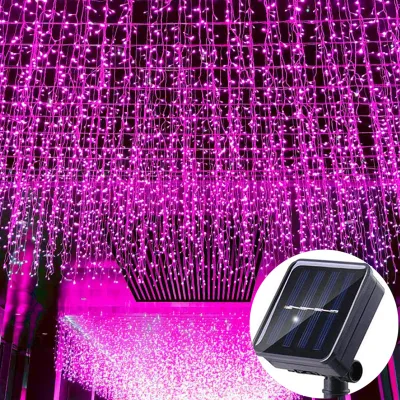
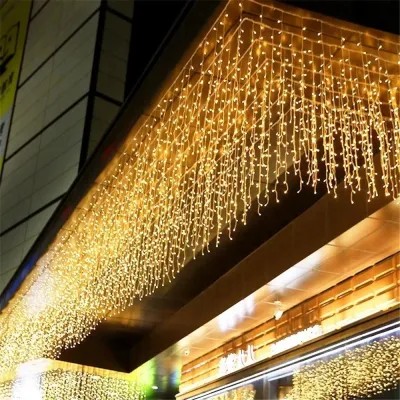
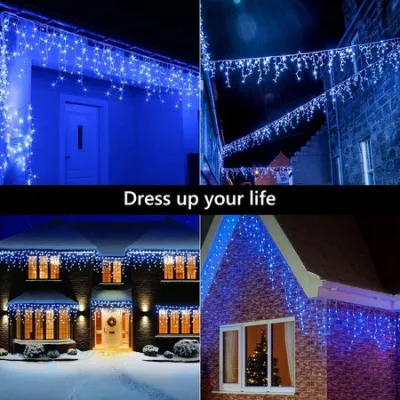
Curtain lights consist of a main horizontal strand from which multiple vertical strings of lights cascade downward, resembling a glowing waterfall. This style is exceptionally effective at maximizing vertical space in compact condo bedrooms. By drawing the eye upward along the vertical lines of light, curtain installations can make a small room with standard ceilings feel significantly taller and more spacious.
One of the most popular ways to style curtain lights is to drape them directly behind your bed’s headboard. This creates a soft, backlit halo effect that frames the bed beautifully. If you have sheer, lightweight curtains, hanging the lights behind the fabric diffuses the glow, creating a dreamy, ethereal atmosphere. Alternatively, you can hang them horizontally across the ceiling directly above your bed to create a “canopy” or “starry night” effect, turning your sleeping area into a cozy, enclosed nook.
However, curtain lights do have some limitations. They require multiple vertical and horizontal anchor points to hang straight and even, which means more mounting clips on your walls or ceiling. They can also look cluttered if paired with heavy, dark blackout curtains, as the thick fabric blocks the light and creates awkward shadows. Finally, they may not suit rooms with very low drop ceilings, as the vertical strands may bunch up on the floor or bedside tables.
Micro Copper Wire Fairy Lights
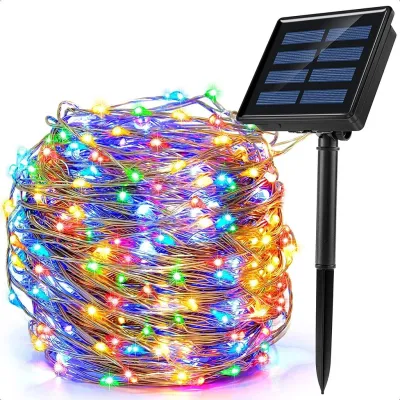
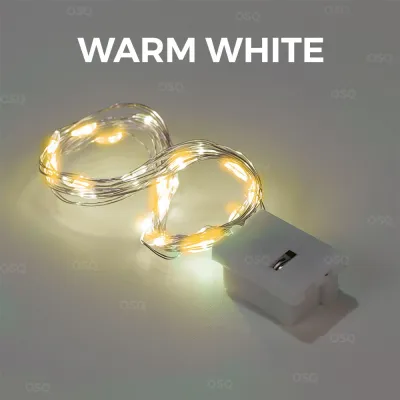
Micro copper wire fairy lights feature tiny, teardrop-shaped LED chips embedded directly into ultra-thin, bendable metallic wire. This style is incredibly versatile and perfect for adding delicate, localized touches of light to your bedroom decor without adding visual weight.
Because the copper or silver wire is highly flexible and retains its shape when bent, you can easily wrap these lights around bedposts, weave them through the slats of a wooden headboard, or spiral them around indoor plants and artificial vines. Another popular DIY project is coiling a short string of battery-operated copper wire lights inside a clear glass mason jar or a geometric lantern to create a custom, portable bedside lamp.
LED fairy lights emit virtually no heat, making them safe to place in direct contact with delicate materials like wood, paper, or dried florals. Their lightweight nature also means they can be secured with minimal adhesive support, such as simple clear tape or lightweight clips. The main trade-off is that they are typically shorter in length and emit a softer, more localized glow, making them less effective if your goal is to illuminate a large wall area.
Festoon and Globe String Lights
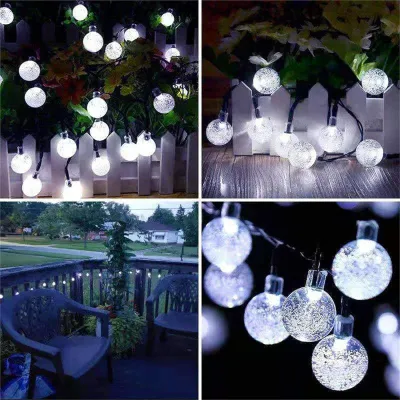
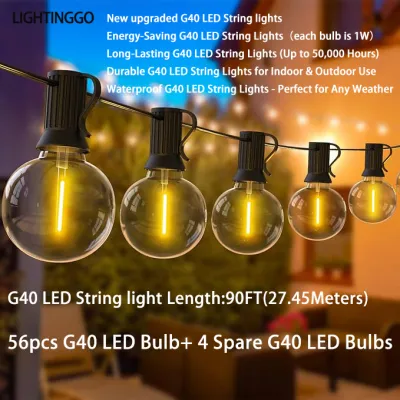
For those who prefer a bolder, more structured look, festoon and globe string lights offer a vintage, cafe-inspired aesthetic. These lights feature larger, distinct round bulbs—such as G40 or mini Edison-style LEDs—spaced evenly along a thicker, heavy-duty cord.
To style festoon lights in a small condo bedroom, avoid wrapping them tightly around furniture or covering entire walls, which can quickly overwhelm the space. Instead, drape them loosely along the perimeter of the ceiling where the wall meets the ceiling, or swag them gently over a cozy reading chair or a wall-mounted mirror. Letting the cord hang with a natural, relaxed curve highlights the graphic quality of the bulbs and adds a touch of industrial charm to your decor.
Because of their larger size and thicker cords, globe lights require sturdier mounting solutions than delicate copper wire lights. It is essential to use them sparingly as a primary visual accent rather than the main source of light. Overuse in a small room can make the space feel crowded and visually busy, so focus on highlighting a single, specific zone of your bedroom.
Comparing the Best String Light Styles for Condos
To help you quickly determine which style of string lights best suits your bedroom layout and decorating goals, refer to the comparison table below. This table summarizes the key practical and aesthetic differences between the three main styles discussed.
| Light Style | Best Placement | Visual Impact | Space Requirement | Ideal Power Source |
|---|---|---|---|---|
| Curtain and Canopy | Behind headboard, behind sheer window curtains, or flat against an accent wall | Soft, cascading vertical glow; creates a dramatic backdrop and visual height | High vertical or horizontal wall surface area | Plug-in or USB |
| Micro Copper Wire | Wrapped around bed frames, woven into plants, or coiled inside glass jars | Delicate, starry accents; highly detailed and intimate | Minimal; highly adaptable to tight corners | USB or Battery-operated |
| Festoon and Globe | Draped along the ceiling perimeter, over mirrors, or framing a reading nook | Bold, vintage cafe aesthetic; structured and graphic | Moderate; requires solid anchor points | Plug-in (220V) |
Safe Installation and Placement in Small Bedrooms
Installing string lights in a condo bedroom requires careful planning to ensure the setup is secure, looks clean, and does not damage the property or pose an electrical hazard. Whether you are renting or own your condo, following these guidelines will help you achieve a professional-looking and safe installation.
Damage-Free Hanging Solutions Most condo associations and landlords prohibit drilling holes, driving nails, or using heavy-duty mounting tapes that can damage drywall and peel paint. To hang your lights safely and reversibly, use transparent adhesive clips or command hooks designed specifically for lightweight cords. These hooks hold the wires securely in place and can be removed cleanly without leaving a trace. Before applying any adhesive hook, clean the area with rubbing alcohol to remove dust, skin oils, and moisture, which is especially important in the humid tropical climate of the Philippines. Let the surface dry completely, press the adhesive strip firmly against the wall for 30 seconds, and wait at least an hour before hanging the weight of the lights. For installations around windows, you can avoid adhesives entirely by wrapping or draping the lights over existing curtain rods.
Electrical Safety and Load Management To prevent electrical hazards, always check the manufacturer’s product label and instructions before installing your lights. Never daisy-chain multiple light strands together unless the manufacturer explicitly states that the specific model is designed for end-to-end connection. Connecting too many strands can overload the thin wiring, leading to overheating and potential short circuits. Additionally, avoid overloading a single wall outlet or extension cord. While LED string lights consume very little power, plugging them into the same outlet or extension cord as high-wattage appliances—such as portable air conditioners, hair dryers, or iron presses—can trigger a circuit breaker or cause electrical fires.
Fire and Heat Precautions Modern LED string lights are highly energy-efficient and emit very little heat compared to older incandescent bulbs. However, the power adapter (the plastic “brick” or transformer) can still become warm to the touch during prolonged operation. Always place the power adapter in a well-ventilated area where air can circulate freely around it. Never tuck the adapter under pillows, blankets, mattresses, or heavy drapery, as this traps heat and creates a fire hazard. Furthermore, avoid placing any string lights in direct contact with highly flammable materials, such as paper decorations or extremely sheer synthetic fabrics, unless the lights are certified as low-voltage and cool-to-the-touch.
Cable Management and Aesthetics Dangling, messy wires can ruin the cozy aesthetic of your bedroom and present a tripping hazard, particularly in a compact condo floor plan. To maintain a clean, uncluttered look, use self-adhesive cable organizers or paintable cord covers along baseboards to route wires neatly to the nearest outlet. You can also hide excess wire and bulky power bricks behind headboards, nightstands, or decorative storage bins. Keeping cords tucked away not only improves the visual appeal of your room but also prevents accidental tugging that could pull down your lights or damage the wall adhesive.
Professional Installation Boundaries While hanging plug-in or USB string lights is a simple, low-risk DIY project, some lighting ideas may require professional assistance. If your desired layout involves hardwiring a light fixture directly into your condo’s ceiling, modifying existing wall switches, or running wires behind drywall, do not attempt to do this yourself. Always consult the manufacturer’s instructions and check your condo’s building guidelines first. Any permanent electrical modifications or installations in damp areas must be performed by a qualified electrician to ensure compliance with the Philippine Electrical Code and to prevent safety hazards or voiding your building’s insurance.
Frequently Asked Questions (FAQ)
Is it safe to leave LED string lights on overnight?
High-quality, certified LED string lights are generally safe for extended use because they emit very little heat and consume minimal power. However, leaving them on all night is not recommended for optimal sleep hygiene. Exposure to even dim light during sleep can disrupt your circadian rhythm and reduce sleep quality. To enjoy the cozy glow as you drift off without affecting your rest, plug your lights into a mechanical timer or a smart plug programmed to turn off automatically after an hour or two. Always ensure the power adapter is placed in a well-ventilated spot away from bedding.
How can I hang string lights without damaging condo walls?
The most reliable renter-friendly method is using small, clear adhesive hooks designed specifically for fairy lights. To ensure they hold up against the tropical humidity, clean the wall surface thoroughly with rubbing alcohol to remove dust and oils before applying the adhesive. Press the hook firmly for 30 seconds and wait at least an hour before hanging the lights. Alternatively, you can drape lights over existing features, such as wrapping them around curtain rods, weaving them through bedhead slats, or draping them over wall-mounted shelving units, eliminating the need for adhesives entirely.
Community discussion
Share your experience or ask a question. Comments are reviewed before publication.