
Choosing the right indoor plant lamp can transform your indoor gardening experience, especially when dealing with the unique architectural and environmental conditions of urban Philippine homes. Many plant enthusiasts living in high-rise condominiums or apartments in metropolitan areas face a common challenge: limited natural sunlight due to neighboring buildings or deep balcony overhangs. Clip-on and USB-powered grow lights offer a highly adaptable, space-saving solution to this problem, allowing you to establish thriving green corners without dedicating precious floor space to bulky fixtures.
These compact fixtures are designed to attach directly to shelves, desks, window sills, or even the edges of pots, bringing targeted light exactly where your plants need it most. By utilizing energy-efficient light-emitting diodes (LEDs), they deliver the specific wavelengths required for photosynthesis while consuming minimal electricity. Because they are lightweight and highly adjustable, they can easily adapt to changing seasonal light patterns or shifting furniture layouts.
When navigating the vast selection of clip-on lights available on e-commerce platforms, making an informed decision requires looking beyond basic marketing descriptions. Finding a successful setup depends on evaluating several critical technical dimensions: the light spectrum, the power delivery system, the physical stability of the clamp, and how well the unit handles the heat and humidity of a tropical climate. Balancing these factors ensures your plants receive adequate energy while keeping your home safe and energy-efficient.
Products mentioned in this guide
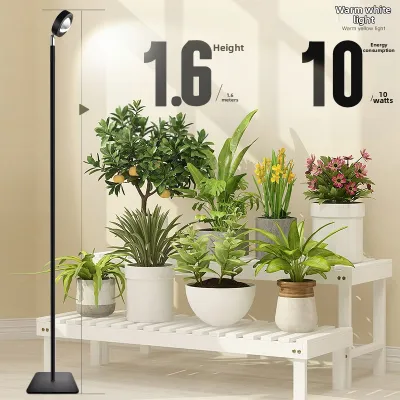
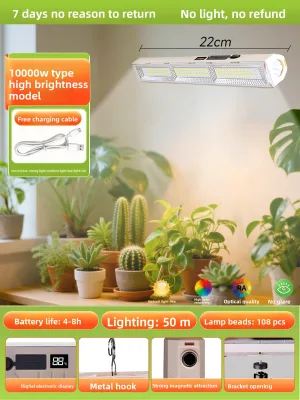
Prices are valid at publication and may change. Please refer to the product page for the latest price.
How to Choose the Right Clip-On Indoor Plant Lamp for Your Space
Selecting an effective indoor plant lamp requires a basic understanding of how artificial light interacts with plant biology. Unlike standard household light bulbs, which are designed solely for human visibility, agricultural lights must provide the specific energy wavelengths that drive plant growth. Evaluating these technical specifications before purchasing will help you avoid underpowered models that fail to support your plants.
Light Spectrum and Color Temperature
Plants utilize different wavelengths of light to carry out vegetative growth, root development, and flowering. When choosing a clip-on light, you will primary encounter two spectrum configurations: full-spectrum (white light) and targeted red/blue spectrums (often appearing pink or purple).
Full-spectrum lights emit a balanced, broad-spectrum white light that closely mimics natural sunlight. These are highly recommended for living spaces, home offices, and bedrooms because they are comfortable for human eyes and showcase the natural green beauty of your foliage. They provide a mix of blue wavelengths for strong, compact leaf growth and red wavelengths for overall plant vigor.
Targeted red/blue lights, sometimes called “blurple” lights, are highly efficient because they only emit the wavelengths most heavily absorbed by chlorophyll. While excellent for propagation shelves or dedicated grow tents, the intense pink hue can cause eye strain and alter the aesthetic look of your living space. For most home gardeners, a warm-white or cool-white full-spectrum LED offers the best balance of plant health and visual comfort.
Brightness, Wattage, and Coverage
To determine if a lamp is powerful enough for your plants, you must look at its actual power consumption (measured in watts) and its light output. Many manufacturers list “equivalent wattage” (such as comparing an LED to an old incandescent bulb), which can be misleading. Always look for the actual draw wattage of the fixture.
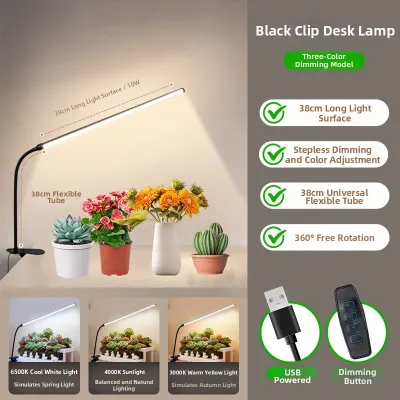
Low-wattage USB lights (typically 5W to 10W) are suitable for low-light plants like pothos, ZZ plants, and small snake plants, or for supplementing natural light on a windowsill. If you are growing high-light succulents, herbs, or small flowering plants, you will need a higher-wattage fixture or multiple light heads to deliver sufficient light intensity.
Beam angle and distance also dictate coverage. Because light intensity decreases rapidly as the distance between the lamp and the leaf increases, a clip-on light must be positioned close to the canopy. Ensure the gooseneck is long enough to position the light source within 15 to 30 centimeters of your plants without touching the leaves.
Power Source and Electrical Compatibility
Clip-on grow lights generally fall into two power categories: low-voltage 5V USB connections and direct 220V AC wall plugs. Each power delivery system has distinct advantages and limitations depending on your intended placement.
USB-powered models offer incredible placement flexibility because they can run off standard phone chargers, multi-port USB hubs, power banks, or even laptop ports. This makes them ideal for office desks or temporary setups where wall outlets are scarce. However, the standard 5V USB interface limits the maximum electrical current, meaning these lamps cannot deliver the high wattage required for larger, light-hungry tropical plants.
Direct 220V AC-powered clip lights plug directly into standard Philippine wall outlets. Because they are not restricted by low-voltage USB limitations, they can support higher-wattage LED chips that penetrate deeper into dense plant canopies. They are the preferred choice for larger foliage displays but require careful cable management and proximity to a wall outlet.
Build Quality and Clamp Design
Because clip-on lamps are designed to be moved and adjusted, the physical construction of the clamp and the gooseneck is critical to long-term usability. A weak clamp or a drooping neck can cause the light head to fall, potentially damaging your plants or delicate furniture.
Look for clamps made of heavy-duty metal or thick, high-impact ABS plastic with strong steel springs or screw-tightening mechanisms. The inner surfaces of the clamp should feature thick rubber or felt padding; this prevents the lamp from slipping on smooth surfaces like glass shelves and protects wooden furniture from scratches.
Goosenecks should be stiff enough to hold their shape even when bent at extreme angles. Cheap, thin goosenecks tend to sag over time under the weight of the LED head, especially on multi-light models. Additionally, check that the LED housing is made of aluminum or features visible ventilation slots to allow heat to escape efficiently.
Best Clip-On Grow Light Setups for Different Indoor Plants
Different indoor plants have unique light requirements, and matching the right lamp style to your specific plant collection will yield the best growth results. Since plants vary from small desktop succulents to large floor-standing tropicals, choosing the correct form factor is essential.

Flexible Gooseneck USB Lamps
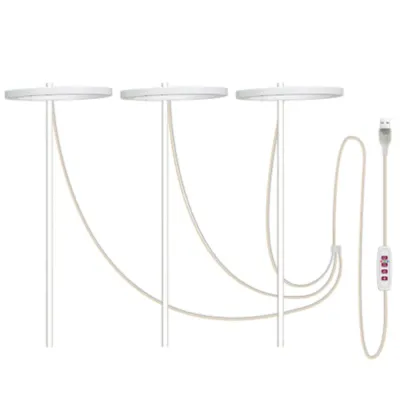
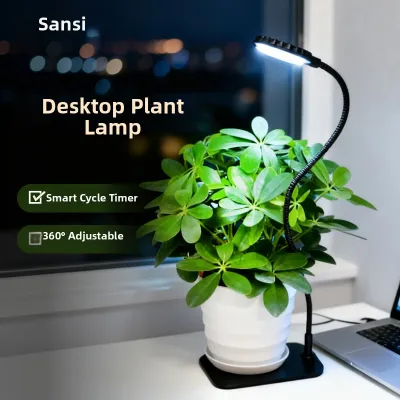
Flexible gooseneck lamps featuring one, two, three, or four adjustable heads are among the most popular designs for home gardeners. These multi-head configurations allow you to direct light from multiple angles, ensuring that even lower leaves receive adequate exposure.
These lamps are best suited for small, localized plant collections such as desktop succulent gardens, culinary herb pots on kitchen counters, or propagation trays. The individual goosenecks can be bent to surround a single plant or spread out to cover a wider, horizontal shelf. Because they are typically powered by USB, they are highly portable and easy to integrate into existing workstations.
However, it is important to remember that the total power output is shared across all active light heads. If you choose a four-head USB model, each individual head may only receive a fraction of the total power, making them insufficient for tall, light-demanding tropical plants. Keep these lights close to small, compact plants for the best results.
Halo and Ring Clip-On Lights
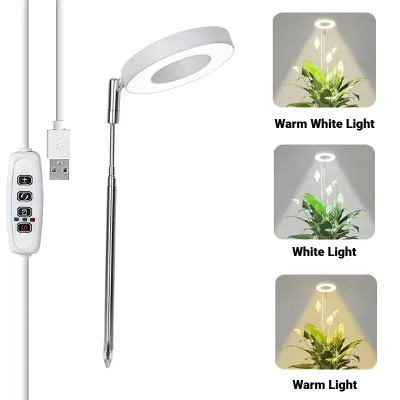
Halo or ring-shaped grow lights offer a sleek, minimalist aesthetic that blends seamlessly into modern home decor. These lights are designed to sit directly above a single plant, casting a circular beam of light downward to mimic the natural overhead sun.
This shape is highly effective for single potted plants, such as African violets, small monsteras, or delicate ferns. The circular design distributes light evenly across the entire canopy, preventing the plant from leaning toward one side and reducing the harsh shadows often created by single-point light sources. Because the light is distributed over a wider ring, it also minimizes the risk of localized leaf burn.
When selecting a halo-style clip light, always check the inner diameter of the ring. The ring should be wide enough to sit comfortably above the plant’s widest leaves without physically touching them. Touching the warm LED surface can cause physical damage or dry out delicate foliage.
High-Output AC-Powered Clip Lights
For collectors of large tropical houseplants, standard USB-powered lights are rarely sufficient. Large-leafed species such as Monstera deliciosa, Philodendron, and indoor-grown orchids require intense, deep-penetrating light to maintain their variegation and promote healthy leaf fenestration.
High-output clip lights that plug directly into 220V wall outlets are designed for these demanding scenarios. These fixtures often utilize heavy-duty aluminum reflectors and high-wattage LED chips that can project light over longer distances. This allows you to mount the lamp further away from the plant, creating a wider coverage area that can support a large, floor-standing specimen.
Because these light heads are significantly heavier than their USB counterparts, they require robust, heavy-duty clamps. Ensure you attach them to sturdy structures, such as solid wood shelves or heavy metal plant stands, rather than thin plastic or glass surfaces. Additionally, because high-output LEDs generate more heat, ensure the fixture is placed in a well-ventilated area to prevent localized heat buildup.
USB vs. AC-Powered Clip Lights: Which Do You Need?
Deciding between a USB-powered model and a direct AC-powered fixture depends on your physical space, the number of plants you need to light, and your proximity to electrical outlets. The following comparison highlights the key operational differences to help you choose the right power system.
| Feature | USB-Powered Clip Lights | AC-Powered Clip Lights |
|---|---|---|
| Power Output Limit | Typically low (5W to 15W total draw) | High (15W to 50W+ stable draw) |
| Best Plant Types | Succulents, herbs, small foliage, seedlings | Large tropicals, orchids, flowering plants |
| Portability | High (can run on power banks or laptops) | Low (must be near a 220V wall outlet) |
| Heat Generation | Low to moderate; safe for tight spaces | Moderate to high; requires proper ventilation |
| Ideal Placement | Office desks, bookshelves, bedside tables | Large plant corners, heavy metal stands |
| Electrical Safety | Very safe; low-voltage 5V DC power | Standard 220V AC; requires dry conditions |
Before finalizing your purchase on any online marketplace, always check the technical specification sheet or product label. Verify that the rated voltage matches the standard Philippine electrical grid (220V, 60Hz) if you are buying an AC-powered model, and confirm the actual wattage draw to ensure it meets your plants’ specific biological needs.
Safe Setup and Maintenance for Tropical Climates
Operating electrical equipment around water always requires caution, but the tropical climate of the Philippines introduces additional factors. High ambient humidity, warm room temperatures, and the frequent use of plant misters or humidifiers mean you must take specific steps to protect both your equipment and your home.
Moisture and Humidity Management
High humidity levels can accelerate the wear on electrical connections, while direct contact with water can cause short circuits or electrical shocks. Never place USB ports, AC plugs, or inline control buttons directly under your plants’ watering zones or close to active humidifiers.
- Power Isolation: Always isolate the power supply by unplugging the lamp before watering your plants, misting the foliage, or adjusting the physical setup.
- Drip Loops: When using AC-powered lights, always create a "drip loop" in the power cord. This involves letting the cord droop below the level of the wall outlet, ensuring that any accidental water droplets running down the cord will drip off the bottom of the loop rather than entering the electrical socket.
- Dry Controls: Keep the inline controller or remote control mounted away from the damp soil or wet leaves to prevent moisture from seeping into the switch housing.
Heat Dissipation and Airflow
While LEDs are far cooler than traditional incandescent or fluorescent bulbs, they still generate heat, particularly at the back of the light head where the driver is located. In warm, unventilated rooms, this heat can build up quickly, reducing the lifespan of the LEDs and potentially scorching nearby leaves.
Ensure there is at least 5 to 10 centimeters of clear space around the back of the lamp head to allow for passive air cooling. Avoid crowding your clip-on lights inside tight, enclosed cabinet shelves unless you have installed active ventilation fans to circulate the air. If the lamp head feels excessively hot to the touch after a few hours of operation, consider reducing the run time or moving it to a spot with better natural airflow.
Clamp Safety and Surface Protection
Over time, the constant tension of a spring clamp can mark or damage furniture, and gravity can cause heavy light heads to slowly slip down smooth surfaces. Taking a few structural precautions during installation will prevent accidents.
Always verify the structural integrity of the shelf or surface you are clamping the light to. Avoid clamping heavy fixtures onto thin glass shelves, hollow-core doors, or lightweight plastic stands. If the clamp lacks built-in rubber padding, you can add a small piece of silicone drawer liner, felt, or rubber sheet between the clamp jaws and your furniture; this increases grip strength while preventing unsightly scratches on polished wood or painted surfaces.
Automation and Light Cycles
Consistency is key to successful indoor gardening. Plants rely on a regular day-night cycle to regulate their growth phases, and leaving lights on continuously can cause physiological stress.
Many modern clip-on grow lights come with built-in timers that can be set to run for 8, 12, or 16 hours daily. If your chosen lamp lacks a built-in timer, plugging it into a simple mechanical or smart plug allows you to automate the cycle. For most tropical houseplants, a consistent 12-to-16-hour daily photoperiod provides the ideal balance of energy input and rest, helping you maintain a healthy, vibrant indoor garden year-round.
Frequently Asked Questions (FAQ)
Can I leave my USB grow light on 24/7?
No, you should not leave your grow light on continuously. Plants require a dark period every day to carry out cellular respiration, a vital biological process where they break down stored sugars for energy and growth. Keeping the lights on 24/7 can disrupt this natural cycle, leading to stunted growth, pale leaves, or leaf drop.
Additionally, operating cheap LED drivers continuously without a break can cause them to overheat, particularly in warm tropical environments. This accelerated thermal stress significantly reduces the operational lifespan of the light. For optimal plant health and equipment longevity, limit daily operation to a consistent 12 to 16-hour cycle.
Do clip-on grow lights consume a lot of electricity?
No, modern LED clip-on grow lights are highly energy-efficient and will not cause a drastic increase in your monthly electricity bill. Because they utilize LED technology rather than old incandescent filament bulbs, they convert almost all of the electrical energy they draw into usable light rather than wasted heat.
To estimate the running cost, you can use a simple calculation based on the lamp’s actual wattage. For example, if you run a 10W USB grow light for 12 hours a day, it consumes 0.12 kilowatt-hours (kWh) of electricity daily. At an average Philippine electricity rate of approximately ₱12 per kWh, running this indoor plant lamp costs only about ₱1.44 per day, or roughly ₱43.20 per month, making it an exceptionally affordable way to keep your plants healthy.
Community discussion
Share your experience or ask a question. Comments are reviewed before publication.