
Adding a compact fountain water falls display is an excellent way to bring the soothing sound of running water and a cooling microclimate to small Philippine gardens. For townhouse patios, narrow side yards, or high-rise balconies, space-saving designs like wall-mounted vertical waterfalls, compact tiered resin fountains, and self-contained solar-powered basin models are highly effective.
Before purchasing, it is vital to check the fountain’s exact base dimensions, splash radius, and material durability under intense tropical sun and heavy monsoon rains. You must also determine whether a plug-and-play solar pump or a standard 220V electric pump fits your space. Balancing these practical constraints with your aesthetic goals ensures a safe, beautiful, and low-maintenance addition to your home.
What to Look for in a Small-Space Fountain
Selecting the right outdoor water feature requires analyzing how the unit will interact with your specific environment. In a compact garden, minor details like pump volume or splash patterns can significantly impact your daily comfort and maintenance routine.
Products mentioned in this guide
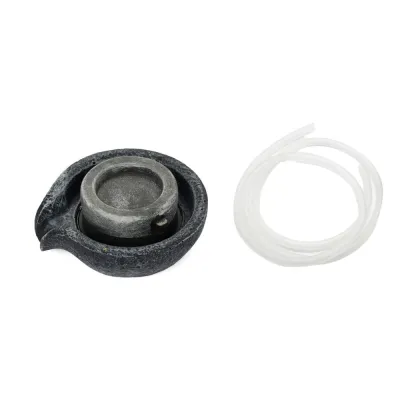
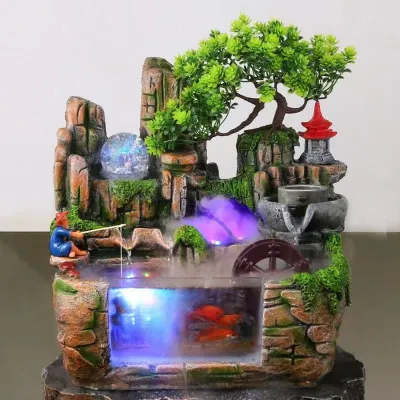
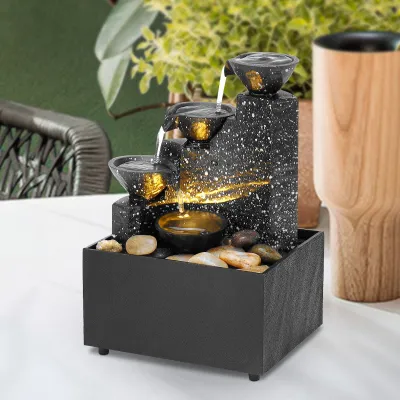
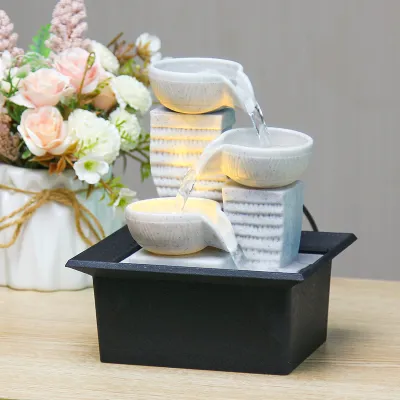
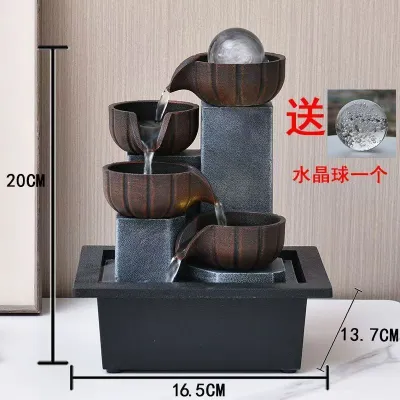

Prices are valid at publication and may change. Please refer to the product page for the latest price.
Space and Footprint
In dense urban residential areas, outdoor spaces are often limited to narrow setbacks, small front patches, or concrete patios. Before committing to a fountain water falls display, measure your intended installation area precisely. Do not rely on visual estimates; map out the base dimensions on the ground using masking tape to ensure comfortable foot traffic around the unit.
Equally important is the splash radius of the water feature. In tight spaces, excessive splashing can ruin nearby wooden furniture, create slippery hazards on tiled walkways, or leave unsightly watermarks on exterior walls. Look for fountains that feature built-in splash guards or those that utilize deep basins to keep the water self-contained.
Climate and Material Durability
The Philippine climate presents harsh conditions for outdoor decor, characterized by year-round high humidity, intense ultraviolet (UV) radiation, and torrential rains during typhoons. Traditional heavy materials like cast stone or concrete are incredibly durable but are difficult to move and may exceed the load limits of balconies or wooden decks.
Lightweight alternatives like polyresin, fiberglass, and ceramic are highly popular for small gardens. However, you must verify that any resin or plastic component features a UV-resistant coating. Unprotected materials will quickly fade, become brittle, and crack under the scorching midday sun. Ceramic offers excellent durability and a glossy finish that resists mineral staining, but it remains fragile if bumped.
Power and Electrical Safety
Operating an outdoor water feature requires careful electrical planning. When setting up an electric fountain water falls display, you must verify the voltage, base/interface, wattage limit, and electrical certification of the pump. In the Philippines, standard household electrical systems operate at 220V and 60Hz. Ensure the pump is certified for outdoor damp environments (look for IP68 ratings) and that the wattage limits of your circuit are not exceeded.
All outdoor wiring must use heavy-duty, double-insulated cables rated for wet environments. Ensure your fountain plugs into a weatherproof, outdoor-rated Ground Fault Circuit Interrupter (GFCI) outlet. Never run standard indoor extension cords across your lawn or patio, as this poses a severe risk of electrocution or short-circuiting during sudden downpours.
If your installation requires fixed wiring, working at height to mount a heavy display, or routing cables through damp garden beds, always isolate the power at the main breaker first. Follow the manufacturer’s installation instructions precisely, and establish clear boundaries where a qualified professional electrician must take over, such as when installing new outdoor GFCI outlets or integrating permanent electrical lines.
Pump Capacity and Noise
The heart of any fountain water falls display is its pump. For small gardens, the goal is a gentle, ambient trickle rather than a loud, roaring cascade. A pump that is too powerful will create excessive splashing, empty the reservoir quickly, and produce an annoying mechanical hum that drowns out the soothing sound of moving water.
Look for pumps with a low wattage rating and an adjustable flow valve. This allows you to fine-tune the water pressure to match the exact height and style of your fountain, ensuring a peaceful atmosphere in enclosed spaces.
Best Fountain Styles for Compact Outdoor Areas
Different garden layouts require different structural designs. Choosing the right style helps maximize your available square footage while complementing your home’s architecture.

Wall-Mounted and Vertical Waterfalls
When floor space is at an absolute premium, vertical design is your best ally. Wall-mounted fountains and vertical waterfall panels attach directly to exterior concrete walls, sturdy wooden fences, or metal privacy screens. This configuration leaves your patio floor completely clear for seating or potted plants.
Before installing a wall-mounted unit, you must assess the structural integrity of the supporting surface. A medium-sized resin wall fountain can weigh 10 to 15 kilograms empty, but once filled with water, that weight can easily double. Ensure you use heavy-duty masonry anchors or lag screws, and verify that the wall can support a continuous suspended load.
Because these units may involve suspended loads and work at height during mounting, it is essential to follow all safety protocols. Isolate any nearby electrical lines before drilling. Ensure the wall structure is solid concrete or reinforced masonry, as hollow blocks may require specialized toggle bolts or professional reinforcement. If you are uncertain about the load-bearing capacity of your fence or wall, consult a structural professional to prevent property damage or injury from a falling display.
Compact Tiered Resin Fountains
For homeowners who prefer a classic, traditional aesthetic, compact tiered fountains offer the elegance of old-world stone structures scaled down for small spaces. These fountains typically feature two or three levels of bowls where water trickles down from the top.
Modern tiered fountains are predominantly made from high-quality polyresin or fiberglass. This material mimics the texture of natural stone, weathered bronze, or aged terracotta while remaining light enough for a single person to reposition. The primary trade-off with tiered designs is their height-to-footprint ratio.
While they take up less ground space than wide basins, their height makes them susceptible to tipping in strong winds. If you place a tiered resin fountain on an open patio, ensure the base is securely anchored or weighted down with heavy river stones inside the bottom reservoir. Ensure the finish is labeled as UV-protected to keep the colors vibrant under intense sunlight.
While the classic multi-tier look is a popular decorative style, remember that aesthetic preferences, perceived color temperatures of integrated LED lights, and spatial visual effects are highly subjective. They do not represent universal performance facts. Focus instead on verifiable specifications like the pump’s maximum head height and the material’s UV-resistance rating.
Solar-Powered Basin and Bowl Fountains
If you want a hassle-free, wire-free installation, solar-powered basin or bowl fountains are an ideal choice. These self-contained units feature a small solar panel that is either integrated directly into the fountain bowl or connected via a short cable, allowing you to place the panel in a sunny spot while keeping the fountain in a shaded corner.
The greatest benefit of solar fountains is their flexibility. Because they require no electrical outlets or buried cables, they are incredibly safe, easy to install, and perfect for renters who cannot make permanent modifications to their outdoor spaces.
However, solar fountains have distinct limitations. They rely entirely on direct sunlight to operate; on cloudy days or during the rainy season, the water flow may become weak or stop entirely. Some models include a backup battery system that stores power to run the pump for a few hours after sunset, which is a highly recommended feature for evening enjoyment.
Corner and Planter-Integrated Water Features
Maximizing awkward, underutilized spaces is a key strategy in small-garden design. Corner fountains are specifically engineered with a 90-degree back, allowing them to tuck neatly into the intersections of walls or fences. This turns an empty, dusty corner into a dynamic focal point.
Another innovative option is the planter-integrated fountain. These dual-purpose units feature a water cascade on one side and built-in pockets or tiers for live plants on the other. By combining greenery with flowing water, these features blend seamlessly into your existing garden landscape.
They are particularly effective on concrete balconies, where they introduce both plant life and soothing sounds in a single, compact footprint. When selecting these units, ensure the planter compartments have proper drainage separate from the water reservoir to prevent soil from contaminating the fountain pump.
Comparing Fountain Types for Small Yards
To help you decide which fountain style best suits your garden layout and lifestyle, review the comparison of key features below.
| Fountain Type | Space Requirement | Power Source | Installation Difficulty | Maintenance Level | Best Use Case |
|---|---|---|---|---|---|
| Wall-Mounted | Minimal (Uses vertical wall space) | Electric (220V/60Hz) | Moderate to High (Requires secure mounting) | Medium (Requires regular wall-bracket checks) | Narrow pathways, small patios, concrete fences |
| Tiered Resin | Moderate (Small circular footprint) | Electric (220V/60Hz) | Low (Plug-and-play assembly) | Medium (Requires regular basin cleaning) | Central courtyard focal points, paved patios |
| Solar Basin | Low to Moderate (Tabletop or floor) | Solar Panel (With or without battery) | Very Low (No wiring required) | Low (Simple pump cleaning) | Shaded corners, rental properties, balconies |
| Corner / Planter | Low (Fits flush into 90-degree corners) | Electric or Solar | Low to Moderate (Requires plant care) | High (Requires plant and water maintenance) | Unused corners, balconies, integrated garden beds |
Installing and Maintaining Your Fountain in the Philippines
Proper installation and consistent maintenance are crucial to keeping your water feature running safely and efficiently in a tropical climate.
Installation Safety
Before beginning any installation, always isolate the power supply to the area. If your fountain requires fixed electrical wiring or the installation of a new outdoor outlet, hire a licensed professional electrician. This is especially critical in the Philippines, where heavy tropical storms can cause localized flooding or water intrusion into poorly sealed electrical boxes.
Ensure all connections are housed in IP66-rated weatherproof enclosures. For heavy wall-mounted fountains, consult a structural professional or contractor to ensure your garden walls can safely support the wet weight. Always read the manufacturer’s instructions for both the pump and the fountain structure before assembly.
Algae and Mineral Buildup
The warm, humid climate of the Philippines is highly conducive to rapid algae growth. If your fountain is exposed to direct sunlight for several hours a day, the water can turn green and slimy within a week.
To manage this, perform regular water changes every one to two weeks, completely flushing out the old water and scrubbing the basin with a soft brush. You can use safe, specialized algaecides designed for outdoor fountains, but avoid harsh household bleach, which can degrade resin finishes and damage pump seals. Whenever possible, position your fountain in partial shade to naturally slow down algae reproduction.
Pump Care
A dry pump is a broken pump. Always ensure the water level in your fountain is high enough to keep the pump fully submerged. In hot weather, evaporation occurs rapidly, so you may need to top off the water every few days.
Clean the pump’s intake filter monthly to remove fallen leaves, dirt, and debris that can clog the impeller and cause the motor to overheat. During the peak of the monsoon season, heavy downpours can overflow the basin. If a severe storm is approaching, unplug the pump from the power source to prevent electrical surges, and consider covering lightweight portable units or moving them to a sheltered area.
Mosquito Prevention
Stagnant water is a prime breeding ground for mosquitoes, which carry tropical diseases like dengue and chikungunya. To protect your household, keep your fountain pump running continuously. Mosquitoes cannot lay eggs in moving, rippling water.
If you must turn off your fountain for extended periods, drain the water completely or place a safe mosquito larvicide (such as BTI dunks) in the reservoir. These dunks target mosquito larvae without harming birds, pets, or beneficial garden insects.
Frequently Asked Questions (FAQ)
Do I need a professional to install an outdoor fountain?
For simple, plug-and-play solar fountains or lightweight tabletop units, you can easily complete the setup yourself without professional help. However, if your fountain requires permanent electrical wiring, the installation of a new outdoor GFCI outlet, or heavy mounting on a concrete wall, you should hire a licensed professional. Working with electricity in damp outdoor environments poses significant safety risks, and a certified electrician ensures your setup complies with local electrical codes.
How do I prevent my fountain from overflowing during heavy rain?
During the peak of the monsoon season, heavy downpours can quickly fill and overflow your fountain basin. To prevent this, you can install a simple overflow drain tube if your model supports it, or use a fitted waterproof cover when heavy storms are forecasted. For lightweight, portable units, the easiest solution is to temporarily drain the water and move the fountain to a sheltered patio or carport until the weather clears.
Can I use a regular indoor water pump for my outdoor fountain?
No, you should never use an indoor water pump for an outdoor fountain. Indoor pumps lack the heavy-duty weatherproofing, UV-resistant cabling, and robust insulation required to withstand outdoor moisture, temperature fluctuations, and direct sunlight. Using an indoor pump outdoors creates a severe risk of electrical short circuits, shock hazards, and premature pump failure. Always verify that your pump is explicitly certified for outdoor, fully submersible use.
Community discussion
Share your experience or ask a question. Comments are reviewed before publication.