
Selecting the perfect crystal wall lights for a living room in the Philippines requires balancing luminous elegance with practical tropical considerations. High relative humidity, typical architectural layouts, and local electrical standards all play a crucial role in determining which fixtures will thrive in your home. The ideal crystal wall light not only elevates your interior design but also withstands environmental factors while delivering the precise ambiance your family needs for evening relaxation. By understanding how crystal refracts light, how different metal finishes react to the local climate, and how to verify critical electrical specifications, you can confidently choose sconces that bring both safety and timeless beauty to your living space.
Understanding Your Living Room's Lighting Needs
To design an effective lighting scheme, you must first understand how different light sources interact within your living room. A well-designed space relies on three distinct layers of illumination: ambient, task, and accent lighting. Ambient lighting provides the overall brightness, typically sourced from recessed ceiling downlights or a central chandelier. Task lighting focuses on specific activities, such as reading or working. Accent lighting, which is where crystal wall sconces excel, is used to draw attention to architectural features, textures, or specific zones, adding depth and visual interest to the room.
When choosing a fixture, evaluate your living room’s physical dimensions, ceiling height, and the amount of natural light the space receives during the day. Many modern Filipino homes, from urban condominiums to suburban townhouses, feature open-plan layouts where the living room transitions directly into the dining area. High daytime temperatures often mean these spaces are flooded with natural light through large windows. However, as evening approaches, the indoor atmosphere needs to transition to a softer, more relaxing environment.
Products mentioned in this guide
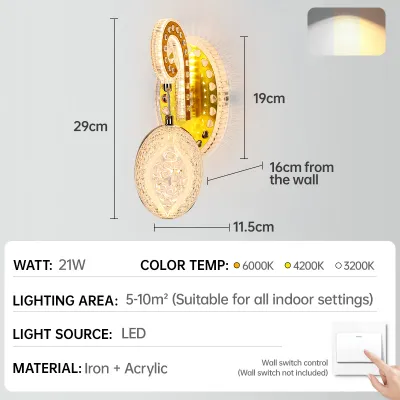
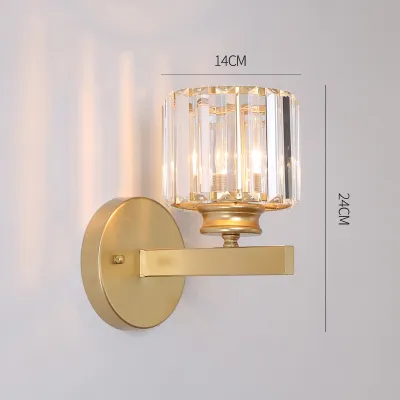
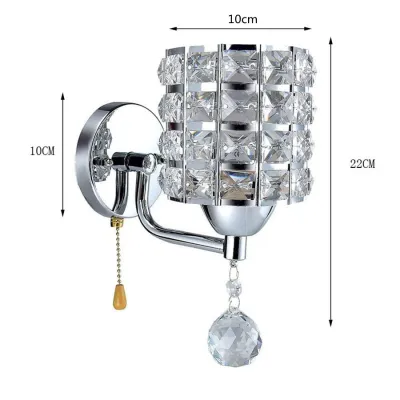
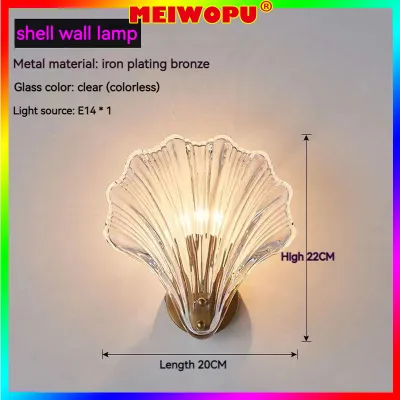
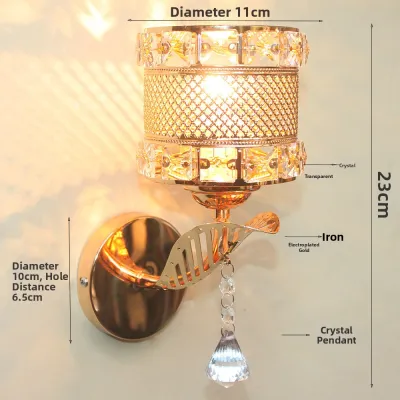
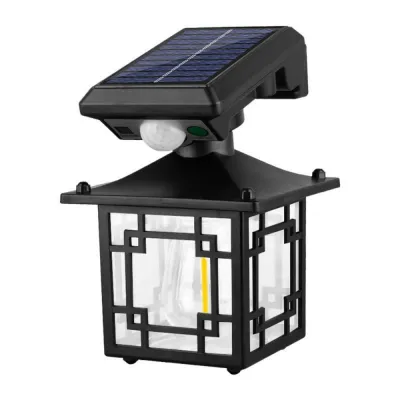
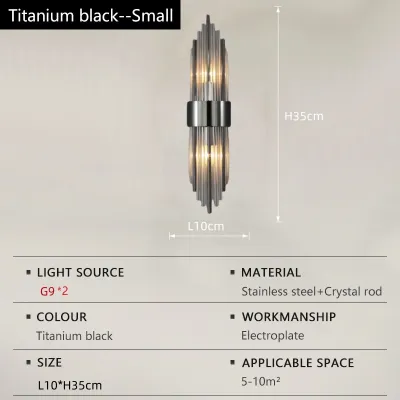
Prices are valid at publication and may change. Please refer to the product page for the latest price.
Crystal fixtures are uniquely suited for this transition because of how they refract and scatter light. Rather than projecting a harsh, direct beam, the faceted surfaces of high-quality crystal split the light into delicate patterns that dance across the walls. This refractive quality softens the output, making crystal sconces excellent for creating a warm, welcoming ambiance. They should not be relied upon as the primary source of illumination for the entire room; instead, view them as decorative, atmospheric elements that highlight the beauty of your walls and furniture.
Key Factors for Choosing Crystal Wall Sconces
Aesthetic Styles and Finishes
Crystal wall sconces come in a wide array of designs, each bringing a different character to your living room. Modern geometric styles often feature clean, straight lines paired with rectangular or triangular K9 crystal prisms, making them ideal for contemporary or minimalist interiors. Traditional candelabra-style sconces, with their ornamental scrolls and teardrop crystals, offer a classic, luxurious look that complements grander, more formal spaces. Transitional designs bridge these two worlds, combining structured metal frames with delicate crystal drops to offer versatility that suits various decor themes.

The metal finish of the fixture is just as important as the crystal itself, as it dictates how the piece interacts with light and coordinates with your room’s color palette. Polished chrome and nickel finishes provide a cool, reflective surface that enhances the brilliance of clear crystals, perfect for modern aesthetics. Warm finishes like brushed brass, satin gold, or antique bronze add a touch of classic luxury and pair beautifully with the rich wood tones of traditional Filipino furniture, such as narra or mahogany. For a bolder, high-contrast look, matte black frames create a striking outline that makes the crystal elements pop.
In the tropical climate of the Philippines, where relative humidity levels can remain high throughout the year, the durability of these metal finishes is a critical consideration. Poorly treated metals can quickly succumb to tarnish, pitting, or rust, especially in coastal regions. When selecting a fixture, look for high-quality electroplated finishes or stainless steel bases that feature protective anti-corrosion clear coats. These manufacturing details help preserve the pristine appearance of the metal over years of exposure to humid air.
Technical Specifications to Verify
Before purchasing any lighting fixture, you must verify its technical specifications to ensure safe and reliable operation. The standard electrical system in the Philippines operates at 220V to 240V at a frequency of 60Hz. This is a vital detail to check, particularly if you are sourcing fixtures from international online marketplaces where 110V/50Hz products are common. Connecting an incompatible fixture directly to your home’s wiring can cause immediate electrical failure, damage the light source, or present a serious safety hazard.
In addition to voltage, inspect the bulb base type and the maximum wattage limits specified by the manufacturer. Common base interfaces include E14 (small Edison screw), E27 (standard Edison screw), and G9 (bi-pin). Knowing the base type allows you to select the correct LED bulbs, which are highly recommended for tropical climates because they generate significantly less heat than traditional incandescent bulbs. Ensure that the total wattage of your chosen bulbs does not exceed the fixture’s rated maximum limit to prevent overheating.
If you wish to adjust the brightness of your crystal sconces to suit different times of day or social occasions, verify whether the fixture and the bulbs support dimming. Implementing a dimming system requires compatible dimmable LED bulbs and a matching LED-compatible wall dimmer switch. When budgeting your hard-earned pesos (with quality fixtures typically ranging across mid-range to premium price bands of several thousand ₱), verifying these technical details protects your investment. Never assume compatibility based on generic product titles or category listings on ecommerce platforms. Always read the physical manufacturer specification label, look for recognized electrical safety certifications, and consult the product manual before making a purchase.
Matching Crystal Sconces to Living Room Layouts
Flanking a Focal Point or Media Console
Using paired crystal wall sconces to frame a central focal point is a highly effective design strategy that adds symmetry and balance to your living room. This approach works exceptionally well when flanking a large piece of artwork, an architectural niche, or a media console. By positioning a sconce on either side of the focal element, you draw the eye inward, creating a structured and polished look that anchors the entire room’s layout.
When flanking a media console or television screen, careful placement is necessary to prevent distracting glare. Position the sconces at least 30 to 45 centimeters away from the outer edges of the television frame. This distance ensures that the refractive sparkle of the crystals does not cast harsh reflections directly onto the screen, which can strain your eyes during evening viewing. Additionally, consider opting for sconces with frosted glass backings or directional shields that direct the light outward or toward the wall, rather than directly forward into your line of sight.
Illuminating Reading Nooks and Transition Zones
Crystal wall lights can also be used to define smaller, functional zones within a larger living space, such as a cozy reading nook or a transition pathway leading to hallways and dining areas. Installing a single, elegantly detailed sconce next to an armchair or sofa provides localized accent lighting that makes the corner feel distinct and inviting. In transition zones, a series of evenly spaced wall lights can guide movement through the home, transforming a plain walkway into a beautifully illuminated gallery.
To ensure comfort and safety, pay close attention to the proportion of the fixture and its mounting height relative to seating. When people are seated on a sofa or accent chair, their eyes are positioned much lower than when standing. If a crystal sconce is mounted too low or features an exposed bulb design, the direct light can shine uncomfortably into their eyes. To prevent this, position the fixtures so that the bulb is shielded from direct view at common seated angles, or select designs where the crystal arrangement naturally diffuses the light in all directions.
Installation and Safety Considerations
Mounting heavy decorative fixtures like crystal wall sconces requires strict adherence to safety protocols to prevent personal injury or damage to your property. The absolute first step in any electrical project—whether you are inspecting an existing fixture, removing an old light, or installing a new one—is to isolate the power. Turn off the electricity at the main circuit breaker panel, not just at the local wall switch. Use a reliable voltage tester to confirm that the wires are completely dead before touching any electrical components.
Next, assess the structural integrity of your wall and the existing electrical junction box. Filipino residential construction frequently utilizes concrete hollow blocks (CHB) finished with plaster, though modern renovations may incorporate gypsum board or wood paneling. Crystal sconces can be surprisingly heavy due to the density of the glass and metal components. For concrete walls, you must use appropriate masonry anchors and heavy-duty screws to secure the mounting bracket. If installing on drywall, ensure the mounting plate is secured directly to a wall stud, or utilize specialized heavy-duty toggle bolts designed to support suspended loads.
While basic, low-risk steps like mounting a pre-wired plug-in sconce can sometimes be done independently, any task involving fixed electrical wiring must be handled with caution. If your installation requires running new electrical lines through the wall, relocating an existing junction box, or working at heights, always hire a licensed professional electrician. A qualified professional ensures that all wiring complies with the Philippine Electrical Code (PEC), reducing the risk of short circuits, electrical fires, or voiding your home insurance policy. Always follow the manufacturer’s installation instructions for your specific fixture model.
Care and Maintenance in a Tropical Climate
The tropical environment of the Philippines presents unique challenges for maintaining the brilliant sparkle of crystal wall lights. High humidity levels combined with airborne dust can gradually form a sticky film on the surface of the crystal facets, dulling their refractive qualities and making the fixture appear cloudy. To keep your sconces looking their best, establish a routine of regular, low-risk dry dusting. Using a clean, soft microfiber cloth or an anti-static duster once a week will prevent dust from settling and bonding with moisture in the air.
For a deeper clean to restore the crystal’s original clarity, use a mild, non-abrasive cleaning solution. Avoid harsh chemical glass cleaners, ammonia, or abrasive scrubbing pads, as these can permanently scratch the crystal surfaces or strip away the protective clear coatings on the metal frames. Instead, prepare a gentle mixture of a few drops of mild dishwashing liquid in warm distilled water. Dampen a soft microfiber cloth with the solution, gently wipe each crystal element, and immediately dry it with a second clean cloth to prevent water spots.
Before beginning any cleaning process, always ensure the light fixture is turned off and the bulbs have cooled down completely to avoid thermal shock or burns. Never spray any cleaning liquid directly onto the fixture, as moisture can easily penetrate the electrical sockets, wiring connections, or internal components, creating a hazard or causing corrosion. Always check the manufacturer’s care instructions, as specialized crystal coatings or delicate glass types may require specific handling methods.
Frequently Asked Questions (FAQ)
Can crystal wall lights serve as the main light source in a living room?
Crystal wall lights are not designed to serve as the primary or sole light source in a living room. Because their primary function is to refract, scatter, and soften light for decorative and atmospheric effect, they typically do not produce the high lumen output required to illuminate an entire room safely and comfortably. Instead, they should be used as part of a layered lighting scheme. Combine your crystal sconces with ambient ceiling fixtures, such as recessed downlights or a central chandelier, and supplement them with floor or table lamps to ensure the space has adequate, balanced illumination for all activities.
How high should I mount crystal wall sconces in a living room?
As a general guideline, crystal wall sconces in a living room should be mounted approximately 1.5 to 1.8 meters (60 to 72 inches) from the finished floor. This range positions the fixture near standard eye level, allowing the beauty of the crystals to be easily appreciated while keeping the light source elevated enough to avoid direct glare. However, you should adjust this height based on your specific space. If your living room has exceptionally high ceilings, you may want to mount the sconces slightly higher to maintain visual proportion. Conversely, if positioning them near low-profile furniture or in a dedicated seating area, adjust the height to ensure the bulbs remain shielded from direct view when seated.
Community discussion
Share your experience or ask a question. Comments are reviewed before publication.