
To make a compact room feel significantly larger, the most effective decorative mirrors are oversized, frameless, or thin-framed designs that maximize reflective surface area. Strategically placing these mirrors where they can capture and bounce natural light—such as opposite windows or adjacent to bright entryways—creates an immediate illusion of depth.
The core optical principle relies on doubling the visual field and amplifying ambient light. When a mirror reflects an open view or a light source, the brain perceives the reflection as an extension of the room rather than a solid wall. To achieve this without adding visual clutter, choose clean geometries like large rectangles, arches, or rounds with minimal frames. Heavy, ornate frames tend to draw attention to the boundary of the mirror, which can make a small room feel more confined.
Choosing the Right Mirror Shape for Your Room Layout
The geometry of a mirror dictates how it directs the eye and alters the perceived dimensions of a room. Rectangular mirrors are highly versatile tools for correcting awkward room proportions. When hung horizontally, a long rectangular mirror stretches a narrow wall, making a cramped dining area or living room feel wider. Conversely, standing a tall rectangular or oversized floor mirror vertically draws the eye upward, which is particularly effective in homes with low ceilings or in narrow hallways where vertical volume is limited.
Products mentioned in this guide
![FineMirrors [Buy 1 Take 1] Wall Mirror 12 x 16 Black](https://img.lazcdn.com/g/p/499c20604af1fa780f6ac7e77a777095.jpg_400x400q80.jpg_.webp)
![Fine Mirrors [Buy 1 Take 1] Wall Mirror 12 x 16 Light Brown](https://img.lazcdn.com/g/p/fcd9d00aa55f38c91ee0ca609925e511.jpg_400x400q80.jpg_.webp)
![Fine Mirror [Buy1Take1] Wall Mirror 12 x 16 Natural](https://img.lazcdn.com/g/p/9db951df47299952c0a6377f856aea44.jpg_400x400q80.jpg_.webp)
![Fine Mirrors [Buy 1 Take 1] Wall Mirror 12 x 12 Black](https://img.lazcdn.com/g/p/d908d468e86324c6b48fa532f3c59092.jpg_400x400q80.jpg_.webp)
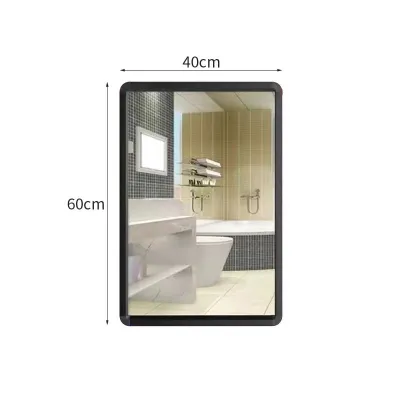
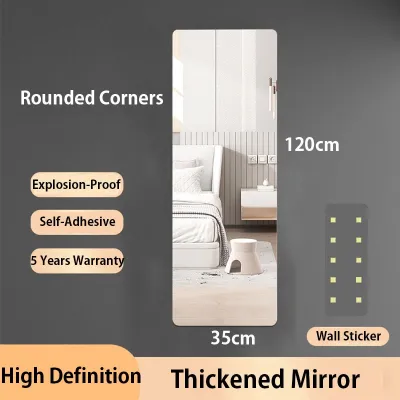
Prices are valid at publication and may change. Please refer to the product page for the latest price.
Round and arched mirrors serve a different but equally valuable design purpose. In modern interiors dominated by sharp angles, square furniture, and straight-lined cabinetry, a large round mirror softens the architectural lines. An arched mirror, often associated with elegant Hosh-style designs, mimics the shape of a window or doorway. This architectural association tricks the mind into believing there is an opening or an adjoining passage, adding a sense of depth to a plain wall.
For those looking to cover a large wall without the weight or expense of a single massive glass pane, grid or multi-panel mirror sets offer an excellent alternative. Often referred to as “windowpane mirrors,” these arrangements create the illusion of a multi-lite window. They break up the reflection into organized segments, which prevents the mirror from feeling like a cold, commercial glass wall. This style works beautifully in cozy living rooms, acting as a faux window that brings in simulated architectural interest.
While asymmetrical or abstract mirrors are highly trendy, they require careful placement in small spaces. These organic shapes function primarily as statement art pieces. In a very tight room, the irregular contours can sometimes compete with surrounding decor, leading to visual clutter rather than an open feel. If you choose an abstract shape, ensure the surrounding wall space is kept clean and uncluttered so the mirror’s unique silhouette can breathe.
Sizing and Proportions: How Large Should Your Mirror Be?
When using mirrors to expand a space, scale is everything. A common mistake is choosing a mirror that is too small for the wall, which can make the room look fragmented and highlight its limited size. As a general rule of thumb, a decorative wall mirror should cover approximately two-thirds to three-quarters of the width of the furniture piece below it, whether it is a console table, a sofa, or a dining sideboard. This proportion ensures the mirror feels integrated into the room’s layout rather than floating aimlessly.

For floor-to-ceiling leaning mirrors, width and height must be carefully balanced. To reflect a meaningful portion of the room and create a true sense of depth, a leaning mirror should stand at least 1.5 meters tall, though taller is generally better if ceiling height permits. The width should ideally be wide enough to capture a full-body reflection along with a generous portion of the surrounding environment. A mirror that is too narrow can create a vertical strip effect that fails to open up the room.
However, there is also a risk of overpowering a room with an excessively large mirror. If a mirror spans an entire wall from corner to corner without any breathing room, it can make the space feel disorienting or overly clinical, resembling a commercial dance studio. To avoid this, always leave a comfortable margin of exposed wall around the edges of the mirror—typically at least 15 to 30 centimeters—to frame the reflection and maintain a cozy, residential atmosphere.
Before purchasing, it is crucial to measure your wall clearance accurately. Account for existing baseboards, crown molding, light switches, and electrical outlets. If you plan to lean a heavy mirror against the wall, measure the angle of the lean to ensure the top of the frame does not interfere with wall-mounted sconces or artwork, and verify that the floor surface provides enough traction to prevent the base of the mirror from slipping.
Frame Styles and Finishes: Evaluating Hosh Mirrors and Alternatives
The frame of a mirror acts as its visual border, and its design heavily influences how light and space are perceived. Frameless mirrors or those with ultra-thin metal frames are the gold standard for small spaces. By eliminating a thick border, these designs allow the reflective glass to run right to the edge, creating a seamless, floating effect. This minimalist approach maximizes the surface area available for light reflection, making the mirror itself almost disappear into the wall.
If you prefer a framed look, modern Hosh-style mirrors often feature light-colored, metallic, or slim acrylic frames. Finishes like brushed brass, champagne gold, or matte white are excellent for bouncing ambient light around the room. These lighter tones reduce the visual weight of the object, allowing it to blend harmoniously with light-colored walls. Acrylic or thin metal frames also offer a sleek, contemporary aesthetic that complements modern tropical interiors without adding unnecessary bulk.
In contrast, dark, heavy, or highly ornate wooden frames should generally be used with caution in compact areas. While a thick, dark frame can look stunning as a dramatic focal point, it acts as a strong visual stop. This boundary draws the eye directly to the limits of the wall, which can inadvertently make a small room feel more enclosed. If you love dark or ornate frames, limit their use to larger, well-lit rooms, or ensure the mirror itself is exceptionally large to compensate for the heavy border.
Another often-overlooked factor is frame depth. Some rustic or industrial mirrors feature deep, shadow-box frames that protrude several centimeters from the wall. In tight spaces or narrow hallways, these protruding edges can cast unwanted shadows across the mirror surface when overhead light hits them. This shadow effect can dim the reflection and make the corner feel darker. Opt for flat or shallow-profile frames to keep the wall surface looking clean, bright, and flush.
Strategic Placement: Where to Hang Mirrors for Maximum Impact
To unlock the full spatial potential of a decorative mirror, strategic placement is just as important as the mirror’s design. The most effective placement is directly opposite or adjacent to a window. This positioning allows the mirror to capture incoming natural light and reflect the outdoor view back into the room. In tropical climates like the Philippines, where bright daylight is abundant, this technique can instantly double the perceived brightness of a living area, making even a compact condo feel airy and connected to the outdoors.
Another powerful technique is placing mirrors behind or near light sources. Positioning a wall mirror behind a table lamp, next to a wall sconce, or under a pendant light amplifies the artificial illumination. The glass reflects the glow of the bulb, effectively doubling the light output without increasing your energy consumption. This is particularly useful for brightening up dark corners, alcoves, or windowless entryways that otherwise feel cramped and gloomy.
However, you must be mindful of what the mirror will reflect. Avoid placing a large mirror directly opposite a cluttered shelf, a utility area, or a blank, unadorned wall. Reflecting clutter only doubles the visual noise, which can make a small room feel twice as messy. Instead, aim the reflection toward an attractive piece of art, a clean indoor plant, or an open doorway. Additionally, test the placement at different times of day to ensure the mirror does not bounce harsh, blinding glare from overhead fixtures or the afternoon sun directly into seating areas.
For height guidelines, balance is key. Wall-mounted mirrors should generally be centered at average eye level, which is approximately 1.5 meters from the floor to the center of the glass. If you are hanging a mirror above a piece of furniture, leave a gap of 15 to 20 centimeters between the bottom of the frame and the top of the furniture. This gap provides visual breathing room, preventing the arrangement from looking cramped or top-heavy.
Pre-Purchase Checklist: Specs and Safety to Verify
Before finalizing your purchase of a Hosh mirror or any other decorative model, verifying physical and safety specifications is essential. First, check the glass thickness and overall weight. High-quality mirrors are often heavy, requiring robust wall anchors. For standard drywall, toggle bolts or heavy-duty anchors are necessary, while concrete or masonry walls—common in many homes in the Philippines—require masonry plugs and appropriate screws. Never rely on simple nails or adhesive strips for large decorative mirrors.
If you plan to place a mirror in a humid environment, such as a bathroom or a semi-outdoor dining patio, verify the backing material. High humidity can cause moisture to seep behind the glass, leading to “black edge” or desilvering, where the reflective backing degrades. Look for mirrors with moisture-resistant backing, sealed edges, or aluminum frames that resist rust and corrosion in tropical climates.
Always review the manufacturer’s hanging hardware. Ensure the pre-installed D-rings, cleats, or wire are rated to support the mirror’s total weight. If the mirror requires fixed wiring for integrated LED lighting, ensure you isolate the power supply before installation, follow the manufacturer’s wiring instructions carefully, and consult a qualified professional to handle the electrical connections safely, especially in damp areas.
Finally, inspect the retailer’s return and replacement policies regarding transit damage. Large glass items are fragile, so verify that the seller uses protective packaging standards, such as reinforced wooden crates or thick foam corner guards. Understanding the return window and the process for reporting breakage during delivery will protect your investment and ensure a smooth, stress-free upgrade to your home decor.
Frequently Asked Questions (FAQ)
Do beveled edges make a room look bigger?
Beveled edges can enhance the perception of space by catching and scattering light along their angled borders. This creates a subtle, sparkling prism effect that adds depth and elegance to the mirror’s perimeter. However, in extremely small or highly minimalist spaces, the extra detail of a bevel can sometimes add unnecessary visual weight. For maximum spatial expansion in a tight area, a clean, flat-edged, or frameless mirror is often the more effective choice.
Can I use a mirror to hide wall imperfections?
While a mirror can physically cover minor drywall blemishes, cracks, or paint chips, using a large or heavy mirror to hide significant wall imperfections carries risks. If the wall surface is uneven or bowed, a large frameless mirror may bend slightly when mounted flush, distorting the reflection and highlighting the wall’s unevenness. For heavy decorative mirrors, it is always best to repair any structural wall damage, level the surface, and secure proper anchors before installation to ensure both safety and a flawless reflection.

Community discussion
Share your experience or ask a question. Comments are reviewed before publication.