
To illuminate garden pathways and yards in the Philippines effectively, selecting the right Eecko outdoor solar light requires matching specific garden zones with the appropriate fixture design. For pathways, low-glare stake lights with downward-facing LEDs offer safe guidance without blinding walkers. For open yards, high-lumen adjustable spotlights or floodlights provide the necessary security and accent illumination. Because the Philippine climate presents unique challenges—such as intense tropical sun, high humidity, and torrential monsoon rains—choosing the right solar lighting requires looking beyond basic aesthetics to verify technical specifications like IP ratings, battery chemistry, and panel types.
Quick Selection Guide for Eecko Outdoor Solar Lights
Transitioning to solar-powered landscape lighting is an increasingly popular choice for homeowners across the Philippines. With rising electricity costs, solar-powered fixtures offer an attractive, zero-operating-cost alternative for residential gardens, townhomes, and larger estates. Eecko outdoor solar lights have gained traction due to their straightforward, wire-free installation, which bypasses the need for complex trenching, outdoor conduits, or hiring an electrician for basic garden setups.
However, achieving a successful and durable outdoor lighting layout relies on three core decision pillars: brightness, coverage, and design. Brightness, measured in lumens, determines how well a space is illuminated, while coverage, dictated by the beam angle and physical placement, determines how many fixtures you will need to purchase. The design pillar balances functional utility with aesthetic appeal, ensuring the fixtures complement your home’s exterior while surviving the elements.
Products mentioned in this guide
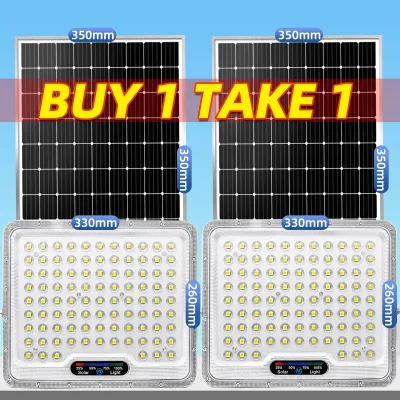
![TOP SELLER [161.1K Sold] EEKOO Solar Lights BUY 1 TAKE 1 Heavy Duty Led Outdoor Flood Light Street Lamp with Panel Set IP67 Waterproof for Garden yard wall gate post Automatic With Remote control 5 Year Warranty](https://img.lazcdn.com/g/p/cb0d1f87d5b1daba210fa7954f4230ce.jpg_400x400q80.jpg_.webp)
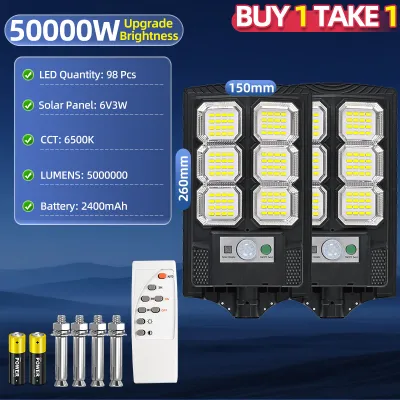
![TOP SELLER [32.4k Sold] EEKOO BUY 1 TAKE 1 Solar light promo sale outdoor waterproof with solar panel complete set home 60W 100W 200W 300W 5 Year Warranty Outdoor original Solar Induction Integrated Street LED Light automatic night light](https://img.lazcdn.com/g/p/d54239891162a2c3c1b4f6c6270967c2.jpg_400x400q80.jpg_.webp)
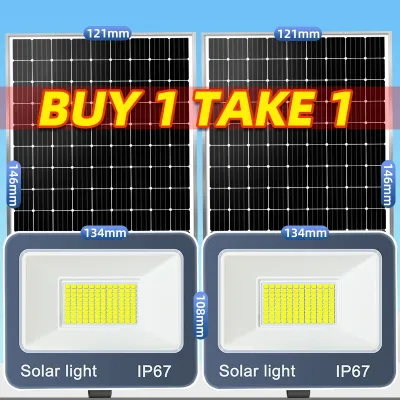
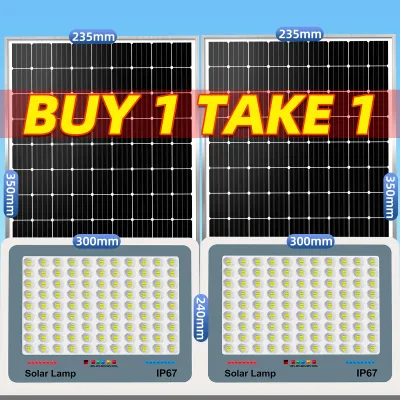
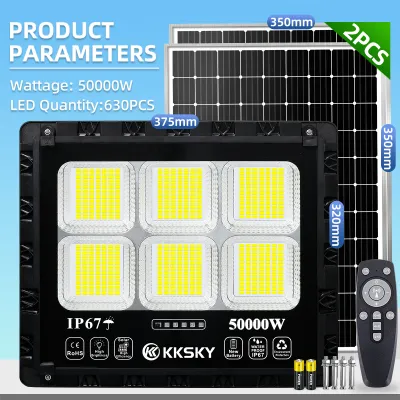
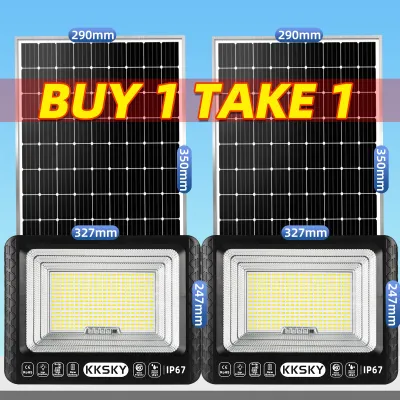
Prices are valid at publication and may change. Please refer to the product page for the latest price.
In the Philippines, the tropical environment is the ultimate test of any outdoor fixture. High relative humidity, salt air in coastal regions, and intense downpours during the monsoon season mean that physical durability is just as critical as light output. Before purchasing any Eecko model, you must verify its weather-resistance specifications, specifically looking for Ingress Protection (IP) ratings on the product packaging to ensure long-term reliability in wet conditions.
What to Look For: Brightness, Coverage, and Design
Brightness and Lumens
Lumens measure the total amount of visible light emitted by a source. When planning your garden layout, more brightness is not always better. For pathways and walkways, high-intensity beams can cause uncomfortable glare and disrupt your natural night vision. Ambient pathway lighting should typically range from 10 to 100 lumens, which provides sufficient contrast to highlight borders, steps, and obstacles safely.

For security lighting, driveways, and open yard areas, you will need much higher intensity. Yard spotlights and floodlights generally require 300 to 1,000 or more lumens to project light across wide distances or up into tall tree canopies. Matching the lumen output to the specific zone prevents your garden from feeling either dangerously under-illuminated or overly harsh and clinical.
Coverage and Beam Angle
The spread of light dictates how many fixtures you need and where they should be placed. A wide beam angle, typically 120 degrees or more, is ideal for continuous pathway illumination or flooding a flat lawn with light. This wide distribution minimizes dark gaps between fixtures, creating a safer environment.
Conversely, a narrow, focused beam angle ranging from 15 to 45 degrees acts as a spotlight. This is highly effective for highlighting specific yard features, such as ornamental palms, water features, or architectural columns. Using focused beams directs the eye to specific focal points, adding depth and drama to your landscape design.
Design and Build Materials
Solar lights are available in several physical styles, including ground stakes, wall-mounted fixtures, and hanging lanterns. For the Philippine climate, material selection directly impacts the lifespan of the light. Look for UV-resistant ABS plastics, polycarbonate, or high-grade rust-proof metals like powder-coated aluminum or stainless steel.
High humidity and intense daily UV exposure can rapidly degrade low-quality plastics, causing them to become brittle, yellow, and eventually crack under heavy rain. Always check the manufacturer’s material specifications to confirm UV and corrosion resistance before making a selection.
Solar Panel and Battery Efficiency
The performance of any solar light relies on its power generation and storage system. Monocrystalline solar panels are highly recommended for tropical regions because they offer superior energy conversion efficiency, especially during the overcast and cloudy days common in the Philippine rainy season. Polycrystalline panels are more budget-friendly but require more direct, unobstructed sunlight to achieve a full charge.
For energy storage, built-in lithium-ion (Li-ion) or lithium iron phosphate (LiFePO4) batteries are preferable over older nickel-metal hydride (NiMH) options. Lithium-based batteries offer longer overall lifespans, better depth of discharge, and superior performance under high ambient temperatures. Be sure to check the battery capacity, typically measured in milliampere-hours (mAh), on the product label to estimate potential runtime.
Electrical and Environmental Compatibility
Before finalizing your purchase, verify the technical parameters of the specific Eecko model. This includes checking the operating voltage, battery base or interface, wattage limits, physical dimensions, and dimming methods. If you plan to integrate solar fixtures with any low-voltage hybrid wired systems, ensuring electrical compatibility is vital to prevent component damage.
Additionally, safety boundaries must be respected during installation. For wall-mounted solar fixtures that require drilling at height, or any installations near damp areas and water features, always isolate nearby electrical lines before starting work. Follow the manufacturer’s installation instructions closely, and consult a qualified professional if you are unsure about structural mounting or integrating hybrid wiring systems.
Best Eecko Solar Light Types for Pathways and Yards
Selecting the ideal Eecko solar light is not a one-size-fits-all decision. A beautifully illuminated landscape relies on layering different types of light to serve distinct purposes. By understanding the primary landscape zones—such as walkways, open lawns, and social gathering areas—you can select the specific Eecko product category engineered to perform in that environment.
Pathway and Stake Lights
Eecko’s stake light lineup is designed to be pushed directly into soil, grass, or garden beds along the edges of walkways. These fixtures typically feature either a classic lantern aesthetic or a modern, minimalist cylindrical shape. They serve as visual guides, outlining the physical boundaries of a path rather than illuminating the entire yard.
To achieve continuous, safe pathway coverage without creating a harsh “runway” look or leaving dangerous dark spots, proper spacing is essential. Generally, spacing stake lights 4 to 6 feet apart is recommended, depending on the fixture’s lumen output and beam spread. Staggering the lights on alternating sides of the path can also create a more balanced, natural flow.
When positioning these lights, prioritize downward-facing or heavily diffused LEDs. Direct, unshielded light sources at ground level can cause uncomfortable glare for anyone walking down the path. Diffused lenses or protective hats on the fixtures direct the light where it is needed most—on the ground—while preserving a warm, inviting ambiance.
Yard Spotlights and Flood Lights
For broader yard coverage, security, and dramatic landscape accents, Eecko’s spotlights and floodlights offer much higher lumen outputs. These units often feature adjustable heads, allowing you to direct the light beam precisely where it is needed, whether that is across a wide driveway, onto a garden gate, or up into the canopy of a large tree.
A major advantage of certain Eecko spotlight models is the inclusion of a split design, where the solar panel is connected to the light fixture via a durable, weather-resistant cable. This allows you to mount the solar panel on a sunny roofline or fence post while keeping the actual light fixture positioned in a shaded garden bed or under a dense tree canopy.
When using these high-output fixtures, avoid pointing them directly at seating areas or neighboring properties to prevent light pollution and discomfort. Instead, angle them upward for “uplighting” trees or position them high on walls pointing downward to illuminate large open lawns safely. Always check the mounting hardware and ensure any suspended loads are securely anchored.
Decorative and String Lights
While pathway and spotlights handle safety and security, decorative and string lights establish the mood. Eecko’s decorative options include hanging lanterns, fairy lights, and festoon-style string lights. These are perfect for defining social zones like patios, decks, and outdoor dining areas.
Color temperature is a subjective preference rather than a performance metric, and different temperatures suit different moods. Warm white light, typically 2700K to 3000K, promotes relaxation and mimics the cozy feel of indoor living spaces, making it ideal for entertainment zones. Cool white light, ranging from 5000K to 6500K, appears brighter and more clinical, which is better suited for security or utility areas but can feel harsh in a relaxing garden setting.
String lights offer exceptional placement flexibility. You can wrap them around tree trunks, drape them along fences, or weave them through wooden pergolas. Layering these soft, ambient light sources with your functional pathway and spotlights creates depth, making your yard feel larger and more cohesive at night.
Installation and Upkeep for Tropical Gardens
Optimal Placement
To maximize the performance of your Eecko solar lights, placement must be carefully planned around the sun’s path. In the Philippines, which lies close to the equator, solar panels should ideally face south or remain flat in open areas to capture maximum daily sunlight. Ensure that panels are not shaded by dense tropical foliage, roof overhangs, or tall fences.
Even partial shading on a single cell of a solar panel can drastically reduce its charging efficiency, leading to dim lights or short runtimes at night. If your garden has dense foliage, consider trimming back branches or using models with detachable solar panels that can be positioned in clear, sunny spots.
Routine Cleaning
The tropical climate brings unique maintenance challenges, including heavy dust during the dry season, pollen, and organic debris like bird droppings. These contaminants accumulate on the surface of the solar panel, blocking sunlight and reducing charging capacity. To maintain peak efficiency, perform a simple, reversible cleaning routine every few weeks.
Gently wipe the solar panel with a soft, damp microfiber cloth and plain water. Avoid using harsh chemical cleaners, abrasive pads, or high-pressure washers, which can scratch the protective coating of the panel and permanently degrade its performance. Performing this basic maintenance ensures your lights continue to charge fully.
Moisture and Battery Care
High humidity and heavy monsoon rains can test the seals of any outdoor fixture. Periodically inspect your Eecko lights for signs of water ingress, such as condensation or water droplets pooling inside the lens. If moisture is visible, turn off the fixture, open it according to the manufacturer’s instructions, dry the interior thoroughly, and check that the rubber gaskets are properly seated before reassembling.
Additionally, during extended periods of heavy rain and overcast skies, the battery may not receive a full charge. This is normal, but to prevent deep discharge damage, you can temporarily switch the lights off for a day or two to allow the battery to accumulate a full charge once the sun returns. Always consult the manufacturer’s manual for specific battery replacement procedures when the battery eventually reaches the end of its lifespan.
Frequently Asked Questions (FAQ)
How long do Eecko solar lights last on a full charge?
The runtime of Eecko solar lights depends heavily on the specific model’s battery capacity, LED power draw, and the selected operating mode, such as motion-sensor mode versus continuous-on mode. On average, high-quality solar lights are designed to operate for 6 to 10 hours on a full charge. However, actual runtime in the Philippines is highly dependent on daily weather conditions.
During the sunny dry season, the battery will easily reach maximum capacity, providing illumination throughout the night. Conversely, during the cloudy monsoon season, reduced solar exposure will limit the charge, resulting in shorter runtimes. To set accurate expectations, always check the product packaging or user manual for the manufacturer-stated maximum hours under optimal conditions.
Are Eecko solar lights waterproof enough for heavy monsoon rains?
To determine if a specific Eecko solar light can withstand the intense downpours of the Philippine monsoon season, you must verify its Ingress Protection (IP) rating. This rating is typically printed on the product packaging or specification sheet. For reliable outdoor use in areas fully exposed to rain, look for an IP rating of IP65 or higher.
An IP65 rating indicates that the fixture is dust-tight and protected against water jets from any direction, making it highly capable of surviving heavy, wind-driven monsoon rains. Fixtures with lower ratings, such as IP44, are only splash-proof and should be reserved for semi-sheltered areas like covered patios or under roof eaves. Always refer to the manufacturer’s guidelines regarding extreme weather precautions.
Community discussion
Share your experience or ask a question. Comments are reviewed before publication.