
Selecting the right outdoor flood lights for a garden in the Philippines requires looking beyond basic brightness. The local climate presents a unique set of challenges, characterized by intense tropical heat, high relative humidity that routinely exceeds 80 percent, and severe weather patterns like the southwest monsoon (Habagat) and frequent typhoons. Standard outdoor lights quickly fail under these conditions, leading to short circuits, corroded internal components, or clouded lenses. To ensure your landscape lighting remains safe and functional year-round, you must prioritize fixtures engineered specifically to withstand heavy water ingress, rapid thermal shifts, and persistent moisture. The ideal garden flood light combines a high Ingress Protection (IP) rating, robust corrosion-resistant housing materials, and proper electrical sealing, all tailored to the specific demands of a tropical environment.
How Monsoons and Humidity Damage Outdoor Flood Lights
The Philippine climate is exceptionally punishing to outdoor electrical installations. During the wet season, gardens are subjected to hours of continuous, torrential downpours. This is not merely falling water; wind-driven rain can strike a light fixture from horizontal or upward angles at high velocity, forcing water through weak seals and joints. Furthermore, poor garden drainage can cause temporary ground pooling, submerging low-mounted ground-stake lights that are not rated for immersion.
High ambient humidity poses a more insidious threat than direct rainfall. When a flood light is turned on, the internal electronics generate heat, causing the air inside the housing to expand. When the light is turned off, the fixture cools rapidly in the humid night air, creating a vacuum that draws moisture-laden air inside through microscopic gaps in gaskets or cable entries. As this air cools further, it reaches its dew point, resulting in internal condensation. This moisture settles on circuit boards, leading to electrolysis, short circuits, and rapid corrosion of copper traces and solder joints.
Products mentioned in this guide
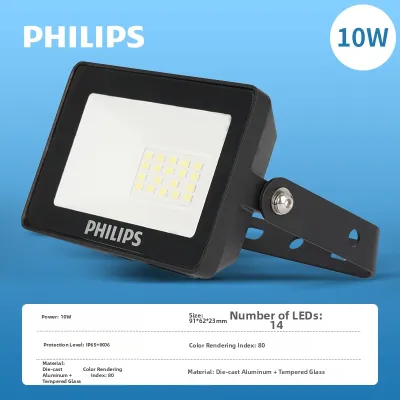
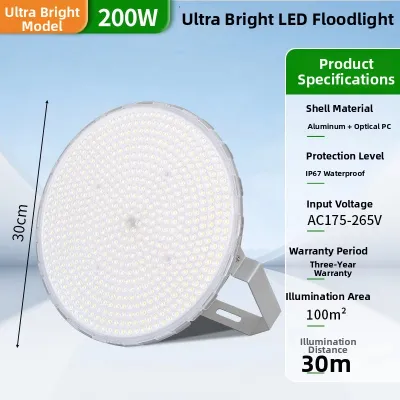
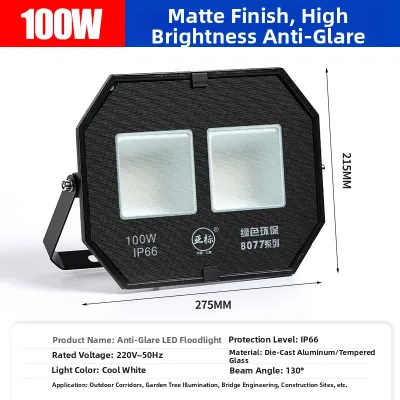
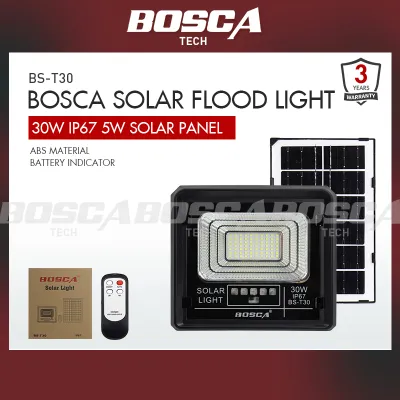
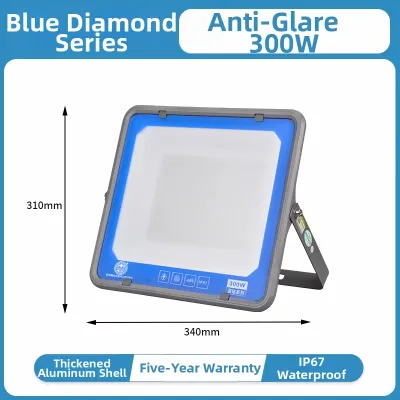
Prices are valid at publication and may change. Please refer to the product page for the latest price.
Additionally, the sudden transition from intense afternoon sun (which can heat a metal fixture’s surface to over 50°C) to a cold downpour causes severe thermal shock. This rapid temperature drop causes materials to contract at different rates, stressing mechanical seals and cracking brittle adhesives. For properties in coastal provinces or near saltwater bodies, the air carries fine salt spray. This saline moisture accelerates electrochemical corrosion, causing low-grade metals to rust, pit, and structurally fail within months.
Decoding IP Ratings and Rust-Resistant Materials for Wet Climates
To safeguard your garden lighting investment, you must verify the technical specifications of any fixture before purchase. The primary indicator of a light’s resistance to moisture and dust is its Ingress Protection (IP) rating, represented by two digits. The first digit (0 to 6) indicates protection against solid objects, while the second digit (0 to 9) measures liquid resistance.

For garden flood lights in the Philippines, an IP65 rating is the absolute baseline. This signifies the fixture is completely dust-tight and can withstand low-pressure water jets from any angle. While IP65 is sufficient for semi-sheltered areas under roof eaves or dense tree canopies, fully exposed locations—such as open lawns, perimeter walls, and ground-level uplighting—require IP66 or IP67 protection. An IP66-rated fixture is built to survive high-pressure, heavy water jets, making it resilient against wind-driven typhoon rains. IP67 fixtures can withstand temporary submersion in water, which is highly recommended for low-lying garden zones prone to brief flooding or pooling.
The choice of housing material directly determines how well the fixture resists structural degradation and manages heat:
- Die-Cast Aluminum: This is the industry standard for high-quality flood lights. It offers excellent thermal conductivity, drawing damaging heat away from the sensitive LED driver and chips. However, to survive the humid climate, the aluminum must feature a high-grade, electrostatically applied powder-coated finish or anti-corrosion treatment to prevent oxidation.
- Stainless Steel: Grade 316 stainless steel is highly recommended for coastal gardens due to its superior resistance to salt-spray corrosion. While highly durable, it is heavier and generally more expensive than aluminum.
- Heavy-Duty Plastics (Polycarbonate): Engineering-grade plastics or polycarbonates are completely immune to rust and corrosion. However, low-quality plastics quickly degrade under the intense tropical sun. Ensure any plastic fixture is explicitly rated as UV-stabilized to prevent yellowing, warping, or cracking.
Finally, pay close attention to the lens material. Tempered glass is highly superior to standard plastic or acrylic covers. Tempered glass resists thermal shock, maintains its optical clarity over years of UV exposure, and does not warp or break down under the high operating temperatures of high-wattage LEDs.
Ensuring Electrical Safety and Proper Installation in the Rain
Installing electrical fixtures in a wet outdoor environment requires strict adherence to safety standards to prevent lethal electrical shocks, ground faults, and equipment damage. In the Philippines, residential electrical systems operate on a 220V-240V AC system at 60Hz. High-voltage outdoor wiring must be treated with extreme caution.
All outdoor wiring must utilize cables rated for wet locations, such as direct-burial UF (Underground Feeder) cables or standard conductors run inside heavy-wall, watertight PVC conduits buried at appropriate depths. All wire splices and connections must be housed inside IP68-rated waterproof junction boxes filled with electrical potting gel or sealed with heavy-duty silicone gaskets and compression cable glands. Standard electrical tape or indoor wire nuts will quickly fail when exposed to ground moisture and humidity. Verify that all installed outdoor products carry valid safety certifications, such as the Philippine Standard (PS) quality mark or the Import Commodity Clearance (ICC) sticker.
When planning the layout of your garden flood lights, use strategic placement to minimize water exposure. Mount fixtures at downward angles whenever possible; this encourages water to shed naturally off the front lens rather than pooling around the silicone seals of the glass cover. Never mount a non-submersible fixture in a depression or low spot where rainwater naturally accumulates. Elevate all wire connections and junction boxes on concrete pedestals, posts, or walls well above the splash zone and maximum expected pooling levels.
Safety Warning: Working with fixed electrical wiring poses severe risks of shock, fire, and electrocution, especially in damp outdoor environments. Before performing any installation, maintenance, or testing, always isolate the power supply by switching off the corresponding circuit breaker at the main distribution panel. All fixed outdoor wiring, trenching, conduit installation, and final connections to the home’s main panel must be performed by a licensed electrical professional or registered master electrician in compliance with the Philippine Electrical Code (PEC). Never attempt DIY high-voltage outdoor connections.
Optimizing Light Performance and Sensors in Foggy or Wet Conditions
The visual performance of your garden flood lights can change dramatically during heavy rain, fog, or high humidity. Water droplets in the air scatter light, which can create a blinding glare if the wrong color temperature or beam angle is selected.
For tropical gardens, a warm white (3000K) to neutral white (4000K) color temperature is highly recommended. These warmer wavelengths penetrate airborne moisture, rain, and mist much more effectively than cool daylight (5000K or higher). Cool blue-white light reflects off water droplets, creating a “wall of glare” that reduces visibility and flattens the visual depth of your landscaping. Additionally, warm tones highlight the natural green, brown, and earth tones of tropical foliage far better than harsh cool light.
If your flood lights utilize motion sensors (PIR) or photocells (dusk-to-dawn sensors), these components must have their own independent weatherproofing. Look for integrated sensors with an IP65 rating or higher. Position sensors carefully; during heavy tropical downpours, water running down the sensor lens can trigger false motion detections. Furthermore, wet, heavy foliage can droop into the sensor’s field of view, causing continuous cycling. Ensure sensors are mounted away from fast-growing tropical plants like banana leaves, palms, or ferns.
Beam angle selection also plays a crucial role in wet conditions. Wide, unfocused flood beams reflect heavily off wet paving, concrete, and glistening leaves, causing uncomfortable glare. Utilizing adjustable fixtures with medium or narrow beam angles (30 to 60 degrees) allows you to direct light precisely onto specific architectural elements or tree trunks, cutting through the rain while minimizing stray light reflections.
Maintaining and Inspecting Your Garden Lights for Long-Term Use
Even the highest-quality outdoor flood lights require regular maintenance to survive years of exposure to the Philippine climate. Establishing a routine inspection and cleaning schedule will prevent premature failure and ensure electrical safety.
Before performing any maintenance, always switch off the circuit breaker dedicated to the outdoor lighting system. Allow the fixtures to cool completely to avoid thermal shock when cleaning. To clean the fixtures, gently wipe down the lenses and outer housings using a soft microfibre cloth and a mild solution of soapy water. Never use abrasive scrubbers, high-pressure washers, or harsh chemical solvents, as these can strip away protective anti-corrosion coatings, scratch tempered glass, and degrade silicone seals. Remove any accumulated dirt, fallen leaves, insect nests, or mold, which can trap moisture against the housing and block heat dissipation.
Conduct a thorough physical inspection at least twice a year, ideally before the onset of the rainy season and immediately after major typhoons. Use this checklist during your inspection:
- Check Gaskets: Inspect the silicone seals and O-rings around the lens and cable entries. Look for signs of dry rot, cracking, or brittleness caused by UV exposure.
- Look for Condensation: Check the inside of the lens. If you observe persistent water droplets or fogging that does not clear after the light has been running, the seal has failed.
- Clear Drainage: Ensure any weep holes or drainage channels built into the mounting brackets are free of debris.
- Tighten Hardware: Check mounting screws and brackets. High winds can loosen fixtures over time; tighten them to prevent water from entering through mounting points.
If you observe visible water pooled inside the lens, frayed or cracked cable insulation, or if the light begins to flicker or trip the Residual Current Device (RCD) or Ground Fault Circuit Interrupter (GFCI), immediately disconnect the power at the breaker. Do not attempt to operate or patch a compromised fixture. Unsealed, DIY repairs on wet-rated electronics are highly unsafe; replace the damaged unit entirely to maintain the integrity of your outdoor electrical system.
Frequently Asked Questions (FAQ)
Can I use indoor flood lights outside if they are under a roof?
No, you should never use indoor flood lights in semi-outdoor spaces like covered patios, balconies, or carports. The high ambient humidity in the Philippines, coupled with wind-blown rain and morning dew, will easily penetrate indoor fixtures. Indoor lights lack the silicone gaskets, sealed drivers, and corrosion-resistant hardware required to withstand moisture. Using them outdoors poses a severe risk of short circuits, electrical fires, and lethal shocks.
What is the difference between IP65 and IP66 for garden lights?
The primary difference lies in the level of water resistance. An IP65-rated light is protected against low-pressure water jets (such as a garden hose) from any direction, making it suitable for sheltered areas or under eaves. An IP66-rated light is designed to withstand high-pressure, heavy water jets and severe, wind-driven rain. For fully exposed garden areas, open lawns, and perimeter walls that bear the brunt of monsoon storms and typhoons, IP66 is highly recommended to ensure long-term durability.
Community discussion
Share your experience or ask a question. Comments are reviewed before publication.