
Finding the right floor lamp shade for your living room in the Philippines requires balancing aesthetic appeal with practical functionality. The ideal shade does more than cover a bulb; it shapes the room’s atmosphere, controls glare, and complements your existing furniture. Whether you are searching for a specific replacement like a lamo shade for living room setups or upgrading your current lighting design, your choice should be guided by how you use the space, the local tropical climate, and the physical compatibility of the shade with your lamp base.
In Philippine homes, where living rooms often serve as multi-functional spaces for family gatherings, remote work, and relaxation, lighting must be highly adaptable. High humidity levels and dust accumulation also play significant roles in determining which materials will remain durable over time. By understanding the relationship between shade shapes, materials, and sizing, you can select a floor lamp shade that enhances both the visual warmth and the practical usability of your home.
Quick Guide: Matching Floor Lamp Shades to Your Living Room
To select a suitable floor lamp shade, you must first identify the primary function of the light in that specific corner of your living room. Ambient lighting aims for general, overall illumination, spreading light evenly across a wide area to make the room feel welcoming. If your floor lamp sits next to a sofa where you read or do detailed work, you require task lighting, which concentrates a brighter beam directly onto your book or workspace.
Products mentioned in this guide
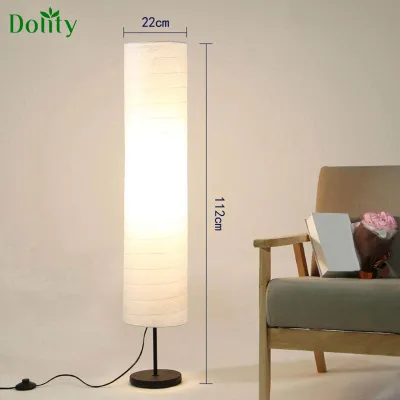
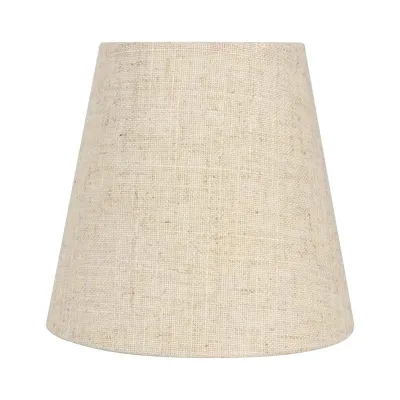
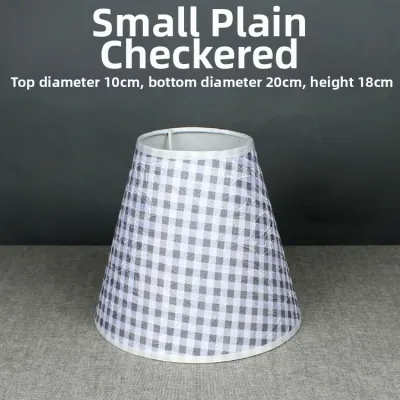
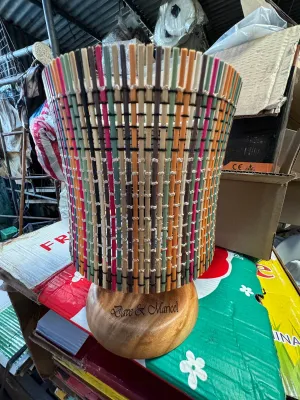
Prices are valid at publication and may change. Please refer to the product page for the latest price.
Evaluating glare reduction is another critical step in ensuring visual comfort, especially during long evening hours. The opacity of the shade material determines how much light escapes through the sides versus how much is directed out of the top and bottom. A highly translucent shade softens the bulb’s glow but can still cause eye strain if placed directly in your line of sight, whereas an opaque shade completely blocks lateral light, eliminating glare but creating dramatic pools of illumination.
Finally, you must assess the visual proportion of the shade in relation to your existing living room furniture. A massive, heavy-looking shade can overwhelm a delicate side table or a compact armchair, making the entire corner feel cramped. Conversely, a shade that is too small will make the lamp base look awkward and unfinished, disrupting the design harmony of your living space.
Recommended Floor Lamp Shade Styles for Living Rooms
The silhouette of a floor lamp shade dictates how light is distributed throughout your living room, making shape selection a foundational design decision. Drum shades, characterized by their symmetrical cylindrical profiles, are highly effective for general ambient lighting. Because they feature equal openings at the top and bottom, they allow light to cast evenly upward toward the ceiling and downward toward the floor, while diffusing a soft glow through the sides, making them excellent for central seating areas.

If your primary goal is to create a cozy reading nook, empire and bell shades are traditional favorites that excel at directing light downward. The flared bottom opening of an empire shade is significantly wider than its top, which naturally funnels the light downward to cover a larger surface area below the lamp. Bell shades offer a similar downward distribution but feature curved, graceful sides that add a touch of classic elegance to more traditional or transitional Philippine living room decors.
For compact living rooms or spaces with lower ceilings, torchiere and bowl shades offer an excellent solution by utilizing uplighting. These shades are designed with an open top that directs the majority of the light upward, reflecting it off the ceiling to create a spacious, airy feel without taking up valuable visual real estate. This indirect lighting method minimizes harsh shadows and reduces eye fatigue, making the room feel larger and more inviting.
If you want to make a bold design statement, geometric and lantern shades serve as striking decorative focal points. These styles often use open frameworks, woven patterns, or angular lines to cast intricate shadow patterns on the walls, adding texture and depth to modern or minimalist interiors. When searching for a distinctive lamo shade for living room upgrades, choosing a geometric silhouette can instantly modernize an older lamp base without requiring a complete fixture replacement.
Material Choices and Light Diffusion Effects
The material of your floor lamp shade directly influences the quality of light emitted, the overall mood of the room, and the amount of maintenance required. Fabric and linen shades are widely popular because they offer soft, warm diffusion that instantly makes a living room feel cozy and inviting. However, in the tropical climate of the Philippines, high humidity can cause certain fabrics to sag or develop mildew over time if not properly ventilated, so opting for high-quality, tightly woven linens is often the most durable choice.
Paper and rice paper shades provide a delicate, beautifully even glow that is highly prized in minimalist and Asian-inspired interior designs. While they are lightweight and budget-friendly, they are also highly fragile and susceptible to tearing, water damage, and staining. Cleaning these shades requires extreme care, as they cannot tolerate moisture; you must rely solely on dry dusting methods to keep them looking fresh.
Glass shades offer bright, clear illumination and are exceptionally easy to maintain, requiring only a quick wipe with a damp cloth to remove dust and smudges. They do not degrade in humid conditions, making them highly durable, but they introduce significant weight and breakage risks. If you choose a glass shade, you must ensure your lamp base is heavy and stable enough to support the top-heavy load, especially in households with active children or pets.
Metal and perforated materials are ideal for modern, industrial, or contemporary living rooms where focused, directional light is preferred. Because metal is completely opaque, it blocks all lateral light, channeling the entire output through the openings to create dramatic, high-contrast pools of light. Perforated metal shades offer a unique middle ground, allowing tiny pinpricks of light to escape through the patterns, creating a shimmering effect while still providing strong directional illumination.
Sizing and Proportions: Getting the Fit Right
Achieving the correct visual balance between your floor lamp shade and its base is essential for a polished, professional look. A helpful standard proportion rule to follow is that the width of the shade should roughly equal the height of the lamp base. Additionally, the height of the shade should be approximately two-thirds of the height of the base, ensuring that the lamp does not look top-heavy or bottom-heavy.
Beyond visual aesthetics, you must verify the physical compatibility of the shade with your existing lamp hardware. This involves checking the fitter type, which is the mechanism that attaches the shade to the lamp. The most common types are spider fitters, which sit on a metal U-shaped support called a harp; uno fitters, which screw directly onto the socket beneath the bulb; and clip-on fitters, which attach directly to the bulb itself.
You must also measure the drop length of the shade to ensure it completely covers the electrical socket and the neck of the lamp without blocking the light switch. If the shade sits too high, the bare bulb and socket will be exposed, creating an unsightly look and causing uncomfortable glare. Taking precise measurements of your current setup before shopping will prevent the frustration of purchasing a beautiful shade that physically cannot be installed on your lamp.
Building Your Shortlist: A Step-by-Step Selection Plan
To streamline your shopping process and ensure a successful purchase, start by conducting a thorough audit of your existing lamp base. Measure the height of the base, the diameter of the current shade, and note the specific fitter type required. You should also check the bulb socket type and the maximum wattage rating, as this will influence the material limits of your new shade.
Next, clearly define the primary lighting goal for the specific zone in your living room where the lamp will stand. If the lamp is positioned next to a reading chair, prioritize downward-directed light with an empire or bell shade. If it is meant to soften a dark corner, look for a drum shade made of translucent fabric that will diffuse light in all directions.
When purchasing online, always verify the retailer’s return policies and pay close attention to the shipping dimensions. Oversized shades can be expensive to ship and difficult to return if they arrive damaged or do not fit your space. Checking these details beforehand protects your investment and ensures a smoother transaction.
Finally, compare the durability of your shortlisted materials against your household’s daily conditions. If you live in a high-humidity coastal area or have pets that might bump into the lamp, prioritize sturdy, easy-to-clean materials like glass or treated metal over delicate paper. When planning your home decor budget in Pesos (₱), investing in durable materials often saves money on replacements over time.
Safety and Installation Checks
Before installing your new floor lamp shade, you must prioritize electrical and physical safety to prevent hazards in your home. Always locate the maximum wattage label printed directly on the lamp socket and ensure your bulb does not exceed this limit. Using a bulb with a wattage that is too high can generate excessive heat, potentially scorching fabric or paper shades and creating a serious fire risk.
To maintain adequate heat clearance, ensure there is at least several inches of space between the bulb and the inner walls of the shade. This is particularly important if you are using traditional incandescent or halogen bulbs, which emit significant heat compared to modern LED bulbs. If the shade is too narrow for the bulb, heat will build up rapidly, damaging the shade material and shortening the lifespan of the bulb.
Physical stability is another crucial safety factor, especially when upgrading to heavier glass or metal shades. Assemble the lamp completely and test its stability on a flat, level surface; if the lamp tips easily when lightly bumped, the base may be too light to safely support the new shade. If you encounter any complex wiring issues, loose sockets, or damaged cords during installation, stop immediately and consult a qualified electrician to handle the repairs safely.
Frequently Asked Questions (FAQ)
Can I use a ceiling pendant shade on a floor lamp?
Ceiling pendant shades and floor lamp shades are designed with different mounting orientations and structural requirements. Pendant shades are engineered to hang downward from a ceiling cord or rod, often utilizing a larger central opening designed for canopy mounts. Attempting to install a pendant shade on a floor lamp can lead to improper weight distribution, causing the lamp to become unstable and tip over easily. Additionally, the fitters rarely align correctly without unstable DIY adapters, which can pose safety risks.
How do I clean a fabric floor lamp shade?
To clean a fabric floor lamp shade safely, start by removing loose dust using a soft brush attachment on your vacuum cleaner or a clean lint roller. For minor spots or smudges, check the manufacturer’s label to see if water-based cleaning is permitted. If allowed, gently dab the spot with a microfiber cloth slightly dampened with a mixture of water and a drop of mild dish soap, taking care not to saturate the fabric. Avoid using harsh chemical cleaners or submerging the entire shade in water, as this can rust the metal frame and cause the fabric to shrink or warp.
What is the best shade color for reading in the living room?
The most effective shade color for reading is one that features a white or light-colored interior lining, regardless of the shade’s exterior color. A white interior maximizes light reflection, directing the full brightness of the bulb downward onto your reading material. If you prefer a warmer, cozier atmosphere, a gold or warm-toned interior lining will gently alter the color temperature of the light, making it softer on the eyes. Avoid dark or black interior linings for reading areas, as they absorb light and significantly reduce the task illumination you need.
Community discussion
Share your experience or ask a question. Comments are reviewed before publication.