
Transforming a small, urban condo balcony into a relaxing outdoor sanctuary is a popular design goal for city dwellers. In high-density residential areas across the Philippines, where outdoor space is at a premium, creating a warm and inviting atmosphere allows you to maximize every square meter of your home. Gesh solar light bulbs offer an energy-efficient, cost-effective, and highly practical way to achieve this cozy transformation without dealing with complex electrical wiring, rising utility bills, or strict condominium drilling restrictions.
Selecting the right solar lighting setup requires balancing aesthetic goals with the practical realities of condo living and tropical weather. Because solar technology relies entirely on environmental factors, understanding how these lights function in a semi-outdoor balcony setting is key to making an informed purchase. By evaluating specific product features, installation methods, and maintenance requirements, you can design a reliable and beautiful lighting scheme that elevates your evening relaxation.
Key Specs for Cozy Balcony Ambiance
Achieving the perfect ambient glow on a condo balcony involves more than simply hanging the first solar light you find. To create a space that feels calm and restorative, you must pay close attention to technical specifications such as color temperature, brightness levels, weatherproofing, and physical mounting limitations.
Products mentioned in this guide
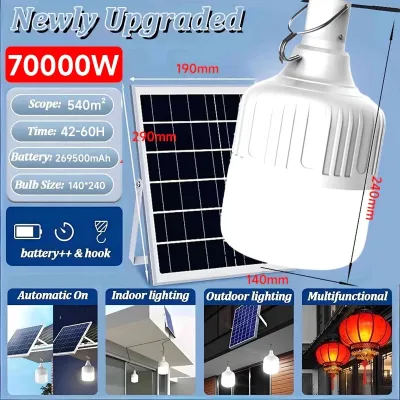

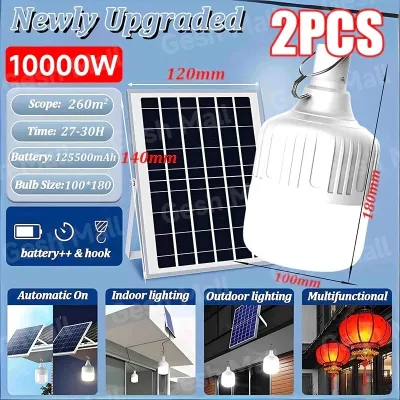
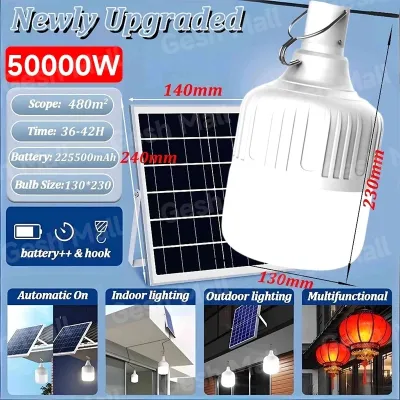
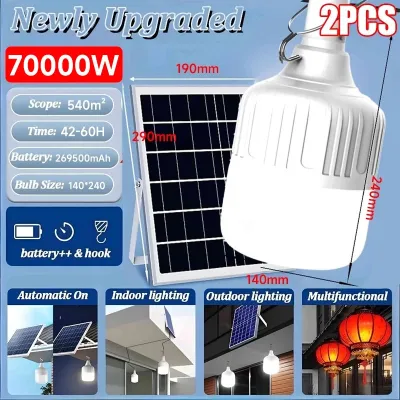
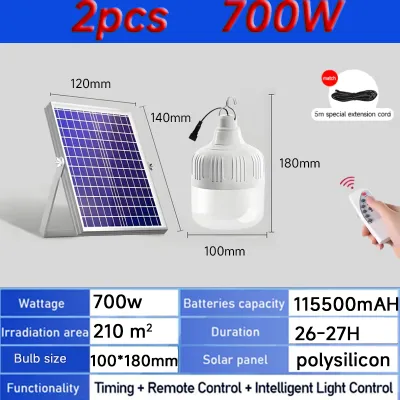
Prices are valid at publication and may change. Please refer to the product page for the latest price.
Color Temperature and Mood
Color temperature, measured in Kelvins (K), dictates the visual warmth or coolness of the light emitted. For ambient, mood-enhancing balcony lighting, look for bulbs that fall within the warm white range of 2700K to 3000K. This spectrum mimics the gentle, golden glow of traditional incandescent bulbs or candlelight, which naturally signals the brain to relax and unwind. Avoid cool white or daylight bulbs (5000K and above) for relaxation spaces; these higher temperatures can feel clinical, harsh, and overly bright in a confined outdoor setting.
Brightness and Lumen Requirements
Unlike task lighting, which requires high visibility, ambient lighting is designed to provide a soft, low-glare background glow. When shopping for solar bulbs, focus on lower lumen outputs. A range of 50 to 150 lumens per light source is generally ideal for a small condo balcony. Excessively bright lights can ruin the cozy atmosphere, create uncomfortable glare in tight spaces, and potentially disturb your neighbors in adjacent units. Keeping the brightness moderate also helps conserve the light’s battery power, ensuring a longer runtime throughout the evening.
Weather Resistance and IP Ratings
The tropical climate of the Philippines presents unique environmental challenges, including intense humidity, high ambient temperatures, and heavy monsoon rains. To ensure your solar lights survive these conditions, you must verify their Ingress Protection (IP) rating. An IP rating consists of two digits: the first indicates protection against solid particles like dust, and the second indicates protection against liquids. For a semi-outdoor balcony that is partially protected by a ceiling overhang, a minimum rating of IP44 is recommended. For fully exposed railings or open-air balconies, look for IP65-rated products, which are sealed against dust ingress and low-pressure water jets from any direction.
Condo-Specific Constraints
Condominium living comes with specific structural and administrative rules that affect how you can install decor. Most properties prohibit drilling into exterior concrete walls, structural columns, or balcony railings to preserve building integrity and uniform aesthetics. Consequently, any lighting solution you choose must be renter-friendly and non-invasive. Additionally, because balconies are often shaded by deep ceiling overhangs or neighboring high-rise towers, you must consider solar panel placement. Systems with a separate, detachable solar panel connected to the bulbs by a long cable are highly advantageous, as they allow you to position the panel at the very edge of the balcony railing where direct sunlight is strongest.
Top Gesh Solar Bulb Styles for Small Balconies
Gesh offers a variety of solar-powered lighting options designed to suit different balcony layouts and design preferences. Understanding the functional differences between these styles will help you select the configuration that best matches your space.

Hanging Solar Bulbs with Hooks
Hanging solar bulbs are portable, self-contained units that feature a built-in hook at the top of the bulb assembly. This design is highly reminiscent of classic industrial or rustic pendant lights, making them excellent for creating a relaxed, cafe-like vibe on your balcony. They can be easily suspended from existing ceiling hooks, planter brackets, overhead laundry racks, or even sturdy tree branches in potted balcony gardens.
Many Gesh portable hanging bulbs are designed with versatility in mind, featuring internal rechargeable batteries (typically ranging from 1200mAh to 1800mAh) that can be charged via an integrated solar panel on the crown of the bulb or through an external solar panel connected by a thin DC or USB cable. When selecting these models, verify the charging interface and cable length. If your balcony has a deep roof overhang, choose a model with an external solar panel so you can run the cable to the sunnier railing area while keeping the bulb suspended in the shaded seating zone. Additionally, check the weight of the bulb to ensure your hanging hardware can support it safely, especially during windy conditions.
Solar String and Fairy Light Bulbs
For a distributed, whimsical glow that wraps around the perimeter of your balcony, solar string lights are an exceptional choice. These systems consist of a series of small LED bulbs—often styled as vintage G40 globes or S14 Edison bulbs—spaced evenly along a flexible, weather-resistant wire. Because the light is spread out over several meters, string lights provide a gentle, low-glare illumination that makes a small balcony feel larger and more open.
When evaluating Gesh solar string lights, pay close attention to the wire construction and bulb spacing. Heavy-duty, rubber-insulated wires offer superior durability against tropical humidity and UV exposure compared to thin copper wire alternatives. Look for models that include a stake-mounted or clip-mounted solar panel that can be secured directly to your balcony railing. Many of these string light systems offer multiple operating modes, such as steady-on, slow fading, and rapid flashing. For a true ambient, stress-free environment, it is best to use the steady-on mode, as flashing lights can feel distracting in small spaces.
Clip-On and Railing-Mounted Solar Bulbs
If your balcony lacks overhead structures or hooks, clip-on and railing-mounted solar lights provide a practical, space-saving alternative. These fixtures feature built-in spring clamps, screw-tight brackets, or adjustable strap mounts that allow you to secure the light directly to metal balcony railings, balustrades, or the edges of outdoor furniture. This positioning keeps the floor and seating areas completely clear of clutter.
When choosing clip-on Gesh models, verify the maximum clamp opening width to ensure it is compatible with the thickness of your balcony railings. Look for designs that feature adjustable arms or rotating light heads, which allow you to direct the light downward toward the balcony floor or inward toward your seating area. Directing the light downward not only enhances safety by illuminating pathways but also minimizes light spill into neighboring condos and reduces glare. Ensure the clamp mechanism features rubberized padding to prevent scratching the painted or powder-coated finish of your balcony railings, which can lead to rust over time.
Quick Comparison of Gesh Solar Options
To help you decide which style fits your specific balcony layout, the table below summarizes the key characteristics of typical Gesh solar lighting configurations. Always check the physical product packaging and manufacturer specifications to verify exact details before purchasing.
| Model / Style Name | Light Color (Kelvin) | Mounting Type | Estimated Run Time | Best Use Case |
|---|---|---|---|---|
| Gesh Portable Hanging Bulb | Warm White (2700K–3000K) | Integrated Hook / Hanging Wire | 6 to 8 Hours | Overhead dining tables, reading corners, and deep balconies with ceiling hooks |
| Gesh Solar G40 String Lights | Warm White (2700K) | Zip Ties / Railing Wrap / Clips | 8 to 10 Hours | Wrapping around railings, trellises, or draping along balcony walls |
| Gesh Clip-On Railing Light | Warm White (3000K) | Adjustable Spring Clamp / Bracket | 6 to 8 Hours | Perimeter safety lighting, accentuating railing edges, and small bistro tables |
Setup and Maintenance in Tropical Weather
Operating solar lights in the Philippines requires proactive care to protect your investment from intense tropical sun, high humidity, and heavy seasonal rains. Following proper installation and maintenance protocols will ensure your lights remain safe, functional, and bright for years to come.
Panel Placement for Maximum Efficiency
Because condominiums are often surrounded by other high-rise buildings, getting sufficient direct sunlight on a balcony can be challenging. Solar panels require direct, unobstructed sunlight to charge their internal batteries efficiently; ambient daylight or shade will significantly reduce their charging rate.
- Identify Sun Patterns: Observe your balcony throughout the day to identify which areas receive the most direct sunlight. In the Philippines, south-facing and west-facing balconies generally receive the most consistent sun exposure year-round.
- Avoid Obstructions: Mount the solar panel at the highest possible point on your balcony railing to clear any shadows cast by building columns, deep roof overhangs, or potted plants.
- Angle the Panel: If the panel bracket is adjustable, angle it slightly upward (approximately 10 to 15 degrees) to capture the sun's path and to allow rainwater to run off easily rather than pooling on the surface.
Cleaning Routine for Urban Environments
Urban environments, particularly in major metropolitan areas like Metro Manila, are prone to high levels of airborne dust, vehicle emissions, and industrial soot. Over time, a fine layer of grime will accumulate on the surface of your solar panel, blocking sunlight and reducing charging efficiency.
To maintain optimal performance, establish a regular cleaning routine every two to four weeks. Gently wipe the solar panel surface with a soft, damp microfiber cloth to remove dust and water spots. Avoid using abrasive scrubbing pads, steel wool, or harsh chemical cleaners, as these can scratch the protective plastic or tempered glass cover. Scratches scatter incoming light and permanently degrade the panel’s ability to charge the battery.
Weather Precautions and Typhoon Readiness
While quality outdoor solar lights are designed to withstand standard rain showers, extreme weather events like tropical typhoons require immediate safety precautions. Strong winds can easily dislodge hanging bulbs, turn clip-on lights into dangerous falling hazards, or tear string lights from their mountings.
- Secure Suspended Loads: Ensure all hanging lights are securely fastened with heavy-duty, UV-resistant zip ties or locking carabiners rather than simple open hooks. This prevents them from swinging violently and breaking against walls or glass doors during sudden wind gusts.
- Bring Lights Indoors: When a tropical cyclone warning is active in your area, proactively uninstall all non-fixed solar lights and solar panels and bring them indoors. This simple step prevents physical damage and protects people on the streets below from falling debris.
- Inspect Seals: After periods of heavy rain, inspect your lights for any signs of water ingress, such as internal condensation or rust around the battery compartment. If you notice moisture inside, turn off the device, remove the battery if possible, and allow it to dry completely in a well-ventilated indoor space before reassembling.
Battery Care and Electrical Safety
Solar lights rely on internal rechargeable batteries (typically lithium-ion or nickel-metal hydride) to store power. To maximize battery lifespan, avoid letting the batteries remain completely discharged for extended periods. If you plan to store your lights indoors during the peak of the rainy season when solar charging is impractical, turn the power switch to the “off” position to prevent the battery from slowly draining to zero.
When working with any outdoor lighting, safety must be your top priority. Even though solar lights operate on low-voltage direct current (DC), which poses minimal shock risk, physical installation at heights carries inherent dangers. Never lean over balcony railings to install lights or solar panels, and ensure all mounting work is done from the safety of the balcony floor. If your lighting setup involves any integration with household AC power—such as a hybrid indoor/outdoor charger—always isolate the power source before handling the connection, follow the manufacturer’s precise instructions, and consult a qualified professional if you are unsure about electrical safety boundaries.
Frequently Asked Questions (FAQ)
Do Gesh solar light bulbs work on shaded condo balconies?
Solar light bulbs require direct sunlight to charge their internal batteries to full capacity. If your condo balcony is heavily shaded by neighboring buildings or a deep ceiling overhang, a standard integrated solar bulb will not charge efficiently and may only stay lit for a very short time. To solve this, look for Gesh models that feature a separate solar panel connected by a long cable. This allows you to place the panel on the outermost edge of the railing where it can catch the sun, while keeping the light bulb in the shaded seating area. Alternatively, consider models that offer dual-charging options, allowing you to charge the bulbs via a USB cable on cloudy days.
How long do Gesh solar bulbs stay lit on a full charge?
Under optimal conditions with a full day of direct sunlight (typically 6 to 8 hours of charging), most Gesh solar bulbs will stay lit for approximately 6 to 10 hours. The exact runtime depends heavily on the specific model’s battery capacity, the age of the battery, and the selected brightness setting. On cloudy, rainy, or overcast days, the solar panel will receive significantly less solar energy, which will reduce the nighttime runtime. Utilizing energy-saving modes or lower brightness settings can help extend the battery life during consecutive gloomy days.
Can I leave Gesh solar lights outside during heavy rain?
Yes, Gesh solar lights that carry an appropriate outdoor rating, such as IP44 or IP65, are designed to withstand standard rain showers and high humidity. However, water-resistant does not mean waterproof. You should never allow solar lights to sit in pooled water, and they should not be subjected to high-pressure water streams. During severe weather events, such as heavy monsoon downpours or typhoons, it is highly recommended to bring the lights indoors. This protects the internal electronic seals from failing under extreme wind-driven rain and prevents the fixtures from becoming safety hazards.
Community discussion
Share your experience or ask a question. Comments are reviewed before publication.