
Selecting the ideal globe lamp style for your condo depends on balancing the room’s primary activity with the physical material of the lamp shade. For active, social spaces like the living room, opalescent glass or woven natural fibers provide a bright yet glare-free wash of light. In intimate zones like the bedroom, fabric, paper, or sunset projection lamps create a soft, warm glow that encourages relaxation. Dining areas benefit from clear glass globes paired with warm filament bulbs to focus light onto the table, while reading nooks require structured, adjustable frosted globes to balance functional illumination with a cozy atmosphere.
By matching the diffusion properties of different globe styles to the specific functional demands of your condo, you can transform compact urban layouts into visually spacious, atmospheric retreats. Let us look at how these distinct lighting styles perform across different rooms and how to select the safest, most effective fixtures for your space.
Quick Guide: Matching Globe Lamps to Condo Rooms
In a compact condo layout, lighting choices directly dictate how spacious and comfortable a room feels. Selecting the wrong style can result in harsh glare or dim, uninviting corners that make the space feel smaller than it is.
Products mentioned in this guide
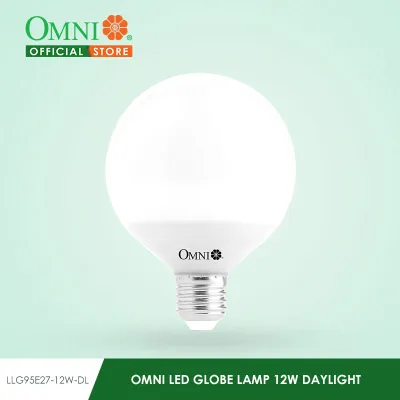
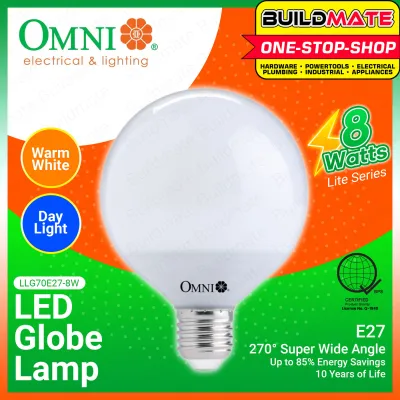
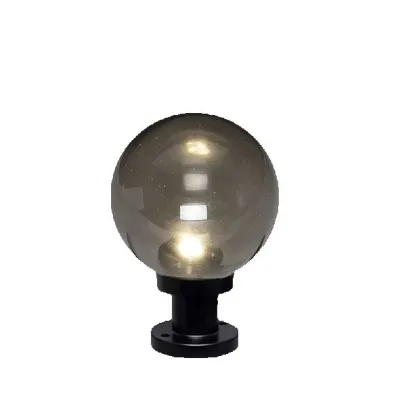
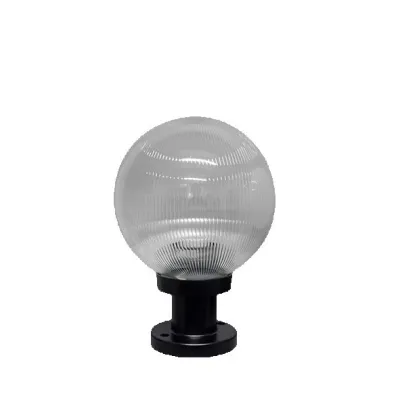
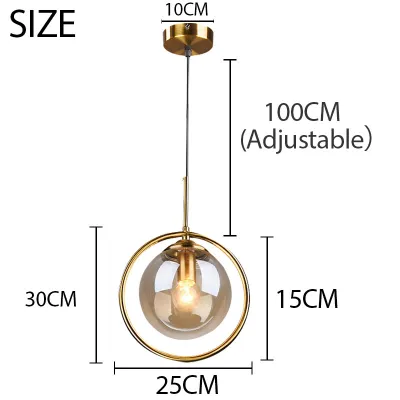
Prices are valid at publication and may change. Please refer to the product page for the latest price.
The following summary maps the most effective globe lamp styles to the primary functions of typical condo spaces:
- Living Room: Opalescent glass floor lamps or woven rattan pendants. These styles provide versatile, welcoming ambient light that fills the room without casting harsh, direct glare on screens or faces.
- Bedroom: Fabric, rice paper, or sunset projection mood lamps. These materials excel at creating a highly diffused, low-glare environment that helps the mind and body wind down after a long day.
- Dining Area: Clear glass globes with vintage-style LED filaments. This setup concentrates inviting, focused light downward onto food and tableware, creating an intimate dining experience.
- Reading Nook: Adjustable or frosted glass globe desk lamps. These fixtures deliver functional, direct task lighting to prevent eye strain while preserving a cozy, localized atmosphere.
How Globe Lamp Materials and Finishes Shape the Mood
The physical material and surface finish of a globe lamp shade act as the primary filter for the light source inside. This filter determines not only how bright a room feels but also how shadows are cast across your walls and ceilings.

- Opal or Frosted Glass: This classic finish delivers a soft, glare-free, and modern glow. The treated glass evenly diffuses light in all directions, eliminating the harsh hot spots common with clear glass. It is highly effective for general ambient lighting in modern, minimalist, or Scandinavian-inspired condo interiors.
- Rattan, Wicker, or Bamboo: These natural, woven materials cast intricate, textured shadow patterns across the ceiling and walls. They introduce a distinct tropical warmth and organic texture that complements modern tropical or coastal interior styles popular in the Philippines. Because they feature open weaves, they balance direct light leakage with warm, filtered shadows.
- Fabric or Rice Paper: These highly porous materials create an exceptionally soft, low-intensity, and intimate ambiance. They are highly efficient at scattering light, making them ideal for creating a calming, low-light sanctuary. The organic texture of rice paper adds a delicate, minimalist aesthetic reminiscent of Japanese-inspired design.
- Sunset and Color-Changing Mood Lamps: Rather than diffusing a central bulb, these specialized projection lamps project warm, saturated gradients or dynamic colors directly onto walls and ceilings. They function as dramatic accent pieces, allowing you to instantly shift a room's atmosphere from a relaxing sunset glow to an energetic, colorful backdrop for hosting or photography.
Choosing the Perfect Globe Lamp for Each Condo Room
Living Room: Welcoming and Versatile
Condo living rooms serve multiple purposes, transitioning from daytime home offices to evening entertainment hubs. To accommodate these shifting needs, the lighting must be highly adaptable rather than flat and static.
A large frosted glass floor lamp placed in an underutilized corner or a woven rattan globe pendant suspended over the seating area works beautifully here. The frosted glass spreads light evenly to make the room feel larger, while the rattan option adds a relaxed, organic focal point.
To achieve maximum versatility, prioritize dimmable fixtures or smart bulbs. This allows you to easily lower the brightness for movie nights or raise it when hosting guests.
Additionally, avoid relying on a single overhead light source, which can make a small living room feel flat and clinical. Layer your globe lamp with secondary accent lights, such as warm LED strip lights behind the television or under shelving, to create a sense of depth and visual interest.
Bedroom: Calming and Intimate
The bedroom is a dedicated sanctuary for rest, meaning the lighting should actively support your body’s natural circadian rhythms. Harsh, blue-toned, or direct light sources can disrupt melatonin production and make winding down difficult.
Placing fabric, rice paper, or sunset projection mood lamps on bedside tables or low consoles keeps the light source below eye level. This positioning mimics the natural angle of the setting sun, which signals to the brain that it is time to sleep.
Opt for warm color temperatures and ensure the bulb is fully shielded from your direct line of sight when lying in bed. This prevents uncomfortable glare when you are reading or resting.
If you choose a sunset projection lamp, position it to cast its warm amber gradient directly behind the headboard or onto an empty wall. This creates a soothing, resort-like backdrop that transforms plain white condo walls into a soft, glowing canvas.
Dining Area: Focused and Atmospheric
Dining in a condo should feel like an occasion, requiring lighting that is both functional and atmospheric. The goal is to draw focus to the dining table and make meals look appetizing, while keeping the surrounding space softly illuminated.
Clear glass globes housing decorative LED filament bulbs, or a clustered trio of smaller suspended globes, are ideal for this space. The clear glass allows the warm, golden glow of the filaments to shine through clearly, creating a sophisticated, intimate dining environment.
When installing suspended globe pendants, pay close attention to the hanging height. As a general rule, the bottom of the globe should sit approximately 75 to 90 centimeters above the tabletop. This height ensures the table is well-lit without obstructing eye contact between dinner guests.
Be cautious with heavily tinted, dark grey, or amber-colored glass globes over the dining table. While they look stylish, overly saturated glass can distort the natural colors of food, making dishes appear less appealing under the light.
Reading Nook or Workspace: Functional yet Cozy
Carving out a workspace or reading corner in a compact condo requires a careful balance. You need enough focused light to prevent eye strain during detailed tasks, but you do not want to destroy the cozy, relaxing vibe of the surrounding room.
An adjustable globe desk lamp or a small opal glass globe designed to direct light downward is highly effective. The adjustable arm allows you to position the light exactly where you need it, whether you are reading a physical book or typing on a laptop.
When selecting bulbs for a workspace, look for a balance between brightness and color temperature. A neutral white light of 3000K to 4000K is ideal for concentration and detailed work, whereas a warmer 2700K bulb is better suited for casual, evening reading.
If your reading nook is close to a computer monitor or television, test the lamp’s angle carefully. Adjust the globe shade to ensure the light does not bounce directly off screens, which causes distracting glare and increases eye fatigue.
Bulb and Fixture Specs That Actually Control the Mood
Achieving the perfect mood goes beyond selecting a beautiful lamp design; it requires understanding the technical specifications of the bulb and the fixture itself. In the Philippines, ensuring these specifications match local electrical standards is also critical for safety.
- Color Temperature (Kelvin): The color temperature of a bulb determines whether a room feels cozy or clinical. For bedrooms, living rooms, and dining areas, look for bulbs rated at 2700K (extra warm white) to create a relaxing, candle-lit atmosphere. For workspaces or reading nooks where focus is required, a neutral white light of 3000K to 4000K is more appropriate.
- Brightness (Lumens) and Dimmability: Do not rely on wattage to measure brightness, as modern LED bulbs use far less energy to produce the same amount of light as older incandescent bulbs. Instead, look at the lumen rating; a lower lumen output (200 to 400 lumens) is perfect for accent mood lighting, while general living area lamps may require 800 lumens or more. If you plan to dim your lamp, verify that both the bulb and the fixture's built-in switch are explicitly labeled as dimmable to prevent flickering or premature bulb failure.
- Electrical Compatibility and Safety: Before purchasing any lamp or replacement bulb, verify its electrical compatibility. Ensure the fixture is rated for the standard Philippine voltage of 220V to 240V at 60Hz. Always check the manufacturer's label for the maximum wattage limit to prevent overheating, and confirm the specific bulb base type—most commonly E27 or E14 in local fixtures—before buying replacement bulbs. For fixed wiring or suspended pendant installations, always isolate the power at the main circuit breaker, follow the manufacturer's installation instructions, and consult a qualified professional if you are unsure about the wiring process.
Placement Tips to Maximize Your Globe Lamp's Effect
Proper placement is what elevates a simple light fixture into a powerful design tool that can make a compact condo feel larger and more inviting.
For table lamps, aim for eye-level placement when you are seated or lying down. If the lamp is too high, you will look directly up into the exposed bulb under the shade, causing uncomfortable glare; if it is too low, the light will not spread effectively across the surface.
To make a small condo living room or bedroom feel more spacious, place your globe lamps in empty corners or near light-colored walls. This allows the light to bounce off the flat surfaces, washing the walls in a soft glow and visually expanding the boundaries of the room.
When positioning sunset or color-changing projection lamps, the distance from the wall is critical. Placing the projector too close will result in a small, overly bright, and pixelated circle of light. To allow the warm gradient to expand fully into a realistic, soft sunset effect, position the lamp approximately 1.5 to 3 meters away from the target wall.
Finally, pay close attention to cord management and base stability, especially in high-traffic condo walkways or homes with active pets. Secure loose cords along baseboards using adhesive clips to prevent tripping hazards, and ensure floor lamps have heavy, stable bases that will not easily tip over if bumped.
Frequently Asked Questions (FAQ)
Can I use a sunset mood lamp as my main light source?
No, sunset and projection mood lamps are designed specifically for ambient accent lighting and creative backdrops, not for primary room illumination. They typically feature a very low lumen output and a highly directional, focused beam of light. This concentrated beam is excellent for creating a dramatic wash of color on a single wall, but it does not provide the widespread, even light distribution required to safely navigate a room, clean, or perform detailed tasks. For a balanced setup, always pair a sunset lamp with other functional light sources.
How do I clean a rattan or paper globe lamp in a humid climate?
In the humid tropical climate of the Philippines, natural materials like rattan and delicate paper require careful maintenance to prevent mold growth and dust accumulation. Before attempting any maintenance or cleaning, always check the applied product’s label and the treated item’s manufacturer instructions. If instructions conflict, the item is unidentified, or the use is not covered, stop and consult the manufacturer or a qualified professional.
Always unplug the lamp and ensure it is completely cool before cleaning. Use a soft, dry brush or a clean, dry microfiber cloth to gently sweep away dust from the crevices of rattan weaves or the surface of paper shades. Avoid using harsh chemical cleaners, wet sponges, or excessive water, as moisture can warp natural fibers, weaken paper structures, or create dangerous electrical hazards.
Community discussion
Share your experience or ask a question. Comments are reviewed before publication.