
A hanging door mirror is one of the most practical and efficient space-saving additions you can introduce to a compact bedroom. In the Philippines, where modern condominium units, studio apartments, and urban townhomes often feature limited square footage, maximizing floor space is a constant design challenge. By utilizing the vertical surface of an existing door, you reclaim valuable floor and wall space that would otherwise be occupied by a bulky standing mirror, allowing you to keep walkways clear and furniture layouts functional.
Beyond its obvious utility, a strategically placed mirror acts as an effective tool for visual expansion. It captures and reflects both natural light from windows and ambient light from indoor fixtures, instantly making a tight, enclosed bedroom feel significantly brighter and more open. This optical illusion of depth can transform the atmosphere of a small room, though the overall spatial effect depends heavily on where the door is positioned relative to your windows, light sources, and furniture layout.
Choosing the right mirror also resolves a common rental dilemma. Many residential developments in the Philippines prohibit tenants from drilling deep holes into concrete partition walls. A door-mounted mirror offers a non-destructive alternative that provides all the benefits of a full-length wall mirror without risking your security deposit or causing permanent structural damage to the property.
Products mentioned in this guide


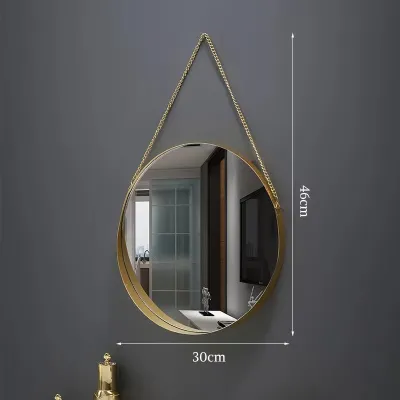
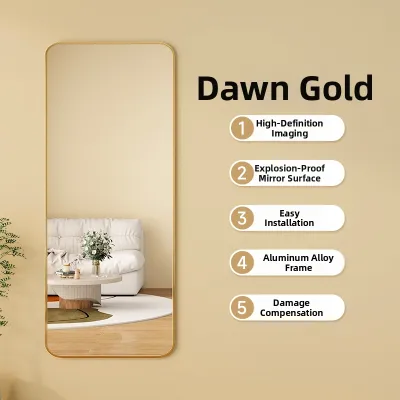
Prices are valid at publication and may change. Please refer to the product page for the latest price.
Best Mirror Styles and Shapes for Visual Expansion
Selecting the shape of your mirror is not merely an aesthetic choice; it directly influences how your eyes perceive the proportions of a room. Different silhouettes can either emphasize the height of your ceilings or soften the sharp, boxy angles of a compact layout.
Full-Length Rectangular Mirrors
Classic rectangular mirrors are the traditional choice for small bedrooms, and for good reason. Their clean, straight vertical lines guide the eye upward toward the ceiling, emphasizing the vertical volume of the room. This vertical emphasis is highly beneficial in bedrooms with standard or low ceilings, as it helps counteract the feeling of being enclosed in a tight box.
From a practical standpoint, a rectangular shape provides the most consistent, uninterrupted reflective surface from top to bottom. In a small bedroom where space to step back is limited, a straight-edged mirror ensures you can view your entire outfit comfortably without needing to retreat into the far corner of the room. This makes daily dressing routines seamless and efficient, even in highly restricted layouts.
Arched and Curved Mirrors
If your bedroom feels rigid or overly dominated by square furniture—such as a boxy wardrobe, a rectangular desk, and a sharp headboard—an arched or curved hanging mirror can introduce a welcome design contrast. The rounded top of an arched mirror breaks up the harsh, linear geometry of the room, adding a softer, more organic architectural element to the door surface.
However, choosing a curved style involves a minor functional trade-off. Because the top corners are rounded off, arched mirrors slightly reduce the total reflective surface area at the upper portion of the glass compared to a standard rectangular model. If you opt for an arched design, balance its soft lines with the existing furniture in your room to ensure the mirror complements, rather than clashes with, your overall decor theme.
Choosing the Right Size and Proportions
To ensure your mirror looks intentional and functions perfectly, you must measure your door systematically rather than relying on guesswork. A mirror that is too small will look lost and fail to provide a full-body view, while one that is too large can overwhelm the door panel and interfere with the door’s mechanical operation.

First, measure the flat, recessed, or raised panels of your bedroom door. Many interior doors in the Philippines feature decorative molding or recessed panels that create an uneven surface. Your mirror must sit entirely within the flat portion of the door to remain stable. Additionally, you must leave a clear margin of at least 5 to 10 centimeters from the top, bottom, and side edges of the door. This clearance ensures the mirror frame will not collide with the door frame, architrave, or the door handle when the door is opened or closed.
Second, calculate the minimum dimensions required for a functional full-body reflection. As a general rule of physics, a mirror must be at least half the height of the tallest user to show a full-length view, provided it is mounted at the correct eye level. For most adults, a mirror height of 120 to 140 centimeters is ideal. The width should ideally be at least 30 to 40 centimeters to prevent you from having to step too far back into a cramped room just to see your shoulders.
Finally, always verify the physical limits of your door before finalizing your purchase. Heavy glass mirrors exert continuous downward force on the door hinges. If you have a lightweight door, adding a massive, heavy mirror can cause the door to sag over time, leading to alignment issues where the door scrapes against the floor or fails to latch properly. Keep the mirror’s proportions balanced with the structural capacity of the door itself.
Frame Types and Finishes That Enhance Space
The frame of your mirror dictates its visual weight and determines how seamlessly the piece integrates into your bedroom’s design scheme. In a small space, every visual element matters, and the wrong frame can make a room feel cluttered.
- Frameless and Beveled-Edge Mirrors: These designs offer the most seamless, minimalist appearance. Because there is no solid border to define where the mirror ends, the glass appears to blend directly into the door surface. This maximizes the reflective area and keeps the visual weight of the mirror to an absolute minimum, making it an excellent option for ultra-modern or highly compact bedrooms.
- Thin Metal Frames: A slim aluminum or steel frame provides a clean, contemporary border without adding unnecessary bulk. However, because the Philippines experiences high relative humidity throughout the year, standard iron or cheap steel frames are highly susceptible to rust and corrosion. It is highly recommended to choose rust-resistant finishes, such as anodized aluminum or powder-coated metals, to ensure long-term durability.
- Bulky or Dark Wood Frames: While thick wooden frames can look beautiful in rustic or traditional settings, they add significant visual weight to a small room. A heavy, dark frame draws immediate attention to the physical boundaries of the mirror, which can make a small bedroom feel more enclosed. If you prefer a wood aesthetic, opt for slim, light-toned profiles or moisture-resistant engineered wood finishes that resist warping in tropical climates.
- Coordinated Finishes: To maintain visual harmony, try to match the frame finish with existing hardware in your bedroom. For instance, if your wardrobe handles, light fixtures, or door knobs are matte black, a slim matte black mirror frame will tie the room together beautifully, creating a cohesive and intentional look.
Safe Installation and Door Compatibility Checks
Installing a hanging door mirror requires careful attention to safety, especially since doors are dynamic, moving objects. A poorly secured mirror can easily swing, slide, or shatter, posing a safety hazard to anyone in the room.
Before purchasing mounting hardware, you must determine whether your bedroom door is solid-core or hollow-core. Most modern interior doors in Philippine homes and condominiums are hollow-core doors, which consist of a thin wood or fiberboard veneer over a honeycomb cardboard interior. Hollow-core doors cannot support heavy wood-framed mirrors mounted with standard wood screws, as the screws will easily tear through the thin outer veneer under load. For hollow doors, you must use lightweight mirrors and secure them using specialized over-the-door hooks or hollow-door anchors designed to expand and grip the inside of the door panel.
Furthermore, check the condition of your door hinges. Ensure that all hinge screws are tight and that the hinges themselves are free of rust or wear. If you are hanging a moderately heavy mirror, consider replacing the standard short hinge screws with longer, heavy-duty wood screws that penetrate deep into the wooden door frame behind the jamb. This simple upgrade significantly increases the door’s load-bearing capacity and prevents sagging.
To prevent the mirror from swinging, rattling, or slamming against the door when you open or close it, you must secure the bottom of the mirror. You can achieve this by applying thick, self-adhesive silicone or felt bumper pads to the back corners of the mirror frame to absorb physical impacts. Alternatively, use heavy-duty double-sided mounting tape or hook-and-loop strips near the bottom edge to hold the mirror flush against the door surface. Always refer to the mirror manufacturer’s installation instructions, and if your installation requires complex drilling or structural modifications, consult a qualified professional carpenter or handyman to ensure a secure setup.
Frequently Asked Questions (FAQ)
Can I hang a heavy mirror on a hollow bedroom door?
Yes, but you must use the correct hardware and take strict safety precautions. Hollow-core doors have very thin outer wood panels and lack a solid wood center, meaning standard screws will quickly pull out under tension. To hang a mirror safely on a hollow door, use lightweight over-the-door hooks that distribute the weight across the top edge of the door, or use specialized hollow-door toggle anchors that expand behind the thin veneer. To minimize structural strain and prevent the door hinges from sagging, it is best to choose a lightweight mirror, such as one with a thin aluminum or polystyrene frame, with prices typically ranging from ₱800 to ₱2,500 in local home improvement stores.
How do I stop my over-the-door mirror from banging?
To stop your over-the-door mirror from swinging and banging against the door when it is opened or closed, you need to anchor the lower portion of the frame. The simplest solution is to place self-adhesive silicone or felt bumper pads on the back corners of the mirror to absorb shock and eliminate noise. For a more secure hold, apply removable, heavy-duty double-sided mounting tape or hook-and-loop adhesive strips to the bottom back of the mirror frame, pressing it firmly against the door surface. This keeps the mirror perfectly flush, prevents scratches on your door’s paint or veneer, and eliminates annoying rattling sounds.

Community discussion
Share your experience or ask a question. Comments are reviewed before publication.