
Transforming a personal space into a spooky retreat requires choosing the right haunted house wall decor types—such as vinyl decals, large-format fabric tapestries, classic horror posters, and dimensional 3D foam panels—that match your wall surface, climate conditions, and desired level of permanence. Creating a haunted house atmosphere at home is an exciting way to celebrate the spooky season or express a year-round love for the macabre. In tropical environments where high humidity and warm temperatures can affect how adhesives, paper, and fabrics behave, selecting the right materials is crucial for a successful setup. By understanding the unique characteristics of each decor type, you can build an immersive, spine-chilling environment without causing permanent damage to your living space.
How to Choose the Right Haunted House Wall Decor
Before purchasing any spooky decorations, you must evaluate your specific wall conditions, living arrangements, and how long you plan to keep the decor on display. Wall surfaces in residential spaces vary significantly, ranging from smooth painted drywall to textured plaster and painted concrete. If you are renting an apartment or condominium, damage-free options are essential to avoid losing your security deposit due to peeled paint or chipped plaster. Homeowners, on the other hand, have more freedom to use semi-permanent mounting hardware, heavy-duty adhesives, or even anchor screws for heavier decorative elements.
Your commitment level also dictates the best materials for your project. If you are setting up a temporary display for a weekend Halloween gathering or All Saints’ Day, lightweight, easily removable items like static-cling decals and thin polyester tapestries are ideal. For a dedicated, year-round horror room or home theater, you can invest in more durable, permanent installations like framed canvas prints, heavy wooden gallery frames, or textured 3D wall panels that require more robust mounting solutions.
Products mentioned in this guide
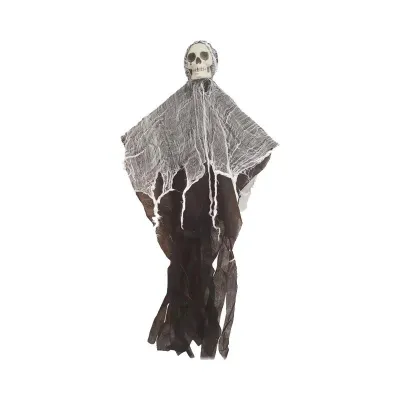
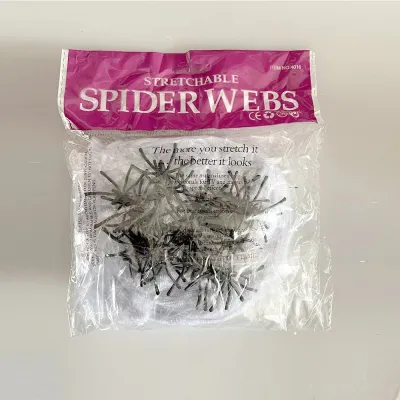
81 Lazada user ratings
This and I'll put or wrap web around the clothes as halloween costume. Ingat lang sa paghawak kase nalalagas balahibo
Sturdy plastic material, Spooky and realistic design,
cute at aesthetic
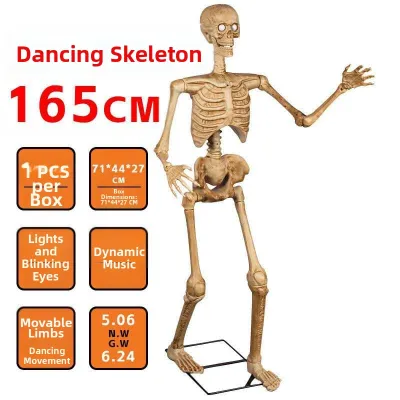

Prices are valid at publication and may change. Please refer to the product page for the latest price.
Finally, consider how your existing room lighting will interact with different wall decor textures and colors. Dark, matte-finish decorations absorb light, helping to create a gloomy, mysterious atmosphere. Conversely, glossy vinyl decals or laminated posters can reflect light, creating distracting glare from overhead fixtures or accent spotlights. Understanding these visual interactions allows you to plan a cohesive layout where the lighting enhances the spooky details rather than washing them out or causing uncomfortable reflections.
Top Haunted House Wall Decor Types for Every Spooky Vibe
Selecting the right haunted house wall decor involves balancing your aesthetic goals with the physical limitations of your room. The most effective haunted spaces use a combination of different decor types to build visual layers, texture, and depth.

Whether you want a subtle, gothic aesthetic or a high-intensity jump-scare environment, the following categories offer distinct advantages depending on your budget, wall space, and installation preferences.
Wall Decals and Stickers for Damage-Free Scares
Vinyl wall decals and stickers are among the most popular choices for temporary seasonal transformations because they offer high visual impact with minimal installation effort. These thin, flexible adhesive designs can depict intricate, creepy silhouettes, dripping blood, sprawling spiderwebs, or swarms of bats. Because they lie completely flat against the wall, they integrate seamlessly into your existing space, appearing as if they were painted directly onto the surface.
To ensure proper adhesion and a clean look, vinyl decals require a smooth, clean, and completely dry surface. Before application, wipe the wall down with a dry microfiber cloth to remove dust, oil, and lint. In humid tropical climates, wall surfaces can collect moisture, which severely compromises the adhesive backing. Avoid applying decals immediately after cleaning with water; instead, allow the wall to dry completely, or use a fan to clear any surface moisture. When applying the decal, start from one edge and slowly smooth it down using a plastic squeegee or a credit card to push out trapped air bubbles, working from the center outward.
Safe removal is just as important as proper application, especially on painted drywall. To prevent the adhesive from pulling up the underlying paint, peel the decal away slowly at a sharp 45-degree angle. If the decal has been on the wall for an extended period or feels tightly bonded due to room warmth, use a hairdryer on a low-heat setting to gently warm the vinyl. This softens the adhesive, allowing you to peel the sticker away smoothly without tearing the drywall paper or stripping the paint layers.
Tapestries and Fabric Hangings for Immersive Atmospheres
Tapestries and large-format fabric hangings are excellent for covering expansive wall areas quickly, making them highly efficient for dramatic room makeovers. A single large tapestry featuring a misty graveyard, an abandoned asylum corridor, or a gothic library can instantly establish a room’s theme. Fabric hangings also add a soft, tactile texture to the space, absorbing sound and reducing room echo, which helps create a quiet, claustrophobic atmosphere reminiscent of an old tomb.
Choosing the right hanging method depends on the weight of the fabric and the limitations of your walls. Lightweight polyester tapestries can easily be suspended using damage-free adhesive hooks or heavy-duty mounting putty. For heavier cotton or canvas tapestries, you may need to use a tension rod mounted inside a doorway or alcove, or traditional nails and pushpins if your walls can tolerate small holes. When using adhesive hooks, always check the manufacturer’s weight rating—typically listed in kilograms—to ensure the hook can support the fabric over time without falling.
Proper maintenance and storage ensure your fabric decor remains in excellent condition for future use. Always check the manufacturer’s care label for specific washing instructions, as some synthetic prints can bleed or shrink if exposed to hot water. Because tropical climates are prone to high humidity, fabric items stored in dark closets can easily develop mold, mildew, and musty odors. After the season ends, ensure the tapestry is completely dry, fold it loosely, and store it in an airtight plastic container with several silica gel packets to absorb any residual moisture.
Posters and Canvas Prints for Classic Horror Galleries
For a more curated, sophisticated approach to your spooky retreat, posters and canvas prints allow you to build a classic horror gallery wall. This style works beautifully for vintage movie posters, anatomical sketches, gothic portraits, or surreal dark art. You can choose between unframed prints for a casual, raw look, or framed pieces that add structure and elegance to your display.
Framing options play a significant role in both the safety and the aesthetic of your gallery wall. Lightweight plastic or composite frames are ideal for temporary setups because they can be hung using adhesive picture-hanging strips, eliminating the need to drill into concrete or plaster. If you prefer a vintage, weathered look, heavy wooden frames with ornate details can mimic the feel of an old mansion. However, these heavy frames require sturdy wall anchors and screws; always use a level and a stud finder if mounting on drywall, or a masonry drill bit and plastic wall plugs if mounting on solid concrete walls.
Before committing to hanging your frames, plan the layout on the floor. Arrange the prints in different configurations, take photos with your phone to compare the arrangements, and measure the spacing between the frames. In the Philippines, the high relative humidity can cause standard paper posters to warp, buckle, or stick to the frame’s glass over time. To prevent this, consider choosing canvas prints, which are naturally more resistant to moisture, or ensure your paper prints are framed with a mat board to create a protective air gap between the paper and the glass.
3D Wall Panels and Foam Props for Tactile Depth
If you want to move beyond flat surfaces and create a truly interactive, dimensional experience, 3D wall panels and foam props are the perfect solution. Lightweight vacuum-formed plastic panels can mimic the texture of old stone dungeon walls, cracked brickwork, or rotting wood planks. Additionally, foam props—such as creepy hands that appear to break through the drywall, or protruding gargoyles—add physical depth and cast realistic shadows that change as you move through the room.
Because 3D elements have physical weight and protrude from the wall, selecting the correct adhesive is critical to prevent them from falling and causing damage. Lightweight expanded polystyrene foam panels can often be secured with specialized mounting putty or double-sided foam tape. Heavier polyurethane or plastic panels may require stronger construction adhesives if they are intended to be permanent, or heavy-duty hook-and-loop mounting strips for temporary installations. Always calculate the total weight of the panel and use more adhesive strips than the minimum recommendation to account for environmental factors like humidity, which can weaken adhesives over time.
Safety is a primary concern when installing dimensional decor. Avoid placing protruding foam props or textured panels in high-traffic zones, narrow hallways, or near doorways where family members or guests might accidentally bump into them. Not only can collisions damage the lightweight foam, but sharp edges or unexpected protrusions can also cause minor injuries or tripping hazards in a dimly lit room.
Planning Your Spooky Retreat Layout and Lighting
An effective haunted house design relies on careful planning rather than simply covering every square inch of your walls with decorations. Cluttering a room with too many competing patterns, colors, and props can overwhelm the eyes and diminish the scary effect. Instead, aim to create one or two clear focal points. For example, dedicate your main viewing wall to a large, high-quality tapestry or a detailed 3D stone panel setup, and keep the adjacent walls simpler with sparse vinyl decals or a few well-spaced framed prints.
Lighting is the key element that brings your wall decor to life. Use directional lighting, such as adjustable LED spotlights or floor-mounted uplights, to cast long, dramatic shadows from your 3D wall panels and textured props. Low-angle lighting is particularly effective at highlighting the uneven textures of faux stone or brick, making them look far more realistic and menacing. Avoid bright, overhead fluorescent lights, which flatten the room’s dimensions and expose the artificial nature of the decorations.
While creating a dark, atmospheric room is essential for a haunted theme, you must balance the spooky aesthetic with safety. Ensure that walkways, steps, and doorways remain sufficiently illuminated to prevent accidents. You can achieve this by using low-wattage colored LED bulbs, such as deep orange, purple, or dim red lights, which provide enough ambient light for safe navigation without ruining the dark, mysterious mood. When installing any lighting fixtures, verify that they are rated for indoor use and carry local safety certifications, such as the Philippine Standard (PS) mark or the Import Commodity Clearance (ICC) sticker, to ensure safe electrical operation.
Installation Safety and Wall Protection Tips
To enjoy your spooky retreat without any unpleasant surprises, prioritize safety and wall protection during the installation process. Always read and follow the manufacturer’s instructions for any adhesive products, mounting hardware, or lighting equipment you use. Different adhesives have specific curing times and temperature limits that must be respected to ensure a secure hold.
Before applying any adhesive tape, mounting putty, or vinyl decal to a prominent wall, perform a patch test on a small, hidden area, such as behind a door or near the baseboard. Apply a small piece of the adhesive, leave it for 24 hours, and then remove it carefully. This simple check helps you verify if the adhesive will peel your specific wall paint or leave an oily residue, allowing you to adjust your mounting strategy before committing to a full-scale installation.
| Decor Type | Recommended Mounting Method | Best Wall Surface | Removability Rating |
|---|---|---|---|
| Vinyl Decals | Self-adhesive backing | Smooth, painted drywall or glass | High (Damage-free) |
| Fabric Tapestries | Adhesive hooks or tension rods | Smooth walls, door frames | High to Medium |
| Framed Prints | Adhesive strips or wall anchors | Drywall, wood, or concrete | Medium to Low |
| 3D Foam Panels | Double-sided foam tape | Smooth, untextured walls | Medium (May require residue cleanup) |
Electrical safety is another crucial consideration, especially if your wall decor includes integrated LED lights, glowing eyes, or motorized elements. Keep all electrical cords neatly organized and secured along the baseboards using cable clips or gaffer tape. Never run power cords under rugs, carpets, or across high-traffic walkways, as walking on cords can damage the internal wiring and create severe tripping hazards. If your installation requires hanging heavy decor at a height, always use a sturdy, slip-resistant stepladder rather than balancing on chairs or sofas, and have a family member spot you to ensure your safety.
Frequently Asked Questions (FAQ)
Can I use haunted house wall decor outdoors?
Most standard indoor haunted house wall decor, such as paper posters, standard vinyl decals, and indoor-rated fabric tapestries, will degrade rapidly if exposed to outdoor elements. Rain, high humidity, wind, and intense tropical sunlight can cause paper to warp and tear, colors to fade, and adhesives to fail completely. If you want to decorate your veranda, patio, or exterior walls, look specifically for products labeled as weather-resistant, waterproof, or rated for outdoor use. Outdoor-rated vinyl banners, heavy-duty plastic panels, and weather-resistant fabrics are designed to withstand moisture and UV exposure without deteriorating.
How do I remove sticky residue from wall decals?
If a wall decal leaves a sticky adhesive residue behind after removal, you can clean it safely without damaging your paint. Start with the gentlest method: soak a microfiber cloth in warm, soapy water, wring it out so it is damp but not dripping, and gently rub the residue in circular motions. For stubborn adhesive, you can use a mild, specialized adhesive remover or a small amount of rubbing alcohol on a cloth. Avoid using harsh chemical solvents like acetone or paint thinner, as these will easily strip the paint and damage the drywall. Always test your cleaning solution on an inconspicuous spot first to ensure it does not discolor or damage your wall finish.
Community discussion
Share your experience or ask a question. Comments are reviewed before publication.