
Choosing the right sconce wall light indoor fixtures involves balancing functional requirements with aesthetic style, particularly when addressing distinct zones like busy hallways and restful bedrooms. For hallways, the priority is safe navigation and space preservation; therefore, flush-mount, semi-flush, or directional uplight and downlight sconces are the most effective choices because they provide excellent illumination without protruding into narrow walkways. For bedside tables, the focus shifts to task utility and personal comfort, making adjustable swing-arm sconces or fabric-shaded fixtures the premier options since they deliver targeted reading light, offer a soft ambient glow, and free up valuable nightstand space.
Understanding the Lighting Needs of Hallways and Bedrooms
Hallways and bedrooms serve fundamentally different roles within a home, meaning a single lighting strategy cannot successfully address both spaces. Hallways function primarily as transit zones where safety, visibility, and spatial clearance are the most critical factors. Because these corridors are often narrow, any wall-mounted fixture must feature a slim profile to prevent residents from accidentally bumping into it. Additionally, hallways require uniform, glare-free illumination that spans the entire length of the path, eliminating dark spots that could cause missteps while maintaining a cohesive visual flow from one room to the next.
In contrast, bedroom lighting must support rest, relaxation, and highly localized tasks. The bedside area requires a delicate balance of soft, diffused ambient light to help your eyes adjust as you wind down for sleep, paired with focused task lighting that allows you to read or work without straining. Because bedside tables are often small or shared, utilizing wall-mounted fixtures is an exceptional way to preserve surface space for personal items like phones, books, or water. Furthermore, bedside lighting must accommodate individual preferences, particularly in shared bedrooms where one partner may wish to sleep while the other reads. This necessitates independent controls, such as dedicated switches or smooth dimming capabilities, that are easily accessible from a reclining position.
Products mentioned in this guide
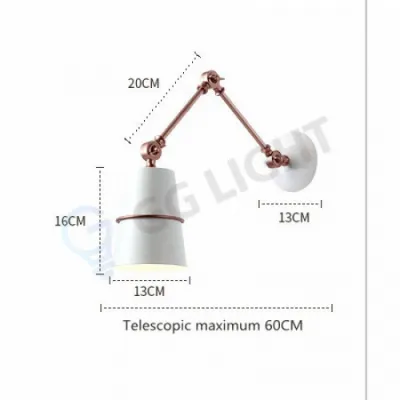
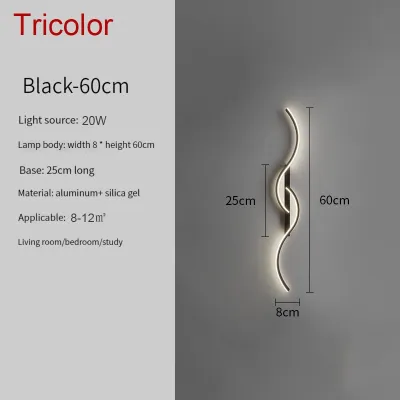
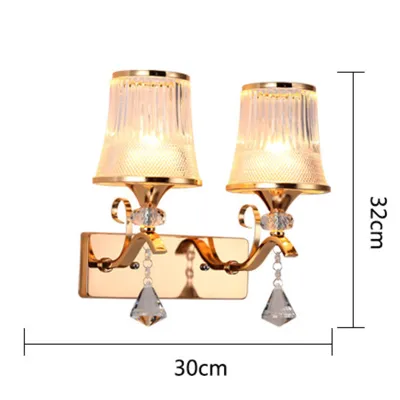
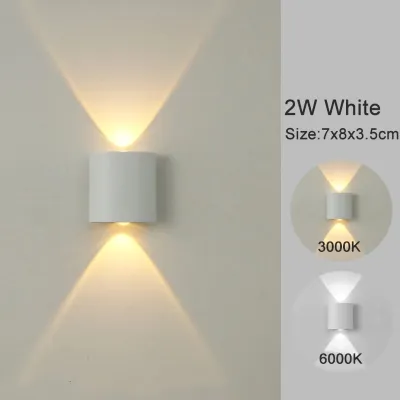
Prices are valid at publication and may change. Please refer to the product page for the latest price.
Best Sconce Wall Light Indoor Styles and Features for Hallways
To illuminate a hallway effectively, you must select fixtures that harmonize with the architectural constraints of narrow transit spaces. Flush-mount and semi-flush sconces are highly recommended for these areas because they mount flat against the wall, minimizing their physical projection. These styles distribute a balanced, even wash of light across the walls and floor, ensuring the entire corridor is visible without creating bulky physical obstacles that disrupt foot traffic.

Another excellent option for corridors is the uplight or downlight sconce, which directs light vertically rather than outward. By casting light upward toward the ceiling or downward toward the floor, these fixtures wash the wall surfaces with a soft, indirect glow. This technique prevents the light source from shining directly into the eyes of anyone walking down the passage, reducing glare while visually expanding the space. In homes with lower ceilings, uplights can make a cramped hallway feel taller and more open, while downlights can beautifully highlight textured wall finishes or elegant flooring.
For homeowners who prefer a clean, contemporary look, minimalist cylinder sconces offer a sleek, geometric profile that coordinates effortlessly with modern interior design themes. If your home leans toward a more traditional or rustic aesthetic, modern candle sconces provide a classic decorative touch that adds warmth and character without taking up valuable physical space. These styles allow you to inject personality into an otherwise utilitarian area without compromising on safety or movement.
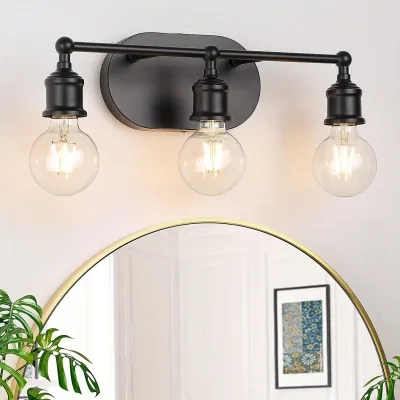
When shopping for hallway fixtures, there are several key technical features you must verify. First, check the projection depth of the sconce; to ensure comfortable passage, look for fixtures that extend no more than 4 inches from the wall surface. Second, prioritize diffused shades made of frosted glass, opal acrylic, or fabric, which help scatter the light and eliminate harsh, blinding hot spots. Finally, check the maximum bulb wattage limit of the fixture and ensure it is compatible with energy-efficient LED bulbs, which keep energy consumption low and prevent heat buildup in enclosed hallway spaces.
Ideal Wall Sconce Styles and Features for Bedside Tables
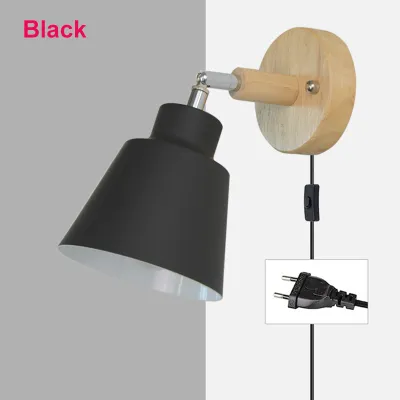
Bedside lighting requires a highly functional approach that prioritizes comfort, flexibility, and ease of use. Swing-arm and adjustable sconces stand out as the top choice for bedrooms because they offer unmatched directional control. These fixtures feature jointed arms that allow you to pull the light source close for reading, tilt the shade to direct the beam precisely onto your page, and push the entire assembly flat against the wall when it is time to sleep. This adjustability ensures you get high-quality task lighting exactly where you need it without disturbing anyone sharing the bed.
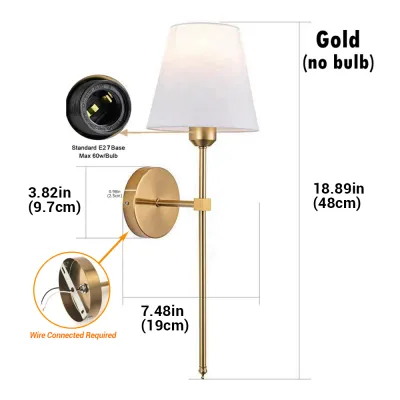
For those who prefer a softer, more atmospheric glow, sconces with fabric or opal glass shades are ideal. Fabric shades, such as those made from linen, gently filter the light to create a cozy, relaxed ambiance that helps prepare your body for sleep. However, in humid tropical climates, fabric shades can accumulate dust and moisture over time, requiring regular maintenance; if you prefer a low-maintenance option, opal glass shades offer a similar soft diffusion while being incredibly easy to wipe clean with a dry cloth.
You will also need to decide between plug-in and hardwired installation styles. Plug-in sconces are exceptionally convenient and highly favored by renters because they mount directly to the wall and plug into a standard electrical outlet, completely eliminating the need to cut into your walls. Many plug-in models come with matching decorative cord covers to keep the hanging wire neat and secure. Hardwired sconces, conversely, offer a clean, high-end look with all electrical wiring hidden behind the wall, though they require a more permanent installation process.
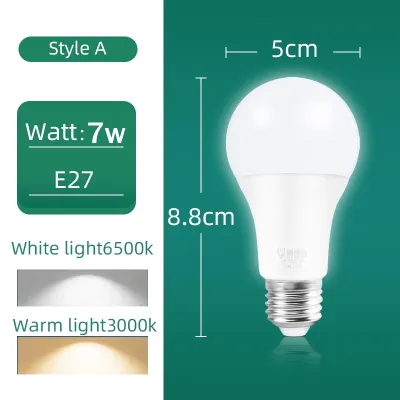
To maximize the comfort of your bedside setup, look for specific user-friendly features before making a purchase. Opt for fixtures that include integrated dimmers or easily accessible switches located directly on the backplate of the sconce, allowing you to operate the light without getting out of bed. Ensure the fixture is compatible with warm color temperature bulbs—ideally between 2700K and 3000K—which mimic the soothing glow of sunset and promote better sleep quality. Lastly, if you are purchasing fixtures in the Philippines, always verify that the operating voltage is rated for the local 220V standard and that the socket type, such as the standard E27 screw base, is compatible with locally available bulbs.
Placement Heights and Installation Guidelines
Proper installation height and spacing are critical to ensuring your wall sconces perform beautifully and operate safely. For hallway lighting, the industry standard is to position the fixtures so that the center of the junction box sits between 60 and 66 inches above the finished floor. This height keeps the light source slightly above eye level for most adults, preventing direct glare while walking. To achieve a seamless, continuous flow of light without dark gaps or harsh overlapping pools, space your hallway sconces approximately 6 to 8 feet apart along the corridor.
Bedside sconces require a more tailored placement strategy that aligns with your mattress height and seating position. A reliable rule of thumb is to mount the sconce so that the bottom of the shade sits roughly 30 to 36 inches above the top of your mattress, or slightly above shoulder height when you are sitting up against your headboard. This positioning allows the light to cast downward onto your lap or book without shining directly into your eyes, and it ensures that the physical switch remains within comfortable arm’s reach while you are lying down.
Before beginning any installation, it is vital to establish strict safety and electrical boundaries. If you are installing a hardwired sconce, you must isolate the power by turning off the corresponding circuit breaker at your home’s main electrical panel and verifying that the power is completely off using a voltage tester. Because home construction in the Philippines frequently utilizes solid concrete or concrete hollow block walls, running new electrical wires often requires specialized tools to cut channels into the masonry. If your project involves adding new wall junction boxes, structural modifications, or upgrading older electrical systems, do not attempt to perform the work yourself. Always consult a licensed professional electrician to ensure the installation complies with the Philippine Electrical Code and that all materials carry the necessary PS (Philippine Standard) or ICC (Import Commodity Clearance) safety certifications.
Frequently Asked Questions (FAQ)
Can I use the exact same wall sconce style in both the hallway and bedroom?
Yes, you can absolutely use the same design style or finish in both spaces to create a cohesive visual narrative throughout your home. However, you should adapt the specific functional features of the fixtures to suit each room’s unique requirements. For example, you might choose a fixed, flush-mount sconce with a matte black finish for your hallway, and then select an adjustable swing-arm sconce in the exact same matte black finish for your bedside. This approach maintains aesthetic continuity across your interior design while ensuring that each fixture delivers the precise type of lighting needed for its specific environment.
Do indoor wall sconces always require a wall junction box?
No, indoor wall sconces do not always require an in-wall electrical junction box. Hardwired sconces must be connected to a junction box hidden behind the wall to safely contain the electrical splices and comply with local building codes. However, plug-in sconces are designed to mount directly to the wall surface using simple brackets and draw power from a standard wall outlet via an exposed cord. When installing plug-in models, always use proper cord guides or decorative covers to keep the cable taut and out of reach of children or pets, and ensure the outlet is not overloaded.
Community discussion
Share your experience or ask a question. Comments are reviewed before publication.