
Choosing the right lampshades for bedroom relaxation requires understanding how different materials and shapes filter and direct light. To transform your bedroom into a calming sanctuary, the primary goal is to eliminate harsh glare and scatter light evenly across the space. Soft, diffused lighting signals to your brain that it is time to wind down, making the selection of your lampshades for bedroom environments a crucial step in supporting healthy sleep hygiene.
By matching the right shade material with appropriate bulb specifications, you can easily control the warmth and intensity of your bedside lighting. Whether you prefer the classic elegance of woven fabric or the organic patterns of natural wood fibers, selecting the ideal lampshade involves balancing visual aesthetics with optical performance.
Quick Guide: Best Lampshades for a Relaxing Bedroom
For an immediate improvement in bedroom comfort, prioritize lampshade materials that excel at diffusing harsh light and reducing direct glare. Fabric, frosted glass, and natural woven materials are the most effective choices for creating a soft, ambient glow. These materials scatter light outward rather than focusing it into a sharp, intense beam, which helps soothe tired eyes after a long day.
Products mentioned in this guide
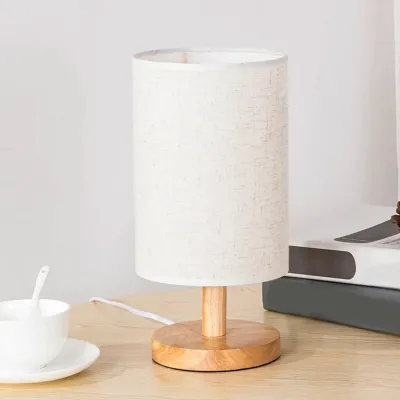

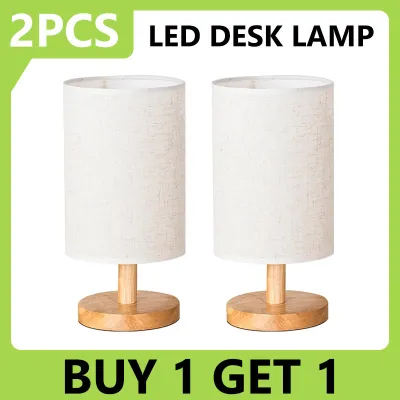
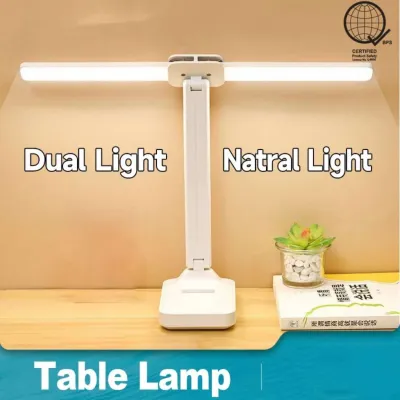
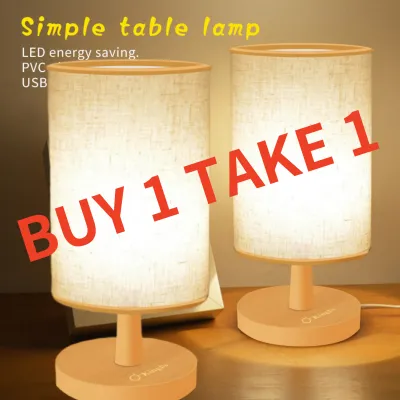
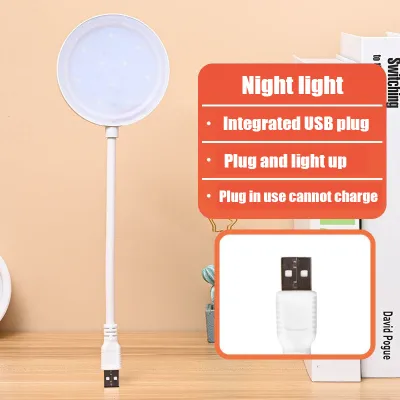
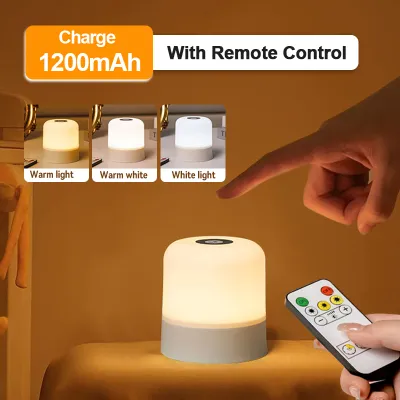
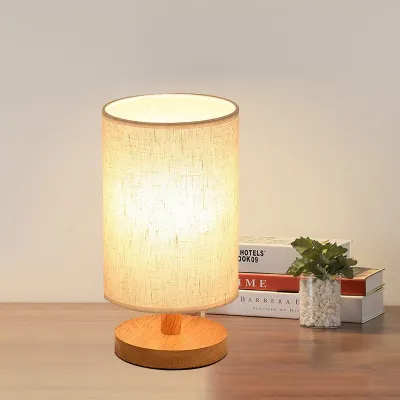
Prices are valid at publication and may change. Please refer to the product page for the latest price.
To maximize the relaxing effect, look for lampshades with warm-colored inner linings, such as gold, champagne, or soft yellow. These linings naturally enrich the light, casting a cozy amber hue across the room. Always pair these shades with warm-white (2700K to 3000K) or dimmable LED bulbs to establish a gentle, low-glare environment.
Ultimately, the right lampshade balances ambient illumination with your bedroom’s overall design. It should soften the transition from active daytime hours to restful evening routines, helping you transition smoothly into sleep.
The Science of Soft Light: What Makes a Lampshade Relaxing?
Light Diffusion vs. Direction
Understanding how light behaves when it hits different materials is key to designing a relaxing space. Translucent materials, such as linen, thin cotton, or frosted glass, allow light to pass through their surfaces while scattering the rays in multiple directions. This diffusion eliminates harsh shadows and creates a balanced, room-filling glow that is gentle on the eyes.

In contrast, opaque materials like metal, heavy paperboard, or dark hardback-lined fabrics block lateral light entirely. Instead of diffusing light outward, they direct it upward and downward, casting focused pools of light. While excellent for targeted reading, highly directional shades can leave the rest of the room in deep shadow, creating high-contrast visual fatigue if not balanced with other soft light sources.
Color and Inner Linings
The interior surface of a lampshade plays a significant role in determining the quality of light emitted. White or silver inner linings reflect light efficiently, maintaining the bulb’s original color temperature and maximizing brightness. While useful for task areas, these highly reflective surfaces can sometimes feel too crisp or sterile for a relaxing bedroom setting.
To cultivate a warmer, more inviting atmosphere, opt for shades with gold, brass, or soft cream inner linings. These warm tones absorb cooler blue wavelengths and reflect a rich, golden glow that mimics the natural warmth of a sunset. This shift in color temperature helps minimize evening blue-light exposure, which is beneficial for your body’s natural circadian rhythm.
Material Texture
Textured materials do more than just add tactile interest to your bedroom decor; they actively alter how light is dispersed. Highly textured surfaces, such as coarse linen, pleated silk, or woven rattan, break up light beams as they pass through or bounce off the shade. This scattering effect softens the light further, preventing the sharp, clinical feel often associated with smooth, synthetic materials.
Additionally, textured shades introduce organic depth to a room even when the lamp is turned off. During the day, natural light catches the weave of the fabric or wood, maintaining a soft, visually interesting aesthetic that contributes to a peaceful, uncluttered environment.
Top Lampshade Styles and Materials for Bedroom Relaxation
Fabric Drum and Empire Shades
Fabric drum and empire shades remain the most popular choices for bedside tables due to their classic silhouettes and reliable light-diffusing properties. Drum shades, with their vertical sides, distribute light evenly upward, downward, and outward through the fabric. Empire shades, which taper toward the top, direct slightly more light downward, making them ideal for bedside reading while still providing a soft ambient glow through the sides.
When selecting a fabric shade, tightly woven natural fibers like linen or cotton are highly recommended. These materials filter light beautifully, hiding the hot spot of the bulb while allowing a warm, even glow to permeate the room. Unlined fabric shades offer the highest level of translucent diffusion, whereas hardback-lined fabric shades offer a more structured look and slightly more directional light.
One practical consideration for fabric shades is maintenance, particularly in dusty environments. Over time, fabric fibers can trap airborne dust, which can dull the light and trigger allergies. Regular cleaning with a soft-bristled brush or a lint roller is necessary to keep the fabric looking fresh and performing optimally.
Rattan, Bamboo, and Wicker Shades
Rattan, bamboo, and wicker lampshades bring an organic, earthy feel to the bedroom, making them perfect for creating a relaxed, nature-inspired retreat. Because these materials are woven, they feature natural gaps that allow light to escape in unique, intricate patterns. This projection of light and shadow adds warmth, movement, and character to bedroom walls, evoking a serene, resort-like atmosphere.
These natural woven shades are exceptionally lightweight and pair beautifully with minimalist, coastal, or bohemian interior styles. The warm, woody tones of the fibers naturally complement warm LED lighting, enhancing the cozy feel of the space. They work well as statement pendant lights or as shades for bedside table lamps.
However, living in tropical climates like the Philippines requires specific care for natural woven materials. High indoor humidity can cause untreated rattan or bamboo to absorb moisture, potentially leading to mold growth or structural warping over time. To prevent this, ensure your bedroom remains well-ventilated, and occasionally wipe the shade with a dry, clean microfiber cloth to remove dust and prevent moisture buildup.
Frosted and Opal Glass Shades
For modern or minimalist bedrooms, frosted and opal glass shades offer a sleek, clean alternative to traditional fabric. The etched or milky surface of treated glass acts as an incredibly efficient diffuser, scattering light uniformly in all directions. This complete diffusion eliminates bulb visibility and prevents harsh, distracting glare, creating an incredibly smooth visual environment.
Glass shades are particularly well-suited for reading nooks or bedside lamps where clean, shadow-free illumination is desired. Because glass does not degrade or discolor from light exposure as easily as some fabrics or plastics, it offers excellent long-term durability and is incredibly easy to clean with a simple wipe.
Before purchasing a glass shade, it is essential to consider its weight and compatibility. Glass is significantly heavier than fabric or paper, meaning you must verify that your lamp base is sturdy, well-balanced, and equipped with the correct collar or fitter to hold the glass shade securely in place without tipping.
Pleated and Silk Shades
Pleated and silk lampshades represent a timeless, elegant aesthetic that brings a sense of refined luxury to the bedroom. Silk is a naturally lustrous material that filters light into a soft, delicate sheen. When combined with tight pleating, the fabric creates alternating bands of light and shadow, adding sophisticated visual texture to your bedside tables.
These shades naturally soften light, casting a warm, gentle glow that is incredibly soothing before sleep. They pair exceptionally well with classic, vintage, or transitional bedroom designs, especially when matched with brass, ceramic, or turned-wood lamp bases.
The delicate nature of silk and pleated designs does, however, require gentle handling. The pleats can collect dust in their crevices, and the fine silk fabric can be easily damaged by harsh scrubbing or moisture. Cleaning should be done carefully using a dry, soft makeup brush or a low-suction vacuum attachment to preserve the integrity of the pleats.
Quick Comparison: Bedroom Lampshade Materials and Styles
| Material / Style | Light Quality | Best Bedroom Aesthetic | Maintenance Level | Heat Tolerance |
|---|---|---|---|---|
| Fabric Drum & Empire | Soft, even lateral diffusion; balanced up-and-down light | Modern, Traditional, Transitional | Low to Medium (requires regular dusting) | Medium (best paired with low-heat LEDs) |
| Rattan, Bamboo & Wicker | Textured, patterned ambient glow with warm shadows | Bohemian, Coastal, Tropical | Medium (requires dry, well-ventilated spaces) | Medium (requires adequate bulb clearance) |
| Frosted & Opal Glass | Uniform, glare-free scatter; completely hides bulb | Minimalist, Contemporary, Mid-Century | Low (easy to wipe clean) | High (excellent heat resistance) |
| Pleated & Silk | Soft, luxurious sheen; classic banded light patterns | Classic, Vintage, Traditional | High (requires delicate dusting of pleats) | Medium-Low (sensitive to high heat and moisture) |
Styling Guide: Matching Lampshades to Bedroom Aesthetics
Minimalist and Modern Bedrooms
In a minimalist or modern bedroom, the focus is on clean lines, neutral color palettes, and uncluttered surfaces. To complement this aesthetic, choose fabric drum shades in solid neutral tones like off-white, soft gray, or charcoal. These shapes provide clean, symmetrical lines that align perfectly with modern platform beds and sleek, handle-free nightstands.
Alternatively, a spherical frosted glass shade can serve as a stunning minimalist accent. The seamless, milky globe provides a pure source of diffused light, keeping the bedside area looking clean, calm, and free of visual clutter.
Bohemian and Coastal Bedrooms
Bohemian and coastal styles thrive on natural textures, earthy tones, and a relaxed, lived-in feel. For these spaces, rattan, bamboo, or wicker lampshades are natural choices. The organic textures of these woven materials pair beautifully with light wood furniture, linen bedding, and indoor plants.
If you prefer fabric, opt for a loosely woven linen shade in an oatmeal, sand, or terracotta hue. The visible slubs and natural imperfections in the linen fabric enhance the relaxed, tactile charm of a coastal or bohemian bedroom, ensuring the lighting feels warm and grounded.
Classic and Traditional Bedrooms
Classic and traditional bedrooms emphasize symmetry, refined details, and rich textiles. An empire-shaped pleated shade or a tailored silk shade fits beautifully into this design scheme. These styles pair elegantly with ornate ceramic, crystal, or polished brass lamp bases, creating a sense of timeless sophistication.
To enhance the cozy factor in a traditional room, look for shades with delicate details like self-trim borders or soft cream tones. These elements harmonize with layered bedding, tufted headboards, and classic wooden nightstands, offering a polished yet deeply comforting environment.
Buying Checklist: Fitters, Safety, and Proportions
Identifying Fitter Types
Before purchasing a new lampshade, you must identify how it attaches to your lamp base. The three most common fitter types are:
- Spider Fitters: These are the most common type for table lamps. They feature a central ring supported by metal spokes (the "spider") that rests on top of a metal wire support called a harp. The shade is secured at the top with a decorative screw-on finial.
- Uno Fitters: These fitters are designed to slide directly over the lamp socket before the light bulb is screwed in. They are commonly found on smaller bedside lamps or downward-pointing reading lights, eliminating the need for a separate harp.
- Clip-on Fitters: These feature wire loops that clip directly onto the glass bulb itself. They are typically used for small accent lamps or chandelier-style fixtures, though they require lightweight shades to avoid slipping.
Wattage, Heat Safety, and Electrical Certification
Safety is paramount when selecting lighting fixtures for your bedroom. Always locate the manufacturer’s label on your lamp socket to verify the maximum wattage limit. Exceeding this limit can cause excessive heat buildup, leading to scorched shades, degraded materials, or even fire hazards.
To minimize heat output and maximize safety, strongly consider using energy-efficient LED bulbs. LEDs generate significantly less heat than traditional incandescent bulbs, making them much safer to use inside tight fabric, paper, or enclosed glass shades. Additionally, when buying electrical fixtures in the Philippines, always look for local safety certifications, such as the Philippine Standard (PS) mark or the Import Commodity Clearance (ICC) sticker, to ensure the product complies with national electrical safety standards.
Finding the Right Proportions
To ensure your bedside lamp looks visually balanced on your nightstand, follow these general rules of thumb for proportions:
- Shade Height: The lampshade should be roughly two-thirds (2/3) the height of the lamp base. This ratio ensures the lamp does not look top-heavy or bottom-heavy.
- Shade Width: The widest part of the lampshade should be at least as wide as the widest part of the lamp base, and ideally up to twice the width of the base.
- Bulb Coverage: When sitting in bed, the bottom of the lampshade should align roughly with your eye level. This positioning ensures the shade completely conceals the bulb, protecting your eyes from direct glare while you read or rest.
Frequently Asked Questions (FAQ)
What color lampshade is best for promoting sleep?
Warm-toned lampshades in shades of amber, soft gold, cream, or warm white are the best choices for promoting healthy sleep. These colors naturally filter out harsh, blue wavelengths of light, mimicking the warm glow of sunset. This warm illumination supports your body’s natural production of melatonin, the hormone responsible for regulating sleep cycles. Conversely, cool white, blue, or bright white shades should be avoided in the evening, as they can mimic daylight and interfere with your ability to fall asleep.
Can I use a smart bulb with any lampshade style?
Yes, you can use smart bulbs with most lampshade styles, but you must pay close attention to heat dissipation. Smart bulbs contain internal electronic components located near their base, which can generate localized heat during extended use. To prevent damage to the bulb or the shade, avoid pairing smart bulbs with completely enclosed, unventilated glass globes or tightly sealed, heavy fabric shades. Always check the smart bulb manufacturer’s guidelines regarding ventilation and operating temperatures to ensure safe, long-lasting performance.
How do I safely clean fabric and rattan lampshades?
To clean fabric lampshades safely, use a soft-bristled brush, a lint roller, or a vacuum cleaner equipped with a soft brush attachment set to low suction. This gently lifts accumulated dust without damaging the delicate fibers or warping the shade’s internal wire frame. For rattan, bamboo, or wicker shades, use a dry microfiber cloth or a feather duster to clean between the woven gaps. Avoid using harsh chemical cleaners, excessive water, or submerging these materials, as moisture can weaken fabric adhesives, rust metal frames, or encourage mold growth in humid environments.
Community discussion
Share your experience or ask a question. Comments are reviewed before publication.