
The best lampshades for study and work-from-home setups prioritize directed, glare-free illumination to protect your eyes during long hours of reading and screen work. Opaque or semi-opaque materials like metal, thick lined fabric, or hard synthetics work best to focus light downward, while cone or dome shapes prevent screen glare and harsh shadows. Selecting the right combination of material, shape, and interior finish ensures your desk is brightly lit without causing visual fatigue or overheating your workspace.
How Your Lampshade Affects Focus and Eye Comfort
Your choice of lampshade directly impacts visual comfort, screen contrast, and productivity during extended study or work sessions. While ambient room lighting fills a space generally, focused task lighting provides the high-contrast illumination required for reading small text and typing. Without a proper shade to direct the beam, a bare or poorly shielded bulb scatters light in all directions, causing distracting reflections on computer screens and creating deep, harsh shadows across your desk.
When light bounces directly off a monitor into your eyes, it reduces screen contrast, forcing your eyes to work harder to distinguish text and images. This constant adjustment leads to physical fatigue, headaches, and dry eyes over long working sessions. A well-designed lampshade acts as a physical barrier that shapes the light, defining the beam angle so that the light pool covers your active work area while keeping the bulb itself completely hidden from your line of sight.
Products mentioned in this guide
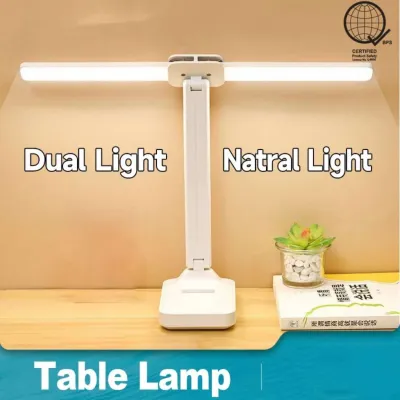
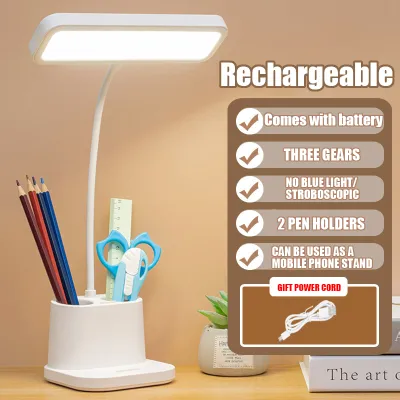
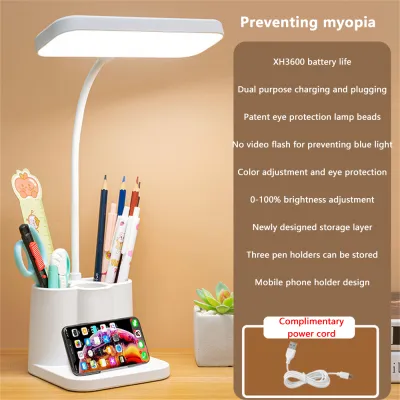
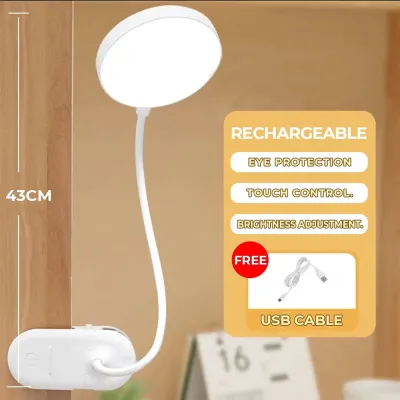
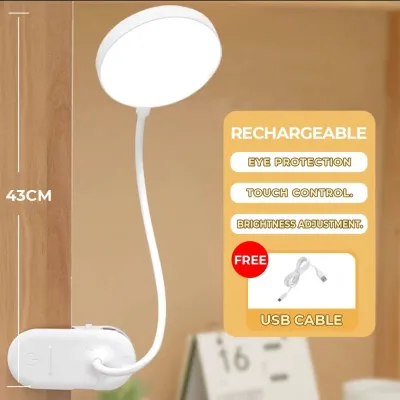

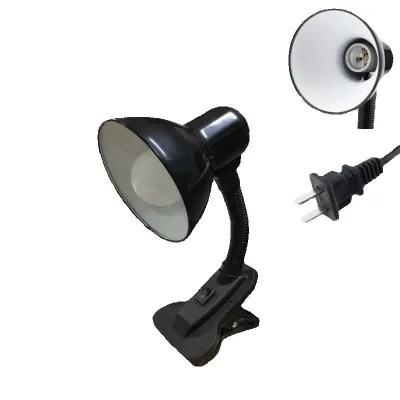
Prices are valid at publication and may change. Please refer to the product page for the latest price.
By controlling light spill, the shade minimizes the contrast gap between your bright monitor and the surrounding desk surface. This balanced visual environment supports sustained mental focus and reduces the sensory fatigue associated with poorly lit workspaces.
Choosing the Right Material for Glare-Free Task Lighting
The material of your lampshade determines whether light is scattered softly into the room or projected directly onto your desk. Selecting the right material density and opacity is essential to turn a basic light fixture into an effective tool for focused work.

Opaque vs. Translucent Materials
Opaque materials like metal, hard plastic, and thick lined fabric are the gold standard for dedicated study lamps. Because these materials block all horizontal light transmission, they force the light to exit exclusively through the top or bottom openings. This creates a highly concentrated, glare-free pool of light directly on your documents or keyboard without bleeding into your peripheral vision.
Translucent materials, such as frosted glass, thin linen, or paper, allow light to pass through the sides of the shade. While this is excellent for creating a warm, cozy atmosphere in a living room, it is less effective for a study table. The light bleeding through the sides can create a bright spot in your field of view, which constantly distracts your eyes and reduces the perceived contrast on your work surface.
The color of the inner lining also plays a critical role in light quality. A white or silver interior lining reflects light efficiently, maximizing the brightness of your bulb and maintaining a neutral color temperature. Conversely, gold, brass, or warm-toned linings absorb more light and shift the color temperature toward a yellow hue, which can distort colors and make reading fine print more difficult during long study sessions.
Heat Management and Glare Reduction
Heat management is a critical safety consideration when choosing a lampshade for study table setups. Fabric and plastic shades can degrade, discolor, or even present a fire hazard if they are placed too close to a high-wattage bulb. Always check the manufacturer’s maximum wattage rating printed on the lamp socket before pairing it with a shade.
The texture of the shade’s interior also affects visual comfort. A glossy, highly reflective interior can create hot spots and uneven light distribution on your desk. Opting for a matte or textured interior finish helps diffuse the light slightly as it exits, reducing harsh glare on glossy paper or polished desk surfaces.
Adequate ventilation is essential for extending the lifespan of both your bulb and the shade itself. Ensure there are sufficient gaps at the top and bottom of the shade to allow hot air to rise and escape. This is particularly important if you are using older incandescent or halogen bulbs, which generate significantly more heat than modern, energy-efficient LED alternatives.
Matching Shade Shapes to Your Desk Layout
The physical geometry of a lampshade dictates how light is distributed across your workspace. Matching the shade shape to your desk size and monitor layout ensures that every tool you need is properly illuminated without creating dark zones.
Cone and Dome Shades for Directed Light
Cone and dome shades feature a narrow top opening and a wide bottom opening, which naturally concentrates light into a highly focused, intense pool. This design is highly effective for precision tasks such as reading physical textbooks, sketching, or performing detailed manual work.
Because the light pool is highly concentrated, these shades require an adjustable lamp base, such as a gooseneck or an articulated swing arm. This adjustability allows you to position the shade precisely where you need it, preventing the light from shining directly into your eyes or reflecting off your computer screen.
One limitation of cone and dome shades is the sharp contrast they create between the brightly lit work area and the rest of the desk. If the surrounding room is completely dark, this high-contrast boundary can cause eye strain over time, making it beneficial to pair your desk lamp with soft ambient room lighting.
Drum and Cylinder Shades for Balanced Illumination
Drum and cylinder shades have vertical sides that distribute light evenly from both the top and bottom openings. This shape provides a wider, more uniform spread of light across a larger surface area, making it ideal for spacious desks, dual-monitor setups, or drafting tables.
To prevent upward light spill from causing distracting reflections on your ceiling or monitors, look for drum shades with opaque top rims or integrated internal baffles. These features help direct the majority of the light downward while keeping the upward glow soft and unobtrusive.
Keep in mind that drum shades generally have a larger physical footprint than cone or dome shades. On a compact or cluttered study table, a large drum shade can feel visually overwhelming and take up valuable desk space, so it is important to balance the scale of the shade with the dimensions of your table.
Essential Specs and Safety Checks Before You Buy
Before purchasing a lampshade for study table use, you must verify its physical compatibility with your existing lamp base. Check whether your lamp uses a harp and finial system, a slip-on fitter that attaches directly to the bulb, or an Uno fitter that sits beneath the socket. Measuring the diameter of the socket and the height of the lamp base ensures the shade will sit securely and at the correct height.
Always verify the electrical specifications of your lamp and bulb combination. Confirm that the shade allows for the use of energy-efficient LED bulbs, which produce minimal heat and are highly recommended for close-up task lighting. Check the maximum wattage limit of the fixture, and never exceed it, even when using LEDs, to prevent electrical overloading or damage to the socket.
The depth of the shade must be sufficient to fully conceal the bulb from your seated eye level. If the bulb protrudes past the bottom rim of the shade, it will create a direct line of sight to the glowing filament or LED element, causing immediate glare and discomfort. Sit at your desk and measure the angle from your eyes to the lamp position to determine the minimum shade depth required.
Finally, prioritize safety by checking for recognized electrical certifications and safety labels on the product packaging or manufacturer’s specifications. Look for marks that indicate compliance with local or international safety standards. If you are installing a fixed-wiring desk fixture or working near damp areas, always isolate the power at the circuit breaker before installation, follow the manufacturer’s instructions carefully, or consult a qualified professional to ensure a safe setup.
Adapting Your Choice to Local Home Environments
In the Philippines, high relative humidity and tropical conditions play a significant role in how materials age. Untreated natural materials like raw rattan, bamboo, or unsealed paper can absorb moisture from the air, leading to warping, mold growth, or structural degradation over time. Instead, opt for treated fabrics, powder-coated metals, or high-quality synthetics that resist moisture and are easy to wipe clean.
Space optimization is another key consideration for many Filipino households, where study tables are often located in shared bedrooms, compact apartments, or multi-purpose living spaces. In these setups, a bulky desk lamp can crowd your workspace. Choosing a compact, low-profile shade or a lamp with a clip-on base allows you to maximize your usable desk area while still achieving excellent task lighting.
Power consumption is a practical concern for households managing monthly utility bills. Pairing your chosen lampshade with a low-wattage, high-lumen LED bulb ensures you get the bright, focused light needed for studying without inflating your electricity costs. This combination provides a sustainable, long-term lighting solution that keeps your workspace cool and comfortable even during warm tropical nights.
Frequently Asked Questions (FAQ)
Can I use a fabric lampshade for my study table?
Yes, you can use a fabric lampshade for a study table, provided the fabric is thick, tightly woven, or lined with an opaque backing. This prevents light from bleeding through the sides and distracting your eyes. Because fabric retains heat more than metal, it is crucial to use low-heat LED bulbs and strictly adhere to the fixture’s maximum wattage limits to prevent scorching or discoloration.
What color should the inside of my lampshade be?
The inside of your study lampshade should ideally be white or a highly reflective neutral shade. A white interior reflects the maximum amount of light downward, providing a crisp, clear, and color-accurate illumination that reduces eye strain during reading and writing. Avoid dark or highly saturated warm-toned interiors for task lighting, as they absorb light and can distort colors, making detailed work more difficult.
Community discussion
Share your experience or ask a question. Comments are reviewed before publication.