
Long study sessions require sustained mental focus, but the physical environment often dictates how long you can comfortably read before fatigue sets in. When setting up a study table, many focus solely on the bulb’s brightness or color temperature, overlooking the critical role of the lampshade. A well-chosen lampshade for study table setups acts as an optical modifier, transforming harsh, concentrated light into a balanced, glare-free glow that supports visual endurance. Selecting the wrong type can lead to high-contrast shadows, direct glare, and rapid eye fatigue, which ultimately cuts study sessions short.
To minimize eye strain, a lampshade must balance two competing needs: providing sufficient illumination on your reading material while shielding your eyes from the raw intensity of the light source. Achieving this balance requires looking closely at how different shapes, materials, and sizes interact with light. By understanding these optical dynamics, you can create a comfortable, productive workspace tailored to long hours of reading, writing, or screen-based work.
Key Features to Look for in a Study Table Lampshade
The primary function of a lampshade on a study desk is to manage the distribution of light so that your eyes do not have to constantly adjust to extreme differences in brightness. Opacity and light diffusion are the first features to evaluate. A completely transparent shade does nothing to soften the bulb’s output, while an overly dense shade might block too much light, forcing you to strain to read fine print. The ideal shade offers a semi-translucent quality that diffuses light outward to gently illuminate the surrounding desk area while directing a stronger, softened beam downward onto your workspace.
Products mentioned in this guide
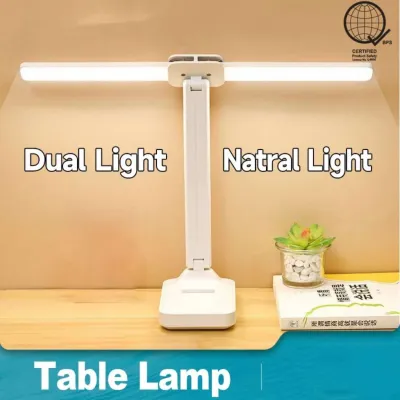
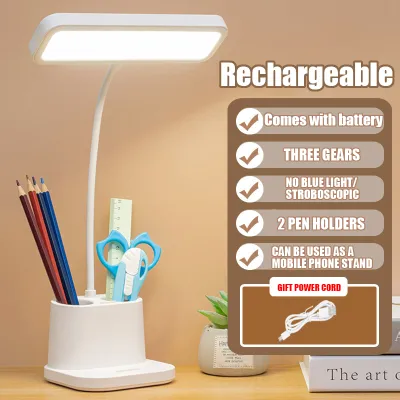
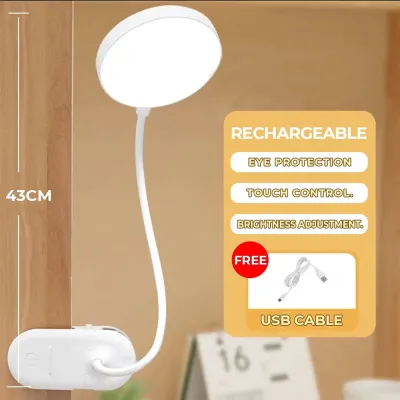
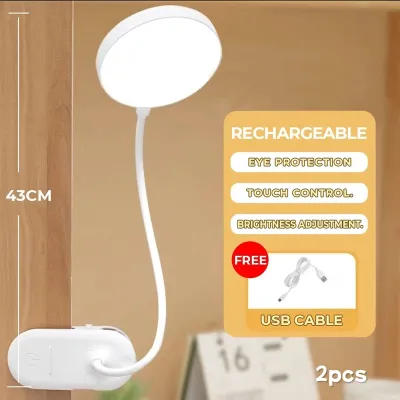
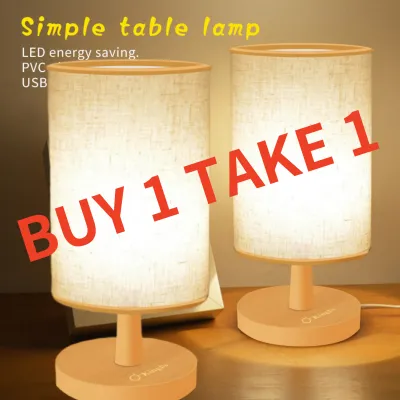
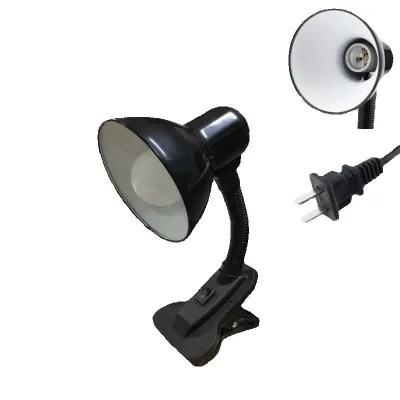
Prices are valid at publication and may change. Please refer to the product page for the latest price.
The interior color and finish of the shade play a major role in how efficiently light is directed. Light-colored interiors, such as white, cream, or soft silver, reflect light highly efficiently, maximizing the output of lower-wattage bulbs without creating localized hotspots. Conversely, dark or highly specular metallic interiors can absorb too much light or create intense, concentrated reflections that bounce off glossy book pages or computer screens, leading to distracting glare.
The physical shape and the width of the bottom opening dictate the beam angle and coverage area. A wide, flared shape like an empire or a coolie shade spreads light over a larger surface area, making it suitable for wide desks where you need to reference multiple books or documents simultaneously. A narrow, cylindrical drum shade concentrates light in a smaller, more focused pool, which is excellent for targeted reading but may require you to position your materials directly under the lamp.
Finally, the texture of the shade material affects how shadows are cast across your desk. Smooth, hard surfaces tend to produce sharp, high-contrast shadow edges when objects like your hands or pens block the light. Textured fabrics or frosted materials scatter the light rays in multiple directions, softening these shadow edges and creating a much more visually comfortable environment for writing and typing.
Lampshade Materials and Their Impact on Reading Comfort
Different materials filter and direct light in distinct ways, directly influencing how comfortable your eyes feel during extended study sessions. Fabric and paper shades are classic choices for task lighting because they naturally diffuse light. Woven fabrics like linen, cotton, or blended fibers allow a soft glow to pass through the sides of the shade, which helps illuminate the immediate room environment and reduces the harsh contrast between a bright desk and a dark room. Paper shades offer a similar, highly uniform diffusion, though they require careful handling to avoid tears and are more susceptible to warping in humid tropical environments.

Glass and acrylic shades offer excellent durability and modern aesthetics, but they require careful selection to prevent eye strain. Clear glass or shiny plastic shades do not block or diffuse light, meaning the bare bulb remains visible to your eyes, which can cause immediate discomfort and glare. If you prefer glass or acrylic, it is essential to choose frosted, etched, or textured finishes. These treatments scatter the light as it passes through the material, effectively hiding the hot spot of the bulb while maintaining a high level of overall brightness.
Metal and other completely opaque shades offer strict directional control, channeling all light through the top or bottom openings. This makes them highly effective for precise task lighting, as they prevent any light from shining directly into your eyes from the sides. However, using an opaque shade creates a high-contrast environment if the rest of the room is dark. To avoid the pupil fatigue associated with constantly looking between a brightly lit page and a dark room, you must pair opaque metal shades with adequate ambient background lighting, such as a soft ceiling light or a secondary floor lamp.
Sizing, Fit, and Safety Checks for Your Study Lamp
Selecting an eye-friendly lampshade is not just about light quality; it also requires verifying physical compatibility and safety standards to ensure reliable operation. Before purchasing, you must identify the fitter type of your lamp base. Common configurations include spider fitters, which rest on a metal harp and are secured with a finial; uno fitters, which thread directly onto the socket; and clip-on fitters, which attach directly to the bulb itself. Ensuring a secure, stable fit prevents the shade from tilting, which could expose the bare bulb to your direct line of sight and cause sudden, blinding glare.
Thermal safety is another critical consideration, particularly in warm, humid climates like the Philippines where heat dissipation can be more challenging. Always check the manufacturer’s maximum wattage rating printed on the lamp socket and ensure your chosen lampshade provides adequate clearance around the bulb. Opaque or tightly enclosed shades can trap heat, potentially damaging the socket, the shade material, or the bulb itself. Maintaining a safe distance between the bulb and the shade material helps prevent overheating and fire hazards.
The physical dimensions of the shade must be carefully matched to your seated eye level. When you are sitting at your study table, the bottom edge of the lampshade should completely conceal the bulb from your direct line of sight. If the shade is too shallow or positioned too high, you will constantly catch glimpses of the bright light source, leading to rapid eye strain. Measure your desk height, lamp base height, and seated eye level to determine the minimum shade depth required to keep the bulb hidden.
If you encounter any uncertainty regarding electrical compatibility, voltage limits, base interfaces, or dimming methods, it is always best to stop and consult the lamp manufacturer or a qualified electrical professional. Attempting to force incompatible components together or exceeding wattage limits can compromise both your safety and the longevity of your lighting setup.
Building Your Shortlist: An Evaluation Checklist for Eye-Friendly Lighting
When shopping for a lampshade for study table use, creating a structured evaluation checklist helps you compare options objectively rather than relying on aesthetic appeal alone. Begin by conducting a visual inspection of how the shade distributes light. If you are testing a lamp in a physical store, turn it on and look for uneven light distribution, visible hotspots, or harsh beam cutoffs on the surface below. A high-quality shade should project a smooth, gradual transition from light to shadow.
Next, cross-reference product labels and manufacturer specifications for technical details. Look for information regarding light transmission percentages or specific optical diffusion claims. While general material assumptions can guide your initial search, relying on official manufacturer specifications ensures you are getting a product designed for comfortable visual performance. Verify that the shade is compatible with your existing bulb’s voltage, base interface, and dimming capabilities if you use a dimmable study lamp.
Evaluate how the shade fits into your overall room lighting strategy. A successful study setup balances focused task lighting with supplementary ambient room lighting to keep your pupils at a comfortable, stable dilation level. If you choose a highly directional shade, ensure you have a plan to light the rest of the room. If you choose a highly diffusive fabric shade, verify that it still directs enough downward light to make reading fine print effortless.
Finally, consider the maintenance and durability of the shade in your specific environment. In tropical regions with high humidity, dust can easily cling to fabric shades, gradually reducing their light transmission and altering the color quality of the light. Choosing materials that are easy to clean and maintain ensures that your study lamp continues to provide clean, comfortable, and safe illumination for years to come.
Frequently Asked Questions (FAQ)
Does the interior color of a lampshade affect reading comfort?
Yes, the interior color of a lampshade significantly influences both the quantity and quality of light projected onto your study table. Light-colored interiors, such as white or soft cream, reflect the maximum amount of light downward, providing bright, even illumination that makes reading easier on the eyes. Dark or black interiors absorb light, reducing the overall efficiency of the lamp and creating a highly concentrated, high-contrast beam that can cause glare on glossy pages or screens. When shopping online, always check the product specifications or interior photos to ensure the lining matches your need for bright, comfortable task lighting.
Can I use a completely opaque metal lampshade for long study sessions?
You can use an opaque metal lampshade, but it requires careful environmental planning to prevent eye strain. Because metal shades block all lateral light, they create a highly focused pool of illumination directly beneath them. If the rest of your study room is dark, your eyes will experience fatigue as they constantly adjust between the bright desk and the dark surroundings. To use an opaque shade comfortably for long sessions, always pair it with soft, ambient background lighting to maintain a balanced contrast level across your entire field of view.
How do I maintain and clean a fabric lampshade without damaging it?
To keep your fabric lampshade diffusing light effectively, establish a regular, gentle cleaning routine to prevent dust buildup. Use dry methods such as a soft-bristled brush, a lint roller, or a vacuum cleaner with a low-suction brush attachment to gently sweep away dust. Avoid using harsh chemical cleaners, wet sponges, or excessive moisture, as these can stain the fabric, rust the internal metal frame, or warp the shade’s shape. Always check the manufacturer’s care label and instructions before attempting any spot cleaning or wet maintenance.
Community discussion
Share your experience or ask a question. Comments are reviewed before publication.