
Studying late into the night often requires a delicate balance between focus and comfort. When your eyes are tired or you are working primarily on a laptop, tablet, or monitor, harsh overhead lighting or intense, focused desk lamps can cause significant visual fatigue and screen glare. Finding the right lampshade for study table dim lighting setups can transform your evening productivity, creating a gentle, glare-free ambient glow that softens the raw output of your light bulb and distributes it evenly across your workspace.
By choosing materials that diffuse light and shapes that direct it away from your eyes, you can establish an inviting, low-stress environment. Whether you are reviewing notes, typing a paper, or winding down with a novel, the right setup keeps your workspace functional without overwhelming your senses.
Why Choose Dim, Soft Lighting for Your Study Table?
High-intensity task lighting is designed for detailed, focused work, such as drafting architectural plans, sewing, or reading small print on physical documents. While highly effective for those specific tasks, intense light can become counterproductive during casual reading, brainstorming, or screen-based work. When a computer screen is the brightest object in a dark room, the stark contrast forces your eyes to adjust constantly, leading to fatigue and discomfort.
Products mentioned in this guide
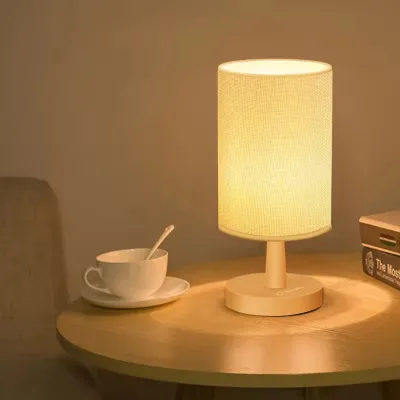
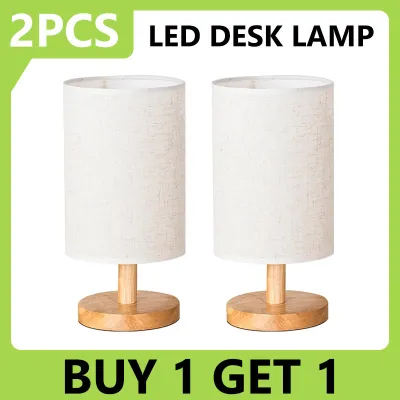
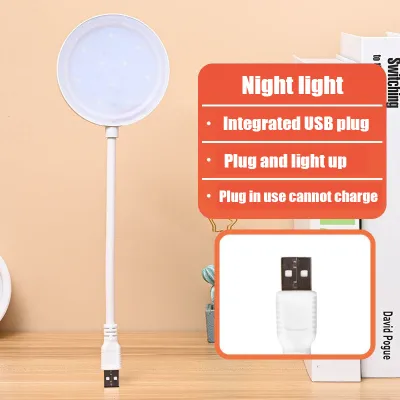
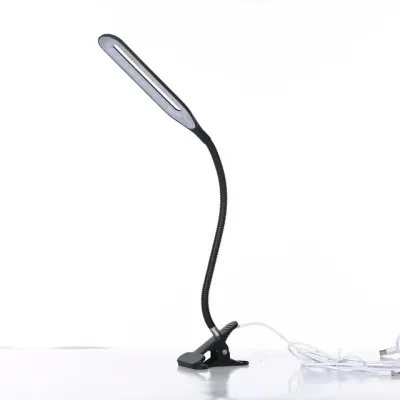
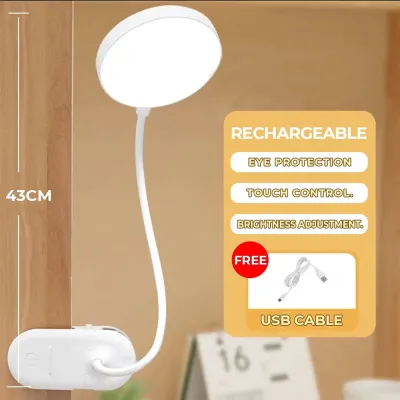
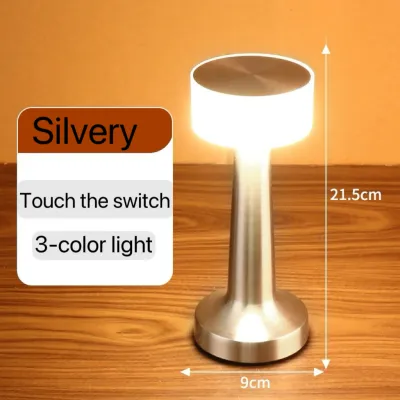
Prices are valid at publication and may change. Please refer to the product page for the latest price.
Choosing a dim, soft lighting setup helps bridge this contrast gap. By introducing a gentle layer of ambient background light, you soften the visual transition between your bright screen and the surrounding room. This balanced environment reduces the harsh glare reflecting off your monitor, allowing you to focus on your work for longer periods without strain.
Furthermore, soft lighting plays a significant role in setting a calm mood. Late-night study sessions are much more productive when your workspace feels cozy rather than clinical. Muted, warm illumination helps lower your stress levels and signals to your mind that it is time to focus calmly, making it easier to transition to sleep once your work is finished.
Design Features of a Lampshade for Study Table Dim Lighting
To find a lampshade that successfully dims and softens your desk light, you need to understand the physical design features that control how light behaves. Evaluating these properties allows you to select a shade based on performance rather than just aesthetics.

Material Translucency
The material of your lampshade acts as the primary filter for the light bulb. Semi-transparent materials, such as woven linen, cotton, rice paper, or frosted glass, act as natural diffusers. Instead of allowing light rays to travel in a direct, harsh path from the bulb, these materials scatter the rays in multiple directions. This scattering effect softens the light, eliminating hard shadows on your desk and creating a smooth, gradual transition from light to shadow.
Lining and Color
The interior lining of a lampshade is just as critical as its outer material. Light-colored linings, such as white, cream, or soft gold, allow light to bounce around inside the shade and pass through the fabric, resulting in a fully glowing shade that illuminates the surrounding air. In contrast, dark or opaque linings—such as black, deep bronze, or charcoal—absorb the light traveling sideways. This keeps the sides of the shade dark and channels the light exclusively through the top and bottom openings, creating a highly controlled, soft pool of light on your desk surface.
Shape and Light Direction
The geometry of a lampshade determines where the light is directed. A drum shade, which features straight vertical sides, diffuses light in a 360-degree circle around the lamp while letting a balanced amount escape from the top and bottom. This is ideal for general ambient desk light. An empire or bell shade, which tapers at the top and flares at the bottom, directs a larger, more focused pool of light downward. If you want a dim room environment but still need a specific area of your desk illuminated for writing, a tapered shape with a semi-translucent material offers an excellent compromise.
Best Lampshade Styles for a Soft, Ambient Desk Glow
Different lampshade styles offer unique ways to filter light. Depending on your aesthetic preferences and study habits, several designs are highly effective at producing a dim, soft glow.
Fabric Drum Shades for Even Diffusion
Fabric drum shades are a classic and highly versatile option for modern or minimalist study tables. Their symmetrical, cylindrical shape ensures that light is cast uniformly across your desk and the surrounding walls. Woven fabrics like linen, cotton, or blended textiles introduce a subtle, organic texture that breaks up the light, giving it a soft, premium quality.
When selecting a fabric drum shade, pay close attention to the density of the weave. A loose linen weave allows more light to pass through for a gentle, visible glow, while a tight, heavy cotton or canvas weave will dim the light significantly, keeping the illumination low and focused. This style fits beautifully on contemporary wooden or metal desk lamps, offering a clean, uncluttered look that helps maintain a tidy workspace.
Pleated and Textured Paper Shades
If you want a softer, more textured aesthetic, pleated and textured paper shades are exceptional at scattering light. The accordion-like folds of a pleated paper shade create alternating patterns of light and shadow, which naturally breaks up direct glare and softens the overall output. Textured papers, such as handmade mulberry paper or traditional rice paper, contain visible fibers that diffuse light beautifully, giving the desk area a warm, cozy, and almost rustic feel.
These shades are lightweight and highly effective at dimming, making them perfect for relaxed reading corners or quiet study nooks. However, because paper is sensitive to heat, it is vital to check the maximum wattage limit of your lamp base and use low-emission LED bulbs to prevent any safety hazards.
Frosted or Ribbed Glass Shades
For those who prefer a sleek, modern look that is exceptionally easy to maintain, frosted or ribbed glass shades are a superb alternative to fabric and paper. Glass shades treated with acid-etching or frosting obscure the bare bulb inside, spreading a smooth, milky light across your desk. Ribbed glass features molded ridges that refract the light, casting subtle, elegant shadow lines on your workspace while keeping the overall intensity low.
In humid or dusty environments, glass is highly practical because it does not trap dust, mold, or moisture like fabric or paper. It can be easily wiped clean with a dry or slightly damp cloth. Because glass is non-flammable, it also eliminates the heat-clearance worries associated with paper or delicate textiles.
Opaque Shades with Dark Inner Linings
When your primary goal is to keep the room dim while casting a highly concentrated, soft light onto your study materials, an opaque shade with a dark inner lining is the ideal solution. These shades are typically made of metal, thick painted canvas, or dense wood veneer, which completely blocks light from passing through the sides.
The interior lining, finished in matte black, dark bronze, or charcoal, absorbs the stray light rays rather than reflecting them harshly. This directs a controlled, glare-free beam of light straight down onto your notebook or keyboard. This setup is highly recommended for students or professionals who share a room, as it minimizes light spill and allows you to study late into the night without disturbing others sleeping nearby.
Pairing Your Lampshade with the Right Bulb
No matter how well-designed your lampshade is, the bulb inside determines the baseline quality, color, and intensity of the light. To achieve a truly soft, dim environment, you must pair your shade with the correct light source.
- Color Temperature: Opt for warm white bulbs, which generally range between 2700K and 3000K on the Kelvin scale. This warm, golden hue mimics the gentle light of sunset, which is soothing to the eyes and helps create a relaxing study atmosphere. Avoid cool white or daylight bulbs (5000K to 6500K) for ambient lighting, as their bluish tint can feel clinical and harsh, even when filtered through a thick shade.
- Brightness and Wattage: To keep the light dim, focus on the lumen rating rather than just the wattage. For a soft ambient glow, a bulb emitting 200 to 400 lumens (roughly equivalent to a 25-watt to 40-watt traditional incandescent bulb) is usually sufficient. If you are using energy-efficient LED bulbs, this translates to a very low wattage, typically around 3 to 5 watts, which keeps energy consumption minimal.
- Smart and Dimmable Options: To get the most utility out of your study table lamp, consider installing a dimmable smart LED bulb. Smart bulbs allow you to adjust the brightness levels directly from your smartphone or a remote control, giving you the flexibility to transition from a dim, ambient glow for screen-based work to a slightly brighter setting for reading physical textbooks. Before purchasing, verify that your desk lamp base supports dimmable bulbs and that the physical dimensions of the smart bulb will fit comfortably within your chosen lampshade.
Sizing, Fit, and Safety Checks for Desk Lamps
Before purchasing a new lampshade, it is essential to perform a few quick measurements and safety checks to ensure a secure, hazard-free installation on your study table.
First, identify your lamp’s fitter type. The most common types are spider fitters (which sit on a metal U-shaped harp and are secured with a finial), uno fitters (which thread directly onto the lamp socket below the bulb), and clip-on fitters (which attach directly to the glass of the bulb itself). Measure the height of your lamp base and the length of the harp to ensure the lampshade is proportionate. A general rule of thumb is that the lampshade should cover the internal hardware and the socket without exposing the bare bulb when you are seated at your desk.
Safety is paramount when dealing with lighting fixtures. Ensure there is at least 1 to 2 inches of clearance between the bulb and the inner walls of the lampshade. This gap allows heat to dissipate, preventing the shade material from scorching or becoming a fire hazard. Always check the manufacturer’s maximum wattage rating printed on the lamp socket; never install a bulb that exceeds this limit, especially when using paper, fabric, or plastic shades.
If you are sourcing lamps, smart bulbs, or dimmers online, always verify their electrical specifications. In the Philippines, the standard household electrical system operates at 220V to 240V at 60Hz. Ensure that any integrated electronics, smart plugs, or dimmable adapters are rated for 220V to prevent short circuits, overheating, or permanent damage to your devices. Look for local safety certifications, such as the Philippine Standard (PS) mark or Import Commodity Clearance (ICC) sticker, to guarantee the electrical components meet national safety regulations.
Frequently Asked Questions (FAQ)
Can I use a dimmer switch with any desk lamp?
Standard on/off desk lamps are not designed to work with traditional wall-mounted dimmer switches. Attempting to use a standard lamp with an incompatible dimmer can damage the bulb or the lamp’s internal wiring. If you want dimming capabilities, the easiest solution is to plug your lamp into a compatible plug-in dimmer module or, even simpler, install a dimmable smart bulb that can be controlled wirelessly via an app.
What lampshade color is best for reducing screen glare?
Dark, opaque lampshades, such as navy, black, or dark grey, are the most effective at reducing screen glare. Because these shades block light from scattering sideways, they prevent light from reflecting off your computer monitor or shining directly into your eyes. For the best results, position your desk lamp to the side of your screen or slightly behind it, rather than directly in front of or behind your seating position, to keep your visual field clear and glare-free.
Community discussion
Share your experience or ask a question. Comments are reviewed before publication.