
Large LED number signs have transitioned from commercial storefronts directly into modern residential interiors, serving as bold design statements, functional address markers, and personalized ambient lighting. In the Philippines, where contemporary condo living and expressive interior styling are rapidly growing, these luminous installations offer a striking way to personalize a living space. Whether you are highlighting a lucky number, commemorating a significant year, or adding a glowing house number to your townhouse facade, selecting the right sign requires balancing aesthetics with physical and electrical practicalities.
To find the best large LED number signs for your home, you must look beyond mere visual appeal. The ideal choice combines high-quality, heat-resistant materials capable of withstanding tropical humidity, a power configuration compatible with the local electrical grid, and a physical scale that complements your room’s architecture. By evaluating these key factors, you can introduce a vibrant focal point that enhances your home’s atmosphere without overwhelming your existing decor.
How to Choose the Right Size and Scale for Your Space
Selecting a sign with the primary keyword meaning of led numbers big size requires careful planning to ensure the installation looks intentional rather than accidental. The first step is to measure the target wall space precisely. To maintain visual balance, calculate the ideal sign-to-wall ratio. As a general rule of thumb, a large decorative sign should occupy between 30% and 50% of the available horizontal wall width. If you place a massive 90-centimeter sign on a narrow partition wall, the room will feel cramped and visually congested. Conversely, a sign that is too small will look lost and lose its design impact.
Products mentioned in this guide

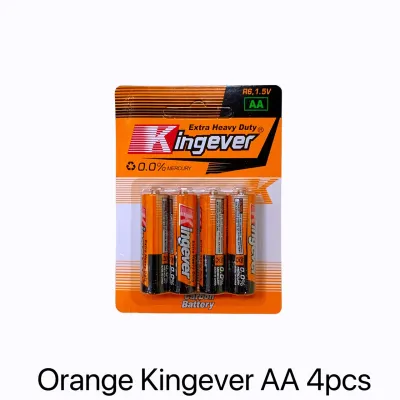
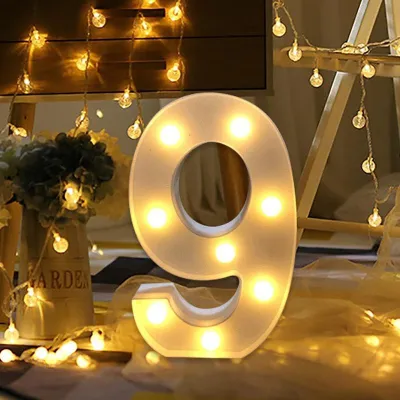
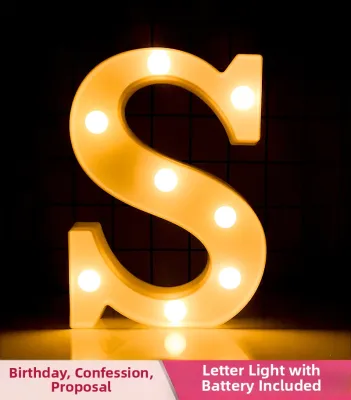
Prices are valid at publication and may change. Please refer to the product page for the latest price.
Viewing distance is another critical factor that dictates how big-sized numbers behave in a residential setting. For standard condominium units with cozy living areas, a height of 30 to 45 centimeters (approximately 12 to 18 inches) is highly readable from across the room without causing eye strain or excessive glare. If you are decorating a spacious open-concept home, a high-ceilinged loft, or an outdoor patio area, you can comfortably scale up to 60 or 90 centimeters (24 to 36 inches). Consider the distance from which family members and guests will primary view the sign; larger dimensions require longer sightlines to be appreciated fully.
The visual weight of different fonts and thicknesses also plays a major role in condo ambient lighting setups. Bold, blocky numbers with thick outlines possess heavy visual weight, making them the absolute focal point of the space. These designs work best as standalone features on minimalist walls. On the other hand, thin, delicate script fonts or hollow outline designs have a lighter visual weight. These elegant options blend more seamlessly with surrounding furniture, allowing you to layer your lighting with floor lamps, cove lights, and sconces without creating visual chaos.
Finally, consider how the color temperature of the LEDs interacts with your existing room decor and paint colors. Warm white light (ranging from 2700K to 3000K) emits a cozy, relaxing glow that beautifully complements natural wood finishes like narra or mahogany, as well as warm paint shades like cream, beige, and terracotta. Cool white or daylight hues (5000K to 6500K) deliver a crisp, energetic vibe that pairs perfectly with modern industrial aesthetics, concrete finishes, and cool gray walls. If your room features vibrant accent colors, coordinate the LED output so it does not wash out or clash with your wall paint under nighttime conditions.
Top Design Categories for LED Numbers Big Size
When exploring large LED number signs for your home, organizing your options by design category helps narrow down the best style for your specific interior theme. Rather than focusing on unverified brand names, evaluate these three distinct aesthetic categories based on construction, light output, and overall visual impact.

Marquee-Style Vintage Numbers
Marquee-style numbers bring the classic, nostalgic charm of old-school cinema and Broadway theaters directly into your living space. These signs are characterized by their deep, dimensional housings that hold individual light sources arranged along the shape of the number.
- Construction Materials: These signs typically feature robust metal housings—often treated with rust-resistant powder coatings to withstand humid tropical air—or heavy-duty molded plastics designed to mimic vintage steel. The face of the sign features exposed bulb sockets.
- Best Use Cases: Marquee numbers are exceptionally well-suited for entertainment rooms, home bars, retro-themed living spaces, or dedicated party zones where they can serve as a dramatic, nostalgic centerpiece.
- Limitations and Considerations: Because of their structural depth and metal components, marquee signs are significantly heavier than other LED options, requiring heavy-duty wall anchors for safe mounting. Additionally, while traditional marquee signs used incandescent bulbs that generated uncomfortable heat, modern residential versions must utilize LED retrofit bulbs to keep energy consumption low and prevent raising the ambient temperature of your room.
Modern Minimalist Acrylic LED Numbers
For sleek, contemporary homes and high-rise condominiums, modern minimalist acrylic signs offer a clean, sophisticated alternative to bulky vintage designs. These signs prioritize clean lines and subtle illumination.
- Construction Materials: These signs utilize high-grade, laser-cut acrylic backing boards paired with embedded LED strips. They are often designed as edge-lit or backlit panels, creating a stunning halo effect that makes the numbers appear to float effortlessly against the wall.
- Best Use Cases: This style is ideal for minimalist living rooms, home offices, sleek hallways, or any space where you want to introduce subtle, low-glare ambient lighting that enhances the architectural lines of your home.
- Limitations and Considerations: Acrylic surfaces are highly reflective. If you mount an edge-lit acrylic sign on a glossy wall or directly opposite a large window, you may experience distracting glare and reflections. For the best visual result, install these signs on flat, matte, or untextured walls so the light diffuses smoothly across the surface without highlighting wall imperfections.
Flexible Neon Rope Number Signs
Flexible LED neon rope signs provide the vibrant, continuous glow of traditional glass neon tubes without any of the associated safety hazards, fragility, or high operating temperatures.
- Construction Materials: These signs are constructed using flexible silicone sleeves packed with dense arrays of light-emitting diodes. The silicone acts as a high-performance diffuser, creating a seamless line of light. This flexible tubing is mounted onto a supportive backing plate.
- Best Use Cases: Neon rope signs are perfect for adding energetic color accents to bedrooms, gaming setups, creative home studios, or eclectic living areas where a pop of vibrant light is desired.
- Limitations and Considerations: The quality of the backing board is critical to the sign's longevity. Premium options use thick, clear acrylic backings that remain rigid and invisible when mounted. Avoid cheap PVC backing boards, which are prone to warping in high tropical humidity, yellowing under indirect sunlight, and cracking over time.
Essential Safety and Installation Checks for Big Signs
Installing a large, luminous fixture on your wall requires strict attention to physical and electrical safety. Because large LED signs represent both a physical weight and an active electrical load, taking shortcuts during installation can lead to damaged walls, falling hazards, or electrical failures.
Weight management is your first priority, and your mounting strategy must match the specific wall construction of your Philippine home. Many traditional houses and ground-floor partitions are built using solid concrete or concrete hollow blocks (CHB), whereas modern high-rise condominiums frequently utilize drywall or gypsum board partitions.
- For Concrete Walls: You must use a hammer drill to create pilot holes, insert high-quality plastic wall plugs (commonly referred to locally as tox), and secure the mounting screws firmly into the plugs. For exceptionally heavy marquee signs, expansion bolts provide the necessary structural security.
- For Drywall Partitions: Never attempt to mount a heavy sign using standard wood screws driven directly into the plasterboard. Instead, use specialized toggle bolts or heavy-duty threaded drywall anchors that expand behind the board to distribute the weight. Whenever possible, locate the internal metal studs and secure your mounting brackets directly to them.
Electrical compatibility is another critical factor that requires careful verification. The standard domestic power supply in the Philippines is 220V at 60Hz. When purchasing large LED signs—especially those imported from overseas—you must verify that the included power adapter or transformer is rated for input voltages up to 240V and supports a 60Hz frequency. Using a 110V-only power supply on a local 220V circuit will cause immediate, irreversible damage to the adapter, posing an immediate fire hazard. Additionally, check that the plug type matches your wall outlets (typically Type A or Type B flat-pin configurations) to avoid relying on unstable, loose-fitting universal adapters.
Proper heat dissipation is essential for maintaining the lifespan of your LEDs and protecting your home’s surfaces. Although LEDs are highly efficient, large arrays and high-wattage power supplies still generate localized heat. If a sign is mounted completely flush against a painted wall or wallpaper, trapped heat can cause the paint to discolor, bubble, or peel over time. To prevent this, use small rubber or plastic spacers (often supplied with premium signs) to maintain a gap of at least 5 to 10 millimeters between the back of the sign and the wall, allowing air to circulate freely.
Know when to step away from a DIY installation and hire a licensed professional electrician. If your design plan involves hardwiring the LED sign directly into your home’s electrical circuit, routing power cables behind concrete walls (wall chasing), or mounting a massive fixture at a significant height—such as in a double-height living room or stairwell—professional installation is mandatory. A qualified electrician will ensure all wiring complies with the Philippine Electrical Code, reducing the risk of short circuits and electrical fires.
Lastly, always check the power adapter for recognized safety marks before plugging it in. Look for local quality marks like the Philippine Standard (PS) safety certification or the Import Commodity Clearance (ICC) sticker. For imported components, verify reputable international certifications such as UL, CE, or RoHS. Avoid unbranded, ultra-cheap power supplies that lack short-circuit, overload, and over-temperature protection, as these low-grade components are a primary cause of electrical failures in domestic settings.
Where to Buy and What to Verify Before Checkout
Navigating online marketplaces and local lighting boutiques for large LED signs requires a methodical approach to ensure you receive a durable, high-quality product rather than a poorly constructed imitation.
When shopping on online marketplaces, evaluating seller credibility is your first line of defense. Do not rely solely on the overall star rating of a store. Instead, dive deep into the verified customer reviews, specifically filtering for reviews that include photos and videos. Examine these customer uploads closely to assess the actual build quality, the neatness of the silicone glue work, and the thickness of the backing plate. Pay close attention to feedback regarding how the item was packaged for shipping, as large acrylic and metal signs are highly vulnerable to rough handling during transit.
Before finalizing your purchase, carefully review the seller’s return policies and warranty coverage. Because oversized decorative items are prone to cracking, bending, or electrical damage during local courier transport, ensure the merchant offers a clear, hassle-free replacement policy for items damaged upon arrival. For custom-made or personalized number signs, confirm if there is a limited warranty covering the LED strips and power adapters for at least 6 to 12 months. Reputable custom manufacturers will confidently stand behind their craftsmanship with a formal warranty.
Directly message the seller before checkout to verify the electrical specifications of the product. Explicitly ask if the package includes a localized power adapter designed for 220V/60Hz operation with a standard Philippine flat-pin plug. If you are importing a sign directly from a country that uses 110V, you must factor in the additional cost and space required for a dedicated step-down transformer. Confirming these details in writing beforehand prevents frustrating compatibility issues when your package arrives.
Finally, actively avoid unbranded listings that offer suspiciously low prices and omit essential product specifications. A reliable listing should clearly state the estimated LED lifespan (typically between 30,000 and 50,000 operating hours), the total wattage of the sign, the thickness of the acrylic backing (ideally 5mm or thicker for structural stability), and the materials used. Investing slightly more in a transparent, well-documented product from a specialized lighting retailer ensures that your large LED number sign remains a safe, beautiful, and long-lasting addition to your home.
Frequently Asked Questions (FAQ)
Can I use large LED number signs outdoors?
Most decorative indoor LED number signs are not designed for outdoor use and should remain strictly inside. Standard indoor signs lack the necessary Ingress Protection (IP) rating required to keep out dust and water; outdoor installations require a minimum rating of IP65 to safely withstand heavy tropical rains and high humidity.
Furthermore, direct exposure to intense tropical sunlight can cause rapid UV degradation. This exposure quickly yellows clear acrylic backing plates and causes silicone neon sleeves to become brittle and crack. Most importantly, using non-waterproof electrical connections, power adapters, and plugs outdoors poses a severe risk of short circuits, electrical shocks, and fire hazards during wet weather.
Do big LED signs consume a lot of electricity?
Large LED signs are remarkably energy-efficient, especially when compared to traditional glass neon tubes or old-fashioned incandescent marquee bulbs. A typical large LED neon sign or modern acrylic sign consumes between 20 and 60 watts of power, depending on its size and brightness level.
To estimate your electricity consumption, multiply the sign’s wattage by the number of hours you plan to run it daily, then apply your local utility rate. For example, running a 40-watt sign for 6 hours a day consumes approximately 0.24 kilowatt-hours (kWh) of electricity, which translates to a very negligible cost per week. To manage your energy consumption even more efficiently, consider plugging the sign into a smart plug to automate daily on and off schedules, or choose a model equipped with a built-in dimmer to reduce both light output and power consumption when full brightness is not required.
Community discussion
Share your experience or ask a question. Comments are reviewed before publication.