
Choosing the right table lamp led light for studying and working from home in the Philippines involves balancing optical safety with functional adjustability. There is no single ideal lamp for every desk; instead, the right choice depends on your specific workspace layout and primary tasks.
To find your perfect match, start by assessing your desk space and identifying whether you spend more time reading printed materials or working on a computer screen. Next, verify that the lamp meets non-negotiable optical specifications, such as flicker-free performance and glare reduction. Finally, allocate the remainder of your budget to physical ergonomics, build materials, or smart features.
If you are working with a tight budget, always prioritize a high-quality LED driver and a protective diffuser over aesthetic designs or smart connectivity. Investing in eye comfort will always yield better long-term productivity than choosing a stylish but optically poor lamp.
Products mentioned in this guide
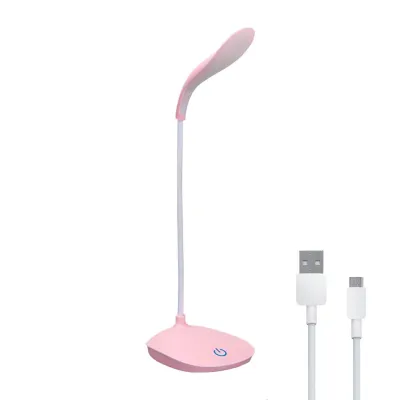
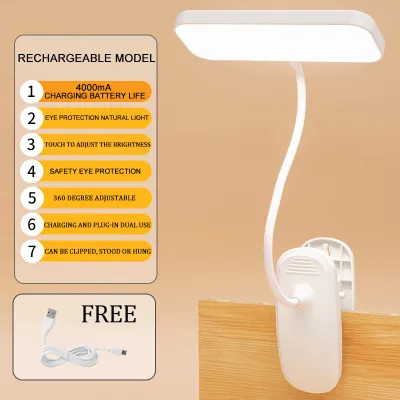
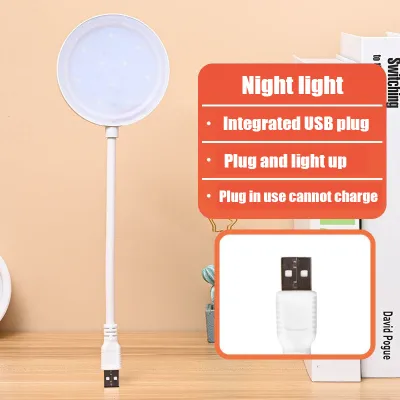
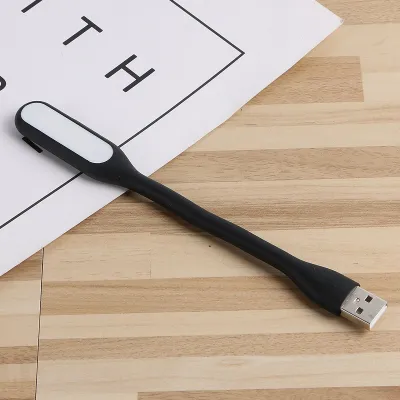
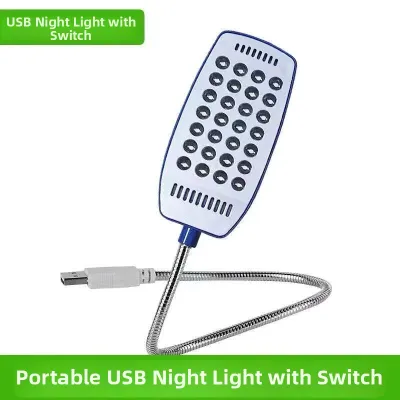
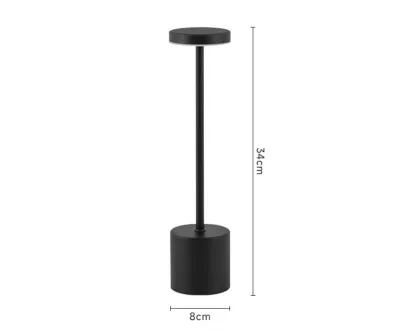
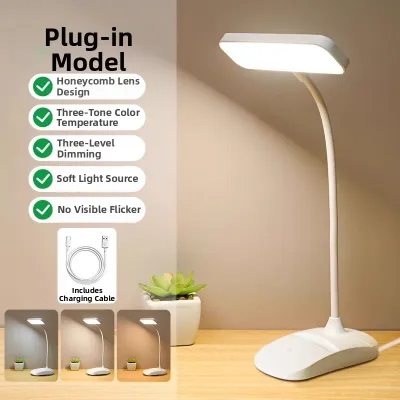
Prices are valid at publication and may change. Please refer to the product page for the latest price.
Non-Negotiable Lighting Specs for Studying and WFH
Before browsing online marketplaces or local appliance stores, you must understand the essential technical specifications of task lighting. A high-quality table lamp led light is a critical tool for preserving your eye health during long hours of focus.
Illuminance and Uniformity
High brightness alone does not make a good study lamp. If a lamp creates a single, intense hotspot while leaving the rest of your desk in darkness, your eyes must constantly adjust as you look back and forth between your work and your surroundings. This continuous pupillary adjustment causes rapid eye strain and fatigue.
Look for lamps designed to distribute light evenly across your entire working area. Check product specifications or user reviews for mentions of wide beam angles and built-in diffusers. High-quality diffusers scatter the light, softening harsh shadows and ensuring that your books, notes, and keyboard receive uniform illumination.
Color Temperature and CRI
Color temperature, measured in Kelvin (K), dictates the color appearance of the light. For studying and working, a lamp with adjustable color temperature is highly beneficial. Cool white light, typically around 5000K, promotes alertness and focus during morning sessions. Warm white light, around 3000K, is gentler on the eyes during late-night tasks and helps your body wind down for sleep.
The Color Rendering Index (CRI, expressed as Ra) measures how accurately a light source reveals the true colors of objects compared to natural sunlight. For reading printed materials, sketching, or analyzing colored documents, prioritize a CRI of 80 or higher. An ideal score of 90 or above significantly reduces visual fatigue by rendering text and images with high clarity and contrast.
Flicker-Free and Anti-Glare Design
Many low-quality LED lamps suffer from high-frequency flicker caused by cheap internal drivers. While this flicker is often invisible to the naked eye, your brain still registers it, leading to unexplained headaches, dry eyes, and mental fatigue after a few hours of work. Always verify that a manufacturer explicitly certifies a lamp as “flicker-free.”
Direct glare from exposed LED beads can cause immediate discomfort. To prevent this, select lamps that feature frosted diffusers, honeycomb louvers, or indirect optical designs. These features prevent the bright light source from shining directly into your eyes or bouncing harshly off your computer monitor, protecting your vision during long sessions.
Budget Tiers: What to Expect and Where to Compromise
Navigating the market for a table lamp led light in the Philippines requires understanding what features are available at different price points. Setting realistic expectations helps you avoid overpaying for unnecessary smart features or underinvesting in optical safety.

Entry-Level: Focusing on the Optical Basics
At the entry-level tier, which typically ranges up to around ₱800, your primary goal is to secure basic eye safety. You should expect a functional, straightforward LED light source with simple manual controls, such as a single touch button or a physical toggle switch. The physical structure is usually made of lightweight plastics with a basic folding or flexible gooseneck arm.
When buying at this price point, you must carefully verify flicker-free claims and ensure the presence of a basic frosted diffuser. Do not compromise on these optical basics. Instead, prepare to compromise on physical adjustability. Entry-level lamps often feature limited pivot axes, lighter bases that require careful placement to prevent tipping, and either fixed color temperatures or only a few preset brightness levels.
Mid-Range: Balancing Ergonomics and Build Quality
Moving into the mid-range tier, which generally spans from ₱800 to ₱2,500, you will find the sweet spot for most work-from-home professionals and students. These lamps transition from cheap plastics to sturdier materials, often incorporating aluminum alloy accents and heavier, weighted bases that keep the lamp stable even when fully extended.
Expect advanced physical adjustability, such as multi-axis rotating heads and double-jointed arms with high-quality damping that holds its position over time. Optically, these models offer smoother, step-less dimming transitions and multi-segment color temperature adjustments. They also tend to provide higher CRI values, typically 90 or above. The main compromises here are the lack of premium automated features, such as smart environmental sensors or advanced asymmetric optical designs.
Premium: Advanced Optics and Precision Adjustability
The premium tier, starting above ₱2,500 and reaching well over ₱5,000, is designed for demanding professional setups and intensive study environments. At this level, you are paying for cutting-edge optical engineering and premium materials. Expect aerospace-grade aluminum construction, precision-engineered counterbalanced joints, and sleek, minimalist designs that elevate your workspace.
The standout feature of premium lamps is often asymmetric light distribution, which projects light at a precise angle to illuminate your desk without casting any light directly onto your computer screen. You will also find auto-dimming sensors that continuously read the ambient light in your room and adjust the lamp’s output to maintain a constant, comfortable level of illumination. Before investing, verify the durability of the mechanical joints and ensure the smart features align with your daily workflow.
Electrical Safety and Climate Checks in the Philippines
Operating electrical appliances in the Philippines presents unique challenges due to local grid characteristics and tropical weather conditions. Ensuring your table lamp led light can withstand these factors is crucial for both safety and product longevity.
Voltage and Plug Compatibility
Always verify that the lamp’s power adapter or integrated driver is rated for 220V AC power at 60Hz, which is the standard electrical supply in the Philippines. Using a lamp designed solely for 110V grids without a proper transformer will destroy the internal circuitry and pose a severe fire hazard.
Additionally, check the plug type supplied with the lamp. Flat two-pin plugs (Type A) and round two-pin plugs (Type C) are the most common in local households. Avoid relying on cheap, loose travel adapters to bridge incompatible plugs, as poor connections can cause electrical arcing, overheating, and intermittent power delivery.
Heat and Humidity Considerations
The tropical climate of the Philippines, characterized by high ambient temperatures and intense humidity, can accelerate the degradation of electronic components. LED drivers generate internal heat, and if this heat cannot escape, the lifespan of the LED chips will be drastically shortened.
Look for lamps that incorporate effective heat dissipation designs, such as aluminum housings or dedicated metal heat sinks behind the LED panel. Avoid cheap, unbranded plastic lamps that trap heat. Over time, high humidity and heat can cause low-grade plastics to degrade, turn yellow, or develop a sticky, unhygienic surface texture.
Certification and Warranty Boundaries
Prioritize lamps that carry recognized electrical safety certifications, such as the Philippine National Standard (PNS) or international equivalents like CE, RoHS, or UL. These marks indicate that the product has undergone rigorous safety testing for insulation, fire resistance, and electrical stability.
Since many modern desk lamps feature integrated LED modules that cannot be easily replaced by the user, local warranty terms are highly important. Verify if the manufacturer or local distributor offers a clear warranty period, ideally at least one year. If a product lacks clear electrical specifications or safety labels on the packaging, consult the manufacturer or a qualified professional before plugging it into your wall outlet.
Ergonomic and Smart Upgrades: When to Increase Your Budget
If you have extra room in your budget, certain premium features can significantly improve your daily productivity and eye comfort. Understanding which upgrades offer genuine utility helps you make an informed decision.
Asymmetric Light Distribution
Standard desk lamps cast light in a wide cone, which often spills onto your computer monitor. This causes intense screen glare and reflections that force your eyes to strain to read the text underneath. Asymmetric light distribution solves this by using a specialized optical lens or reflector that directs light forward and downward at a precise angle.
This design illuminates your keyboard and physical documents perfectly while keeping the computer screen completely dark and glare-free. If your daily routine involves spending hours looking at a monitor while referencing physical notes on your desk, investing in an asymmetric lamp or a monitor light bar is highly recommended.
Auto-Dimming and Ambient Sensors
Lamps equipped with auto-dimming technology feature a small ambient light sensor on the base or head. As the natural daylight in your room fades from afternoon to evening, the sensor detects the change and automatically increases the lamp’s brightness to maintain a balanced, pre-set illumination level.
While this feature provides hands-free convenience and prevents you from working in a gradually darkening room without noticing, it is a subjective upgrade. Some users prefer to maintain complete manual control over their lighting environment, adjusting levels based on their specific mood or task. If you prefer manual consistency, you can safely skip this feature and save your budget.
Physical Adjustability and Footprint
A lamp’s physical footprint can make or break your desk organization, especially in compact work-from-home setups. If your desk is small or cluttered with books, monitors, and paperwork, paying extra for a lamp with a clamp-on mount or a heavy, ultra-compact base is highly practical.
Long, articulating arms with multiple tension-adjustable joints allow you to position the light source exactly where you need it, whether you are sketching on a flat surface or typing on a raised laptop. This physical flexibility keeps the light source high enough to stay out of your field of vision while maximizing the usable space on your desk surface.
Frequently Asked Questions (FAQ)
How far should an LED desk lamp be placed from my monitor or books?
For optimal comfort, position your desk lamp so that the light source is slightly above your eye level and placed to the side opposite your dominant hand. This placement prevents your hand from casting shadows across your writing or reading materials. To avoid screen glare, angle the lamp head so that the light path does not reflect directly off your monitor or glossy paper into your eyes.
Can I replace the LED bulbs in modern desk lamps?
Most modern, slim LED desk lamps feature integrated LED modules that are soldered directly to the internal circuit board. These modules are designed to last for 25,000 to 50,000 hours, meaning they rarely fail during normal use but cannot be easily replaced if they do. If you prefer long-term repairability, look for desk lamps that use standard screw-in LED bulbs, such as E27 bases, which allow you to easily replace the bulb yourself whenever needed.
Is a higher wattage always better for studying?
No, higher wattage does not guarantee better task lighting. Wattage simply measures the amount of electrical power a lamp consumes, not the amount of light it produces. A well-engineered 10W LED lamp with high-quality optics, efficient light-emitting diodes, and a good diffuser can deliver brighter, more focused, and more comfortable illumination than a poorly designed 20W lamp that scatters light inefficiently and creates harsh, high-contrast shadows.

Community discussion
Share your experience or ask a question. Comments are reviewed before publication.