
Living in a modern condominium in the Philippines often means adapting to compact architectural designs. One of the most common spatial constraints in these urban homes is ceiling height, which typically ranges from 2.4 to 2.7 meters. While these heights are standard for high-rise residential structures, they present a unique challenge when planning your interior lighting. Installing bulky, protruding fixtures can make a room feel cramped, lower the physical clearance for taller occupants, and disrupt the clean lines of your living space. Selecting the right ceiling lighting is not just about aesthetics; it is about maximizing vertical space while ensuring comfortable, efficient illumination.
To achieve this balance, LED downlights have become the preferred choice for condo owners and interior designers alike. These fixtures sit flush or nearly flush with the ceiling, preserving precious headroom while delivering bright, even light. However, choosing the right LED downlight requires more than simply picking a style from an online marketplace or local hardware store. You must navigate specific spatial constraints, verify critical technical specifications, select the appropriate fixture type for your ceiling construction, and understand the safety boundaries of installation. This guide provides a comprehensive roadmap to help you make an informed decision for your condominium.
Why Ceiling Height Dictates Your Downlight Choice
The physical clearance of a room directly influences how light behaves and how comfortable the environment feels. In a space with a ceiling height of 2.4 to 2.7 meters, any lighting fixture that extends downward by more than a few centimeters physically reduces the room’s volume. Pendant lights or thick surface-mounted fixtures can create visual clutter, making the ceiling feel as though it is pressing down on the living area. This visual weight can make even a spacious studio or two-bedroom unit feel restricted and dark.
Products mentioned in this guide
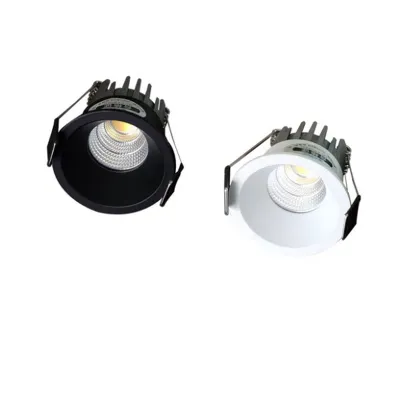
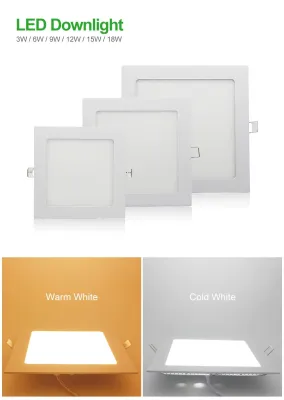
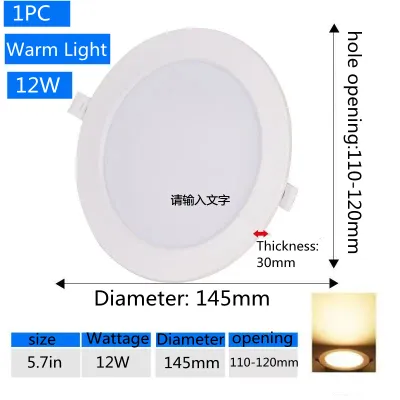
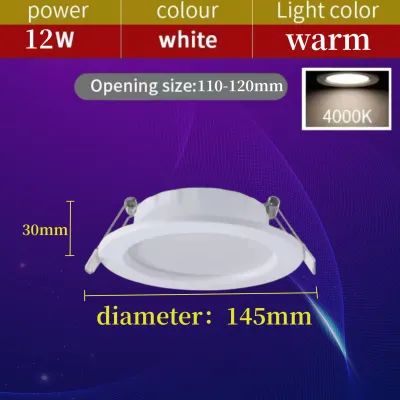
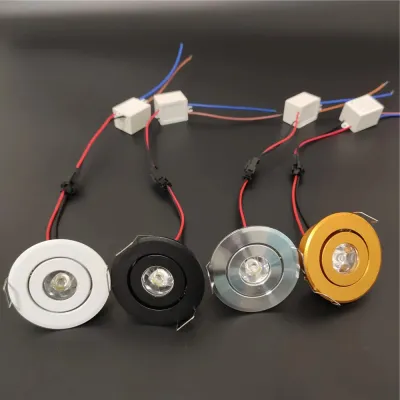
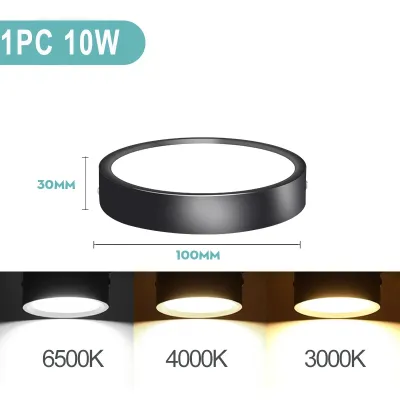
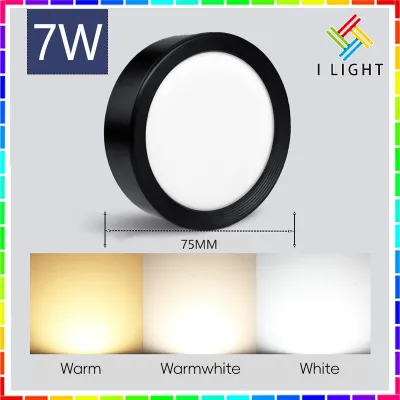
Prices are valid at publication and may change. Please refer to the product page for the latest price.
Beyond the physical footprint, low ceilings bring light sources closer to your eyes and skin. If you choose fixtures with poor light distribution or excessive wattage, you risk creating intense glare and localized heat. Although high-quality LEDs generate significantly less heat than legacy halogen bulbs, the electronic drivers inside LED fixtures still produce warmth. In the tropical climate of the Philippines, where ambient temperatures and humidity are already high, poorly ventilated or overly bright fixtures can contribute to localized discomfort, forcing your air conditioning units to work harder.
The beam angle of your downlights also plays a critical role in spatial perception. A narrow beam angle concentrates light into a tight spotlight, creating harsh shadows and high-contrast dark zones on your walls. In a low-ceiling condo, these dark zones make the room feel smaller and more enclosed. Conversely, a wide beam angle of 90 degrees or higher spreads light more uniformly across the floor and walls. This diffused distribution softens shadows, brightens corners, and visually opens up the room, making the ceiling appear higher and the overall space more expansive.
Essential Specifications to Verify Before Purchase
Before purchasing any LED downlight, you must verify a concrete set of technical specifications to ensure compatibility with your condo’s structure and electrical system.

- Physical Dimensions: The most critical physical dimension is the fixture's depth. If your condo has a gypsum board drop ceiling, you must measure the exact depth of the plenum space—the cavity between the drywall and the concrete slab. Many modern condos only have a clearance of 3 to 5 centimeters in these cavities, which rules out traditional deep-can downlights. You will also need to match the cutout size of the fixture (usually measured in inches or millimeters, such as 3-inch or 4-inch models) to the holes in your ceiling. Finally, consider the bezel width; a wider bezel can help cover minor imperfections or rough edges left during the ceiling cutting process.
- Electrical Compatibility: The standard electrical supply in the Philippines is 220V to 240V at 60Hz. You must verify that any downlight you purchase is rated for this specific voltage and frequency to prevent flickering, buzzing, or premature driver failure. Additionally, decide between integrated and external drivers. Integrated drivers are built directly into the fixture housing, making them highly compact and easy to install in tight spaces. External drivers, which sit separately from the light fixture, are often easier to replace if they fail, but they require sufficient physical space within the ceiling cavity to rest safely away from structural elements. Always check the wattage limits of your existing lighting circuits to avoid overloading the system.
- Optical Specs: To ensure visual comfort, look closely at the optical performance of the LED. Lumens per watt indicates the energy efficiency of the fixture; higher numbers mean more light for less electricity. Pay attention to the Color Rendering Index (CRI), which measures how accurately the light reveals the true colors of your furniture, decor, and skin tones. A CRI of 80 or higher is recommended for residential living spaces. Many modern LED downlights also feature adjustable Correlated Color Temperature (CCT) switches, allowing you to select between warm white (3000K), cool white (4000K), and daylight (6500K) prior to installation, offering valuable flexibility for different rooms.
- Labels and Certifications: Electrical safety is paramount in high-density condominium buildings. Always check the product packaging or specification sheet for local safety certifications, such as the Philippine Standard (PS) mark or the Import Commodity Clearance (ICC) sticker. These marks indicate that the product has undergone rigorous testing for electrical safety and fire hazards. Furthermore, check the Ingress Protection (IP) rating if you plan to install fixtures in damp environments like bathrooms or kitchen prep areas. An IP44 rating or higher is recommended for these zones to protect the internal electronics from moisture and humidity. Lastly, verify the manufacturer's warranty terms to ensure long-term support for your investment.
Recommended Downlight Types for Low-Ceiling Condos
The structural design of your condominium’s ceiling determines which type of LED downlight is most suitable. Condo ceilings generally fall into two categories: solid concrete slabs or suspended plasterboard/gypsum drop ceilings.
Ultra-Slim Recessed Downlights: If your condo features a suspended gypsum or plasterboard drop ceiling, ultra-slim recessed downlights are an exceptional choice. These fixtures utilize edge-lit LED technology, allowing the entire housing to be incredibly thin—often less than 2 centimeters deep. Because they require minimal plenum space, they can be installed easily even in areas where structural beams or utility pipes run close to the drywall. The flat, flush profile of these lights integrates seamlessly into the ceiling line, creating a clean, modern aesthetic that does not interrupt your line of sight.
Low-Profile Surface-Mounted (Flush Mount) Lights: Many older or standard condo units in the Philippines feature solid concrete ceilings with no plasterboard drop. In these spaces, cutting recessed holes is structurally unsafe and typically prohibited by building administration. Low-profile surface-mounted downlights are the ideal solution for these conditions. These fixtures screw directly into a standard junction box mounted on the concrete slab. To maintain a spacious feel, look for surface-mounted models with an ultra-thin profile of under 3 centimeters. These designs mimic the clean look of recessed lighting without requiring any ceiling excavation.
Gimbal or Adjustable Downlights: If you want to highlight specific architectural features, artwork, or accent walls, gimbal downlights offer excellent flexibility. These fixtures feature a swiveling inner ring that allows you to tilt the light beam. In a low-ceiling condo, you can direct the light toward the walls rather than straight down. This technique, known as wall-washing, draws the eye outward and upward, visually expanding the boundaries of the room. When choosing gimbal lights, ensure the housing remains flush with the ceiling line when the light is tilted to avoid creating protruding visual obstacles.
To help you quickly identify the best approach for your specific living space, refer to the conditional selection matrix below:
| Ceiling Structure | Recommended Fixture Type | Key Advantage | Installation Constraint |
|---|---|---|---|
| Suspended Gypsum / Drop Ceiling | Ultra-Slim Recessed Downlight | Sits completely flush; requires minimal vertical cavity space. | Must avoid ceiling joists and utility pipes during cutout. |
| Solid Concrete Slab | Low-Profile Surface-Mounted Light | No drilling or cutting into structural concrete required. | Fixture body is visible; must choose ultra-thin designs. |
| Accent Walls / Art Displays | Gimbal / Adjustable Downlight | Directs light to walls to create an illusion of height. | Requires a recessed cavity; must not protrude when tilted. |
Installation Safety and Professional Boundaries
Working with residential electrical systems carries inherent risks, particularly in high-density condominium buildings where electrical faults can affect neighboring units. Before undertaking any inspection, replacement, or installation of ceiling fixtures, you must isolate the power. Locate your condo’s main electrical panel and turn off the circuit breaker dedicated to the lighting circuit. Never rely solely on the wall switch to cut the power, as some wiring configurations may leave live current at the fixture box even when the switch is in the off position. Use a reliable non-contact voltage tester to confirm the wires are completely dead before touching them.
It is crucial to recognize when a project exceeds safe DIY limits and requires professional intervention. If your condo has solid concrete ceilings, you must never attempt to core-drill or cut deep recesses into the concrete slab, as this can compromise the structural integrity of the building and violates standard condominium association rules. If you encounter old, brittle wiring, ungrounded metal junction boxes, or complex wiring configurations that you do not fully understand, stop immediately. Consult a licensed electrician or contact your building’s administration office to ensure compliance with local building codes and safety standards.
Finally, pay close attention to thermal management during installation. Even though low-profile LED downlights run cooler than traditional bulbs, they still require adequate heat dissipation to prevent premature failure of the sensitive electronic drivers. Never cover your downlights or their external drivers with thermal insulation materials unless the fixture is explicitly labeled as IC-rated (Insulation Contact). In the warm, humid environment of the Philippines, keeping the area around the fixture clear of debris and ensuring proper airflow within the ceiling cavity will significantly extend the lifespan of your LED downlights.
Frequently Asked Questions (FAQ)
Can I install recessed downlights in a solid concrete condo ceiling?
No, you cannot install recessed downlights directly into a solid concrete condo ceiling. Core-drilling or chipping away structural concrete to create recessed cavities is highly dangerous, as it can weaken the structural slab and damage embedded post-tension cables or electrical conduits. Such modifications are strictly prohibited by condominium administrations in the Philippines. If you have a solid concrete ceiling, your best options are to install low-profile surface-mounted downlights, which attach directly to existing junction boxes, or to hire a professional to construct a shallow, localized gypsum drop ceiling to house recessed fixtures safely.
What is the best color temperature to make a low ceiling feel higher?
To make a low ceiling feel higher, a cool white color temperature ranging from 4000K to 5000K is generally preferred over very warm light. Cool white light mimics natural daylight, which has a psychological effect of making walls and ceilings appear to recede, creating a more open and airy atmosphere. In contrast, very warm light (2700K to 3000K) tends to bring surfaces visually closer, which can make a low ceiling feel more intimate but also more restrictive. For the best results, combine cool white downlights with wall-washing techniques, directing light toward the upper portions of your walls to draw the eye upward and minimize the oppressive feeling of a low ceiling.
Community discussion
Share your experience or ask a question. Comments are reviewed before publication.