
When selecting a St. Francis of Assisi garden statue for a Philippine outdoor space, the choice of material is the single most critical factor determining whether your ornament remains a beautiful focal point or quickly degrades. The intense tropical climate—characterized by scorching solar heat, relentless humidity, heavy monsoon rains, and seasonal typhoons—presents a hostile environment for outdoor decor. To ensure your statue stands the test of time, you must select a material that balances structural stability, moisture resistance, and UV protection.
Generally, heavyweight cast stone or high-grade concrete offers the best wind resistance for open lawns and exposed garden beds. For semi-shaded patios, covered verandas, or areas where you prefer to easily reposition your decor, high-grade fiberglass or treated polyresin provides excellent detail and ease of movement, provided they are treated with UV-resistant coatings. While solid bronze offers the ultimate lifetime durability, its premium cost makes cast stone and treated fiberglass the most practical choices for most homeowners.
Quick Guide: What Makes a Statue Material Tropical-Ready?
To survive the demanding outdoor conditions of the Philippines, a garden statue must possess three non-negotiable physical characteristics: UV stability, moisture resistance, and structural weight or anchoring capability. Ultraviolet rays from the year-round tropical sun can rapidly degrade chemical bonds in synthetic polymers, causing plastics to become brittle and paint to peel. At the same time, high humidity and heavy rainfall can penetrate porous materials, leading to internal structural decay and unsightly biological growth.
Products mentioned in this guide
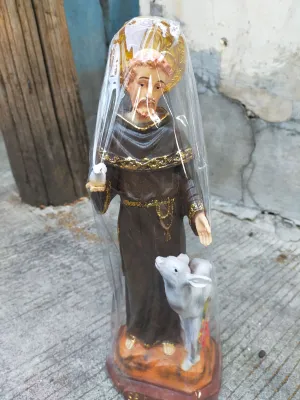
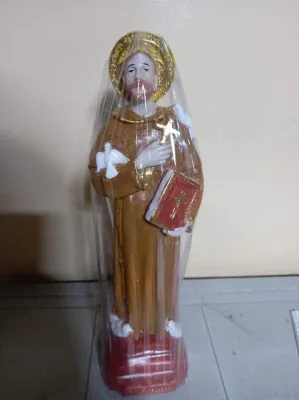
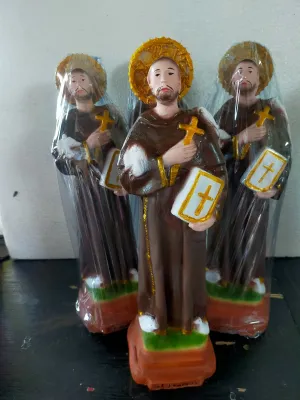
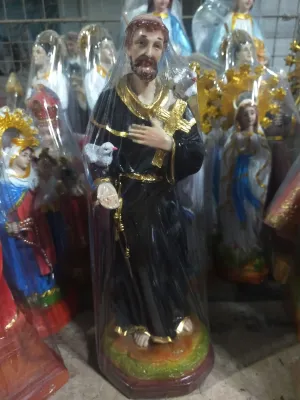
Prices are valid at publication and may change. Please refer to the product page for the latest price.
No single material is universally perfect for every garden. The ideal choice depends heavily on your specific garden microclimate. For instance, a statue placed in a fully exposed, sun-drenched front yard requires vastly different material properties than one nestled under the dense, damp canopy of a mango tree or placed on a covered veranda. Furthermore, your willingness to perform routine maintenance, such as applying seasonal sealants or moving the statue during severe weather, will dictate which material is most practical for your home. Before making a purchase, always verify the manufacturer’s specifications for outdoor durability rather than relying solely on the general category name of the material.
How Tropical Weather Challenges Garden Statues
Understanding the specific environmental stressors in the Philippines is essential for protecting your outdoor investments. The primary threat comes from heavy monsoon rains and rapid wet-dry cycles. During the rainy season, a statue may be drenched by a sudden downpour and then immediately subjected to intense, direct sunlight. This rapid transition causes extreme thermal expansion and contraction. In porous materials like low-grade concrete or unglazed terracotta, water pools in microscopic surface pores. When the sun heats this trapped water, it expands, creating internal pressure that leads to surface flaking, hairline cracks, and eventual structural failure.

Persistent high humidity, which regularly hovers above 80% in most parts of the country, presents another major challenge. Damp, poorly ventilated garden corners become prime breeding grounds for biological growth, including black mold, green algae, and moss. These organisms do not just ruin the aesthetic appeal of a beautifully sculpted St. Francis statue; their root-like structures can slowly etch into stone and concrete, permanently damaging the fine details of the sculpture.
Year-round UV exposure is equally destructive. The high-intensity sunlight common in tropical regions acts as a bleaching agent, causing painted finishes to chalk, fade, and peel. Over time, UV radiation can also weaken untreated plastics and resins, making them highly susceptible to cracking under the slightest impact.
Finally, the Philippines experiences numerous typhoons and strong seasonal winds every year. A lightweight statue placed on an open lawn can easily be knocked over by a strong gust. When a statue tips over onto hard soil, gravel, or concrete, the impact can cause irreparable fractures. Therefore, a statue’s physical weight, base footprint, and anchoring potential are critical safety considerations for any outdoor installation.
How Common Statue Materials Handle Heat and Humidity
Cast Stone and Concrete
Cast stone and concrete are traditional favorites for outdoor religious statuary due to their substantial weight and classic, organic appearance. A solid concrete statue of St. Francis of Assisi provides excellent natural stability against the fierce winds of the typhoon season, making it highly unlikely to tip over even when placed in wide-open garden beds. This structural mass makes it an excellent choice for permanent, long-term installations where security and wind resistance are paramount.
However, concrete and cast stone are inherently porous materials. If left untreated, they act like sponges, absorbing rainwater and moisture from the damp soil. In the humid Philippine climate, this trapped moisture quickly leads to the colonization of dark green algae and black mold, which can obscure the delicate features of the statue’s face, hands, and animal companions. To prevent this, it is highly recommended to purchase statues with factory-sealed finishes, or plan to apply a high-quality, breathable, outdoor-grade masonry sealant immediately after installation. This barrier prevents water penetration while allowing internal moisture to escape, minimizing the risk of surface cracking.
Polyresin and Fiberglass
Polyresin and fiberglass are modern synthetic materials created by mixing liquid resins with stone powder or glass fibers to form highly durable, molded shapes. These materials are exceptionally popular because they allow for incredibly high detail resolution, capturing the intricate folds of St. Francis’s robe, the textures of the animals, and the serene expression on his face. Additionally, fiberglass is lightweight, making it easy to reposition the statue around your garden or move it indoors during severe weather.
Despite these benefits, untreated resin is highly vulnerable to the harsh tropical sun. Without built-in UV inhibitors, prolonged exposure to intense UV rays will cause the resin to degrade, turn yellow, become brittle, and eventually crack. Furthermore, because these statues are relatively lightweight, they are highly prone to being blown over by strong winds. When buying a polyresin or fiberglass statue, it is crucial to verify that the product features a UV-resistant coating. You must also plan to secure the base—either by filling the hollow interior with dry sand or gravel, gluing it to a heavy concrete stepping stone, or anchoring it to a weighted pedestal to ensure it remains upright during storms.
Metals (Bronze, Aluminum, and Cast Iron)
Metal statues offer a distinct, elegant aesthetic that can elevate any garden design. Cast aluminum is an excellent, highly durable option for tropical gardens. It is naturally rust-resistant, requires virtually no maintenance, and can withstand both heavy rains and intense sun without degrading. Because aluminum is relatively lightweight, however, these statues must be securely bolted or weighted down to prevent wind damage.
Solid bronze is the premium choice for outdoor sculpture, offering unmatched longevity. Over time, bronze exposed to the elements develops a beautiful, protective green patina that shields the underlying metal from deep corrosion. While a bronze St. Francis statue is a significant financial investment—often costing tens of thousands of pesos—it is virtually indestructible and can last for generations in a garden setting.
Conversely, untreated cast iron or steel should be avoided in humid tropical environments. The constant moisture and salty coastal air found in many parts of the Philippines will cause untreated ferrous metals to oxidize rapidly. This leads to deep structural rust and produces orange-brown rust stains that can permanently ruin your garden tiles, concrete pathways, or surrounding lawn.
Natural Wood and Ceramics
While natural wood and ceramic statues can bring a rustic, artisanal charm to a garden, they are generally the least durable options for wet, tropical climates. Natural woods, even highly resilient varieties like teak or local ipil, require intensive maintenance, including regular application of outdoor wood oils and preservatives. Without this care, wood will quickly succumb to rot, fungal decay, and termite infestations, especially when placed in direct contact with damp soil.
Unglazed ceramics and porous terracotta are similarly problematic. These materials absorb water easily. When subjected to the intense heat of the Philippine sun, the moisture trapped inside the clay can expand rapidly, causing the ceramic to crack, spall, or shatter. Additionally, the rough, porous surface of unglazed clay is highly susceptible to heavy staining from moss and algae, which can be extremely difficult to clean without damaging the sculpture.
Pre-Purchase Checklist for Outdoor Durability
Before purchasing a St. Francis of Assisi statue for your garden, use this practical checklist to ensure the piece is fully equipped to handle the local climate:
- Drainage and Hollow Spaces: If you choose a hollow resin, fiberglass, or metal statue, inspect the underside. Ensure there is a functioning drainage hole at the base. If water becomes trapped inside a hollow statue, it can stagnate, creating a prime breeding ground for dengue-carrying mosquitoes (Aedes aegypti). It can also cause internal structural damage over time.
- Finish and Coating Labels: Carefully read the product specifications. Look for explicit terms such as "UV-resistant paint," "outdoor-grade polyurethane sealant," or "weatherproof acrylic finish." Avoid products labeled generically as "outdoor decor" without any mention of protective coatings, as these are often only suited for covered patios or indoor use.
- Base Proportions: Examine the physical design of the statue. A stable outdoor statue should have a wide, flat, and substantial base relative to its overall height. Top-heavy designs with narrow bases are highly unstable and will easily tip over in moderate winds unless permanently anchored to a concrete pad.
- Weight and Placement: Consider the weight of the statue in relation to its intended location. If you plan to place a heavy stone statue on a high retaining wall, pedestal, or suspended shelf, consult a qualified contractor or professional installer to ensure the structure can support the weight safely and prevent falling hazards. A heavy concrete statue falling from a height can cause severe damage to your property or pose a serious safety hazard to family members and pets.
Low-Risk Maintenance to Extend Your Statue's Lifespan
Proper maintenance is key to extending the life of your garden statue, regardless of the material you choose. By establishing a simple, low-risk care routine, you can keep your St. Francis statue looking pristine for years:
- Gentle Cleaning: Clean your statue at least twice a year—ideally once before the rainy season begins and once after it ends. Use a soft-bristle nylon brush, warm water, and a few drops of mild, biodegradable dish soap to gently scrub away dirt, bird droppings, and early stages of algae growth. Never use wire brushes, steel wool, harsh bleach, or high-pressure washers. These aggressive cleaning methods can easily strip away protective paint, erode delicate concrete details, and ruin factory-applied sealants.
- Sealant Reapplication: Inspect your statue annually for signs of wear, such as fading, chalking, or minor hairline cracks. To maintain moisture and sun protection, apply a fresh coat of clear, outdoor-grade UV-resistant sealant. Make sure the sealant you choose is chemically compatible with your statue's material (e.g., a breathable masonry sealer for concrete, or a clear acrylic/polyurethane spray for resin and fiberglass). Always allow the statue to dry completely in the sun for 24 hours before applying any sealant to avoid trapping moisture inside.
- Seasonal Adjustments: During the peak of the typhoon season, take proactive steps to protect your garden ornaments. If you have a lightweight resin, fiberglass, or small metal statue, temporarily move it to a covered patio, garage, or indoor storage area when severe weather warnings are active. For heavy concrete or stone statues that cannot be easily moved, ensure they are nestled securely into the ground or physically anchored to prevent them from shifting or falling.
Frequently Asked Questions (FAQ)
Can I leave a painted resin statue outside all year?
Whether a painted resin statue can remain outdoors year-round depends entirely on the quality of its UV-protective coating and its placement in your garden. Without a dedicated UV-inhibitor finish, the intense tropical sun will cause the paint to fade, peel, and chalk within a few months, and the resin itself will eventually become brittle and crack. To maximize its lifespan, place the statue in a semi-shaded area, apply a clear UV-protectant spray annually, and move it to a sheltered location during major typhoons.
How do I remove green algae from a concrete statue?
To safely remove green algae and moss from a concrete statue without damaging the stone, mix a solution of equal parts white vinegar and warm water, or use a mild dish soap solution. Spray the mixture onto the affected areas and let it sit for 10 to 15 minutes to loosen the organic matter. Gently scrub the surface using a soft-bristle nylon brush, then rinse the statue thoroughly with clean water. Avoid using harsh chemical bleach or metal scrapers, as these can permanently discolor the concrete and strip away any protective sealants.
Community discussion
Share your experience or ask a question. Comments are reviewed before publication.