
Selecting the ideal material for an outdoor hecate statue in the Philippines requires balancing aesthetic detail with extreme weather resilience. The local climate presents a unique set of challenges, from intense solar radiation to relentless monsoon rains. For a deity traditionally depicted with intricate attributes like triple faces, torches, keys, and hounds, material choice directly dictates how long these fine details remain visible. While natural granite and cast bronze offer the highest long-term durability, high-grade fiberglass and sealed cast stone provide excellent alternatives if properly maintained. Selecting the right material involves evaluating how each substance interacts with high humidity, UV exposure, and heavy winds.
How Tropical Weather Impacts Outdoor Statue Materials
The tropical climate of the Philippines features prolonged wet seasons, high relative humidity often exceeding 80 percent, and intense, direct sunlight. These environmental factors act as continuous stressors on outdoor decorative items. Rainwater and persistent ambient moisture easily penetrate porous materials, leading to waterlogging. When water becomes trapped inside a sculpture, the daily thermal cycle of midday heating and nighttime cooling causes the material to expand and contract. Over time, this constant physical stress creates micro-fractures, eventually leading to visible cracking, chipping, or structural failure.
Furthermore, the combination of high humidity and warm temperatures creates an ideal breeding ground for biological growth. Microorganisms such as mold, mildew, and black algae quickly colonize damp surfaces, especially in the deep recesses and carved details typical of a hecate statue. This biological colonization does not merely cause unsightly black or green staining; the organic acids produced by growing mold and algae can actively degrade stone, concrete, and paint finishes over time.
Products mentioned in this guide
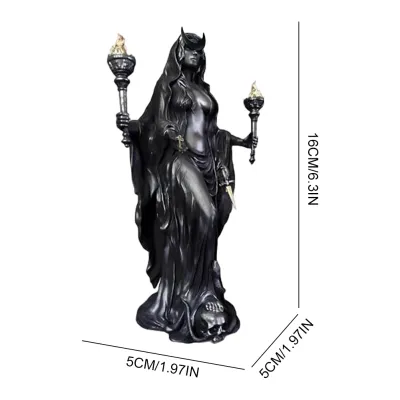
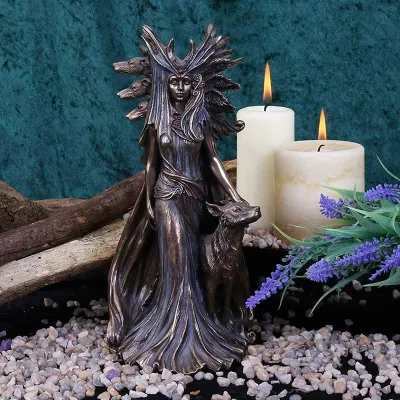
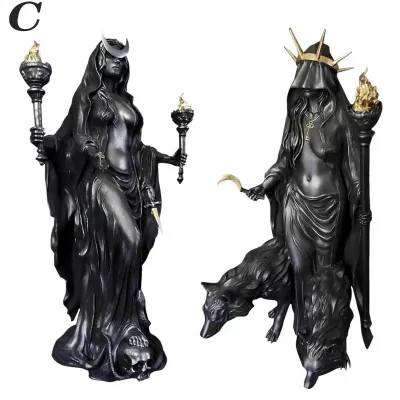
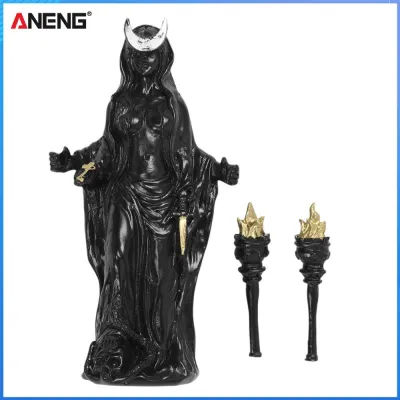
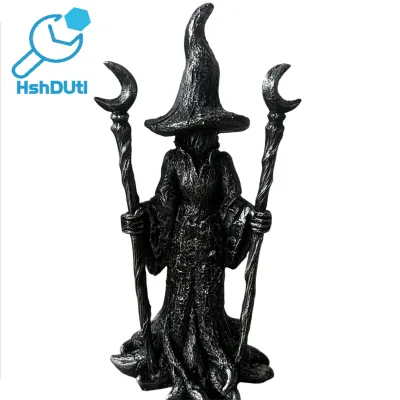
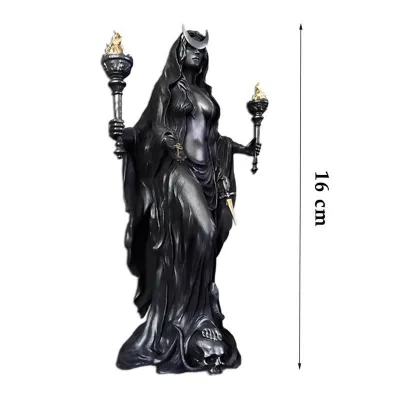
Prices are valid at publication and may change. Please refer to the product page for the latest price.
Solar radiation is another major factor in material degradation. The ultraviolet (UV) rays in tropical regions are exceptionally strong. Prolonged exposure to direct sunlight breaks down the chemical bonds in polymers, paints, and protective clear coats. This process, known as photo-degradation, manifests as fading, surface chalking, and loss of structural flexibility, making synthetic materials brittle and prone to shattering under physical impact. Finally, the country experiences severe weather events, including typhoons and heavy monsoons, which bring high winds and torrential downpours. A statue placed outdoors must possess either sufficient physical weight or a secure anchoring system to prevent it from being overturned or damaged by flying debris.
Comparing Common Materials for a Durable Hecate Statue
A traditional hecate statue is rarely a simple, flat shape. It typically features complex, multi-dimensional elements, including three distinct faces or bodies, outstretched hands holding keys, daggers, or torches, and accompanying guardian hounds at the base. These intricate features create numerous joints, narrow crevices, and overhangs where water can easily pool and wind resistance is increased. Consequently, the material you choose must not only survive the elements but also be capable of holding fine, sculptural details without degrading under tropical stress.

Stone Options: Cast Stone, Marble, and Granite
Natural stone remains a classic choice for garden ornaments due to its timeless appearance and substantial weight, which provides excellent natural wind resistance during typhoon seasons. However, different types of stone perform very differently under tropical conditions. Dense natural stones like granite are highly resistant to moisture absorption because of their low porosity. Granite can withstand heavy rains and high humidity for decades with minimal surface wear, making it an exceptional, albeit expensive, option.
In contrast, cast stone—which is made from refined concrete cast in molds—is significantly more porous. Unsealed cast stone acts like a sponge, absorbing moisture during heavy downpours, which accelerates the growth of dark algae in the statue’s detailed crevices. If you select cast stone, it is vital to verify that the piece has been explicitly sealed with an outdoor-grade, water-repellent sealer. Marble offers beautiful detail and a smooth finish, but it is highly susceptible to acid rain and environmental staining, requiring regular maintenance to prevent a dull, weathered appearance. While stone statues capture mythological details beautifully and will not blow over in strong winds, their extreme weight makes them highly difficult to relocate once positioned in your garden.
Metal Options: Bronze, Aluminum, and Cast Iron
Metals offer a distinct, classic aesthetic and exceptional structural strength, making them highly suitable for the complex, thin projections of a hecate statue, such as extended torches or keys. Cast bronze is widely considered the gold standard for outdoor metal sculpture. Over time, bronze exposed to the elements develops a natural, greenish-brown patina called verdigris. In many climates, this patina acts as a protective barrier against deeper corrosion; however, in highly humid, coastal, or salt-air environments, bronze still requires periodic waxing or clear-coating to prevent pitting and uncontrolled oxidation.
Untreated cast iron, on the other hand, is highly vulnerable to rust when exposed to the persistent humidity of the Philippines. Without a continuous, intact layer of rust-inhibiting paint or specialized wax, a cast iron statue will quickly develop structural rust that can flake away and ruin fine details. Aluminum represents a highly durable, rust-resistant, and lighter alternative to bronze and iron. Because aluminum does not rust, it survives wet seasons exceptionally well. However, because aluminum is relatively lightweight, a statue made from it requires a broader base or integrated ground anchors to prevent it from being blown over by strong monsoon winds. Before purchasing any metal statue, check the manufacturer specs for protective clear coats, marine-grade powder coatings, or specialized wax finishes designed for outdoor use.
Synthetic Options: Polyresin and Fiberglass
Synthetic materials have become incredibly popular because they allow manufacturers to produce highly detailed, lightweight, and affordable sculptures. A polyresin or fiberglass hecate statue can capture the finest details of hair, drapery, and facial expressions at a fraction of the cost of carved stone or cast bronze, with typical prices ranging from ₱3,000 to ₱12,000. Fiberglass, which is resin reinforced with glass fibers, is exceptionally strong and possesses a high strength-to-weight ratio, making it highly resistant to cracking from physical impacts.
Despite these advantages, synthetic materials have specific vulnerabilities when exposed to intense tropical environments. Without the addition of high-quality UV-inhibitors mixed directly into the resin during manufacturing, standard polyresin will quickly fade, turn yellow, develop a chalky surface, and become brittle under direct sunlight. Once the resin becomes brittle, the thermal expansion caused by the hot midday sun can lead to hairline cracks, allowing water to seep into the hollow interior. When buying a synthetic statue, it is critical to look beyond generic “weatherproof” marketing claims. Always verify the manufacturer’s product specifications to ensure the item is explicitly rated for permanent outdoor use and features a UV-resistant topcoat.
Verifiable Specs and Labels to Check Before Buying
To ensure your hecate statue survives the local climate, you must translate general marketing promises into concrete, verifiable technical specifications. Do not rely on vague labels like “outdoor safe” without checking the underlying details.
- Coatings and Sealants: Look for explicit product descriptions mentioning UV-resistant polyurethane topcoats, marine-grade varnishes, or hydrophobic clear sealants. These coatings act as the primary barrier against both moisture penetration and solar degradation. If the manufacturer does not specify the type of sealant used, assume the statue will require an aftermarket application of a high-quality, outdoor-rated clear acrylic sealer before placement.
- Structural Design and Drainage: Examine the physical design of the statue. For hollow designs, particularly those made of resin, fiberglass, or cast metal, check for integrated drainage holes at the very bottom of the base. Without proper drainage, condensation and rainwater can pool inside the hollow cavity, creating a heavy reservoir that can cause structural cracking or promote internal mold growth. If the statue features integrated lighting—such as solar-powered LED torches or a glowing base—ensure the electrical components carry an IP (Ingress Protection) rating of at least IP65. This certification guarantees that the electrical housing is dust-tight and protected against water jets from heavy rains. Additionally, always verify the voltage, base interface, wattage limits, and dimming methods of any illuminated elements to ensure compatibility with your local electrical setup, and ensure power-isolation boundaries are maintained during any wired installations.
- Weight and Base Stability: A tall, multi-faced hecate statue can be top-heavy, making it vulnerable to strong winds. Check the product's net weight and base dimensions. For lightweight materials like fiberglass or aluminum, look for statues that feature a hollow base designed to be filled with sand or gravel, or those equipped with pre-drilled anchoring holes. These holes allow you to secure the statue directly to a concrete pad or heavy garden paving stones using corrosion-resistant stainless steel bolts.
- Material Thickness: For hollow cast statues, inquire about the wall thickness. Thin-walled resin statues (less than 5 millimeters thick) are highly susceptible to warping under the intense heat of the midday sun and are more likely to crack under thermal expansion. A thicker wall (8 millimeters or more) provides the structural integrity needed to withstand temperature fluctuations without distorting.
Placement and Low-Risk Maintenance for Humid Gardens
Proper placement and regular, non-destructive maintenance are essential to extending the lifespan of your statue, regardless of the material you select. By taking a few preventative measures, you can minimize environmental wear and avoid costly damage.
- Placement Strategies: Avoid placing your statue directly on damp soil or lawn grass, as constant contact with wet earth accelerates moisture absorption, rot, and biological staining. Instead, elevate the statue by placing it on a concrete pedestal, a stone paving block, or a gravel bed. Position the statue in an area that benefits from good natural air circulation, which helps dry out moisture after heavy downpours. While placing the statue under dense tree canopies might seem like a good way to block the sun, falling leaves, bird droppings, and dripping sap can accumulate in the statue's crevices, trapping moisture and promoting organic growth. A location that offers partial shade—such as under a pergola or near east-facing walls—is ideal, as it reduces direct midday UV exposure while allowing morning sunlight to dry the piece.
- Cleaning Methods: Always check the applied product's label and the treated item's manufacturer instructions before applying any cleaner, sealant, or protective coating. If instructions conflict, or if the material is unidentified, consult the manufacturer or a restoration professional. For general, low-risk cleaning, use a soft-bristle brush, mild liquid dish soap, and lukewarm water to gently scrub away surface dirt, dust, and early stages of algae. Avoid using pressure washers, as the intense water pressure can easily strip away protective clear coats, chip painted details, or erode porous cast stone. Never use harsh chemical cleaners, bleach, vinegar, or highly acidic solutions, which can chemically react with metals, dissolve protective sealants, and permanently discolor natural stone.
- Inspection and Resealing: Perform a detailed visual inspection of your statue twice a year, ideally before the start of the rainy season and immediately after it ends. Look for hairline cracks, signs of peeling or chalking sealants, and stubborn biological growth. If you notice the protective clear coat has begun to wear away or look dull, consult the manufacturer for appropriate, compatible resealing products. Reapplying a thin coat of outdoor-rated clear acrylic sealer or specialized museum-grade wax every one to two years will keep the material water-repellent and UV-protected, ensuring your garden centerpiece remains beautiful for years to come.
Frequently Asked Questions (FAQ)
Can I leave a polyresin Hecate statue outside during the monsoon season?
While a high-quality, UV-rated polyresin statue can withstand standard rain showers, leaving it completely exposed during severe monsoon peaks or typhoons is not recommended. The torrential rain can cause water to pool in deep sculptural crevices, while extreme winds pose a high risk of knocking the lightweight statue over, leading to chips or major structural breaks. During periods of severe weather, it is best to temporarily relocate the statue to a sheltered porch or ensure it is securely anchored to a heavy, well-draining stone pedestal.
How do I safely remove algae or mold from a stone statue?
To remove algae or mold safely without damaging the stone, start by wetting the surface with clean water. Use a soft-bristle nylon brush and a highly diluted solution of mild, pH-neutral dish soap to gently scrub the affected areas in a circular motion. Avoid using bleach, ammonia, or acid-based household cleaners, as these harsh chemicals can strip away existing protective sealants, etch the surface of porous stones like cast stone or marble, and cause permanent discoloration. After cleaning, rinse the statue thoroughly with low-pressure clean water and allow it to dry completely in the sun.
Community discussion
Share your experience or ask a question. Comments are reviewed before publication.