
Selecting the ideal material for an outdoor mama mary statue in the Philippines requires balancing aesthetic devotion with structural durability. The local climate presents extreme challenges, ranging from intense tropical sun to torrential monsoon rains and high-velocity winds. To ensure your garden shrine remains a serene and beautiful focal point for years, you must evaluate how different materials withstand these severe environmental stressors.
Generally, fiberglass and high-quality concrete emerge as the most reliable choices for outdoor installations, though each serves different structural needs. Concrete offers unmatched wind resistance for open, unsheltered gardens, while fiberglass provides superior moisture resistance and intricate detail retention without the extreme weight. Resin and ceramic can also be utilized, but they require highly specific placements and protective finishes to survive the elements.
How the Philippine Climate Affects Outdoor Statues
The tropical climate of the Philippines is exceptionally demanding on outdoor decorative items. High relative humidity, which regularly exceeds 80 percent throughout the year, creates a persistent moisture barrier on outdoor surfaces. This damp environment accelerates the growth of biological organisms such as mold, mildew, and black algae, which can discolor and degrade porous materials over time.
Products mentioned in this guide
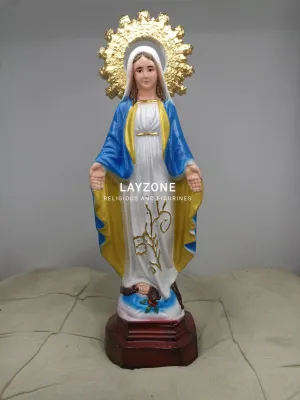
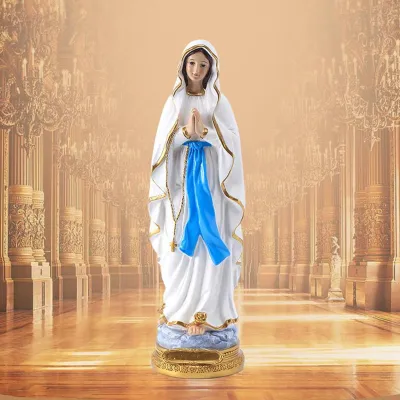
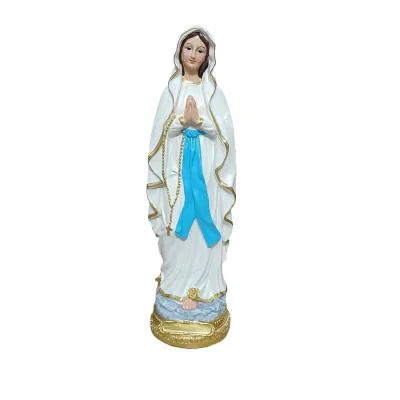
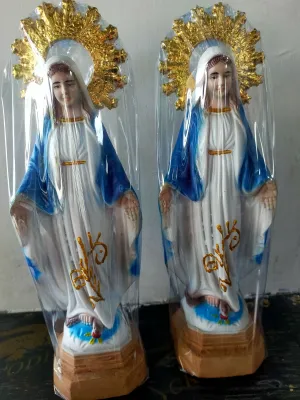
Prices are valid at publication and may change. Please refer to the product page for the latest price.
In addition to high humidity, intense year-round ultraviolet (UV) radiation poses a severe threat to painted finishes and synthetic polymers. The tropical sun breaks down chemical bonds in unprotected plastics and pigments, leading to chalking, fading, yellowing, and structural embrittlement. A statue that looks vibrant in a showroom can lose its color and become brittle within a single dry season if it lacks proper UV protection.
The wet season brings heavy monsoon rains (known locally as the Habagat) and frequent typhoons that saturate outdoor spaces for days or weeks. Rainwater can seep into micro-fissures in stone, concrete, or low-fired clay, slowly widening these gaps through physical weathering. If water pools inside a hollow statue, the added weight can destabilize its pedestal or cause the base to crack under hydraulic pressure.
Furthermore, strong typhoon winds present a constant risk of physical impact and tipping. A lightweight statue placed in an open garden can easily be knocked over by gale-force winds, resulting in catastrophic fractures. Understanding these specific environmental factors allows you to make an informed decision regarding material weight, density, and surface treatment before purchasing your sacred image.
Material Comparison: Concrete, Resin, Fiberglass, and Ceramic
Choosing the right material for a mama mary statue involves weighing the trade-offs between physical durability, wind resistance, aesthetic detail, and maintenance requirements. Each material behaves differently when exposed to the Philippine elements, making certain options far better suited for specific outdoor environments than others.

Concrete and Cast Stone
Concrete and cast stone are traditional choices that offer exceptional longevity and unmatched wind resistance. Because of their substantial weight, concrete statues are highly unlikely to tip over during severe tropical storms, making them ideal for open, unsheltered garden altars. A solid concrete statue provides a permanent, grounding presence in a landscape design.
However, concrete is naturally highly porous, meaning it readily absorbs moisture from the air and rain. In the humid Philippine climate, this moisture retention creates an ideal breeding ground for moss, lichen, and dark algae, which can quickly cover the statue in green or black patches. While some homeowners appreciate this aged, rustic look as a conditional preference, others prefer a pristine appearance.
To prevent deep staining and structural degradation from moisture absorption, you must verify if the concrete statue has been treated with a high-quality, breathable masonry sealer. If the manufacturer has not applied a sealant, you should plan to apply an outdoor-rated, water-repellent sealer yourself before placing the statue in your garden. This protective barrier must be reapplied periodically to maintain its effectiveness.
Resin and Polyresin
Resin and polyresin are synthetic materials created by mixing liquid plastic resins with stone powder or fiberglass additives. This material is highly favored by artisans because it can be poured into complex molds to capture incredibly intricate details, such as the delicate folds of garments or fine facial features, which are often difficult to achieve in concrete. Resin statues are also lightweight, making them easy to transport and reposition.
The primary vulnerability of standard resin is its poor resistance to intense UV radiation. Without specialized stabilizers, prolonged exposure to the tropical sun causes the polymer chains to break down, leading to fading, yellowing, and eventual cracking. A resin statue intended for indoor use will quickly deteriorate if placed directly in an open garden.
When shopping for a resin statue, you must explicitly verify that the product is labeled as “outdoor-rated” or treated with UV-resistant inhibitors. If the manufacturer does not specify outdoor compatibility, you should treat the statue with a clear, UV-blocking protective spray designed for outdoor plastics. Additionally, because resin is lightweight, these statues must be securely anchored or placed in semi-sheltered areas like covered patios or verandas to prevent them from blowing over.
Fiberglass
Fiberglass consists of fine glass fibers woven into a sheet and bonded with a durable polymer resin. This composite material offers an exceptional strength-to-weight ratio, providing the durability of heavier materials without the extreme weight of concrete. Fiberglass is naturally non-porous, meaning it does not absorb water, rot, or support the deep biological growth that plagues concrete.
Because fiberglass is impervious to moisture, it is highly resistant to the heavy rainfall and high humidity of the wet season. It can withstand prolonged exposure to water without swelling, cracking, or warping. This makes fiberglass one of the most durable and low-maintenance options available for outdoor religious shrines in tropical regions.
The long-term durability of a fiberglass statue depends heavily on the quality of its outer paint layer or gel coat. To prevent the surface from chalking, peeling, or fading under the intense sun, look for statues finished with high-quality, automotive-grade or marine-grade polyurethane paints. These industrial coatings provide a robust shield against UV rays and rain, ensuring the colors remain vibrant for many years.
Ceramic and Terracotta
Ceramic and terracotta statues are made from fired clay and are prized for their classic, artistic appeal and smooth, glazed finishes. Glazed ceramic is naturally water-resistant and highly resistant to UV fading, allowing the vibrant colors of the glaze to remain unchanged even after years of sun exposure. This makes small ceramic statues highly attractive for intimate garden niches.
However, ceramic is inherently brittle and highly vulnerable to physical impact and thermal shock. The rapid temperature fluctuations common in tropical climates—such as a sudden, cold downpour hitting a hot, sun-baked statue—can cause micro-cracks in the glaze or the clay body. If water enters these cracks, it can weaken the structure over time.
Because of their fragile nature, heavy ceramic statues are not recommended for open, high-wind areas where debris or tipping could cause them to shatter. If you choose a ceramic statue, it is best placed in a highly sheltered outdoor area, such as a covered lanai or a deeply recessed wall niche. The statue should be securely mounted on a stable, level pedestal and moved indoors immediately whenever a severe typhoon warning is issued.
What to Check Before Buying an Outdoor Statue
Before purchasing a mama mary statue for your outdoor space, you must perform several practical checks to ensure the item is physically prepared to survive the local climate. Relying solely on the visual appeal of a statue can lead to premature damage or safety hazards in your garden.
First, evaluate the base and overall stability of the statue. Look for designs with a wide, flared base and a low center of gravity, which naturally resist tipping. If you are choosing a lightweight resin or fiberglass statue, check if the base features built-in anchor points, a hollow cavity that can be filled with dry sand or gravel to add ballast, or a threaded metal insert for securing it to a concrete pedestal.
Second, inspect the design for drainage and hollow spaces. If a statue is hollow, it must have adequate drainage holes at the very bottom of the base. Without these holes, condensation or rainwater that seeps through micro-gaps can pool inside the hollow interior. This trapped water adds unnecessary weight, creates a breeding ground for mosquitoes, and can cause structural failure from internal hydrostatic pressure.
Third, perform a thorough finish verification by reading the product specifications or consulting the seller. Do not assume that a material name automatically guarantees outdoor readiness; always look for explicit terms such as “UV-resistant,” “weatherproof,” or “exterior-grade finish.” If you are planning to install integrated lighting—such as low-voltage LED spotlights to illuminate the statue at night—verify the light fixture’s IP (Ingress Protection) rating, voltage compatibility, base interface, and electrical certifications to ensure it is safe for wet outdoor environments. For any fixed electrical wiring or installations in damp areas, always isolate the power source and consult a qualified professional to prevent electrical hazards. Keep in mind that perceived color temperature and spatial lighting effects are conditional preferences rather than universal performance facts.
Finally, match the weight of the statue to its intended installation environment. If you plan to place the image on an elevated balcony, a wooden shelf, or a suspended bracket, verify the structural load limits of the mounting surface. Heavy concrete statues require a solid ground-level foundation, such as a poured concrete pad or a reinforced stone pedestal. Lightweight resin or fiberglass options are far better suited for elevated or delicate structures where excess weight could pose a structural hazard. If you are installing a statue at height, always prioritize secure anchoring and consult the manufacturer’s installation instructions.
Caring for Your Outdoor Statue in a Tropical Climate
Proper maintenance is essential to extend the lifespan of your outdoor statue and keep it looking pristine despite the harsh tropical weather. Implementing a regular care routine prevents dirt buildup, biological growth, and surface degradation.
For routine cleaning, wash the statue gently using a mixture of mild, pH-neutral dish soap and clean water. Use a soft-bristled brush or a microfiber cloth to gently scrub away dirt, bird droppings, and surface dust. Avoid using harsh household chemicals, bleach, ammonia, or high-pressure washers, as these aggressive cleaning methods can easily strip away protective UV coatings, damage delicate painted details, or erode the surface of concrete and plaster.
Managing mold, mildew, and algae is a common task in humid regions. If green or black spots appear on a porous concrete statue, scrub the affected areas with a soft brush and a specialized, outdoor-safe biological cleaner designed for masonry. Allow the cleaned statue to dry completely in the sun before applying any protective treatments, as sealing moisture inside the material will cause internal damage.
Typhoon preparedness is critical for protecting lighter statues from severe damage. Before a tropical storm or typhoon arrives, move lightweight resin, fiberglass, or ceramic statues indoors to a secure storage area. If a heavy concrete statue cannot be moved, ensure it is firmly anchored to its base, or wrap it securely with a heavy-duty, breathable tarp tied down with strong ropes to protect it from flying debris.
Applying protective sealants and performing minor paint touch-ups can dramatically prolong the life of your statue’s finish. If the manufacturer’s care instructions permit, apply a clear, outdoor-safe UV-resistant acrylic or polyurethane sealer to resin or fiberglass statues every one to two years. Always test the sealer on a small, hidden area first to ensure it does not cause discoloration or react poorly with the existing paint, and follow the manufacturer’s guidelines to avoid voiding any product warranties.
Frequently Asked Questions (FAQ)
This section addresses common concerns regarding the long-term maintenance and placement of outdoor religious statues in tropical climates.
Can I leave a resin Mama Mary statue outside all year round?
Whether a resin statue can remain outdoors year-round depends entirely on the manufacturer’s specific UV-resistance and weatherproofing ratings. Standard or indoor-rated resin will quickly become brittle, yellow, and crack under the intense Philippine sun and heavy rains. If the product is explicitly rated for outdoor use, it can remain outside, but it is highly recommended to apply a compatible outdoor UV-protectant spray annually and move the statue indoors during severe typhoons to prevent wind damage.
How do I prevent a concrete statue from turning green?
To prevent a concrete statue from turning green with algae and moss, place it in an area with maximum sunlight exposure and good air circulation, which helps the concrete dry quickly after rainfall. Clean the surface regularly with mild soap and a soft brush to remove organic nutrients. For long-term prevention, allow the concrete to dry completely and apply a breathable, outdoor-rated penetrating masonry sealer according to the manufacturer’s instructions to block moisture absorption.
Community discussion
Share your experience or ask a question. Comments are reviewed before publication.