
Quick Guide: What Makes a Display Figurine Material Suitable for Tropical Outdoors
Selecting a durable display figurine for your garden, patio, or veranda in the Philippines requires balancing aesthetics with environmental endurance. Our tropical climate presents unique challenges, from the blistering sun of the dry season to the torrential downpours of the monsoon months. To ensure your outdoor decor remains intact and vibrant, you must evaluate how different materials respond to these intense elements.
No single material is universally perfect for every outdoor setting. The ideal choice depends heavily on where you plan to position the piece. For fully exposed garden beds that face the brunt of heavy rains and high winds, heavy, non-porous materials are essential. Conversely, lighter or more delicate materials can thrive on covered patios, verandas, or shaded balconies where they are shielded from direct sunlight and extreme moisture. Understanding the relationship between material properties and placement is the key to making a lasting investment.
Understanding Tropical Weather Stressors in the Philippines
Before choosing a material, it is crucial to understand the specific environmental forces at play in the Philippines. High ambient humidity is a constant factor throughout the year, which creates a prime breeding ground for mold, mildew, and algae. When moisture penetrates a porous material, it can cause internal swelling, surface discoloration, and gradual structural decay.
Products mentioned in this guide
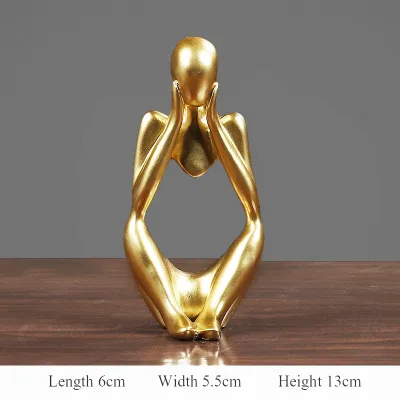
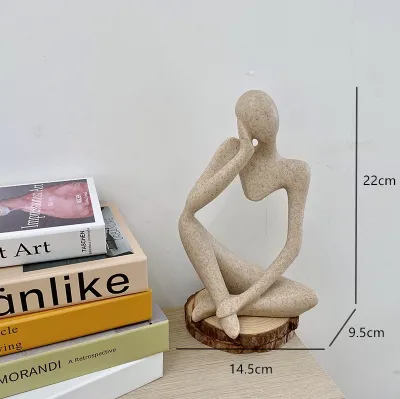
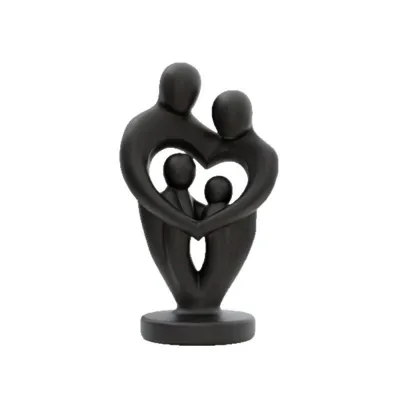
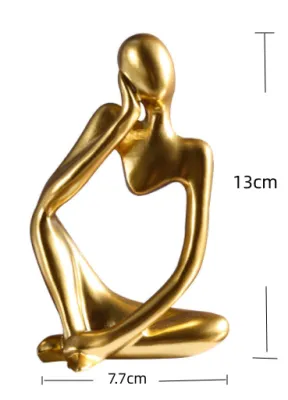
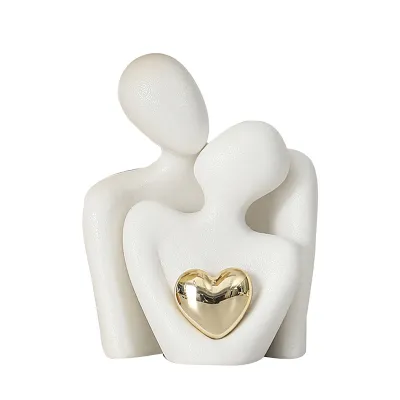

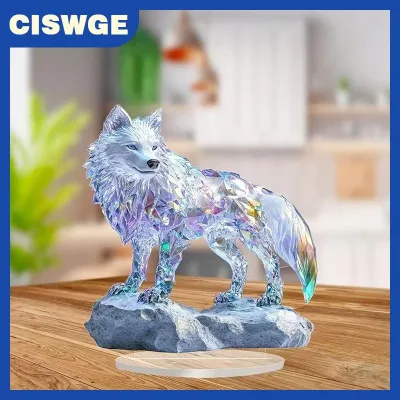
Prices are valid at publication and may change. Please refer to the product page for the latest price.

Intense, year-round ultraviolet (UV) radiation is another major stressor. Direct sunlight acts as a powerful bleaching agent, rapidly fading vibrant paint finishes and breaking down chemical bonds in synthetic materials. Over time, unprotected plastics and low-grade resins become brittle, leading to surface chalking, cracking, and eventual crumbling.
The annual monsoon season brings prolonged, heavy rainfall that can saturate garden soil and submerge the bases of outdoor ornaments. Waterlogged conditions can erode soft stones, rust untreated metals, and cause low-fired clays to disintegrate. Furthermore, sudden temperature shifts—such as a cool afternoon downpour hitting a sun-baked figurine—can induce thermal shock, causing fragile materials to crack.
Finally, the Philippines experiences frequent typhoons accompanied by strong, destructive winds. Lightweight figurines can easily become airborne projectiles, risking damage to themselves, your property, or nearby plants. Evaluating wind resistance, structural stability, and anchoring options is vital for any piece destined for an open yard.
Evaluating Common Materials for Outdoor Display Figurines
When browsing local garden centers or online marketplaces, you will encounter a wide variety of materials. Each option has distinct physical and chemical characteristics that dictate how it will age under tropical conditions. Rather than relying on generic marketing labels, analyzing these materials based on their observable traits and maintenance needs will help you choose the right piece.
Resin and Polyresin
Resin and polyresin are highly popular for outdoor decor due to their ability to capture intricate details and mimic more expensive materials like stone or bronze. From a moisture perspective, synthetic resin is generally non-porous, meaning it will not absorb water or swell during heavy monsoon rains. This makes it highly resistant to water-induced cracking and rot.
However, resin’s primary weakness is its vulnerability to intense UV radiation. Without proper protective additives, prolonged exposure to the Philippine sun will cause the material to turn yellow, fade, and become brittle. When shopping, always check the product specifications or labels for terms like “outdoor-rated” or “UV-protected.” Indoor-grade resin figurines will degrade rapidly if left in an open garden. Because resin is relatively lightweight, these pieces are also prone to tipping over during high winds unless they are properly anchored or weighted.
Stone, Concrete, and Cast Stone
For permanent garden installations, natural stone, concrete, and cast stone offer unmatched stability and classic appeal. Their significant weight makes them exceptionally wind-resistant, ensuring they remain upright even during severe tropical storms. These materials do not melt, warp, or degrade under intense heat, making them excellent choices for fully exposed areas.
The primary challenge with concrete and natural stone is their inherent porosity. In the high humidity of the Philippines, these materials easily absorb moisture, which can lead to the rapid growth of dark green algae, moss, and mold. While some homeowners appreciate the weathered, antique look this growth provides, it can eventually degrade the surface. To prevent water absorption and organic growth, look for factory-sealed finishes or plan to apply a breathable, clear outdoor stone sealer. Always refer to the manufacturer’s care instructions to determine the correct sealing product and application frequency.
Metal Options (Aluminum, Iron, and Steel)
Metal figurines can add a modern, rustic, or elegant touch to your landscape, but their durability depends heavily on the specific type of metal and its surface treatment. Untreated iron and standard steel are highly susceptible to oxidation when exposed to the high humidity and heavy rains of the tropical climate. Within a few months, rust can form, eating through the metal and compromising the structural integrity of the piece.
To avoid rust, look for inherently corrosion-resistant metals like cast aluminum or copper, or opt for steel that has been hot-dip galvanized or finished with a thick, durable powder coating. Regularly inspect metal figurines for any chips or scratches in the protective paint, as these exposed spots will quickly become entry points for moisture and rust. Additionally, keep in mind that dark, solid metals absorb substantial heat under direct sunlight. These pieces can become hot enough to burn skin or scorch nearby delicate foliage, so careful placement is advised.
Ceramic, Terracotta, and Porcelain
Fired clay materials offer beautiful glazes and rich, earthy textures, but they vary widely in their outdoor durability. The key factor is the firing temperature. High-fired ceramics, such as porcelain and stoneware, are fired at extreme temperatures that vitrify the clay, making it highly dense and virtually non-porous. These pieces resist water absorption and are much more capable of surviving thermal shock and heavy rain.
In contrast, low-fired terracotta is highly porous. It absorbs water like a sponge, and when subjected to intense tropical heat, the trapped moisture can expand rapidly, causing the clay to flake, crack, or split. Terracotta is best reserved for covered patios or dry, shaded areas. Regardless of the clay type, ceramic figurines are brittle and fragile; they can easily shatter if tipped over by wind, pets, or yard maintenance equipment. Avoid placing them in high-traffic pathways or unstable surfaces.
Wood and Bamboo
Wood and bamboo bring a warm, organic aesthetic to outdoor spaces, but they require the highest level of maintenance in a tropical climate. The combination of persistent humidity, heavy rainfall, and high temperatures makes untreated wood highly vulnerable to wood-rotting fungi, mold, and wood-boring insects like termites.
If you choose wooden figurines, ensure they are crafted from durable, naturally oil-rich hardwoods (such as teak or local ipil) or have been thoroughly pressure-treated for outdoor use. These materials require regular maintenance, including the application of specialized outdoor wood oils or marine-grade varnishes to seal out moisture and block UV rays. Because of their susceptibility to the elements, wood and bamboo figurines are best suited for semi-outdoor, covered spaces like verandas, gazebos, or deeply recessed entryways rather than fully exposed garden beds.
How to Verify Outdoor Readiness and Quality Before Buying
When shopping for a display figurine, you should look beyond the aesthetic appeal and actively verify its construction quality. Do not assume a figurine is outdoor-safe simply because it is displayed in the garden section of a retail store or online marketplace. Performing a few simple checks can save you from premature wear and replacement costs.
First, if the figurine is hollow—which is common for resin, plastic, and cast stone—inspect the bottom to see if it has drainage holes. Without proper drainage, rainwater can accumulate inside the hollow body. Trapped water adds unnecessary weight, promotes internal mold growth, and can cause the material to crack under thermal expansion. If the piece lacks drainage holes, check if the manufacturer’s instructions allow you to safely drill a small hole in the base.
Second, examine the uniformity and quality of the protective coating. Run your fingers over the surface to check for thin spots, bubbles, or peeling paint. A high-quality outdoor figurine should have a consistent, thick protective layer that seals the underlying material completely. For painted items, verify if the manufacturer specifies the use of UV-resistant, exterior-grade acrylic paints or clear protective topcoats.
Third, assess the stability and weight of the base. A top-heavy figurine with a narrow base is highly likely to tip over in the wind. If the piece is lightweight, check if it has an opening at the bottom that allows you to fill the hollow interior with dry sand or gravel to increase its stability. Alternatively, look for mounting brackets, stake holes, or flat bases that can be easily glued or bolted to a heavy concrete paver.
Finally, always read the manufacturer’s care instructions and product labels. Look for explicit statements regarding weather resistance, temperature limits, and recommended maintenance. If the product description lacks clear information about outdoor suitability, treat it as an indoor-only item or plan to place it in a highly protected, covered environment.
Placement and Maintenance Strategies for Longevity
Proper placement and regular maintenance are essential to extending the lifespan of your outdoor figurines, regardless of the material you choose. By taking a proactive approach, you can protect your investment and keep your garden decor looking pristine for years.
Strategic placement is your first line of defense. Whenever possible, utilize natural shade from trees, large shrubs, or garden structures to shield your figurines from the harshest afternoon sun. This simple step significantly reduces UV damage and slows down the fading of painted surfaces. Additionally, avoid placing figurines directly on damp soil or lawn areas where moisture can pool. Instead, elevate them using stone risers, decorative concrete pavers, or gravel beds. This improves drainage around the base, prevents waterlogging, and reduces the risk of algae and rot.
When it comes to cleaning, avoid harsh chemical cleaners, bleach, or abrasive scrubbing pads, as these can strip away protective UV coatings, paint, and sealants. Instead, wash your figurines gently using a mixture of mild dish soap, lukewarm water, and a soft-bristled brush or microfiber cloth. This is usually sufficient to remove accumulated dirt, dust, and early stages of algae growth without damaging the surface. After cleaning, rinse the figurine thoroughly with clean water and allow it to dry completely.
Before applying any sealant, cleaner, or protective coating, always check the product’s label and the figurine manufacturer’s instructions. If instructions conflict or the material is unidentified, consult a professional or the manufacturer directly.
In the Philippines, severe weather is an inevitable reality. During typhoon warnings or periods of exceptionally heavy monsoon rains, it is highly recommended to bring delicate, lightweight, or high-value figurines indoors. For larger, heavier statues that cannot be easily moved, ensure they are securely anchored to the ground or a heavy base.
If your outdoor display figurines include integrated solar panels, LED lighting, or electrical wiring, additional safety precautions are required. Always verify that the electrical components are rated for wet environments (look for an IP44 or higher weather-resistance rating) and that the voltage matches your local power supply. Ensure all fixed wiring is installed safely, away from standing water, and consult a qualified professional if you need to run permanent outdoor power lines. For suspended or wall-mounted figurines, regularly inspect the mounting hardware, chains, or brackets to ensure they have not rusted or loosened, preventing hazardous falls.
Frequently Asked Questions (FAQ)
Can I leave painted figurines outside during the heavy rainy season?
Whether a painted figurine can remain outside during the rainy season depends on the type of paint and the protective topcoat used. Figurines decorated with exterior-grade acrylics and sealed with a clear, UV-resistant outdoor polyurethane or acrylic spray can withstand seasonal rain. However, to prevent premature peeling and fading, it is highly recommended to check the manufacturer’s care instructions and reapply a compatible clear outdoor sealant annually.
How do I safely remove algae from porous stone garden statues?
To safely remove algae from porous stone, concrete, or cast stone statues, wash the surface gently with clean water and a soft-bristled brush. Avoid using high-pressure washers or harsh chemicals like bleach, which can erode the stone’s surface or strip away protective sealants. To prevent algae from returning, elevate the figurine off damp soil to improve airflow around the base, and always consult the manufacturer’s guidelines before applying any commercial chemical algae removers.
Are hollow resin figurines safe for windy, exposed areas?
Hollow resin figurines are lightweight and highly susceptible to tipping over or blowing away during strong winds and tropical storms. To secure them in exposed areas, check if the figurine has a plug at the base that allows you to fill the hollow interior with dry sand or gravel to add weight. Alternatively, you can anchor the figurine to a heavy concrete paver using outdoor-grade adhesive, or place it in a sheltered garden spot protected by walls or dense foliage.
Community discussion
Share your experience or ask a question. Comments are reviewed before publication.